 Visit Turkey
 Visit Vietnam
 Visit Cambodia
 Visit Dubai
 Visit Jordan


 English
 Dutch
Dutch Japanese
 Korean
 Chinese
Temple of Artemis 2026 Complete Travel and History Guide
Discover the Temple of Artemis, history, architecture, airfare trends, hotels, weather, events, and expert 2026 tips for planning a memorable visit.



Few ruins anywhere in the Mediterranean command attention quite like the Library of Celsus. Its two-storey marble façade, layered with columns, pediments, and statues, rises above the Curetes Way in ancient Ephesus like a stage set left standing after the actors departed nearly 2,000 years ago. Although the reading room behind it vanished centuries ago, the structure endures as both an architectural marvel and a poignant reminder of Rome’s intellectual ambitions in Asia Minor.
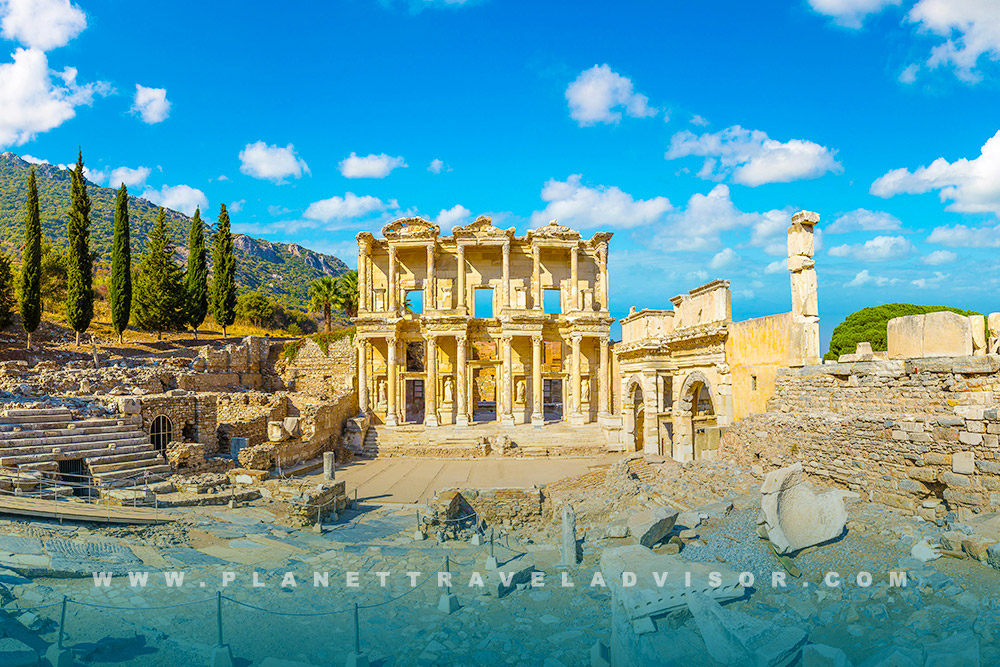
Ephesus flourished under Roman rule, reaching perhaps 200,000 inhabitants and boasting the Temple of Artemis, vast agoras, and a 24,000-seat theatre. Into this prosperous setting, the Library of Celsus was commissioned around by the local consul, Tiberius Julius Aquila Polemaeanus, to honor his father, Tiberius Julius Celsus Polemaeanus, a former governor of Asia. Construction continued after Aquila’s death and was completed under Emperor Hadrian, sometime after 120 CE.
The dual purpose was unusual: the building served both as a public library and as Celsus’s mausoleum, his marble sarcophagus set in a crypt beneath the reading-room floor, an honor rarely granted within a city’s limits.
Celsus rose from a Romanized Greek family to become a legion commander, senator, and consul in . Later, he oversaw Rome’s public buildings, earning wealth and prestige that his son sought to memorialize permanently in their home city.
The project cost an estimated 25,000 denarii, millions in today’s currency, and reflected both filial piety and civic generosity. Statues of Celsus once stood on the upper register; one cuirassed portrait now resides in Istanbul’s Archaeological Museum.
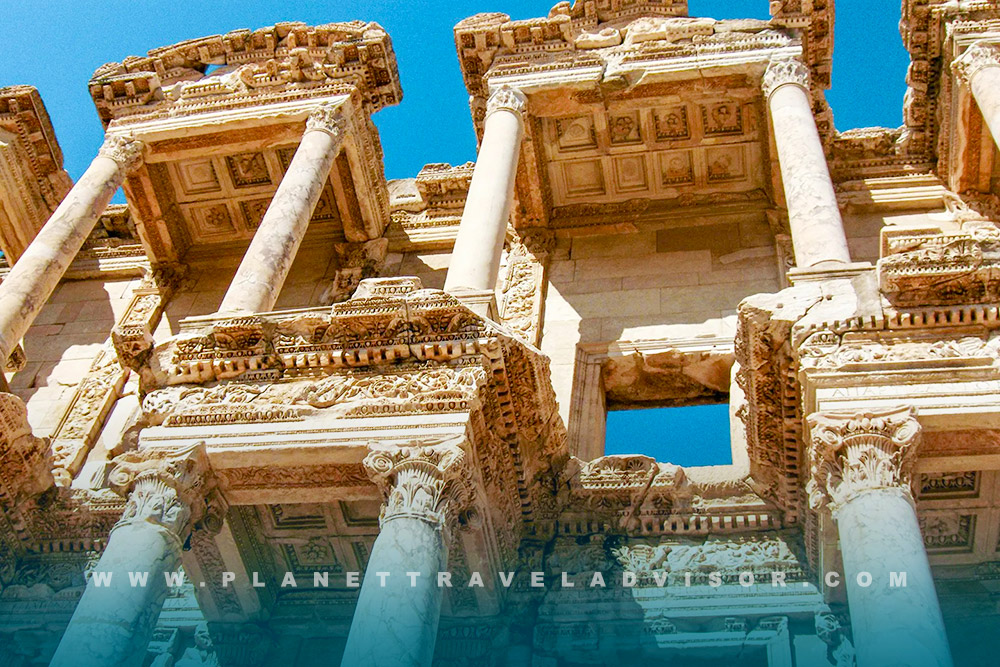
The façade employs optical illusion: outer columns are slightly taller and the central entrance slightly wider, creating a swelling visual effect that makes the building appear larger than its 17 m × 21 m footprint.
Clad in Proconnesian and Docimian marble with deep botanical carvings and egg-and-dart mouldings, the library fuses Greek scenographic façades with Roman monumentality. Composite capitals on the ground level support Corinthian columns above, once topped, some scholars argue, by a smaller third tier now lost.
Nine broad steps span the width of the front, lifting visitors onto a stylobate that announces the building’s public status while elevating the tomb of Celsus, literally and symbolically, above street level.
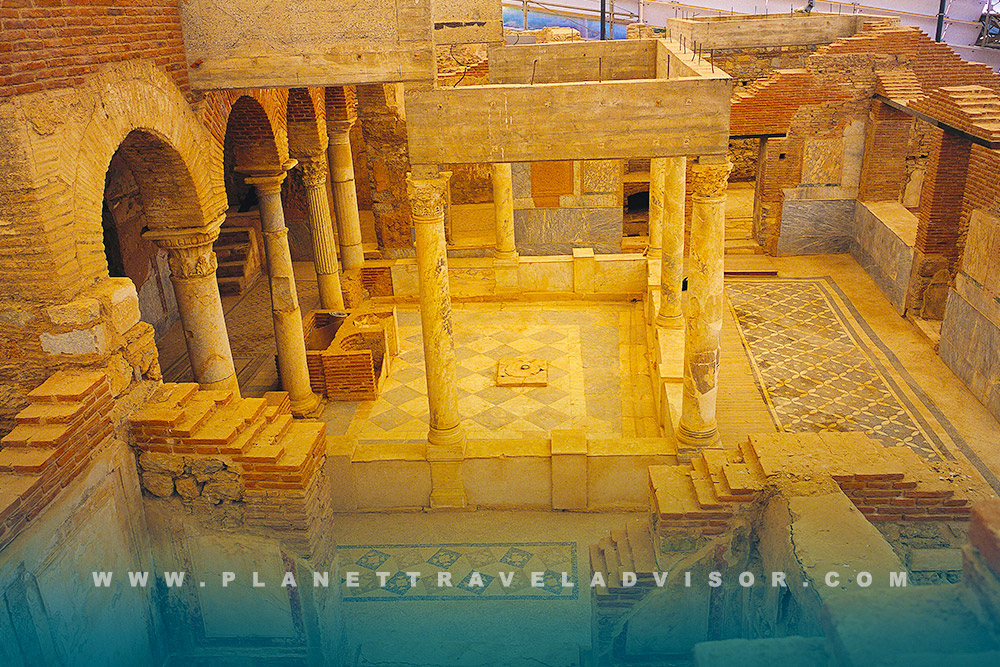
Inside, the single vaulted nave measured roughly 180 m² and was ringed by three tiers of niches, each fitted with wooden armaria (cupboards) to house papyrus rolls. A clever double-wall cavity moderated humidity and temperature, protecting an estimated 12,000 scrolls, making the library the third largest in the Greco-Roman world after Alexandria and Pergamum.
Access to the upper galleries came via hidden staircases built into the side walls, adding structural bracing while keeping the central space open for readers. Scrolls could be consulted on-site but not borrowed, duplication remained labor-intensive, and valuable works rarely left state supervision.
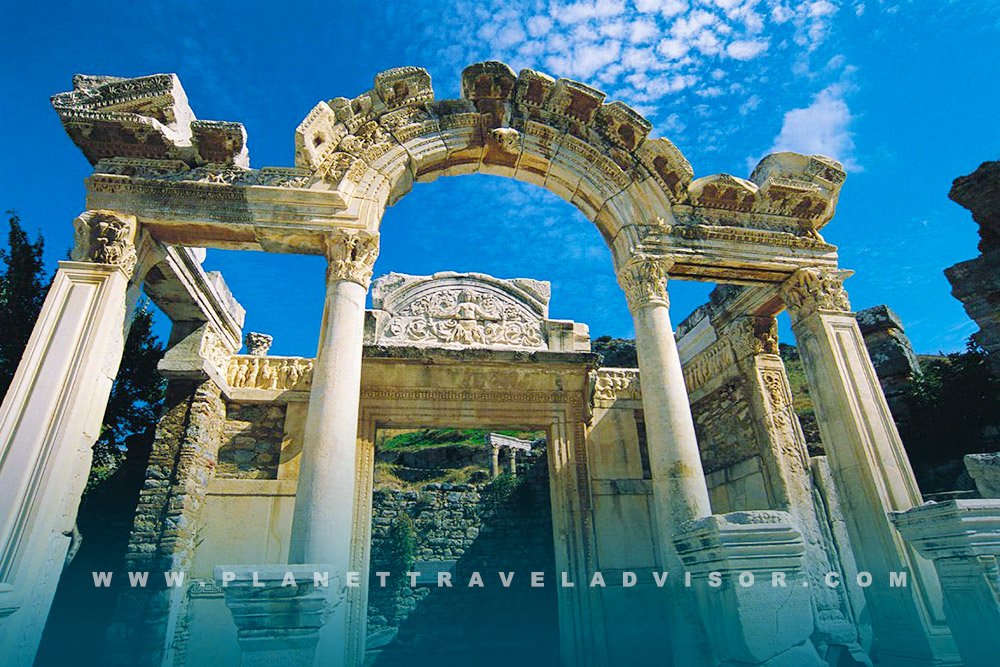
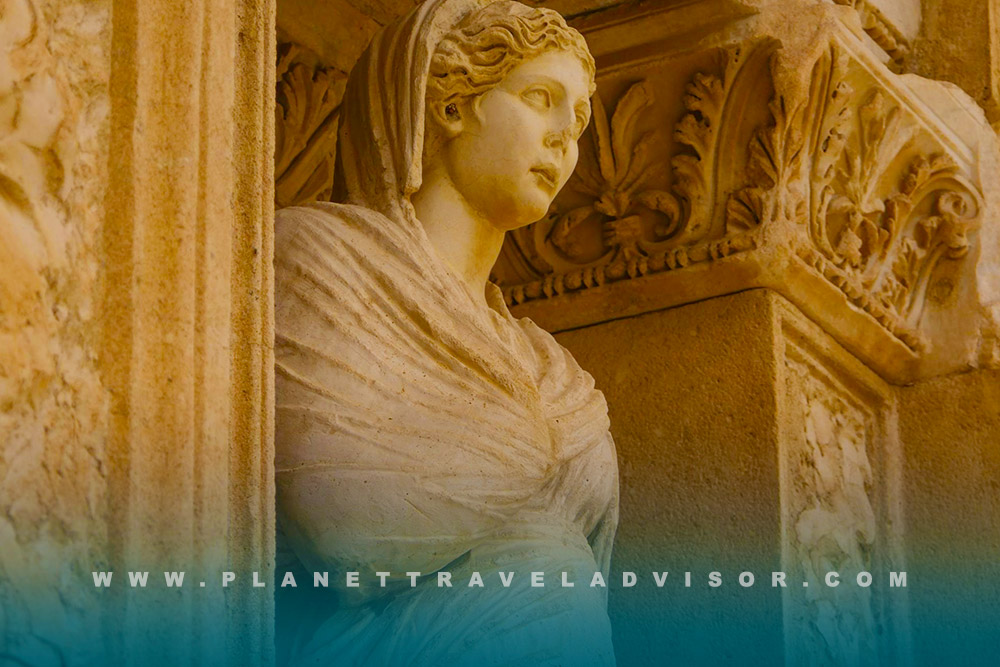
Flanking the three doorways, four marble statues personified the intellectual ideals the library propagated:
The originals rest in Vienna’s Ephesus Museum, but modern replicas still occupy their niches, reminding visitors that scholarship was inseparable from moral character in Roman thought. In-situ bilingual inscriptions, Greek on one pier, Latin on the other, welcomed the polyglot populace of Asia Minor, underscoring Ephesus’s role as a crossroads of cultures.
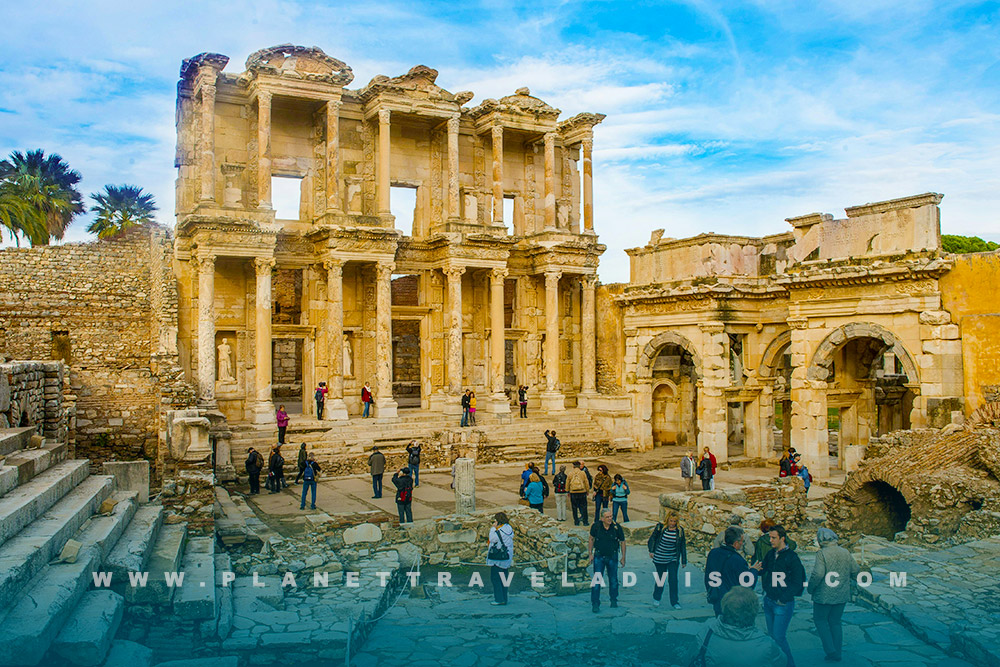
Austrian excavators first exposed the rubble in . Between and , the Austrian Archaeological Institute, led by architect Friedmund Hueber and German archaeologist Volker Michael Strocka, undertook an anastylosis: every surviving block was cataloged, original dowel holes matched, and missing elements replaced with travertine subtly distinct from the antique marble. The rebuilt façade you see today is 85 percent ancient stone, stabilized to withstand modern seismic standards.
The project became a benchmark for ruin conservation, balancing authenticity with safety; its seismic performance was even re-evaluated after the 2020 Aegean Sea earthquake and graded “remarkably resilient”.
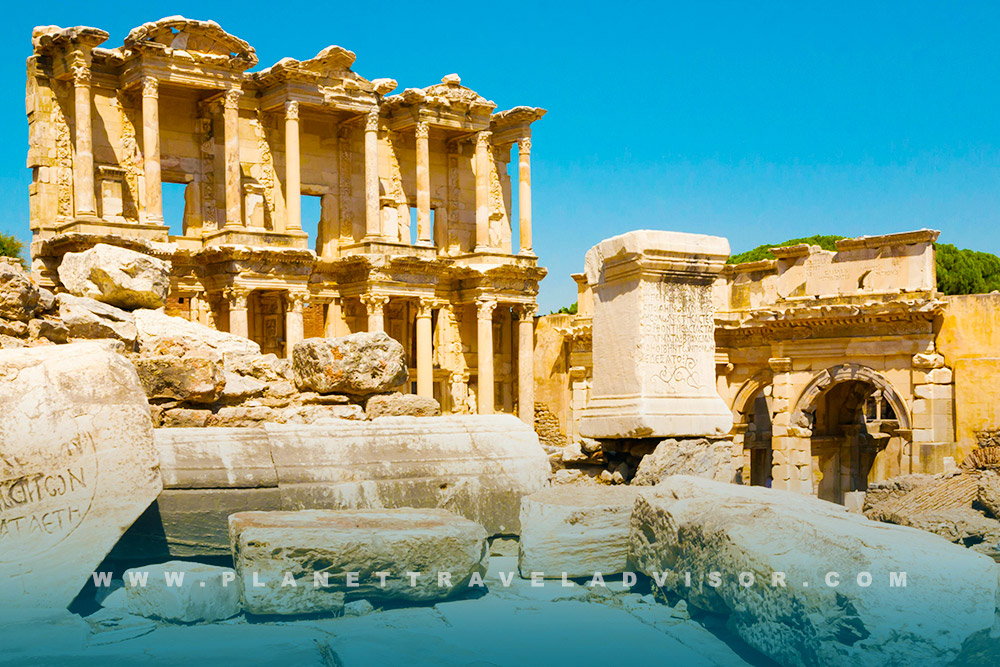
When Ephesus finally joined the World Heritage List in , the Library figured prominently in the site’s Outstanding Universal Value statement as a “grand monument of the Roman Imperial period” that testifies to cross-cultural exchange in the eastern Mediterranean. The façade’s photogenic perfection now graces guidebook covers, Turkish lira commemoratives, and countless social-media feeds, making it an ambassador for the entire archaeological park.
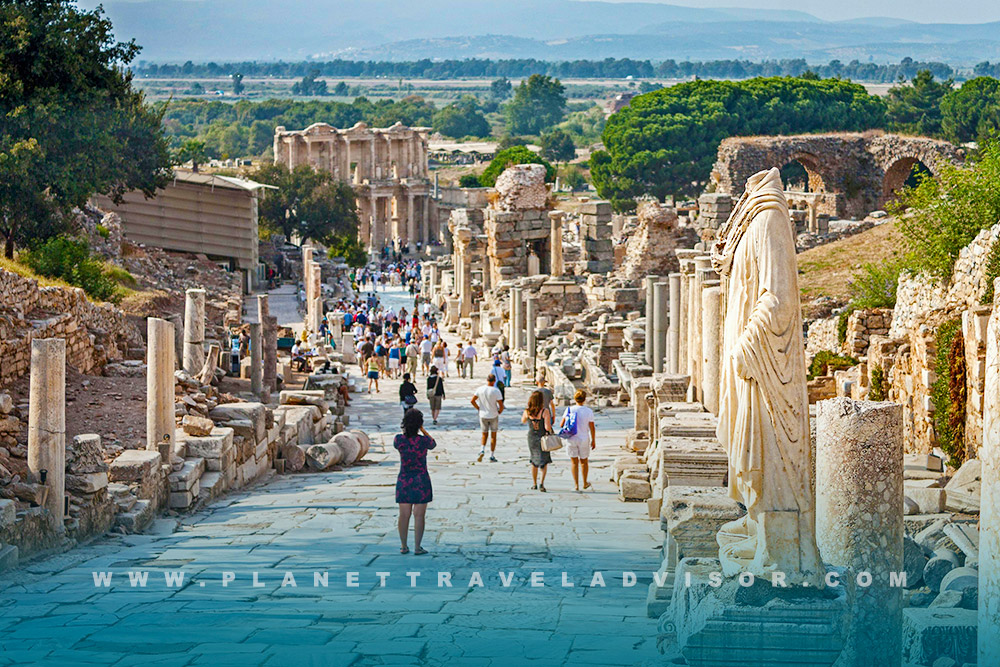
Modern travellers reach Ephesus via the town of Selçuk, 50 minutes south of İzmir Airport. Frequent minibuses (“dolmuş”) connect Selçuk’s otogar to the site entrance; taxis or guided day trips from Kuşadası cruise port are effortless alternatives.
Spring (April–May) and autumn (September–October) offer mild temperatures (18 – 26 °C) and thinner tour-bus traffic. Peak summer can exceed 40 °C on the marble pavements; winter brings rain but gorgeous diffused light for photographers.
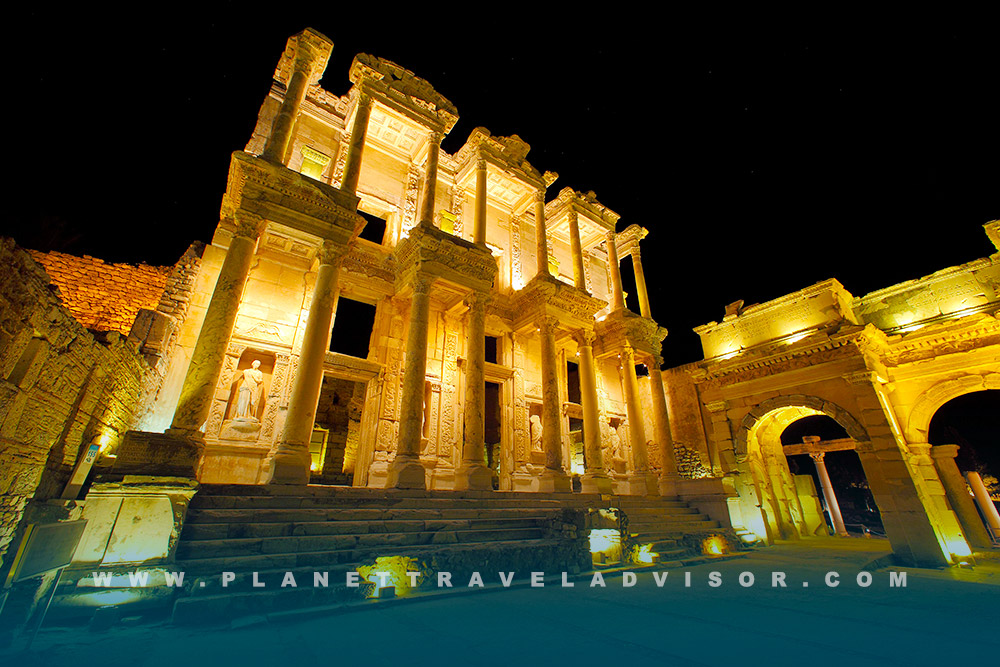
Standing before the Library of Celsus, one senses more than stone and shadow. The building embodies a conversation across millennia about knowledge, memory, and the fragile pact between humankind and time. Its scrolls may be ash, yet the ideals carved into marble, wisdom, understanding, imagination, and virtue, still speak to every traveller who pauses on those nine worn steps. Protecting such places is not merely about preserving ruins; it is about safeguarding the very idea that learning and legacy matter.
Whether you visit in the quiet glow of an October sunset or engage with the Library through scholarship, the experience affirms what Celsus’s son hoped: that architecture can honour the dead, elevate the living, and challenge future generations to keep asking questions beneath eternity’s gaze.
Embark on unforgettable Turkey tour packages crafted for travelers who seek depth, comfort, and cultural insight. Enjoy priority access to top attractions, charming boutique stays, and enriching guidance from passionate locals. Reserve now to take advantage of limited-time seasonal offers and exclusive spring and autumn departures. Travel through Istanbul, Cappadocia, and Ephesus the way it was meant to be experienced.




A curated list of the most popular travel packages based on different destinations.
Discover the Temple of Artemis, history, architecture, airfare trends, hotels, weather, events, and expert 2026 tips for planning a memorable visit.
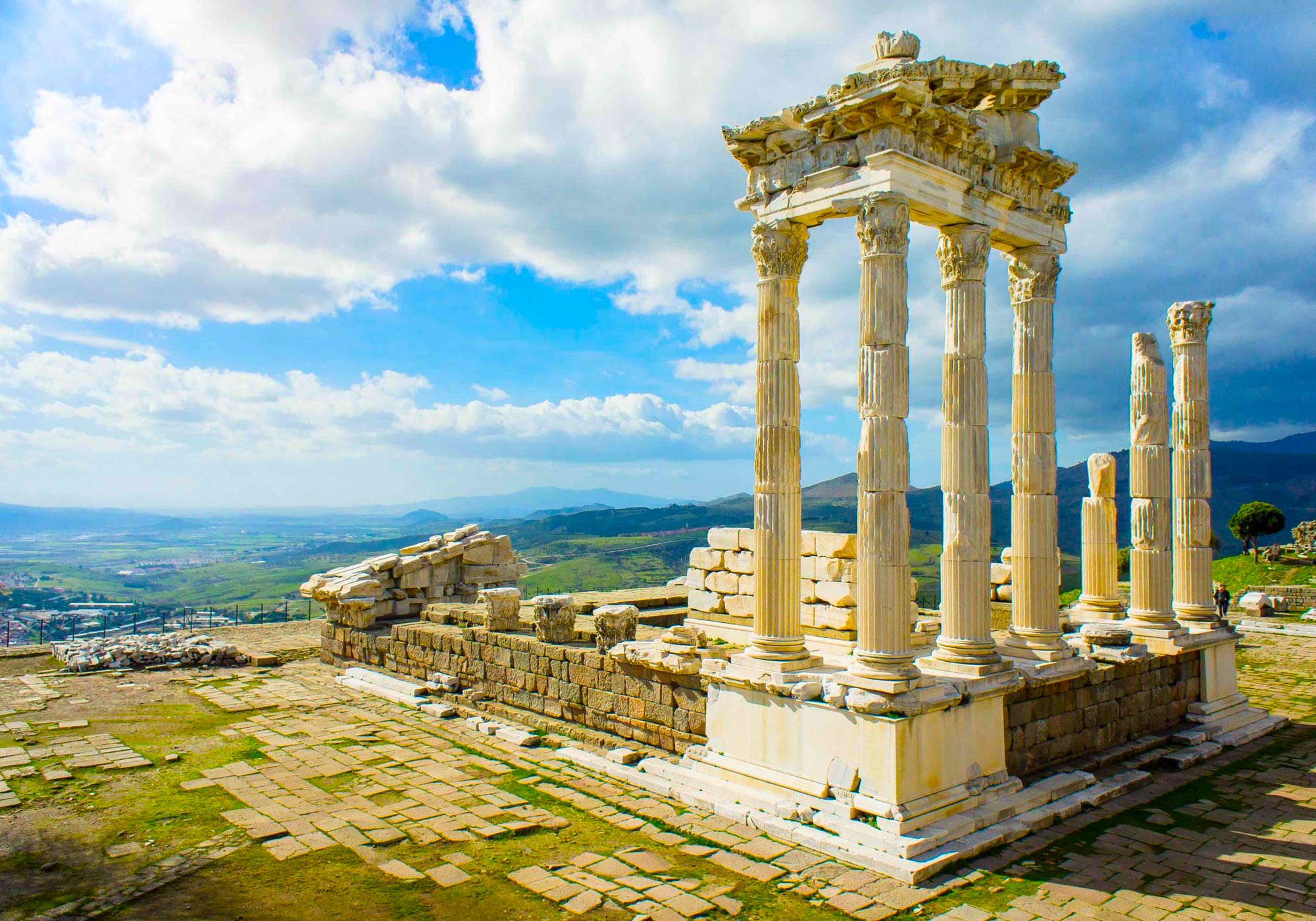
Plan a smart visit to the Temple Of Trajan with expert background on history, architecture, imperial cult, and practical tips for exploring Pergamon’s acropolis.
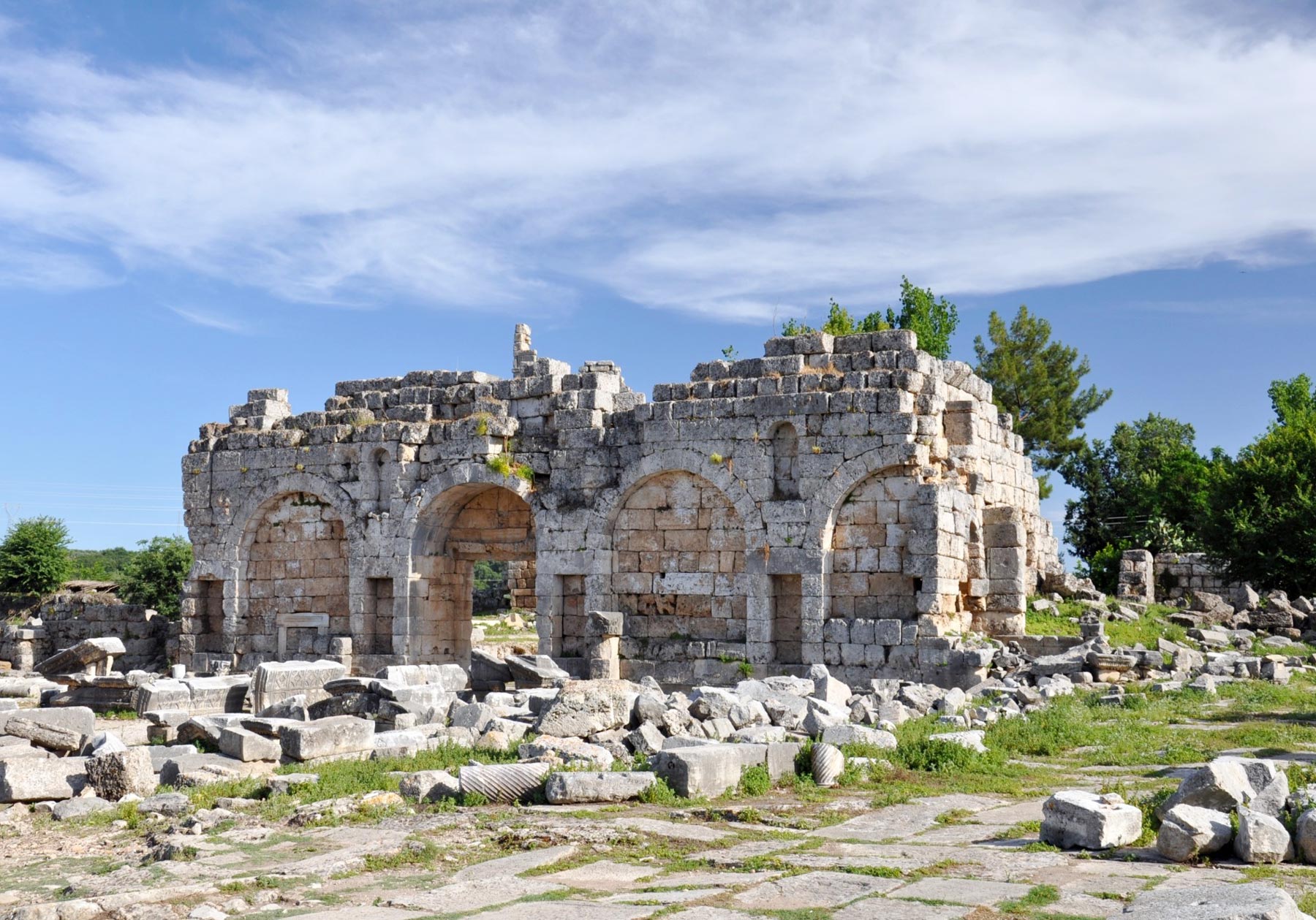
Discover the fascinating story of Ancient Perge, from its origins and Hellenistic roots to its Roman grandeur and lasting cultural legacy in Turkey.
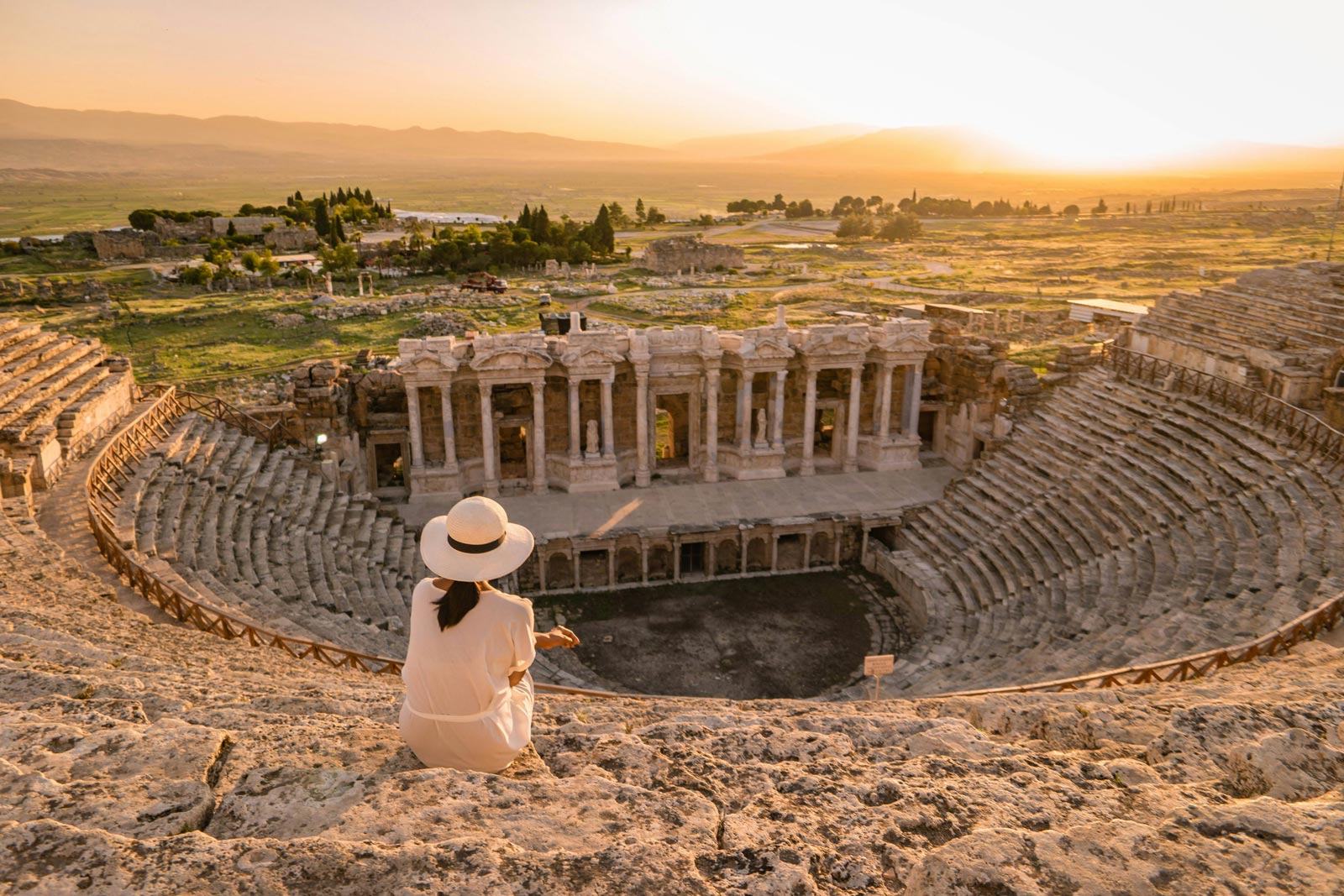
Plan your dream trip to Hierapolis with our expert guide covering history, travertines, seasons, costs, transport, hot springs, tips and FAQs for 2025.
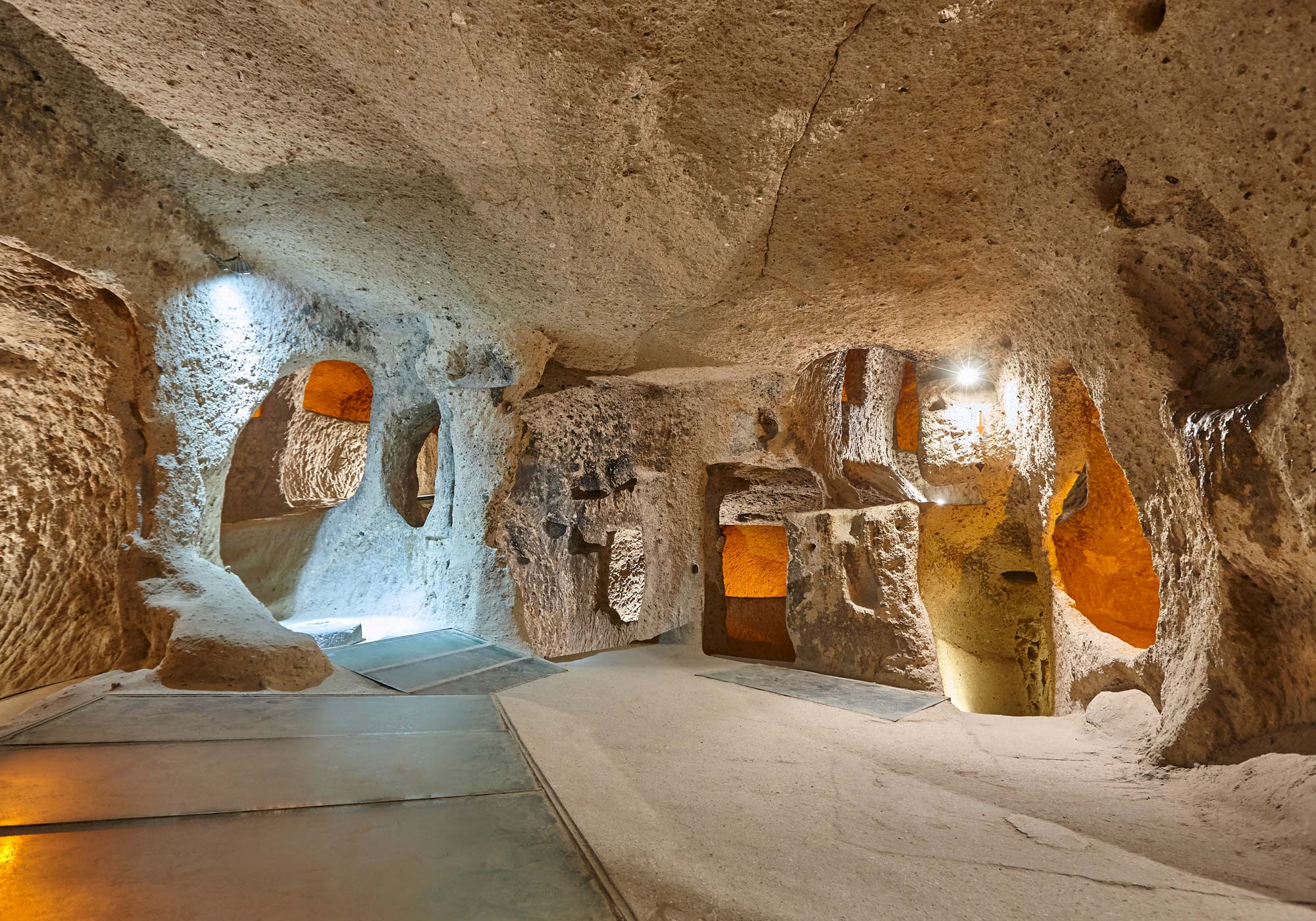
Uncover Kaymakli Underground City's layered history, ingenious design, and key visitor tips, and experience Cappadocia's most intriguing subterranean wonder.
Plan a perfect visit to the Göreme Open Air Museum in Cappadocia, learn its history, top cave churches, and frescoes, 2026 ticket prices, hours & expert tips.
Plan a perfect visit to the Basilica Cistern with expert tips on history, tickets, hours, highlights, Medusa heads, access, and how to get there in Istanbul.
Hagia Sophia Travel Guide: updated ticket fees, dress code, prayer closures, best seasons to visit, nearby attractions and budget tips for Istanbul's icon.
Explore the fascinating Hadrian's Gate history in Antalya, exploring its Roman origins, cultural significance, and timeless architectural beauty.
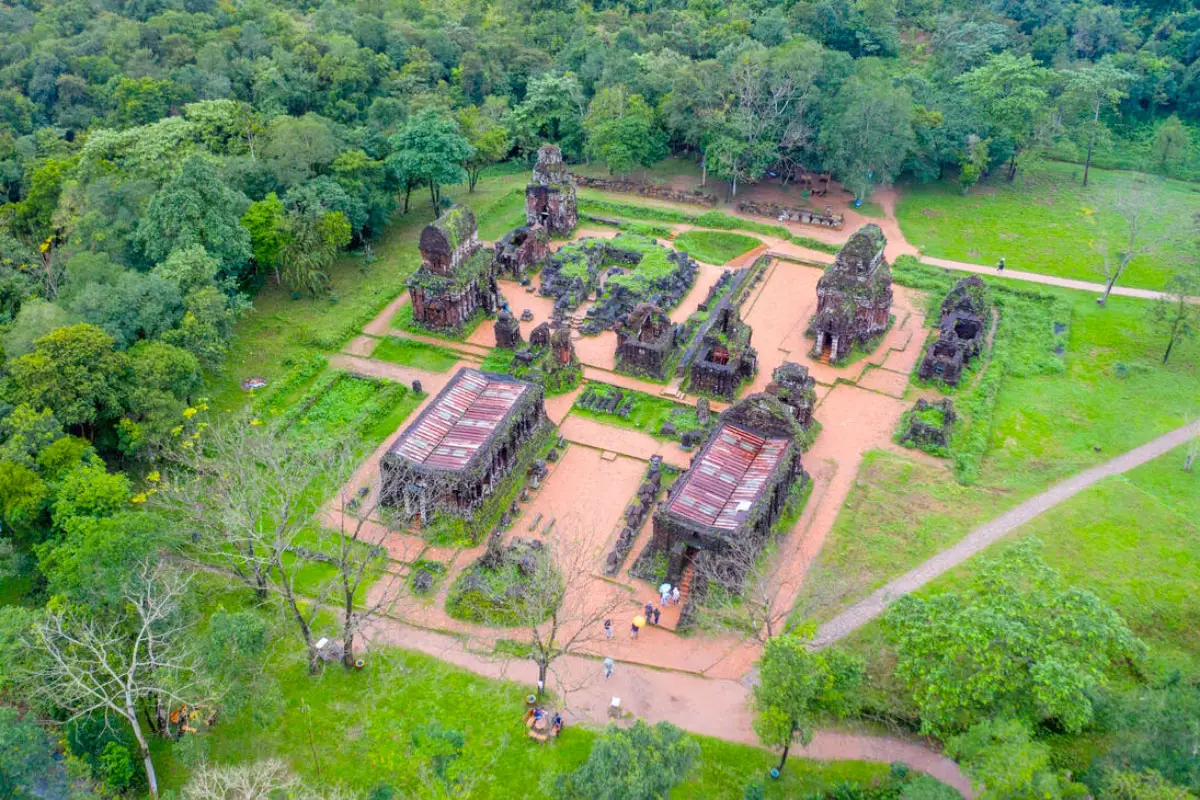
Explore My Son Sanctuary, Vietnam's ancient cultural heritage site, and discover its rich history, stunning architecture, and spiritual significance today.
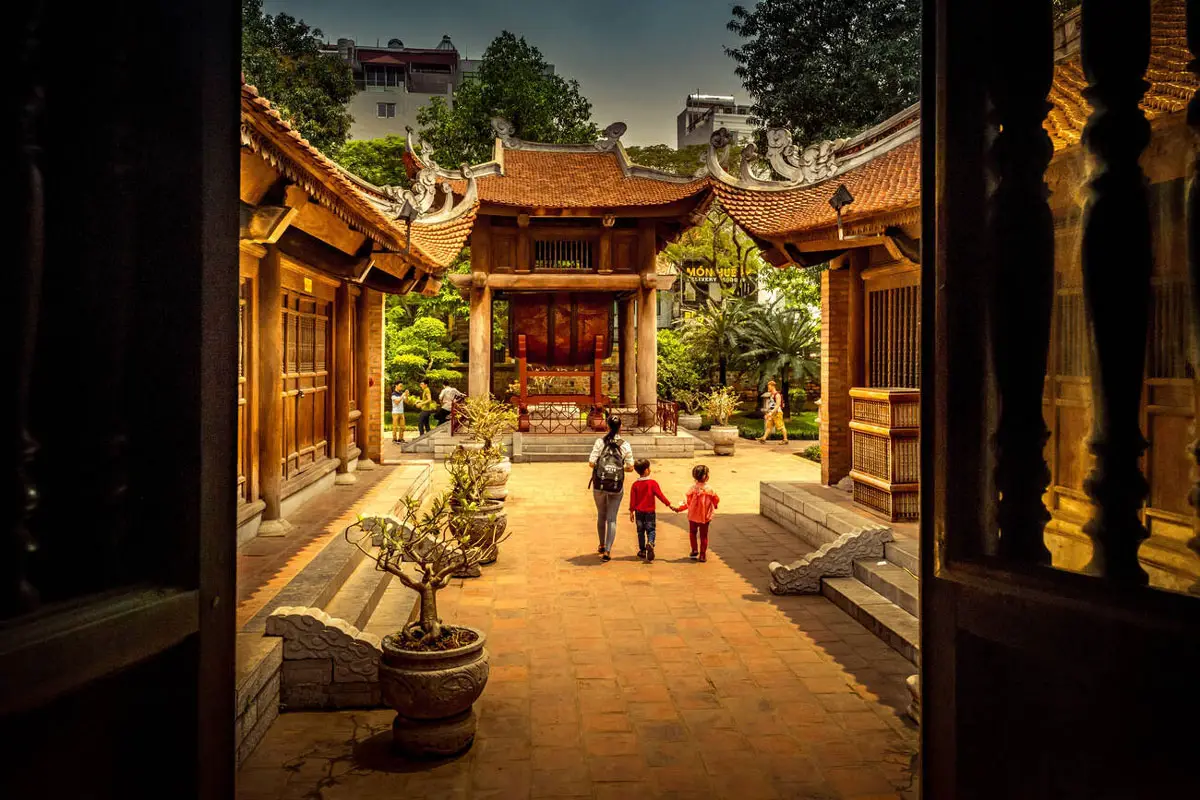
Explore Hanoi's Temple of Literature and its rich history and architecture. Get tips on the best time to visit, entrance fees, and what to bring.
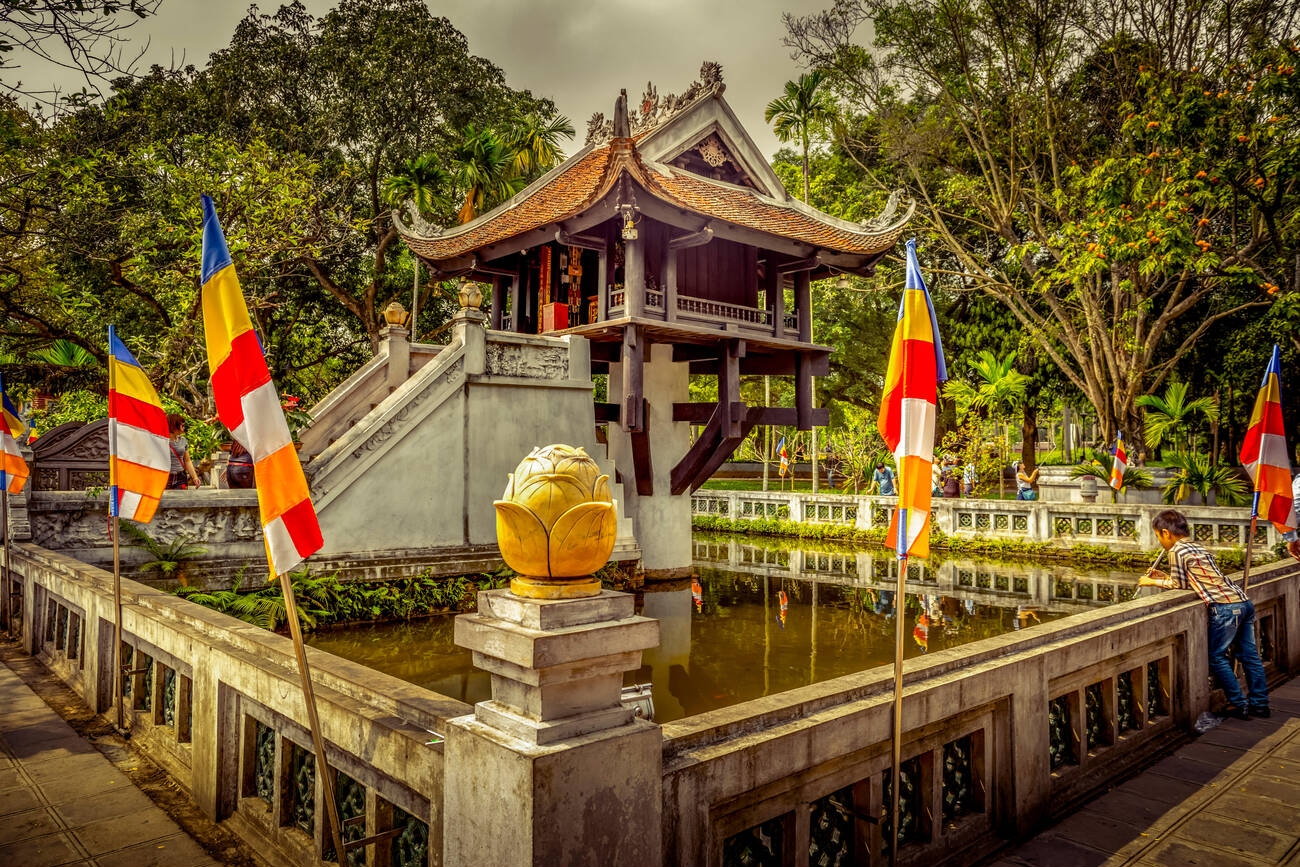
Uncover the beauty and history of Hanoi’s One Pillar Pagoda. Learn about its architecture and get travel tips for visiting this iconic cultural site.
We go beyond just booking trips—we create unforgettable travel experiences that match your dreams!



A beautifully organized journey from start to finish. We booked the "3 Days Gallipoli, Troy, Pergamum & Ephesus Tour Package" package and were impressed by how professionally everything was arranged. The itinerary gave us enough time to enjoy Ephesus, Gallipoli, Troy, and Pergamum without feeling rushed, and all transfers and day tours ran on time. The communication before arrival was clear and helpful, which made planning much easier. What we appreciated most was the balance between guided sightseeing and free time, so the whole trip felt comfortable and enjoyable. If you are looking for a reliable way to explore Turkey, this is a great option. The itinerary was well balanced and never felt rushed.
This trip exceeded all our expectations. We booked the "Discover Turkey in 6 Days from Istanbul to Ephesus" package and were impressed by how professionally everything was arranged. The itinerary gave us enough time to enjoy Istanbul and Ephesus without feeling rushed, and all transfers and day tours ran on time. The communication before arrival was clear and helpful, which made planning much easier. What we appreciated most was the balance between guided sightseeing and free time, so the whole trip felt comfortable and enjoyable. If you are looking for a reliable way to explore Turkey, this is a great option. We would absolutely recommend it to anyone visiting this destination.
A beautifully organized journey from start to finish. We booked the "Book 2 Days Cappadocia Tour Package" package and were impressed by how professionally everything was arranged. The itinerary gave us enough time to enjoy Cappadocia without feeling rushed, and all transfers and day tours ran on time. The communication before arrival was clear and helpful, which made planning much easier. What we appreciated most was the balance between guided sightseeing and free time, so the whole trip felt comfortable and enjoyable. If you are looking for a reliable way to explore Turkey, this is a great option. The itinerary was well balanced and never felt rushed.
One of the smoothest tours we have ever booked. We booked the "14 Days Vietnam to Cambodia Heritage Tour" package and were impressed by how professionally everything was arranged. The itinerary gave us enough time to enjoy Vietnam and Cambodia without feeling rushed, and all transfers and day tours ran on time. The communication before arrival was clear and helpful, which made planning much easier. What we appreciated most was the balance between guided sightseeing and free time, so the whole trip felt comfortable and enjoyable. If you are looking for a reliable way to explore Vietnam, this is a great option. It was the perfect mix of sightseeing, comfort, and great logistics.
This trip exceeded all our expectations. We booked the "Best 3 Days Cappadocia Tour by Plane" package and were impressed by how professionally everything was arranged. The itinerary gave us enough time to enjoy Cappadocia without feeling rushed, and all transfers and day tours ran on time. The communication before arrival was clear and helpful, which made planning much easier. What we appreciated most was the balance between guided sightseeing and free time, so the whole trip felt comfortable and enjoyable. If you are looking for a reliable way to explore Turkey, this is a great option. We would absolutely recommend it to anyone visiting this destination.











Comments (02)
Mr. Bowmik Haldar,
05 June, 2024Outstanding News & Insight! Thank you so much for sharing like this article
Jacoline Juie,
05 June, 2023However, here are some well-regarded car dealerships known for their customer service, inventory, and overall reputation. It's always a good idea to research and read reviews specific...
Leave Your Comment: