
 Visit Turkey
 Visit Vietnam
 Visit Cambodia
 Visit Dubai
 Visit Jordan



WhatsApp
+201120987982
-
 Mail Support [email protected]
 -
 More Inquery +201120987982
Egypt is a land of ancient wonders and vibrant culture, attracting travelers worldwide. However, planning the perfect vacation requires more than just knowing the top attractions. Understanding the worst time to visit Egypt in 2026 is essential, considering the country's climate, seasonal events, and potential challenges that could impact your experience.
Whether you're eager to explore the pyramids, cruise the Nile, or immerse yourself in the bustling markets, timing plays a crucial role. In this guide, we'll explore the factors contributing to the worst time to visit Egypt, ensuring your journey is enjoyable and memorable.
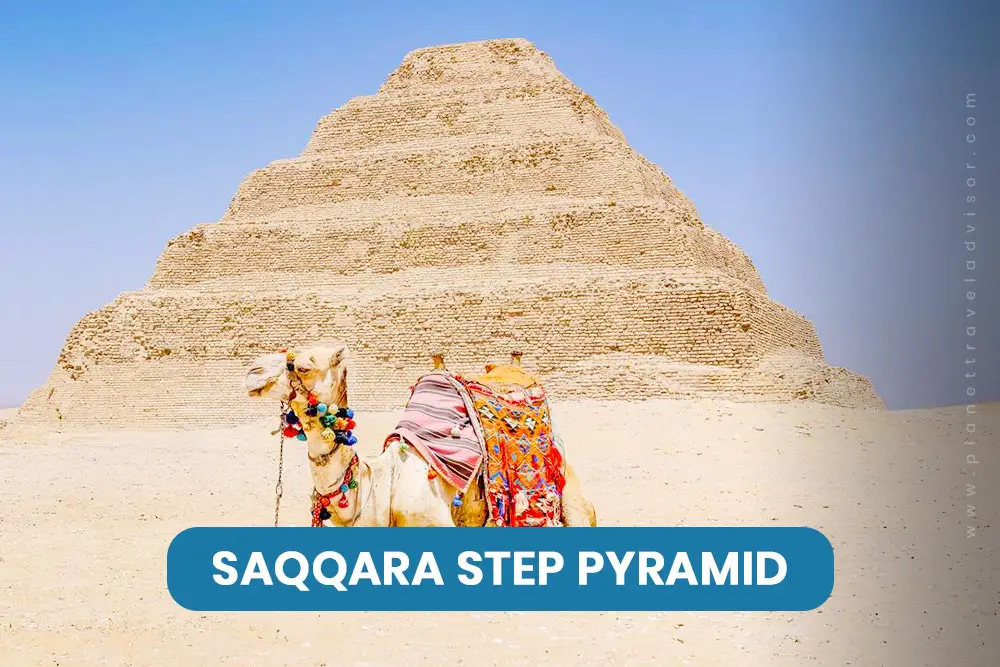
The extreme heat season in Egypt, typically spanning from June to August, marks the worst time to visit the country. During these months, temperatures can soar above 40°C (104°F) in many regions, including popular tourist cities like Cairo, Luxor, and Aswan. The intense heat can make outdoor activities, such as exploring ancient sites like the Pyramids of Giza or the Valley of the Kings, uncomfortable and potentially hazardous.
The relentless sun and dry desert climate can lead to dehydration and fatigue, requiring constant hydration and sun protection. Additionally, while summer sees fewer crowds, the extreme temperatures often limit exploration time, as visitors are forced to seek refuge indoors during the hottest parts of the day.
Despite lower accommodation prices during this season, the overall experience can be less enjoyable due to the oppressive heat. Planning a trip during the cooler months is advisable for a more comfortable visit when the weather is more conducive to exploring Egypt’s rich history and vibrant culture.
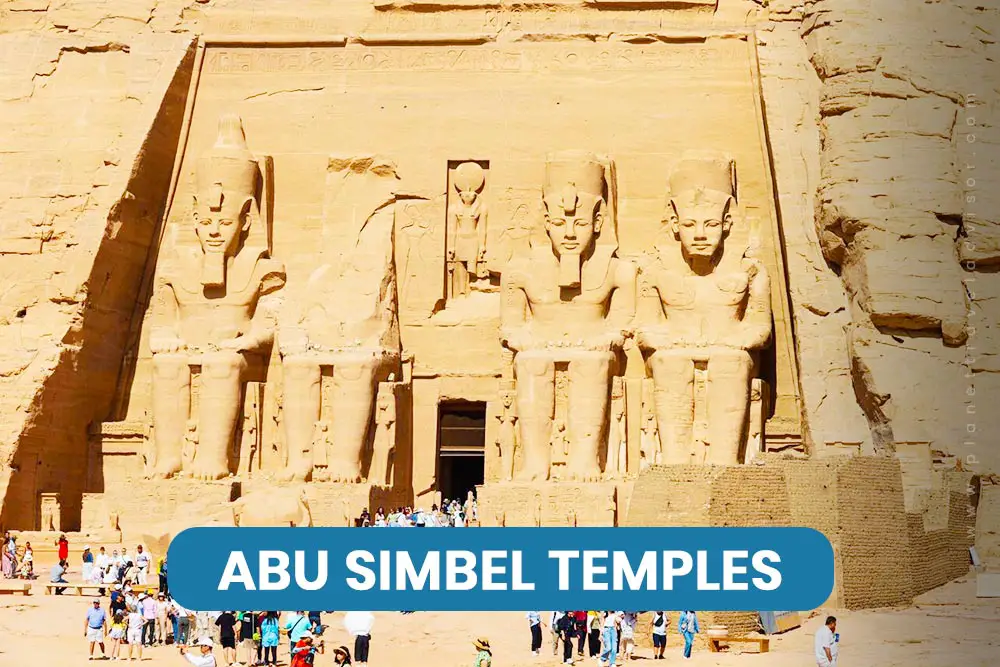
Crowds season in Egypt typically aligns with the peak tourist periods, especially during the winter months from December to February. This is when the weather is most pleasant, with mild temperatures making it ideal for exploring Egypt's iconic sites like the Pyramids of Giza, the temples of Luxor, and the Valley of the Kings. However, the influx of tourists during this time can crowd popular attractions, leading to wait times and a less intimate experience. Hotel prices and airfares also tend to be higher, adding to the overall cost of travel during this period.
The worst time to visit Egypt, particularly for those who prefer avoiding large crowds, is during the holiday seasons around Christmas, New Year, and Easter. During these times, tourist numbers swell even further, and the major sites can become overwhelmingly busy. Additionally, Cairo and other major cities experience heavy traffic, making getting around more time-consuming and stressful.
For travelers seeking a quieter experience, the shoulder seasons of spring (March to April) and fall (September to November) are recommended. The weather is still pleasant during these months, but the crowds are thinner, and prices are more reasonable. However, it's important to avoid visiting Egypt during the worst time to visit, which includes the summer months from June to August, as the extreme heat can be unbearable, particularly in southern regions like Luxor and Aswan, making outdoor activities less enjoyable.
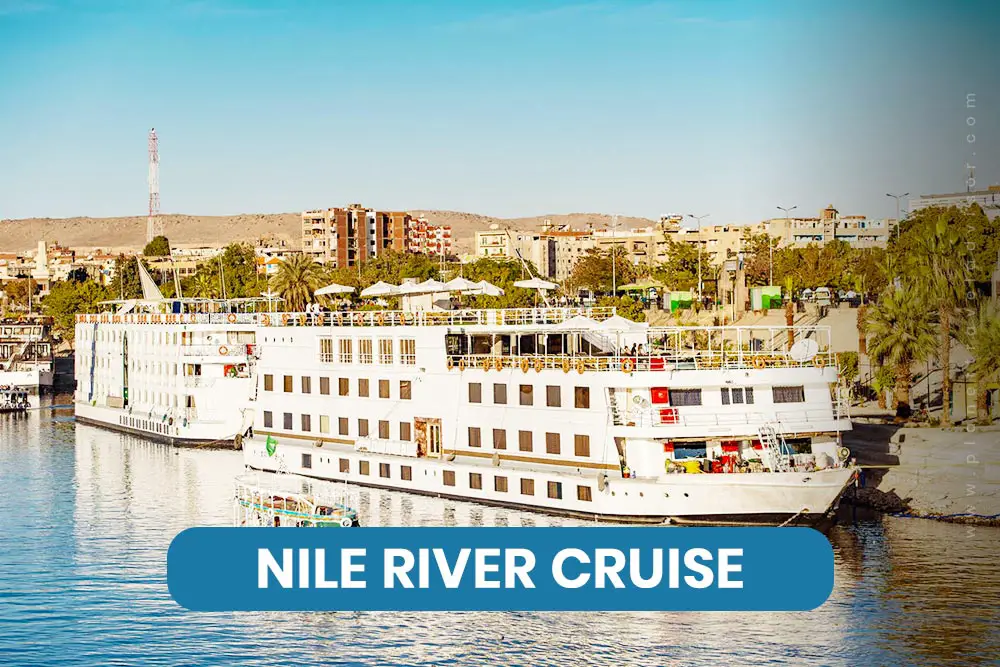
The worst time for a Nile cruise in Egypt is during the summer months, from May to August.
If you're looking for a more comfortable experience, consider visiting during the shoulder seasons (March-April or October-November) or the peak winter season (December-February).
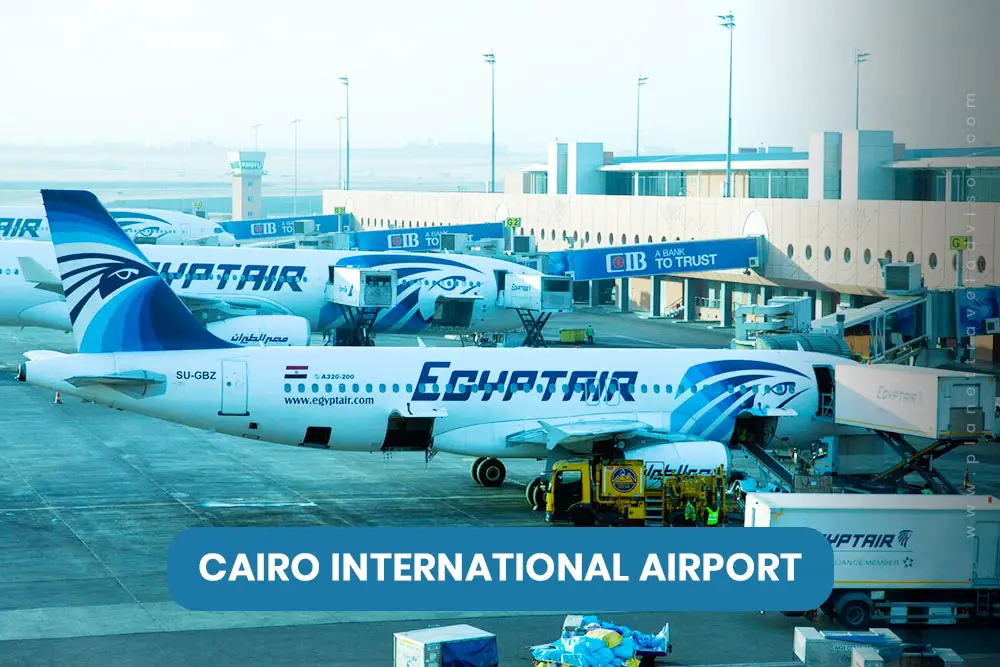
The worst time to book flights to Egypt generally falls during peak travel seasons, holidays, and popular events when demand is high, leading to increased airfare prices. Here are the key periods to avoid:
It's best to book flights well in advance and avoid these peak times to avoid high prices. For more affordable options, consider traveling during Egypt's off-season (summer) or shoulder seasons (fall).
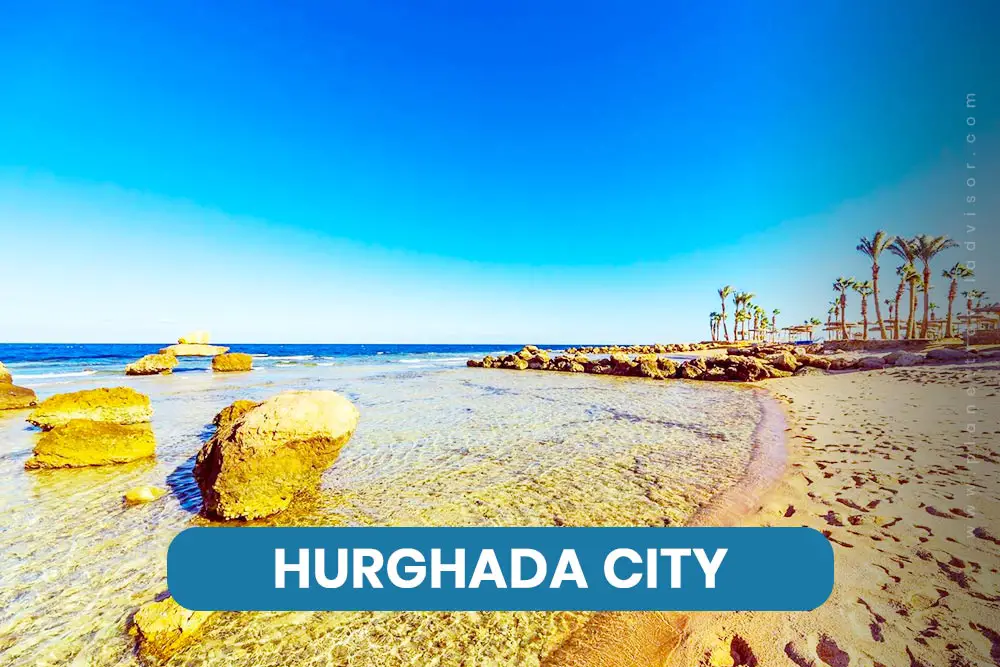
Hotels in Egypt are most expensive during peak travel periods when demand is high. These times include:
To avoid high prices, consider traveling during the off-peak season, such as the summer months or late fall, when hotel rates are generally more affordable and the number of tourists is lower. Our latest article tips for the best time to book hotel prices will help you unlock the secrets to scoring the best deals on hotel bookings.
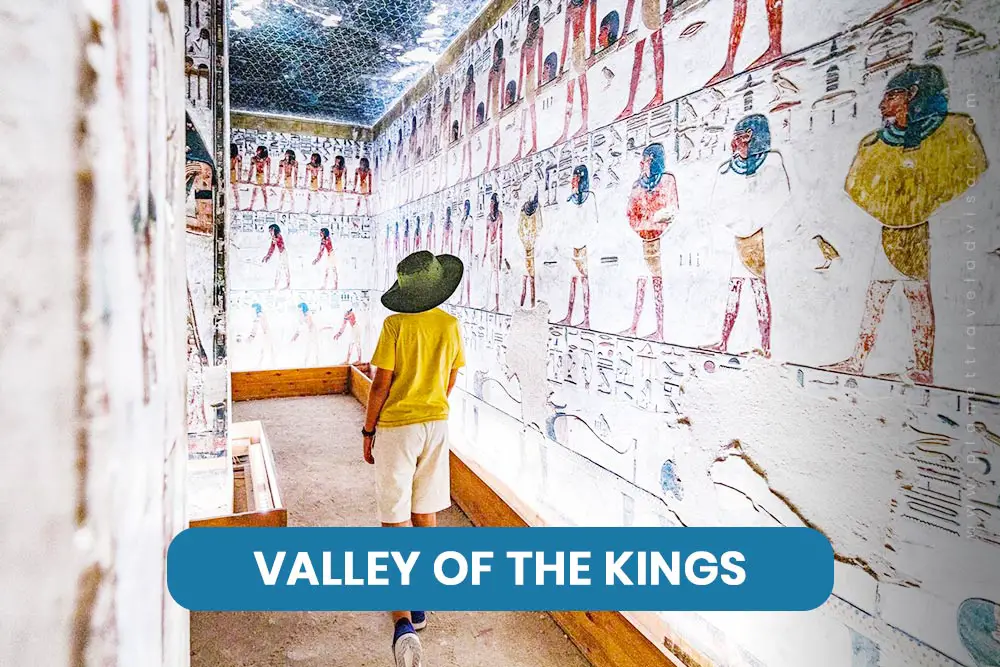
Visiting Egypt during peak travel times, when costs are high and tourist crowds are large, can still be a rewarding experience if you plan strategically. One of the key strategies is to plan your itinerary wisely. To avoid the heaviest crowds, focus on lesser-known attractions such as the Dahshur Pyramids instead of the more famous ones at Giza or explore less frequented temples in Aswan and Luxor. If you must visit iconic sites like the Pyramids of Giza or the Egyptian Museum, try going early in the morning or late in the afternoon when the crowds are thinner.
Leveraging local knowledge can also make your trip more enjoyable. Hiring a local guide can help you navigate busy areas and provide insider travel tips on hidden gems that are off the typical tourist path. Additionally, exploring local markets such as Khan El Khalili or Aswan's souks at less crowded times can offer an authentic taste of Egyptian culture without the overwhelming rush of tourists.
Adapting to the heat is crucial if your visit falls during the hot summer months. Stay hydrated, wear light clothing, and take breaks in air-conditioned spaces like cafes or museums to stay comfortable. Planning indoor activities, such as museum visits, during the hottest hours of the day can also help you avoid the intense heat while still making the most of your trip.
Finding good accommodation deals during peak times can be challenging but not impossible. Booking your accommodation either well in advance or taking advantage of last-minute offers can sometimes result in significant savings, especially in luxury hotels looking to fill rooms. Additionally, consider staying in less central areas, which can be more affordable and less crowded, with easy access to major attractions.
Finally, remember to remain flexible and open to adjusting your plans based on your conditions. By taking these steps, you can still have an enriching and enjoyable experience in Egypt, even if you visit during the busiest times of the year.
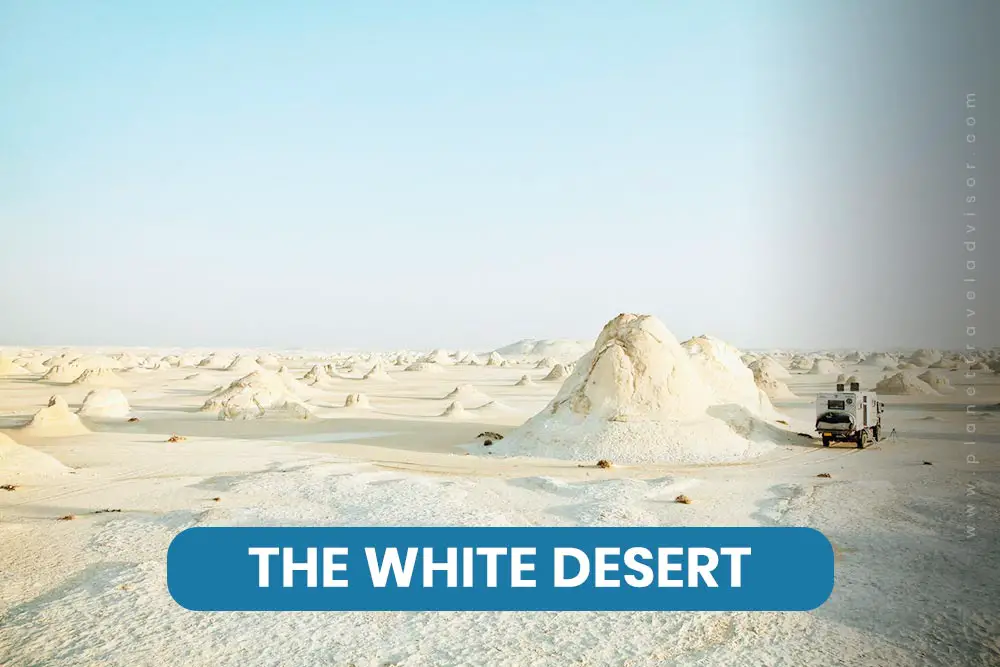
Consider traveling during late fall (November) or early spring (March to April) for a more enjoyable visit to Egypt with pleasant weather and manageable crowds. In November, the weather is mild and comfortable, perfect for exploring outdoor attractions like the pyramids and temples, while the tourist numbers are lower compared to peak winter months, leading to more affordable travel costs. Early spring offers similarly pleasant weather, and while there may be a slight increase in visitors, it's still less crowded than the winter peak season, making it a good time for sightseeing with reasonable prices for flights and accommodations.
Alternatively, visiting during summer (June to August) can provide significant cost savings, as this period is typically less busy and less expensive, although temperatures can be very high. Coastal cities like Alexandria and Red Sea resorts offer a cooler retreat from the intense heat. Late winter (January to February) is also a favorable time, with cooler yet comfortable temperatures for exploring, fewer crowds than the holiday season, and lower travel costs compared to the peak winter months of December. These times offer a balanced experience with good weather, fewer tourists, and better value for your trip.

We go beyond just booking trips—we create unforgettable travel experiences that match your dreams!



A beautifully organized journey from start to finish. We booked the "4 Days Siem Reap Tour" package and were impressed by how professionally everything was arranged. The itinerary gave us enough time to enjoy Siem Reap without feeling rushed, and all transfers and day tours ran on time. The communication before arrival was clear and helpful, which made planning much easier. What we appreciated most was the balance between guided sightseeing and free time, so the whole trip felt comfortable and enjoyable. If you are looking for a reliable way to explore Cambodia, this is a great option. The itinerary was well balanced and never felt rushed.
A beautifully organized journey from start to finish. We booked the "Explore Turkey in 9 Days from Ephesus to Cappadocia" package and were impressed by how professionally everything was arranged. The itinerary gave us enough time to enjoy Cappadocia and Ephesus without feeling rushed, and all transfers and day tours ran on time. The communication before arrival was clear and helpful, which made planning much easier. What we appreciated most was the balance between guided sightseeing and free time, so the whole trip felt comfortable and enjoyable. If you are looking for a reliable way to explore Turkey, this is a great option. The itinerary was well balanced and never felt rushed.
One of the smoothest tours we have ever booked. We booked the "9 Days Angkor and Mekong Expeditions Package" package and were impressed by how professionally everything was arranged. The itinerary gave us enough time to enjoy the Mekong and Angkor without feeling rushed, and all transfers and day tours ran on time. The communication before arrival was clear and helpful, which made planning much easier. What we appreciated most was the balance between guided sightseeing and free time, so the whole trip felt comfortable and enjoyable. If you are looking for a reliable way to explore Vietnam, this is a great option. It was the perfect mix of sightseeing, comfort, and great logistics.
A beautifully organized journey from start to finish. We booked the "5 Days Trip through Istanbul, Gallipoli, and Troy" package and were impressed by how professionally everything was arranged. The itinerary gave us enough time to enjoy Istanbul, Gallipoli, and Troy without feeling rushed, and all transfers and day tours ran on time. The communication before arrival was clear and helpful, which made planning much easier. What we appreciated most was the balance between guided sightseeing and free time, so the whole trip felt comfortable and enjoyable. If you are looking for a reliable way to explore Turkey, this is a great option. The itinerary was well balanced and never felt rushed.
Everything about this package felt thoughtfully planned. We booked the "6 Days Exploring Istanbul Cappadocia and Pamukkale" package and were impressed by how professionally everything was arranged. The itinerary gave us enough time to enjoy Istanbul, Cappadocia, and Pamukkale without feeling rushed, and all transfers and day tours ran on time. The communication before arrival was clear and helpful, which made planning much easier. What we appreciated most was the balance between guided sightseeing and free time, so the whole trip felt comfortable and enjoyable. If you are looking for a reliable way to explore Turkey, this is a great option. The guides, transfers, and pacing all worked together perfectly.









 English
 Dutch
Dutch Japanese
 Korean
 Chinese
Comments (02)
Mr. Bowmik Haldar,
05 June, 2024Outstanding News & Insight! Thank you so much for sharing like this article
Jacoline Juie,
05 June, 2023However, here are some well-regarded car dealerships known for their customer service, inventory, and overall reputation. It's always a good idea to research and read reviews specific...
Leave Your Comment: