 Visit Turkey
 Visit Vietnam
 Visit Cambodia
 Visit Dubai
 Visit Jordan


 English
 Dutch
Dutch Japanese
 Korean
 Chinese
Best Hanoi Old Quarter Travel Guide
Explore Hanoi's Old Quarter, a vibrant hub of history, culture, and cuisine with iconic attractions, local markets, and the best visiting seasons.



Vietnam, a country on the Asian continent renowned for its breathtaking landscapes and vibrant culture, offers travelers a unique blend of experiences, from Hanoi's bustling streets to Ha Long Bay's tranquil beauty. However, timing is everything when it comes to visiting this Southeast Asian gem. While Vietnam is a year-round destination, the country’s diverse climate means that certain times of the year can be far less favorable for travel.
In this article, we will delve into the worst time to visit Vietnam, focusing on the period from October to November. During these months, the central region of Vietnam, home to popular destinations like Hue, Da Nang, and Hoi An, is particularly vulnerable to severe weather conditions. The combination of heavy rainfall, frequent typhoons, and widespread flooding can disrupt travel plans and pose safety risks for visitors.
Vietnam’s climate is as diverse as its landscape, shaped by its elongated geography that stretches over 1,000 miles from north to south. This geographical variety results in various weather patterns across the country, making Vietnam one of the most famous countries to be enjoyed year-round.
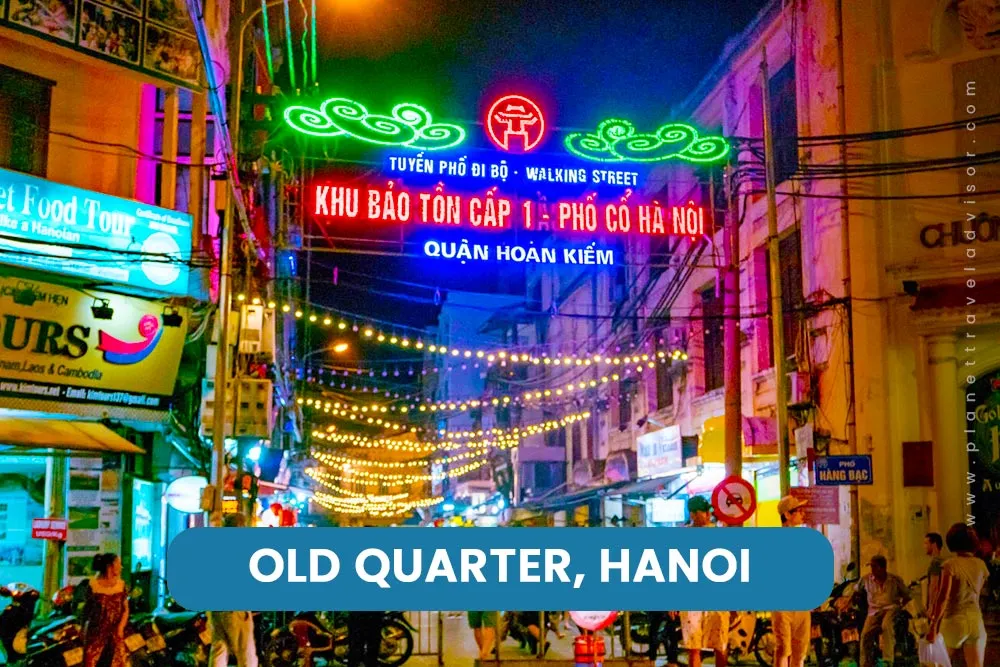
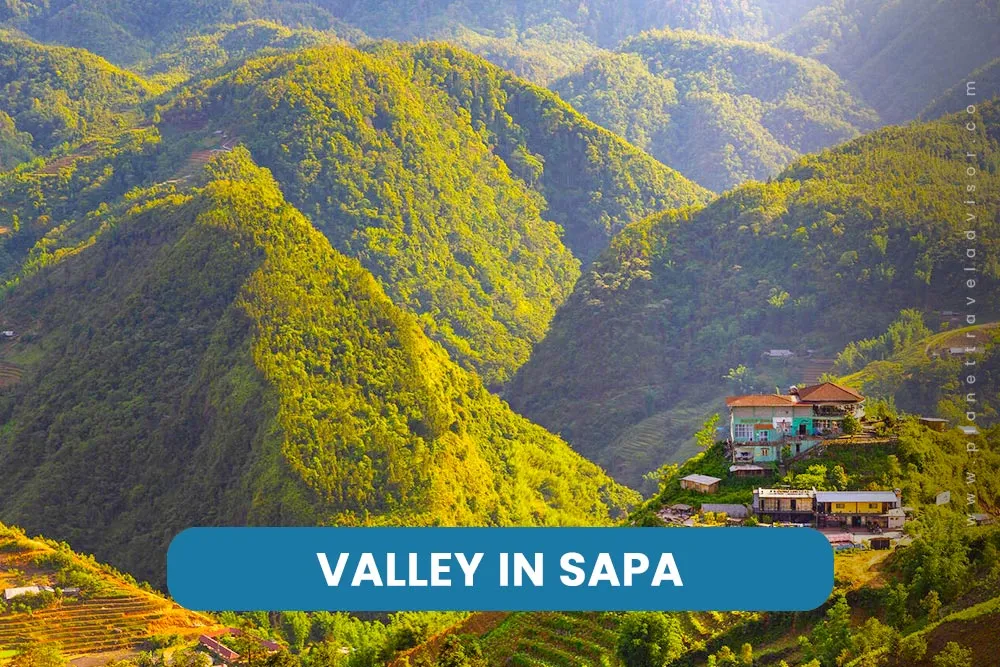
Northern Vietnam, including cities like Hanoi, Ha Long Bay, and Sapa, experiences a humid subtropical climate with four seasons. The winter months from November to February are cool and dry, with temperatures occasionally dropping to below 10°C (50°F) in the highlands. This period is ideal for exploring the region’s lush landscapes and cultural heritage. Spring (March to April) and autumn (September to October) are considered the best times to visit, offering mild weather and clear skies.
However, the summer months from May to August bring high temperatures, often soaring above 35°C (95°F), and heavy rainfall. This is also the time when the region is prone to typhoons, especially in late summer. These conditions can make outdoor activities less enjoyable and even risky, particularly in mountainous areas prone to landslides.
Central Vietnam, encompassing cities such as Hue, Da Nang, and Hoi An, experiences a tropical monsoon climate. The Truong Son mountain range influences the region's weather, which creates distinct wet and dry seasons. From February to August, the dry season is characterized by warm and sunny weather, ideal for beachgoers and cultural explorers alike.
However, the period from September to November marks the wet season, which brings heavy rainfall, frequent typhoons, and severe flooding. Central Vietnam is particularly vulnerable during this time, with storms often causing significant damage and disruption to travel. The unpredictable weather during these months makes it the least favorable time to visit this part of the country.
Southern Vietnam, which includes Ho Chi Minh City and the Mekong Delta, enjoys a tropical climate with two main seasons: dry and rainy. The dry season, from December to April, is hot and humid, with temperatures ranging from 25°C to 35°C (77°F to 95°F). This is the best time to explore the vibrant cities and lush landscapes.
From May to November, the rainy season brings daily downpours, high humidity, and occasional flooding, particularly in the Mekong Delta. While the rains are often brief, they can be intense, making travel more challenging during this time.
Understanding the seasonal weather patterns is crucial to ensuring a pleasant experience when planning a trip to Vietnam. While the country offers much to see and do throughout the year, the period from October to November is generally considered the worst time to visit, particularly for those intending to explore central Vietnam.
Central Vietnam, home to cities like Hue, Da Nang, and Hoi An, faces the peak of its monsoon season in October and November. This time of year brings heavy rainfall, frequent typhoons, and widespread flooding. The Truong Son mountain range, which runs parallel to the coastline, exacerbates the impact of these storms, often leading to severe weather conditions that can disrupt travel plans.
Typhoons during this period are common and can be particularly devastating. They not only bring torrential rain and strong winds but also cause significant damage to infrastructure, making travel in the region challenging and, at times, dangerous. Roads may become impassable due to flooding, and flights can be delayed or canceled, adding uncertainty to any travel itinerary.
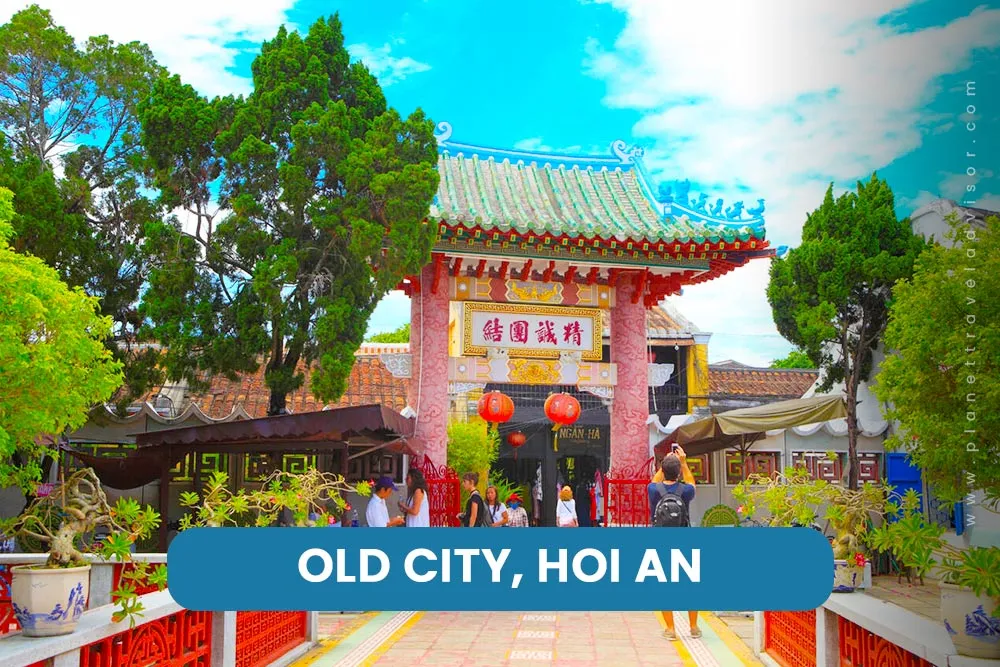
The heavy rains and stormy weather also affect the region’s most popular tourist destinations. The ancient town of Hoi An, known for its historic architecture and charming streets, is particularly prone to flooding during this time.
The rivers that flow through the area often swell, submerging streets and disrupting the town’s daily life. Similarly, access to outdoor attractions like the Marble Mountains and My Son Sanctuary can be limited due to hazardous conditions.
While central Vietnam bears the brunt of the bad weather, the effects are felt nationwide. Although cooler during this time, Northern Vietnam can also experience typhoon remnants and increased rainfall, while Southern Vietnam remains in its rainy season, with daily downpours and high humidity.
Given these conditions, October to November is widely regarded as the least favorable time to visit Vietnam, particularly for those seeking to explore the central region’s cultural and natural attractions.
To illustrate the impact of visiting Vietnam during the worst time, let’s consider a few real-life scenarios highlighting travelers' challenges during the monsoon season in October and November.
In early November 2017, Hoi An, a UNESCO World Heritage site known for its ancient streets and lantern-lit evenings, experienced severe flooding. The Thu Bon River, which runs through the town, overflowed due to incessant rains brought by Typhoon Damrey. Streets were submerged under several feet of water, and local businesses, including hotels and restaurants, were forced to close.
Tourists found themselves stranded, with many unable to leave their accommodations due to the rising waters. Those who ventured out faced knee-deep water, making exploring the town’s famous sites nearly impossible. This event is a stark reminder of how the weather can drastically alter travel plans during this period.
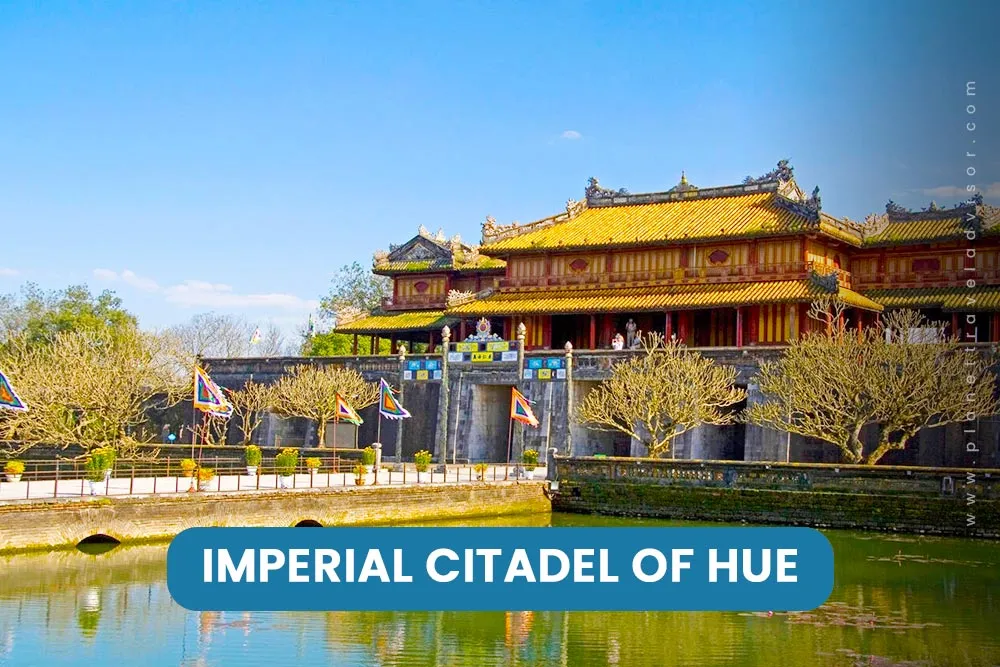
Hue, known for its historical significance as Vietnam’s former imperial capital, also faces challenges during the monsoon season. In November 2019, heavy rainfall caused flooding at the Imperial City, one of the country's most important cultural landmarks. The Citadel, normally a hub of tourist activity, became difficult to navigate due to waterlogged grounds and ongoing rain.
Tour operators had to cancel tours, and visitors were advised to avoid certain areas altogether. This significantly disrupted the travel experience, with many tourists missing out on key historical attractions.
During the 2020 monsoon season, several flights to and from Da Nang were canceled due to the arrival of Typhoon Molave. The storm brought torrential rains and strong winds, grounding flights and stranding airport travelers. Many tourists had to make alternative arrangements or wait out the storm, losing valuable vacation time.
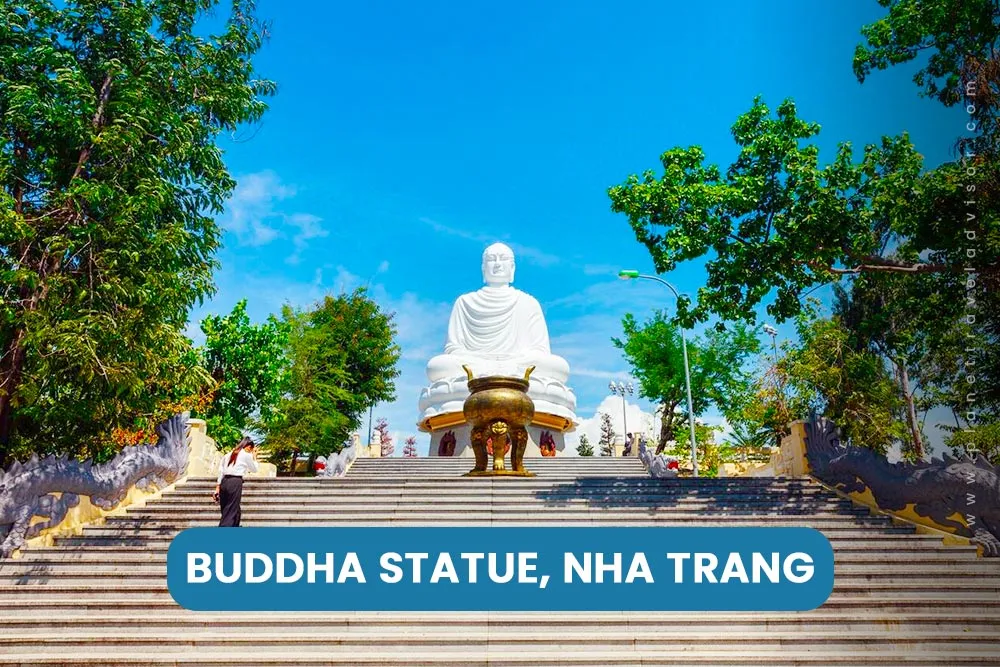
To avoid the disruptions caused by Vietnam’s monsoon season, planning your visit during alternative travel times can significantly enhance your experience. For Northern Vietnam, including cities like Hanoi and Ha Long Bay, the ideal times to visit are during spring (March to April) or autumn (September to October). These periods offer mild temperatures and relatively dry weather, making it perfect for exploring the region’s stunning landscapes and historical sites. Spring brings blooming flowers and pleasant conditions, while autumn features crisp air and clear skies, ideal for sightseeing and outdoor activities.
In Central Vietnam, which encompasses destinations like Da Nang, Hoi An, and Hue, the best time to visit is from February to August. During these months, the region experiences its dry season, characterized by warm, sunny weather that is perfect for enjoying the beautiful beaches and cultural landmarks. The absence of heavy rains or typhoons during this period ensures a more enjoyable experience for tourists, with fewer disruptions to travel plans and outdoor activities.
For Southern Vietnam, including Ho Chi Minh City and the Mekong Delta, the most favorable time to visit is from December to April. This dry season features hot but manageable temperatures, lower humidity, and minimal rainfall. It’s an excellent time to explore vibrant cities and lush river landscapes and participate in local festivals. By choosing these optimal travel periods, you can avoid the negative impacts of the monsoon season and ensure a more pleasant and memorable visit to Vietnam.
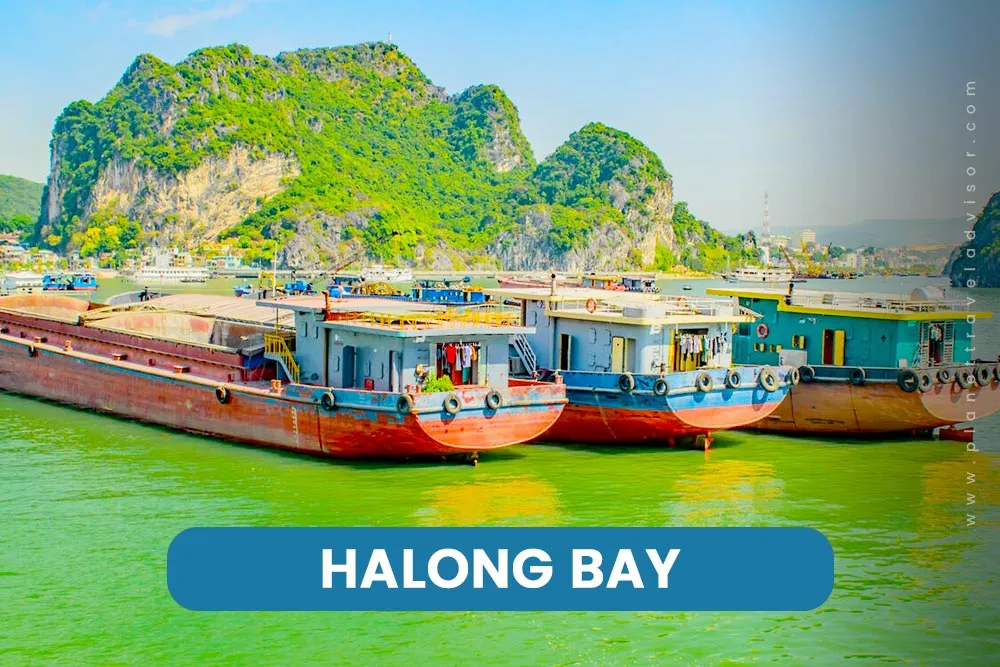
Here are some travel tips for those who must visit during the worst time:
Traveling to Vietnam during the monsoon season, particularly from October to November, poses significant challenges due to heavy rainfall and typhoons. However, with careful planning and preparation, including flexible itineraries, appropriate gear, and staying informed, you can still manage a successful trip. Understanding and adapting to the seasonal conditions allows you to navigate the weather disruptions and enjoy Vietnam’s unique offerings.
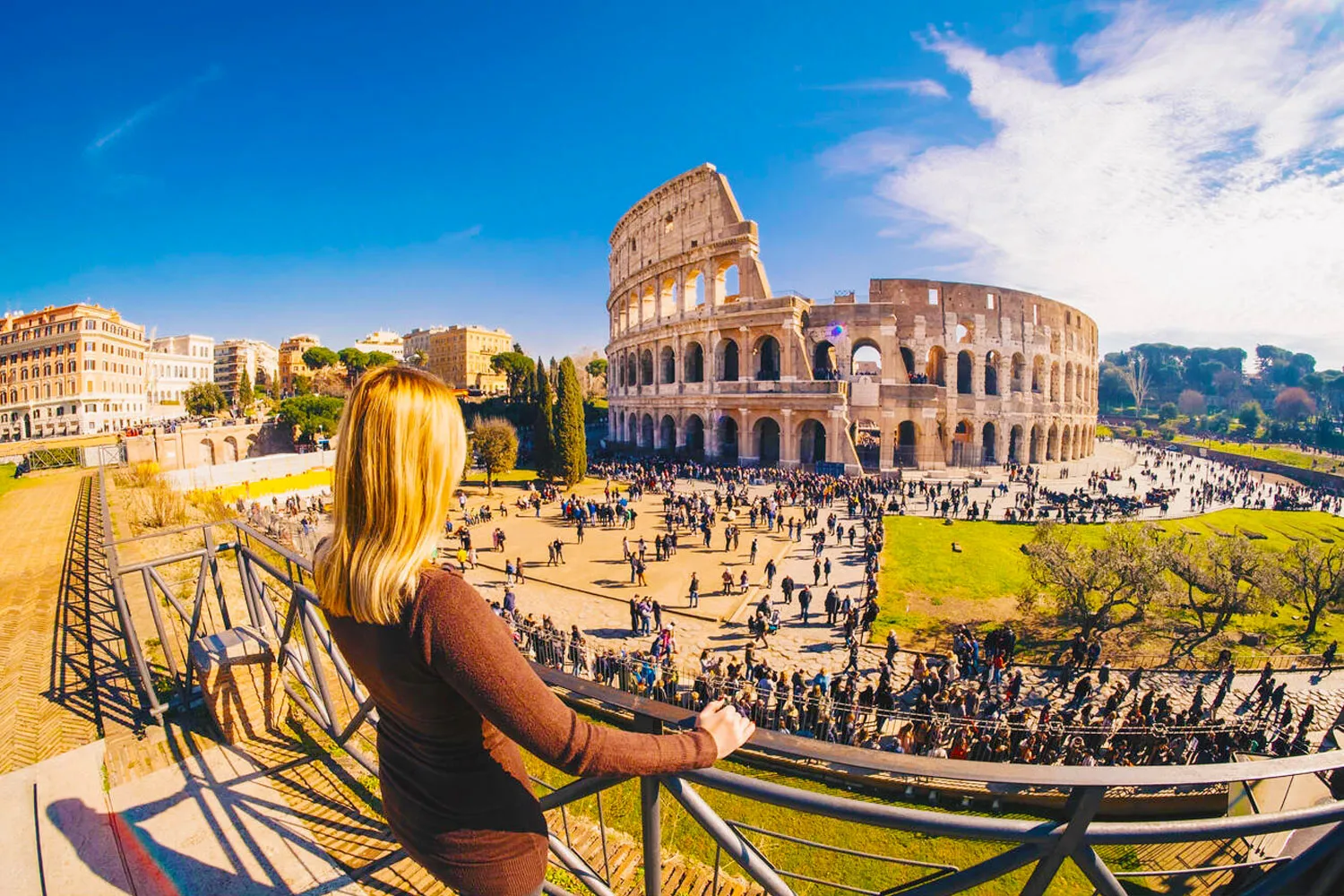


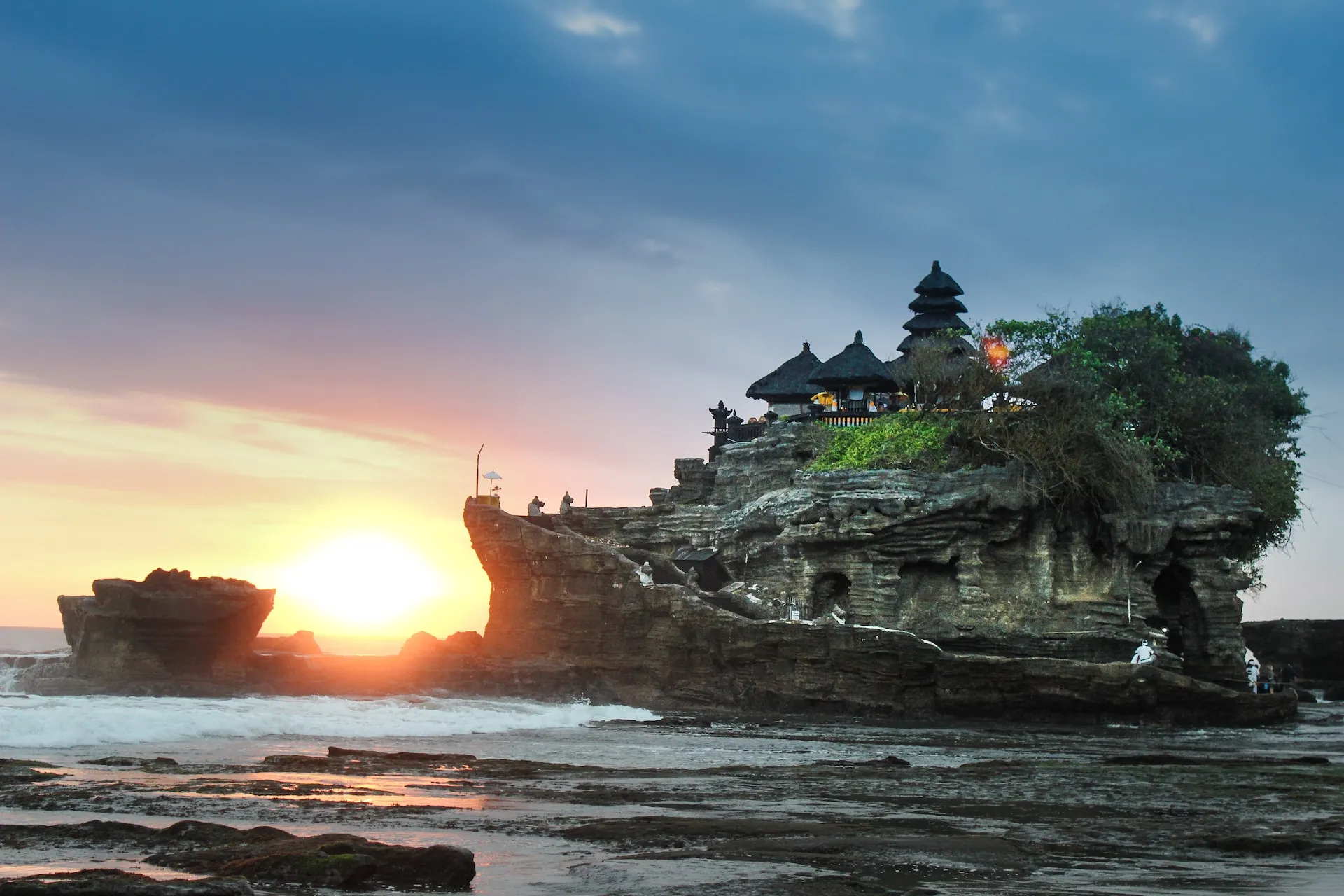
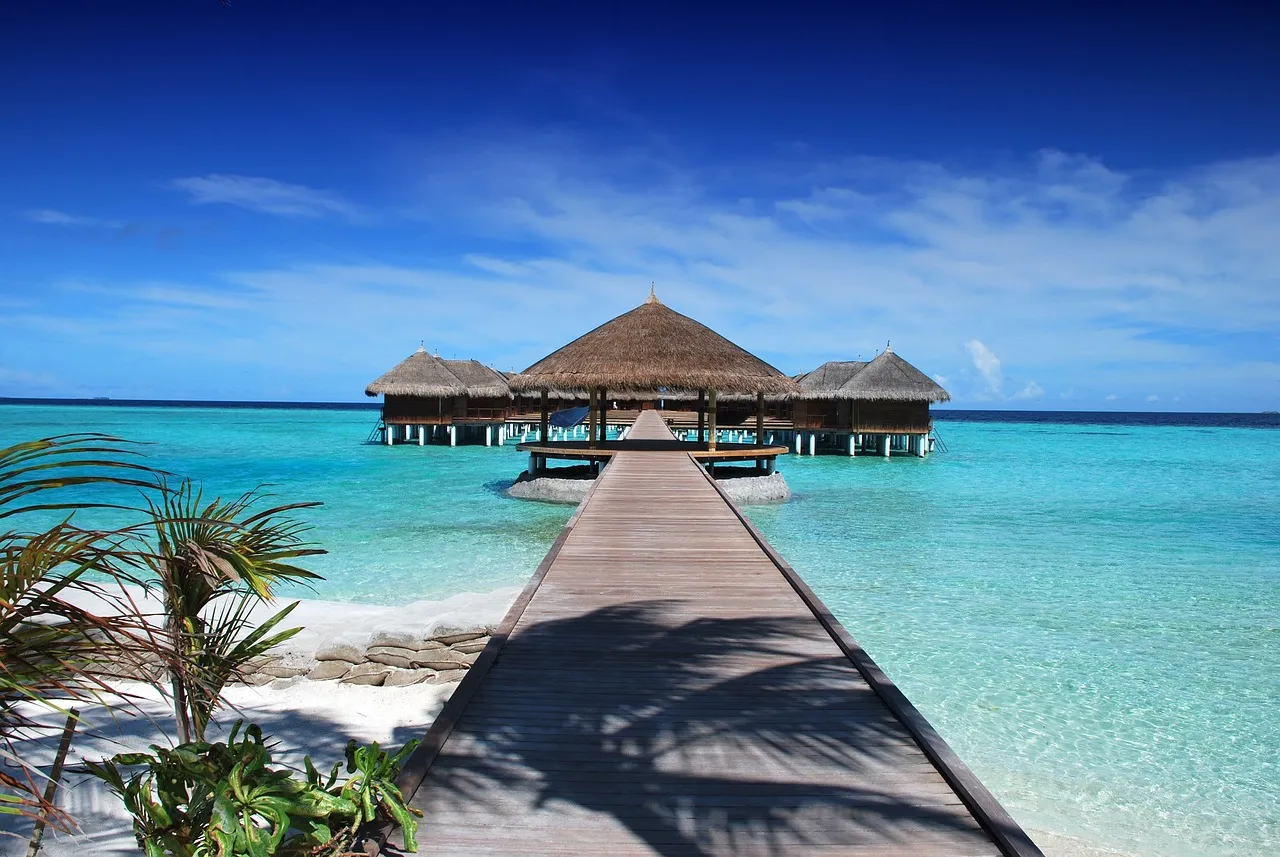
A curated list of the most popular travel packages based on different destinations.
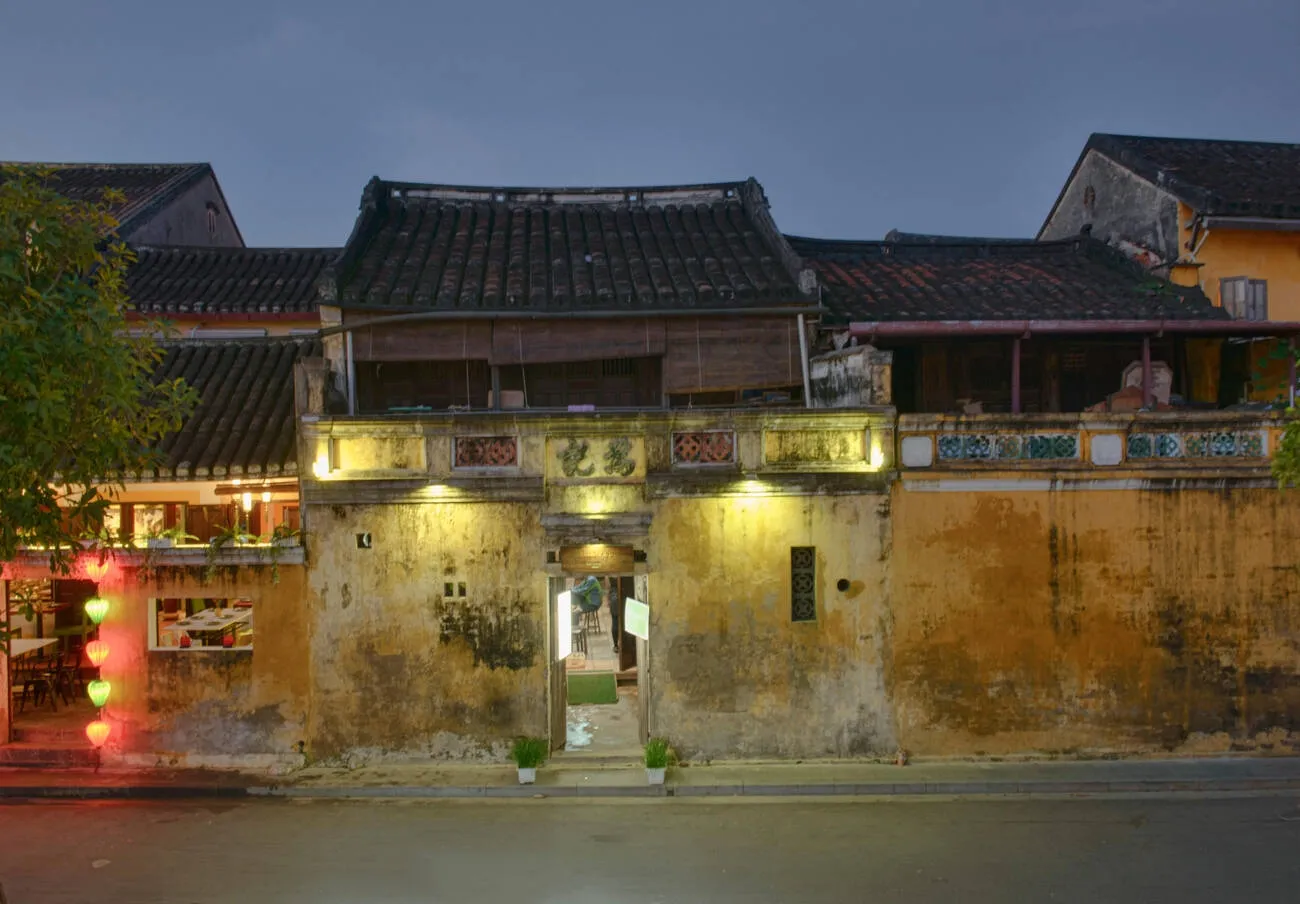
Explore Hanoi's Old Quarter, a vibrant hub of history, culture, and cuisine with iconic attractions, local markets, and the best visiting seasons.
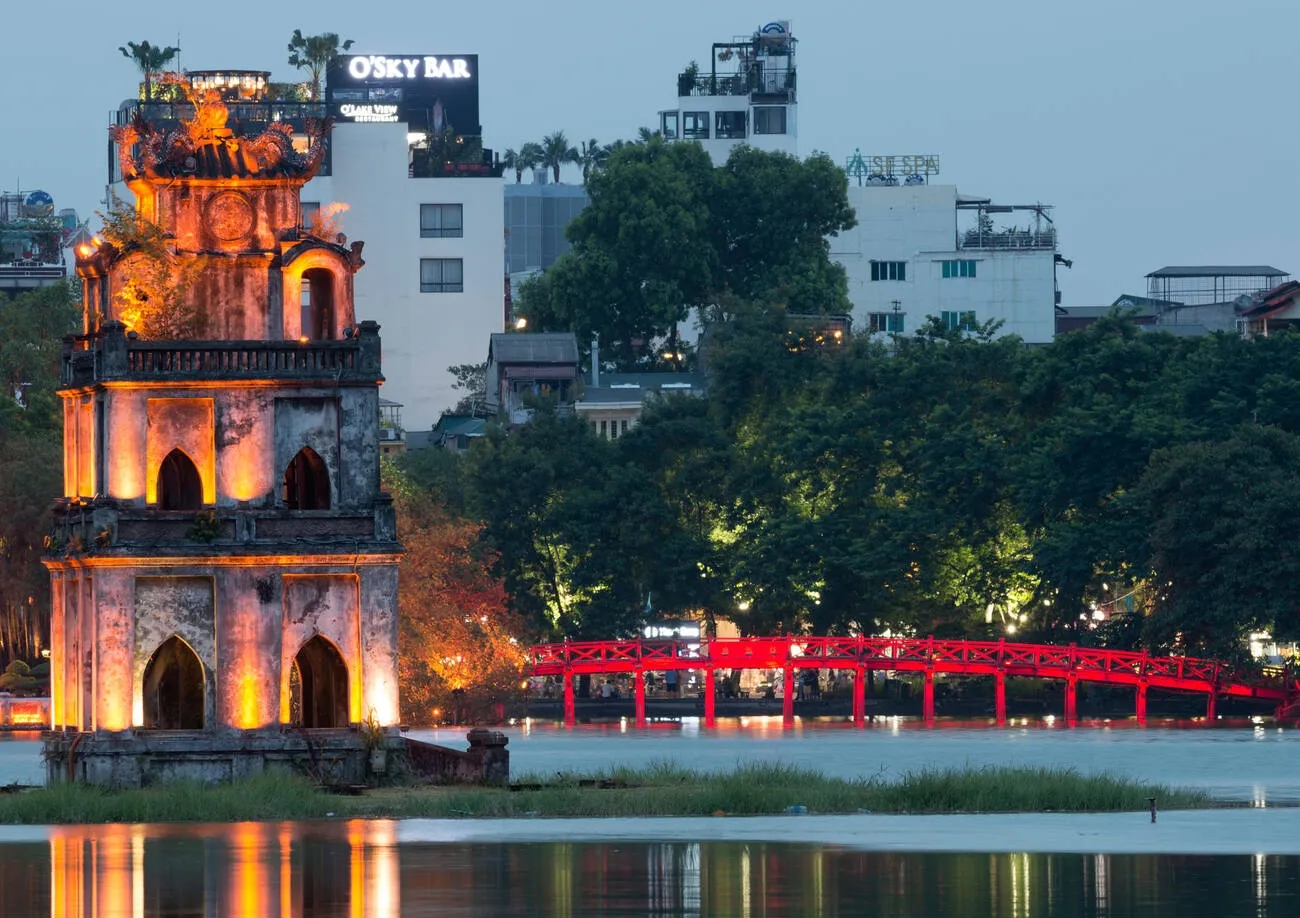
Explore Hoan Kiem Lake in Hanoi with tips on the best activities, safety, etiquette, and local cuisine for an unforgettable visit.
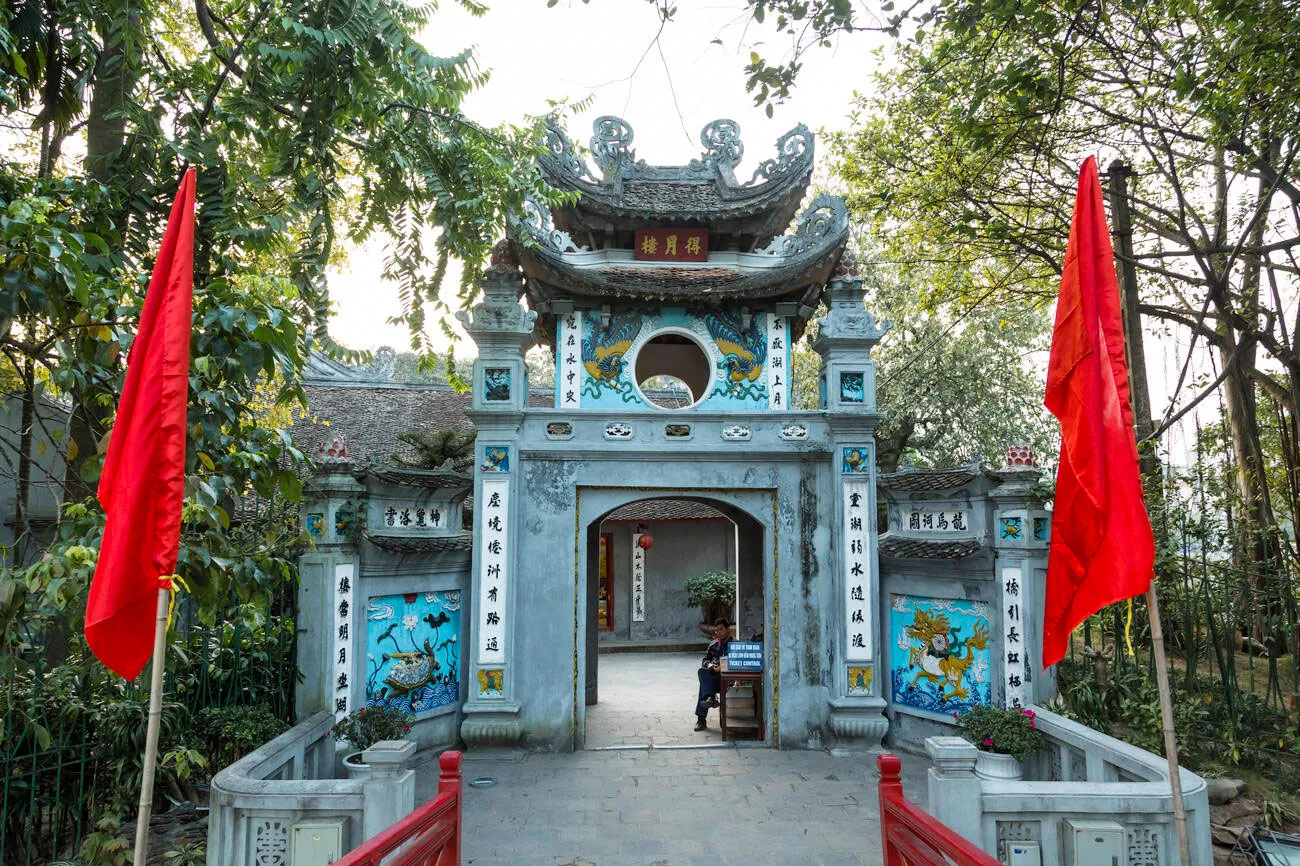
Explore Ngoc Son Temple in Hanoi's Hoan Kiem Lake. During peaceful visits, discover its history, stunning architecture, and cultural significance.
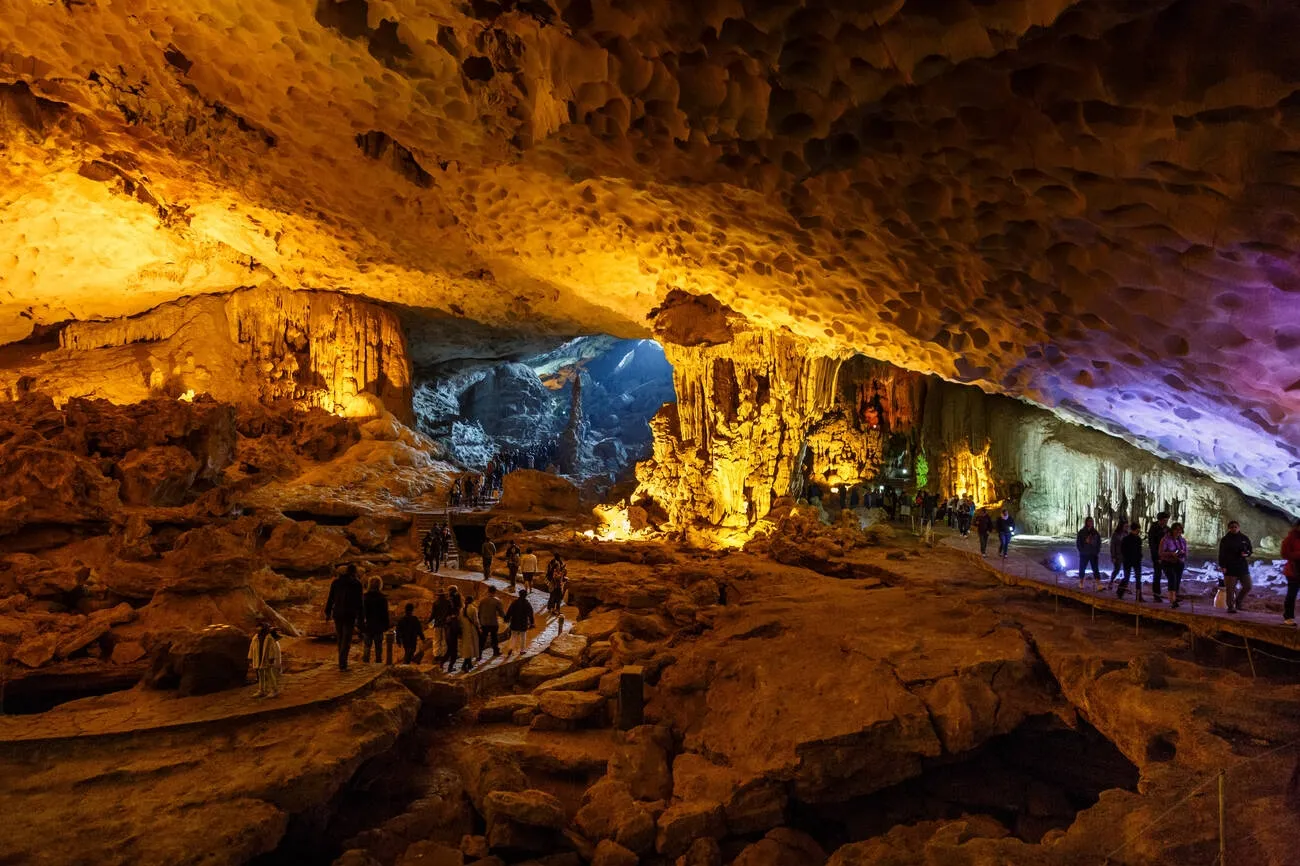
Explore Sung Sot Cave with our comprehensive guide. Learn about its history, tours, attractions, and travel tips to make your visit unforgettable.
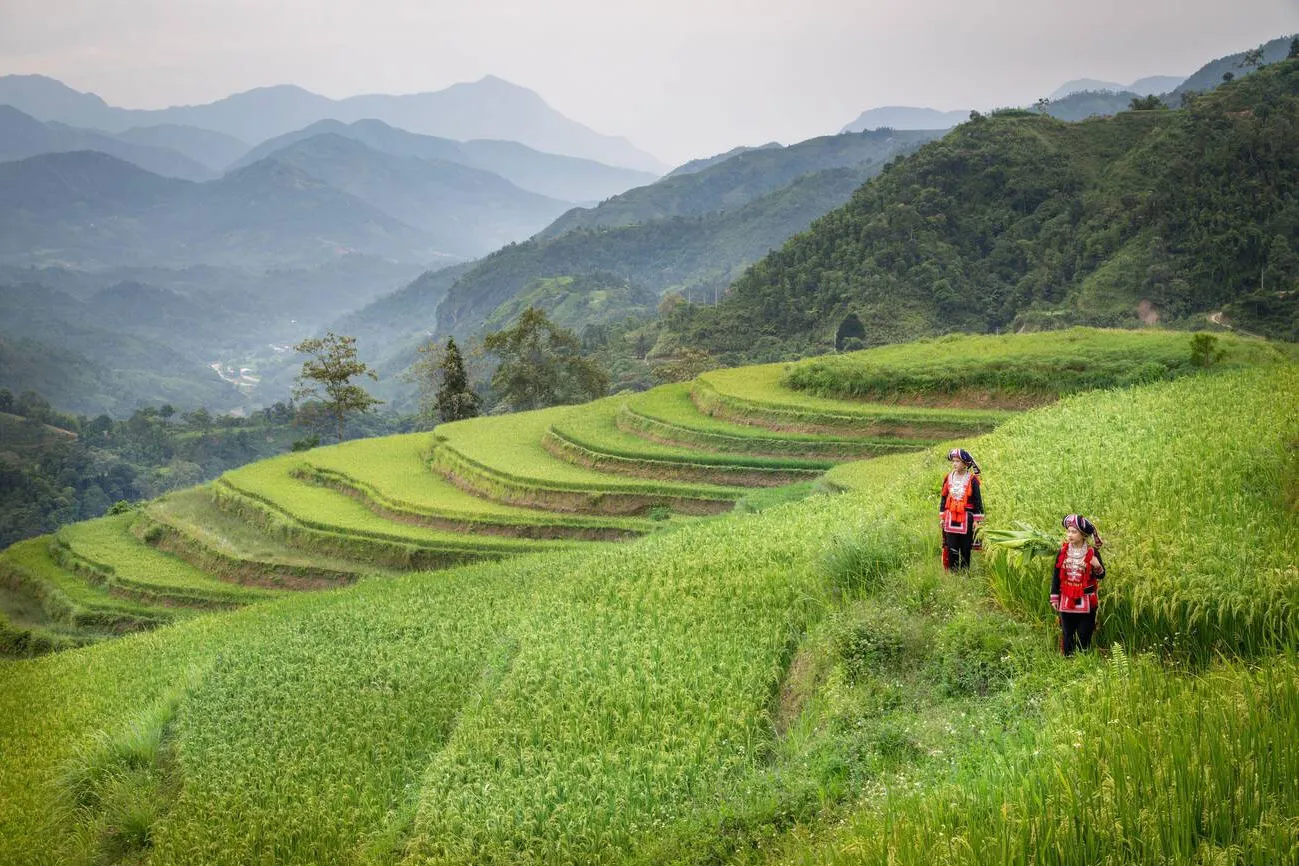
Discover rich traditions, attire, and crafts in Dzay Ethnic Minority Villages. Experience warm hospitality, lush landscapes, and timeless cultural rituals.
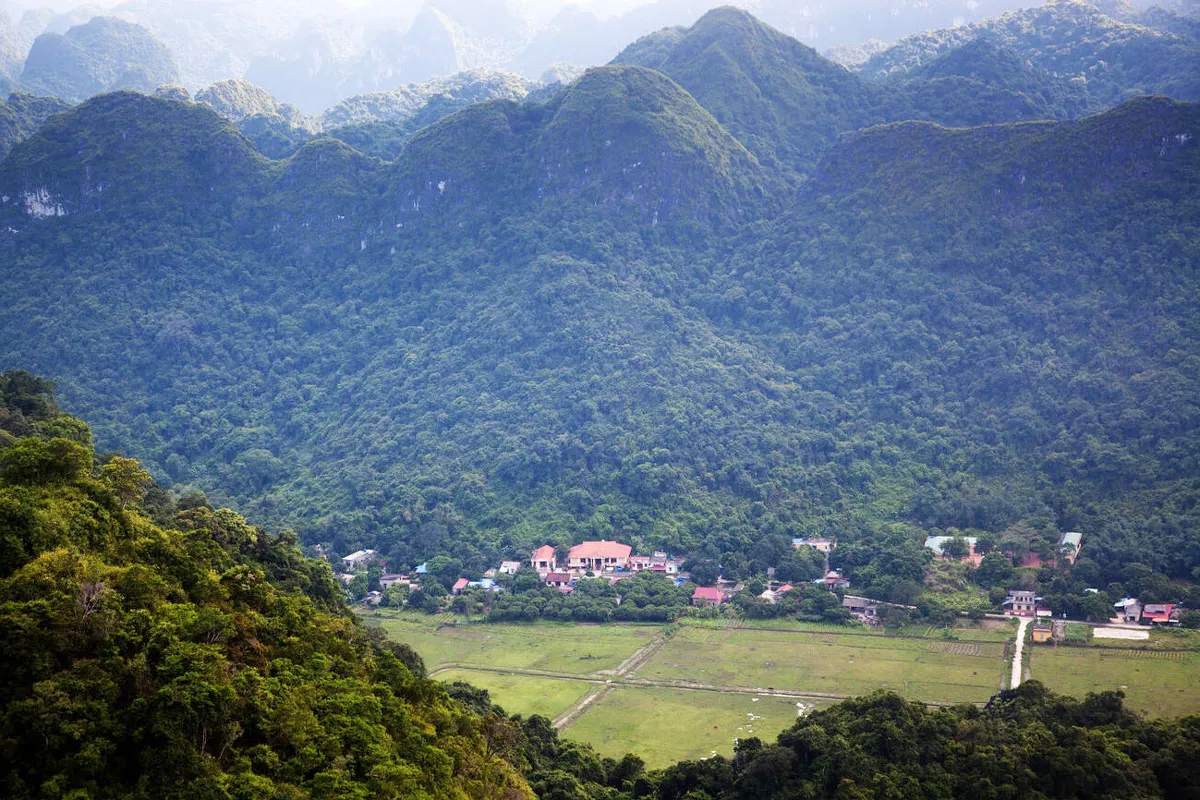
Discover Viet Hai Village, a picturesque destination offering rich culture, stunning landscapes, and memorable activities. Plan your perfect visit today!
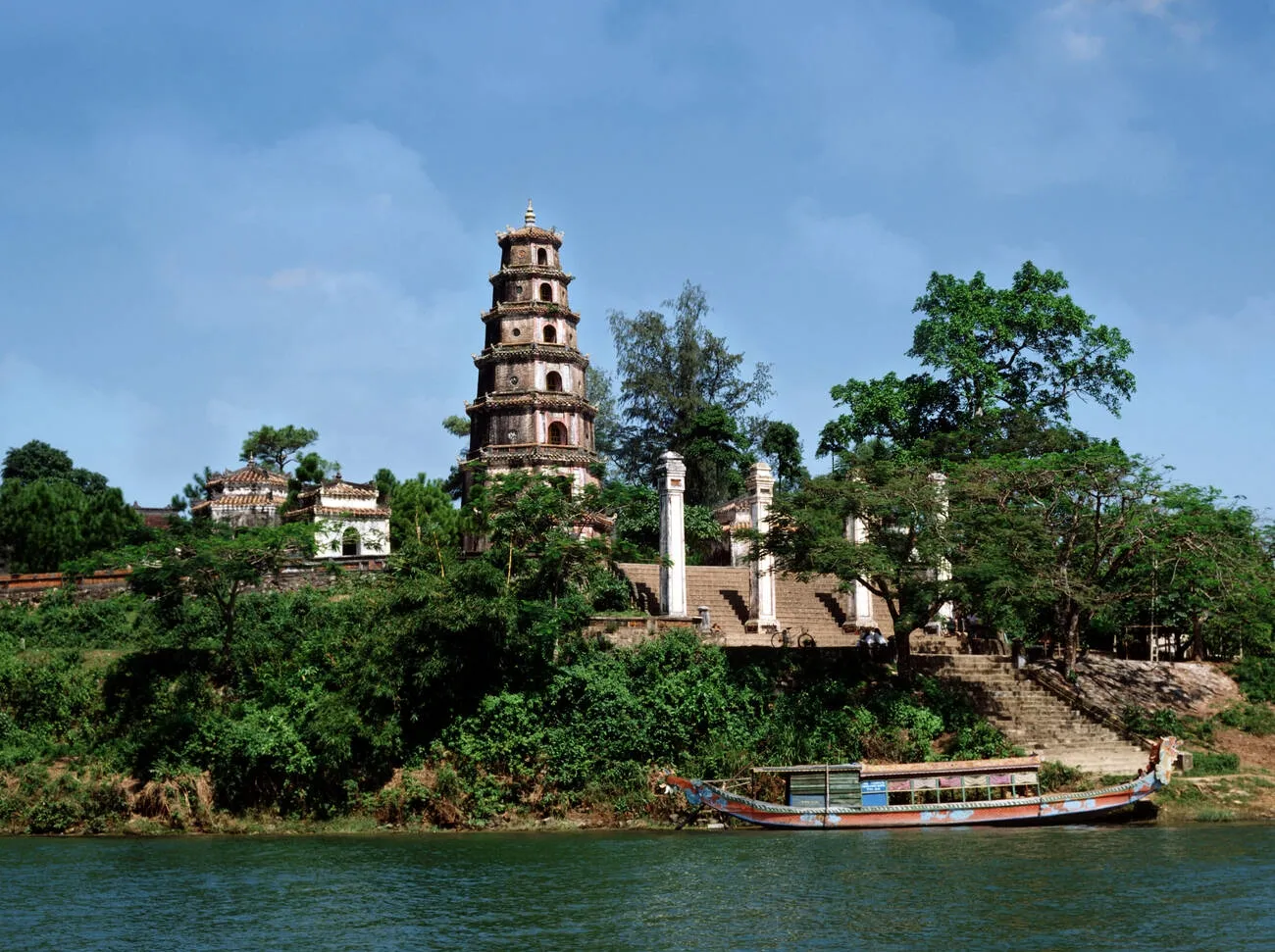
Uncover the beauty and history of Thien Mu Pagoda in Hue. Your comprehensive travel guide to Vietnam’s iconic spiritual landmark awaits.
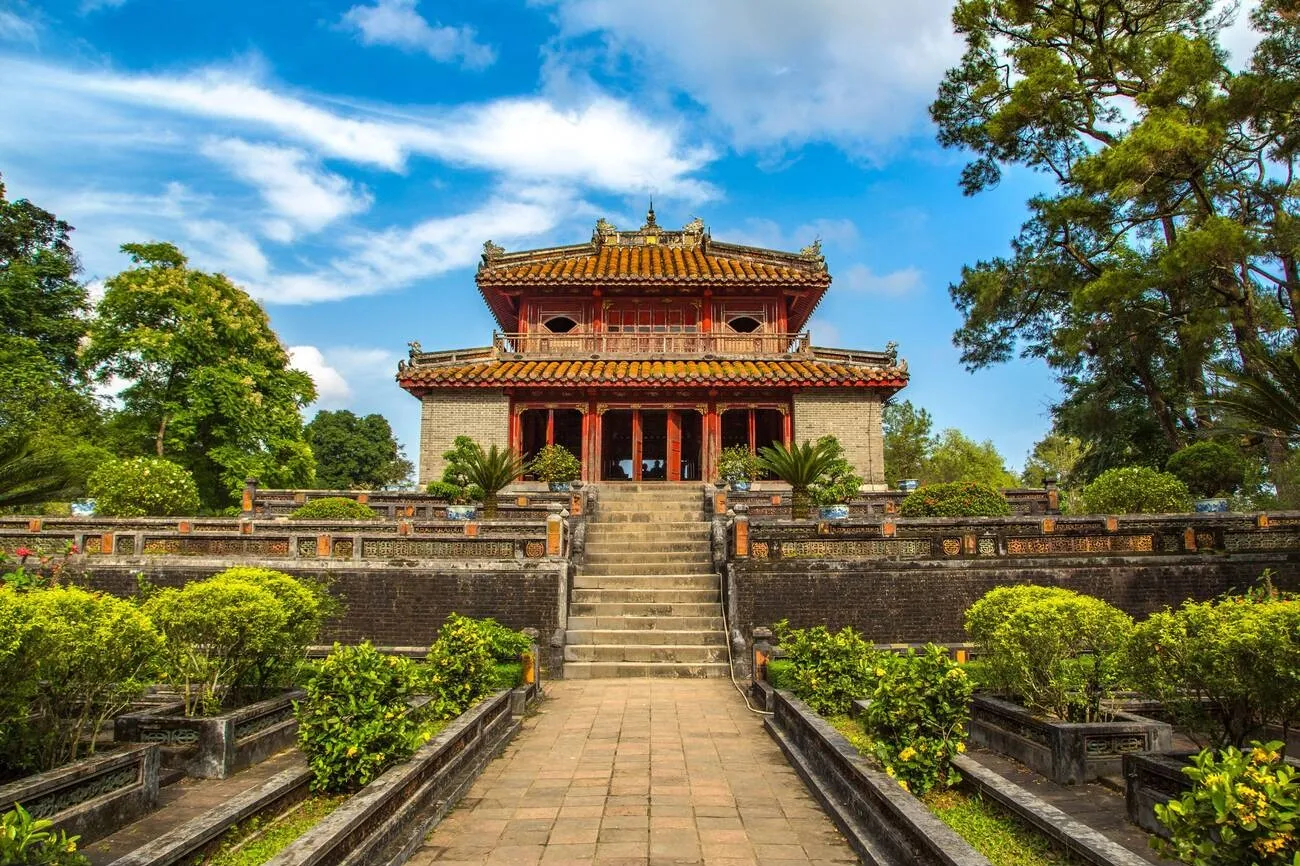
Explore the Minh Mang Tomb travel guide in Vietnam. Learn about its history, architecture, and key attractions for an unforgettable visit.
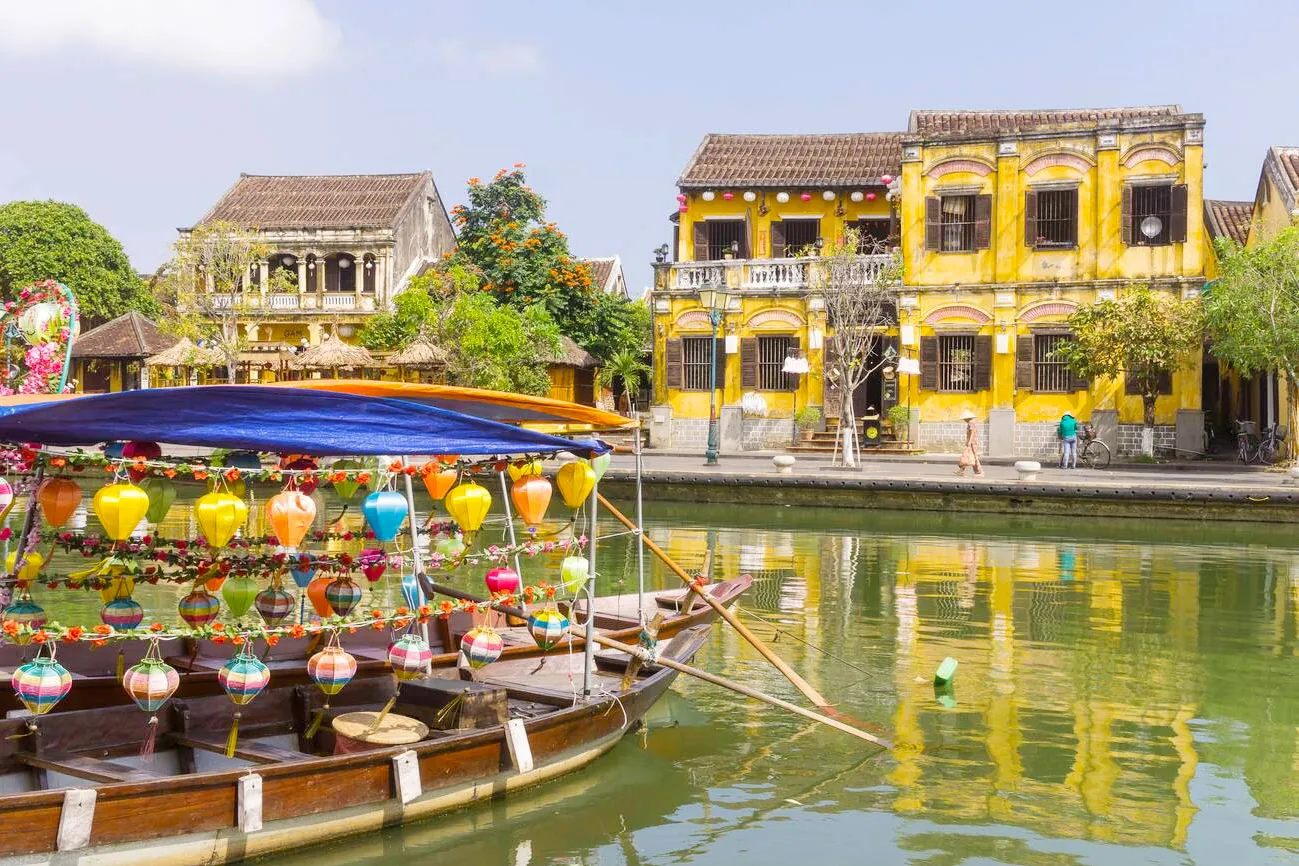
Experience the charm of Hoi An Ancient Town in Vietnam. Discover its rich history, vibrant culture, and stunning architecture in our comprehensive guide.
Journey through time at Tam Ky Ancestral House, a cultural treasure featuring stunning architecture, rich heritage, and an unforgettable Vietnamese legacy.
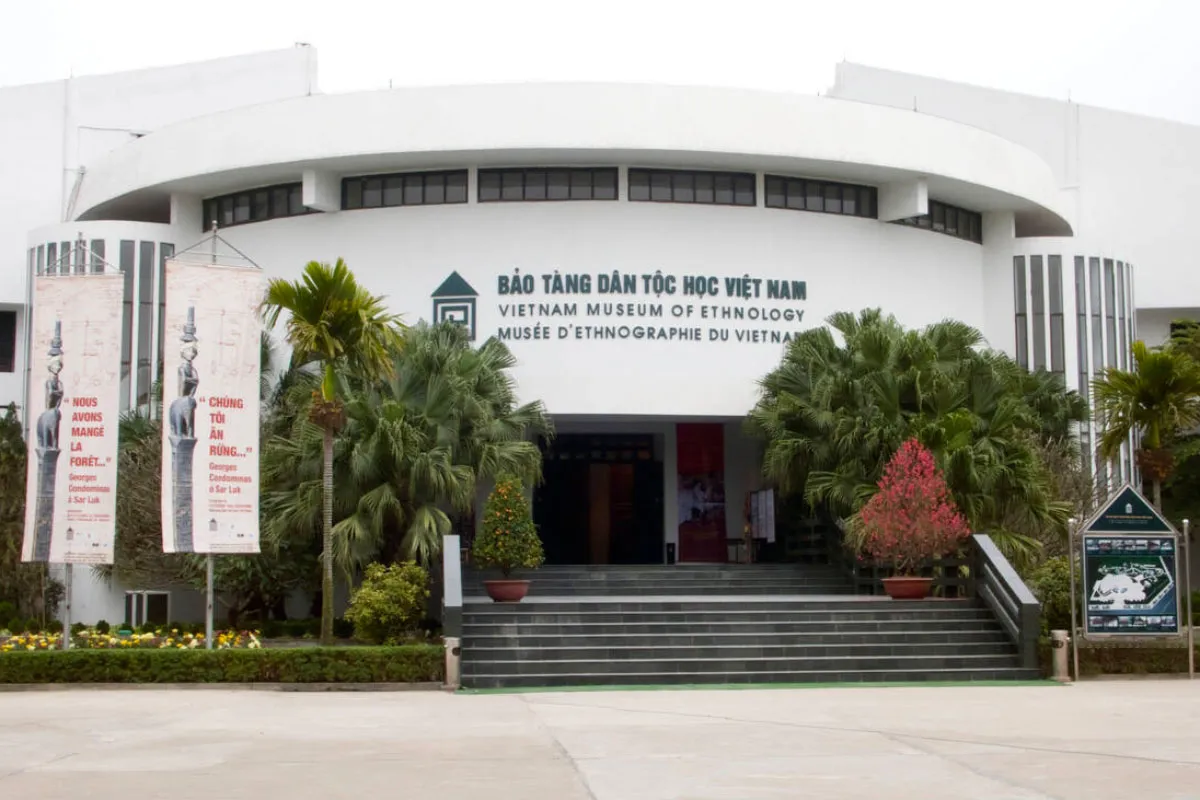
Explore the Ethnology Museum in Vietnam, a cultural gem showcasing the traditions of 54 ethnic groups. A must-visit in Hanoi.
Explore the Ho Chi Minh Complex, a key landmark in Vietnam. Discover its history, main sites, and cultural importance in the nation's heritage.
We go beyond just booking trips—we create unforgettable travel experiences that match your dreams!


This trip exceeded all our expectations. We booked the "Discover Vietnam on a 21 Day Journey" package and were impressed by how professionally everything was arranged. The itinerary gave us enough time to enjoy Vietnam without feeling rushed, and all transfers and day tours ran on time. The communication before arrival was clear and helpful, which made planning much easier. What we appreciated most was the balance between guided sightseeing and free time, so the whole trip felt comfortable and enjoyable. If you are looking for a reliable way to explore Vietnam, this is a great option. We would absolutely recommend it to anyone visiting this destination.
We loved how easy and enjoyable this entire experience was. We booked the "2 Day Tour to Troy and Gallipoli from Istanbul" package and were impressed by how professionally everything was arranged. The itinerary gave us enough time to enjoy Istanbul, Gallipoli, and Troy without feeling rushed, and all transfers and day tours ran on time. The communication before arrival was clear and helpful, which made planning much easier. What we appreciated most was the balance between guided sightseeing and free time, so the whole trip felt comfortable and enjoyable. If you are looking for a reliable way to explore Turkey, this is a great option. We came home with amazing memories and would book again.
We loved how easy and enjoyable this entire experience was. We booked the "8 Days Gallipoli, Pergamum, Pamukkale, Ephesus & Cappadocia Tour" package and were impressed by how professionally everything was arranged. The itinerary gave us enough time to enjoy Cappadocia, Ephesus, Pamukkale, Gallipoli, and Pergamum without feeling rushed, and all transfers and day tours ran on time. The communication before arrival was clear and helpful, which made planning much easier. What we appreciated most was the balance between guided sightseeing and free time, so the whole trip felt comfortable and enjoyable. If you are looking for a reliable way to explore Turkey, this is a great option. We came home with amazing memories and would book again.
One of the smoothest tours we have ever booked. We booked the "8 Days Nha Trang Beach Escape" package and were impressed by how professionally everything was arranged. The itinerary gave us enough time to enjoy Nha Trang without feeling rushed, and all transfers and day tours ran on time. The communication before arrival was clear and helpful, which made planning much easier. What we appreciated most was the balance between guided sightseeing and free time, so the whole trip felt comfortable and enjoyable. If you are looking for a reliable way to explore Vietnam, this is a great option. It was the perfect mix of sightseeing, comfort, and great logistics.
Everything about this package felt thoughtfully planned. We booked the "6 Days Exploring Istanbul Cappadocia and Pamukkale" package and were impressed by how professionally everything was arranged. The itinerary gave us enough time to enjoy Istanbul, Cappadocia, and Pamukkale without feeling rushed, and all transfers and day tours ran on time. The communication before arrival was clear and helpful, which made planning much easier. What we appreciated most was the balance between guided sightseeing and free time, so the whole trip felt comfortable and enjoyable. If you are looking for a reliable way to explore Turkey, this is a great option. The guides, transfers, and pacing all worked together perfectly.











Comments (02)
Mr. Bowmik Haldar,
05 June, 2024Outstanding News & Insight! Thank you so much for sharing like this article
Jacoline Juie,
05 June, 2023However, here are some well-regarded car dealerships known for their customer service, inventory, and overall reputation. It's always a good idea to research and read reviews specific...
Leave Your Comment: