 Visit Turkey
 Visit Vietnam
 Visit Cambodia
 Visit Dubai
 Visit Jordan


 English
 Dutch
Dutch Japanese
 Korean
 Chinese












First-Time Traveler's Guide to Hoan Kiem Lake, Hanoi
Explore Hoan Kiem Lake in Hanoi with tips on the best activities, safety, etiquette, and local cuisine for an unforgettable visit.



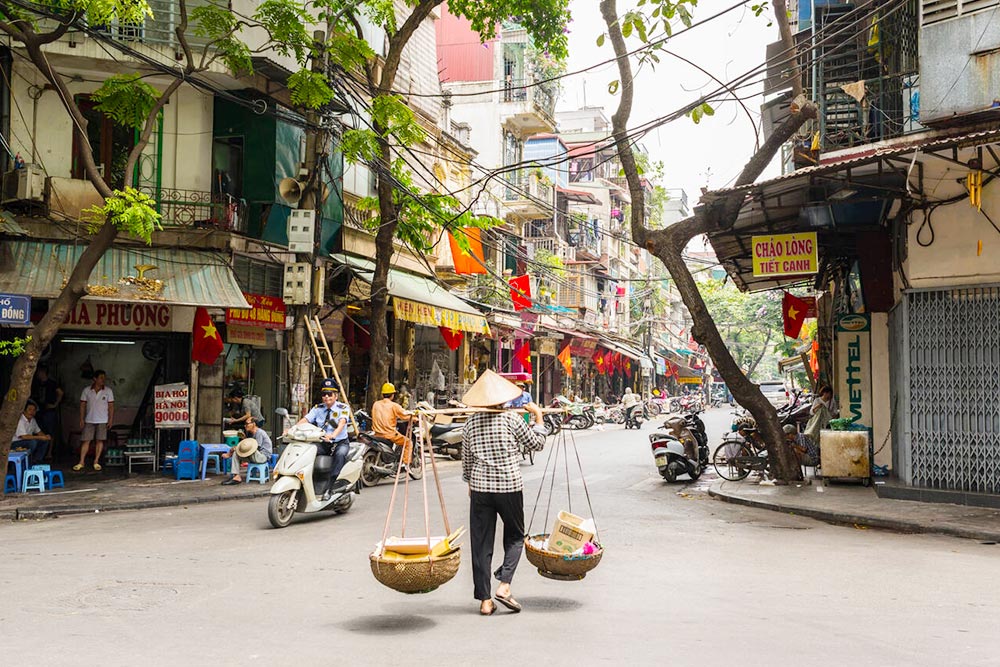
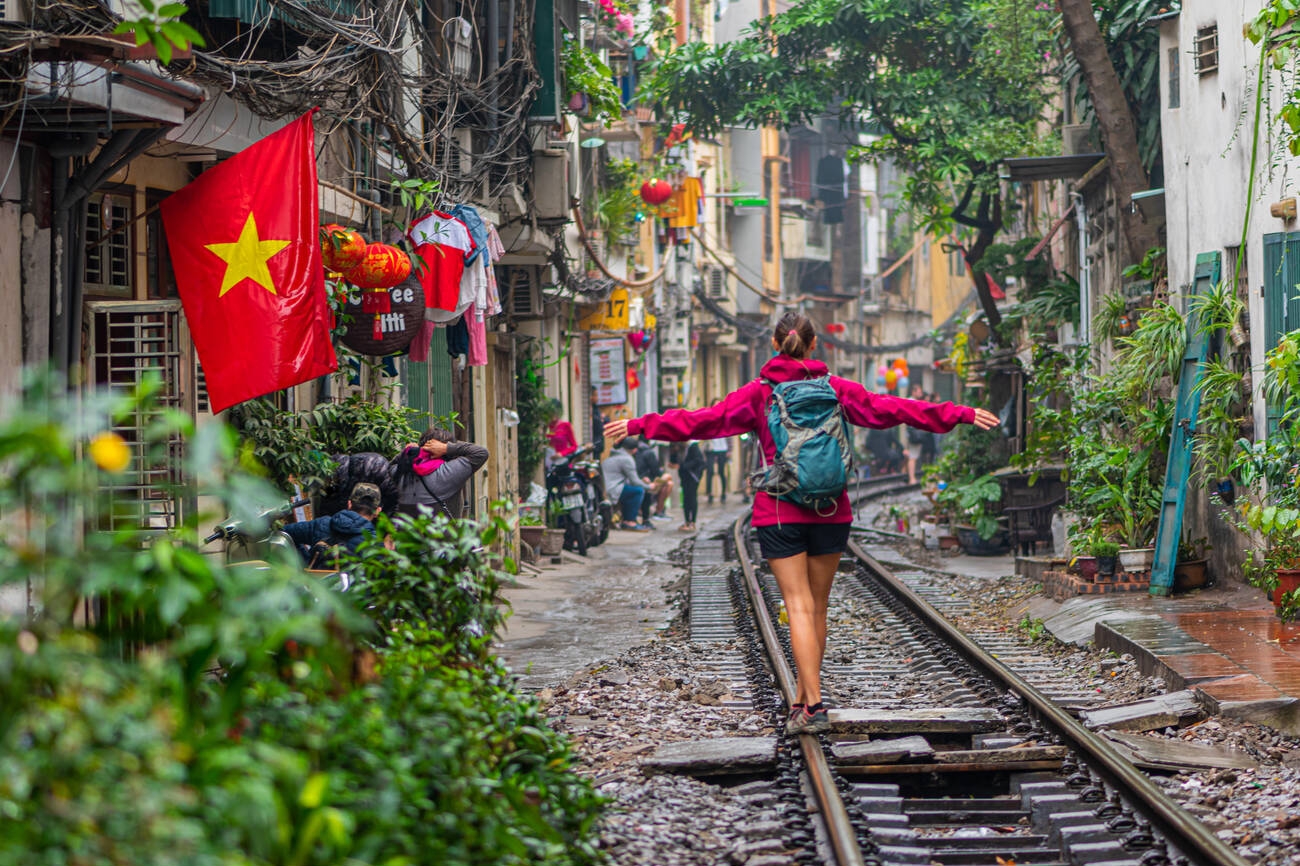
Hanoi's Old Quarter, a bustling tapestry of history, culture, and tradition, is one of the must-visit destinations for anyone traveling to Vietnam. Nestled in the heart of Hanoi, this historic enclave boasts narrow streets with centuries-old architecture, vibrant markets, and authentic Vietnamese cuisine. Once the bustling center of trade, the Old Quarter has retained its charm and character, showcasing the city’s rich heritage and dynamic spirit.
Visiting the Old Quarter offers an immersive experience that transports you through time. Ancient temples coexist with modern cafes and street vendors. Each corner reveals a story, from the tranquil waters of Hoan Kiem Lake to the lively atmosphere of the night market, making it an essential stop for history enthusiasts and casual tourists alike.
This article aims to guide you through the many attractions of Hanoi's Old Quarter, highlighting its key historical sites, culinary delights, and unique cultural experiences that contribute to the vibrant essence of this fascinating urban area.
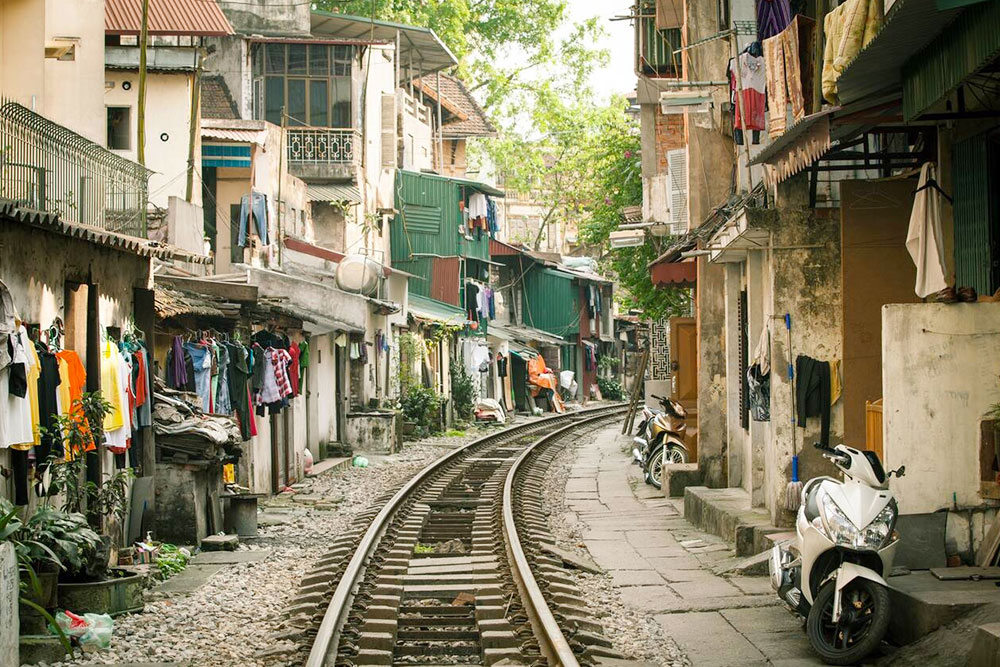
Hanoi Old Quarter has a rich and diverse history that dates back over a thousand years, making it one of Vietnam's most significant cultural landmarks. Initially established in the 11th century during the Ly Dynasty, the area was designed as a commercial hub, flourishing with trade and craftsmanship. The Old Quarter was initially organized around guilds, each specializing in specific crafts or goods, resulting in distinct streets catering to artisans and merchants alike.
As Vietnam transitioned through various dynasties, the Old Quarter continued to evolve. The architecture reflects different historical influences, including French colonial styles introduced during the 19th century. Many of the homes in the Old Quarter showcase traditional Vietnamese architecture characterized by narrow facades and deep interiors, which were optimized for both living space and commerce. Street names, such as Hang Bac (Silver Street) and Hang Gai (Silk Street), pay homage to the traditional trades that defined each area.
During the colonial period, the Old Quarter experienced significant urban development, transforming into a melting pot of Vietnamese and French cultures. This period saw the emergence of cafes, hotels, and widening avenues, which adapted to the influx of European influences while retaining local traditions. However, the Old Quarter's essence remained rooted in its history as a bustling trade center.
The Vietnam War (1955-1975) brought further changes to the Old Quarter, as many buildings were repurposed, and the area became a focal point for political activities. In the years following the war, efforts began to preserve this iconic area's cultural and historical significance.
While the Old Quarter is quite walkable, it can be overwhelming due to its narrow streets and bustling crowds. Here are some transportation options:
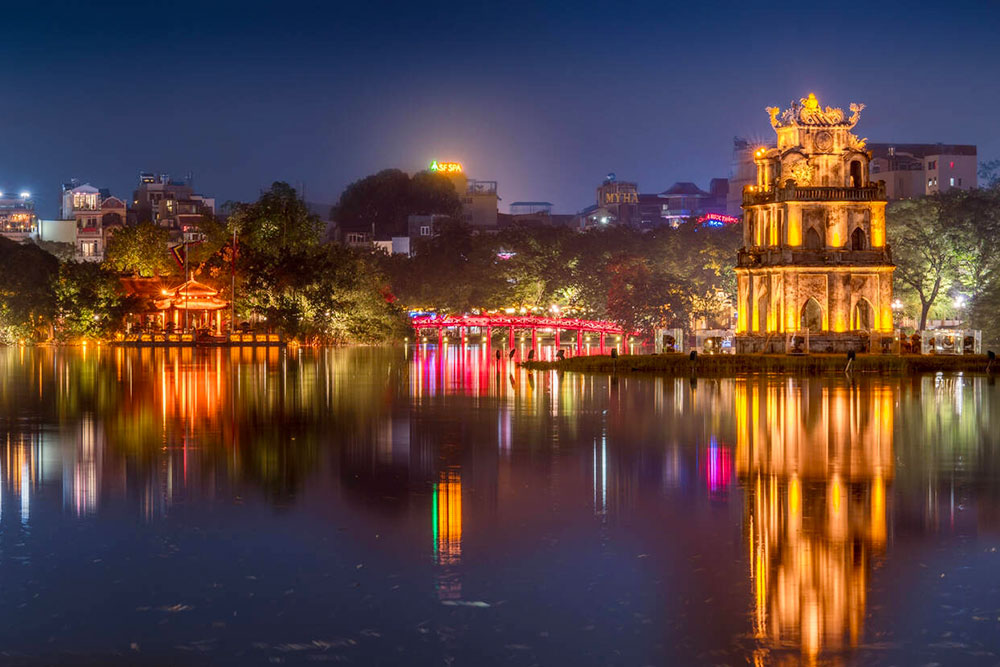
Hanoi Old Quarter is a treasure trove of attractions that encapsulate the city's historical charm and vibrant culture. From scenic lakes to ancient temples, the Old Quarter offers a rich tapestry of experiences that beckon visitors to explore its many wonders. Here are some of the key attractions in the area:
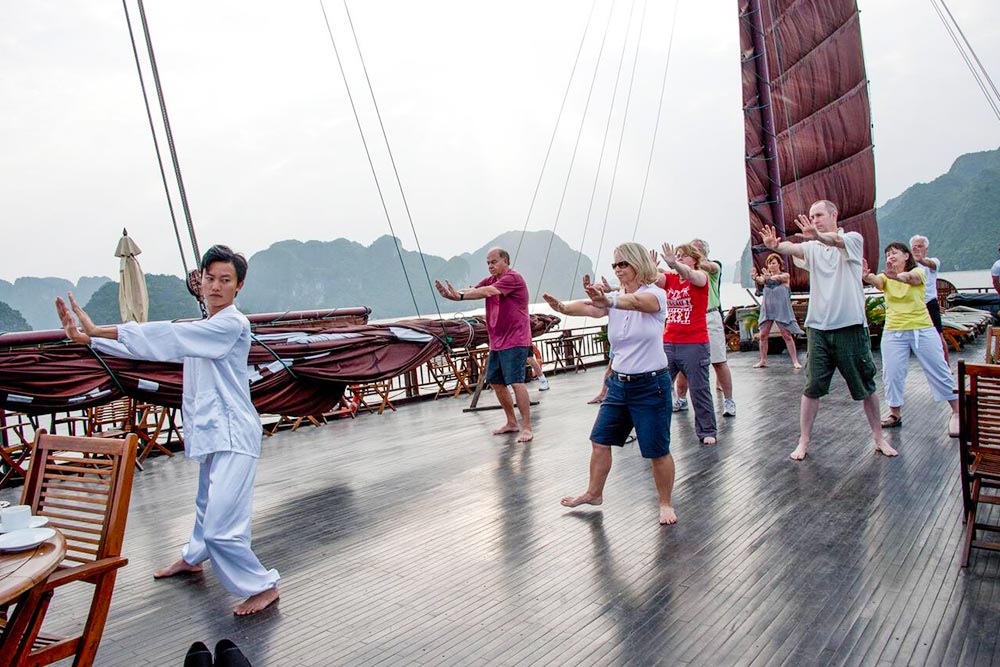
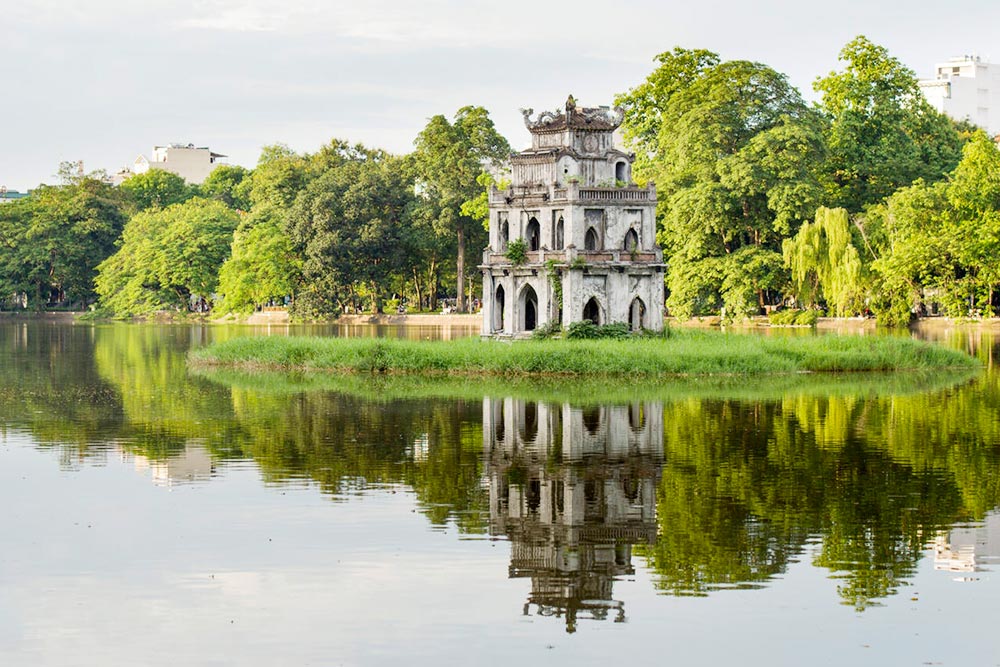
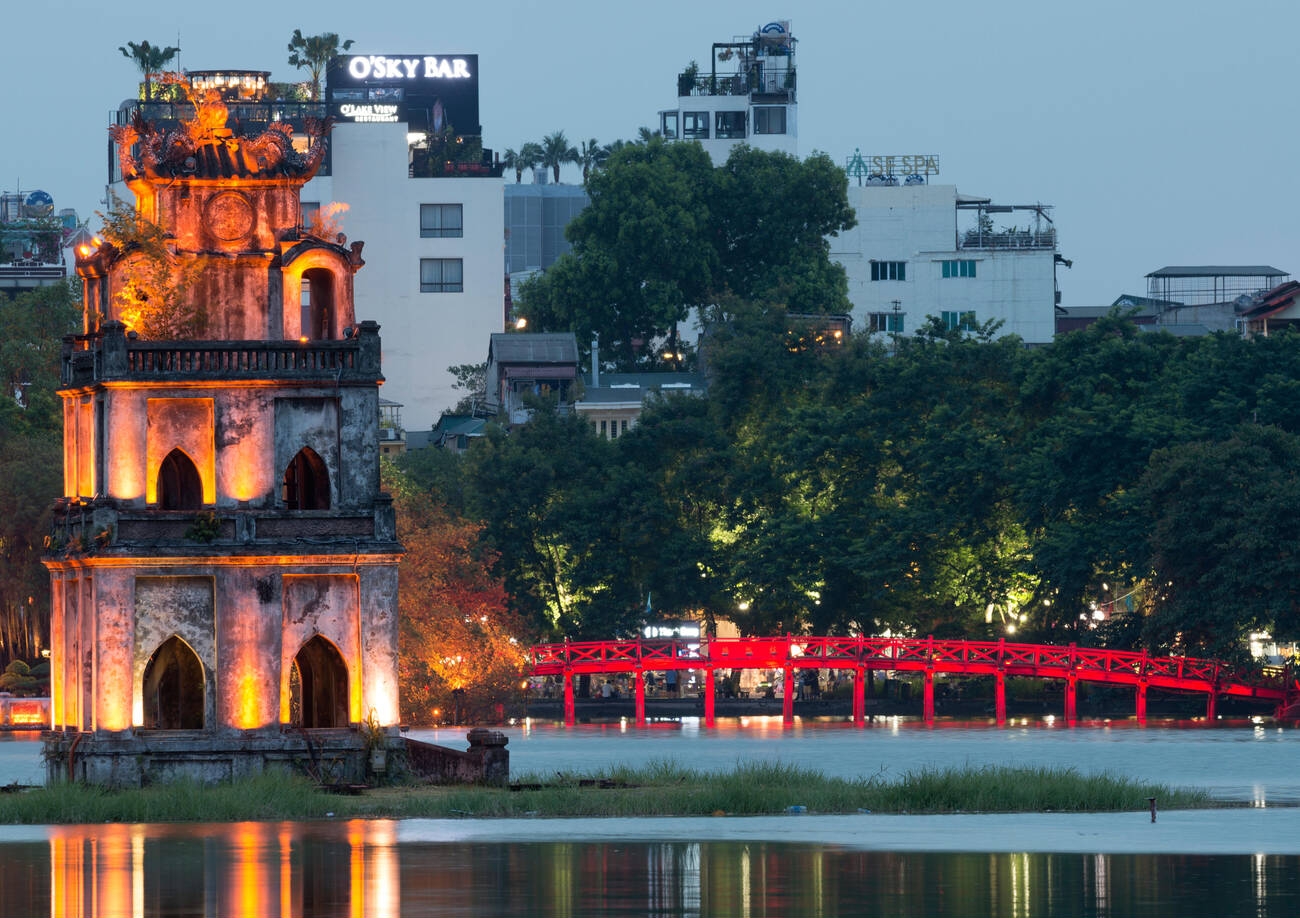
Hoan Kiem Lake, often considered the heart of Hanoi, is a picturesque body of water surrounded by lush greenery and teeming with local life. It is a popular gathering spot for residents and tourists, especially in the early morning when locals practice tai chi along its shores. Legend has it that the lake is home to a mystical turtle, symbolizing peace and prosperity. Visitors can enjoy leisurely walks along the promenade and admire the stunning views, particularly of the Ngoc Son Temple, which sits on an islet in the lake.
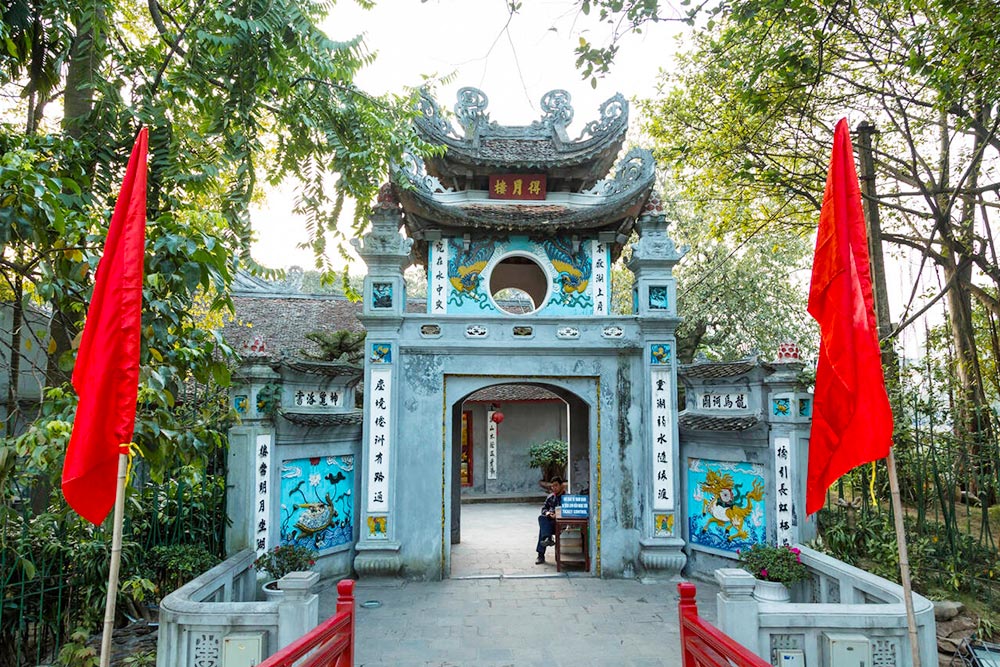
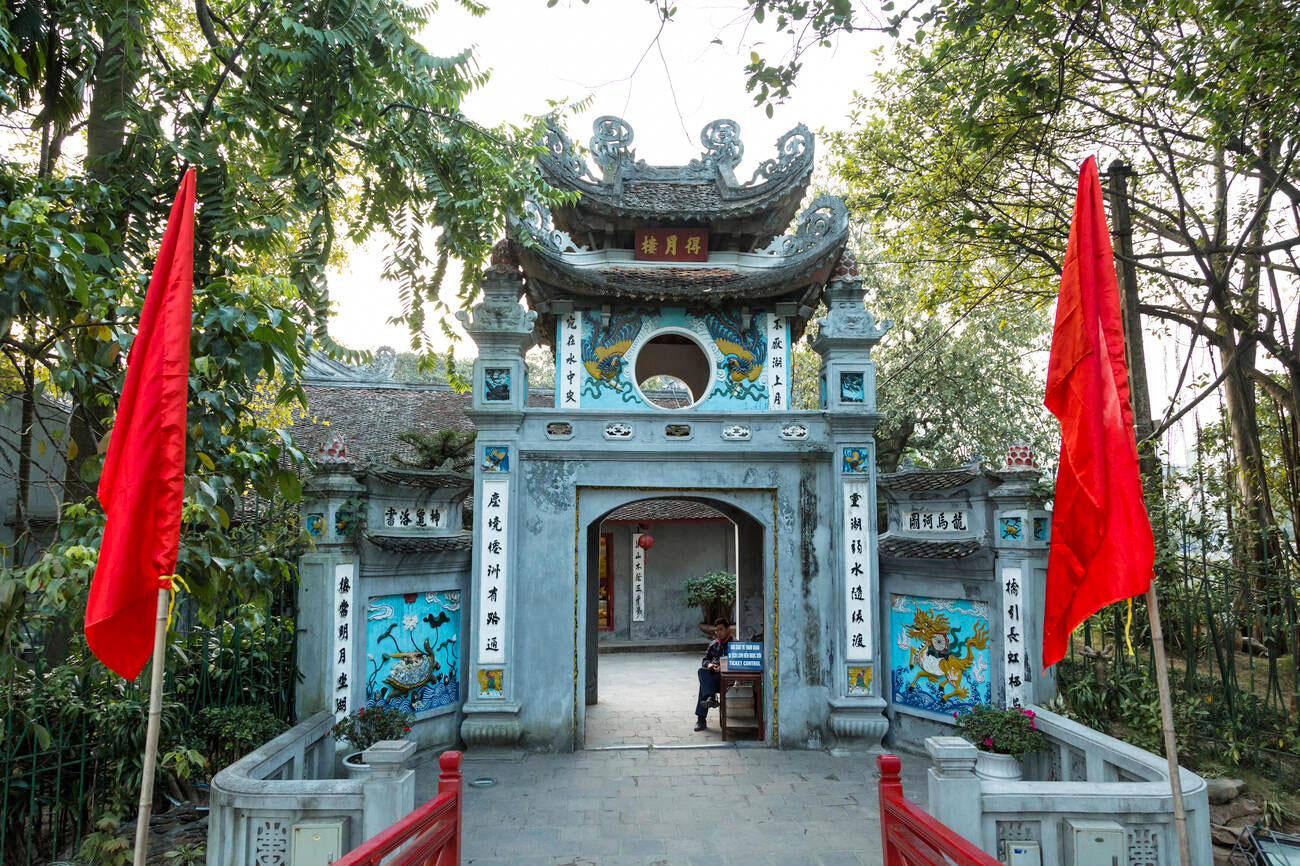
Situated on Hoan Kiem Lake, Ngoc Son Temple is a serene retreat dedicated to the deity Tran Hung Dao, celebrated for defeating invading forces. Accessed via a charming wooden bridge, this temple offers a glimpse into Vietnam's spiritual heritage. The temple grounds feature elaborate decorations, peaceful gardens, and insightful Vietnamese history and culture displays. It is an ideal spot for reflection and offers beautiful lake views, making it a highlight for visitors exploring the Old Quarter.
St. Joseph’s Cathedral is a magnificent example of neo-Gothic architecture and a testament to the French colonial period in Vietnam. Built in 1886, the cathedral features stunning stained-glass windows and tall spires reaching the sky. It is an important religious site for the local Catholic community and an architectural landmark attracting photographers and enthusiasts. Visitors can attend mass or admire the majestic structure and its beautiful surroundings, which include bustling streets and local cafes.
The Thang Long Water Puppet Theatre offers an enchanting cultural experience showcasing traditional Vietnamese water puppetry art. This unique form of storytelling dates back to the 11th century and employs puppets that glide across the water to depict folklore, legends, and rural life. The performances are accompanied by live traditional music, enriching the captivating visual experience. Attending a show at this theatre provides insight into Vietnamese heritage and is a delightful way to spend an evening in the Old Quarter.
These attractions provide a glimpse into Hanoi Old Quarter's historical and cultural significance, showcasing the area’s unique blend of tradition and modernity. Whether wandering through serene temples, enjoying cultural performances, or soaking in the tranquil beauty of Hoan Kiem Lake, the Old Quarter offers countless opportunities for exploration and discovery.
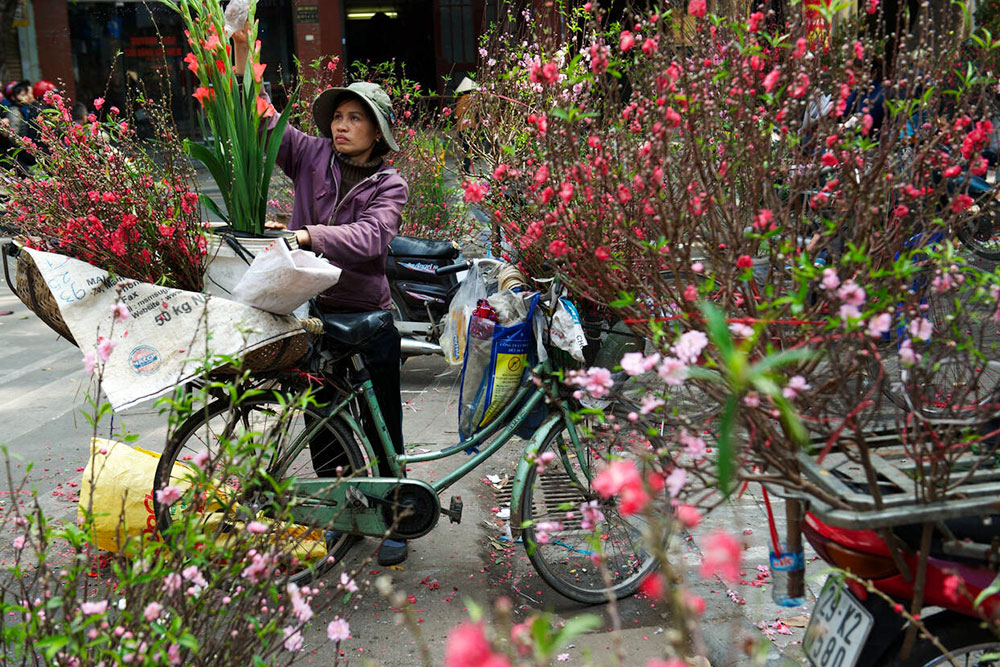
The ideal times to explore Hanoi Old Quarter are fall (October to November) and spring (February to April). During these seasons, the weather is relatively calm and pleasant, making it comfortable for visitors to stroll through the narrow streets and enjoy outdoor activities.
Conversely, the summer months (May to August) can be hot and humid, with temperatures often exceeding 30°C (86°F) and high humidity levels. This weather can be uncomfortable for some travelers, especially those unfamiliar with tropical climates. Short, heavy rain showers are common during this season, which can interrupt activities and sightseeing. Therefore, visitors sensitive to heat or humidity may prefer to visit during the milder months. You may not miss this guide to the worst time to visit Vietnam and how to avoid common travel pitfalls!
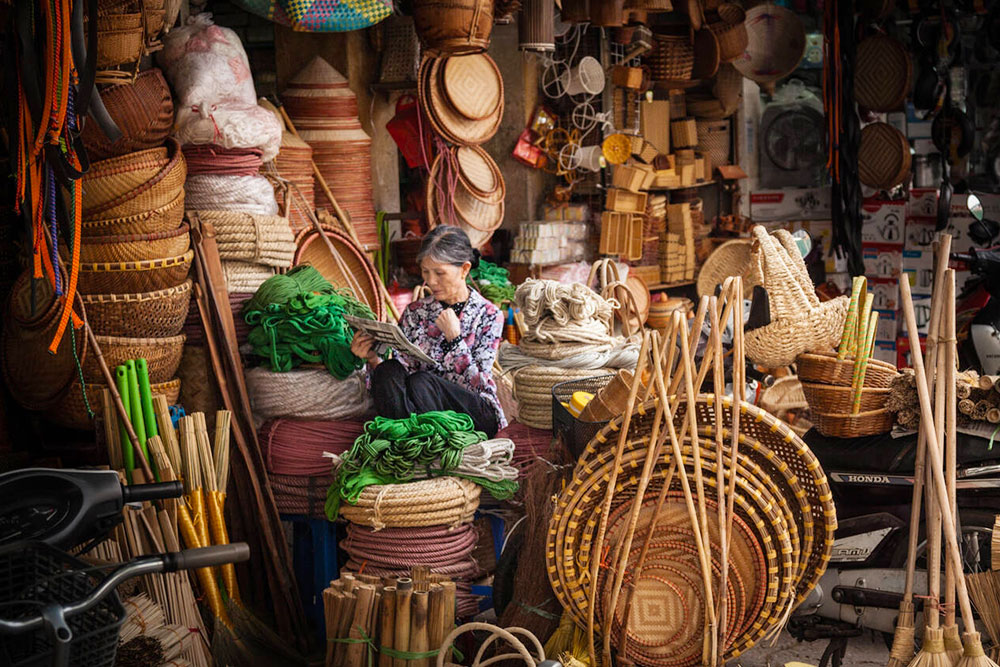
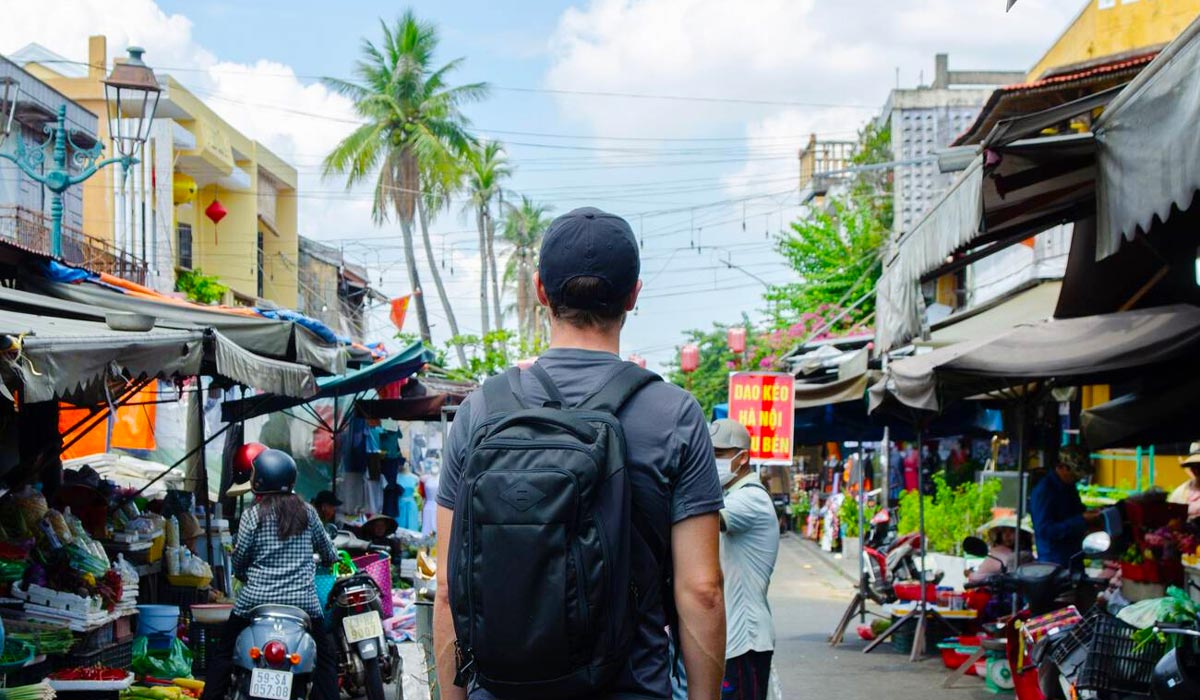
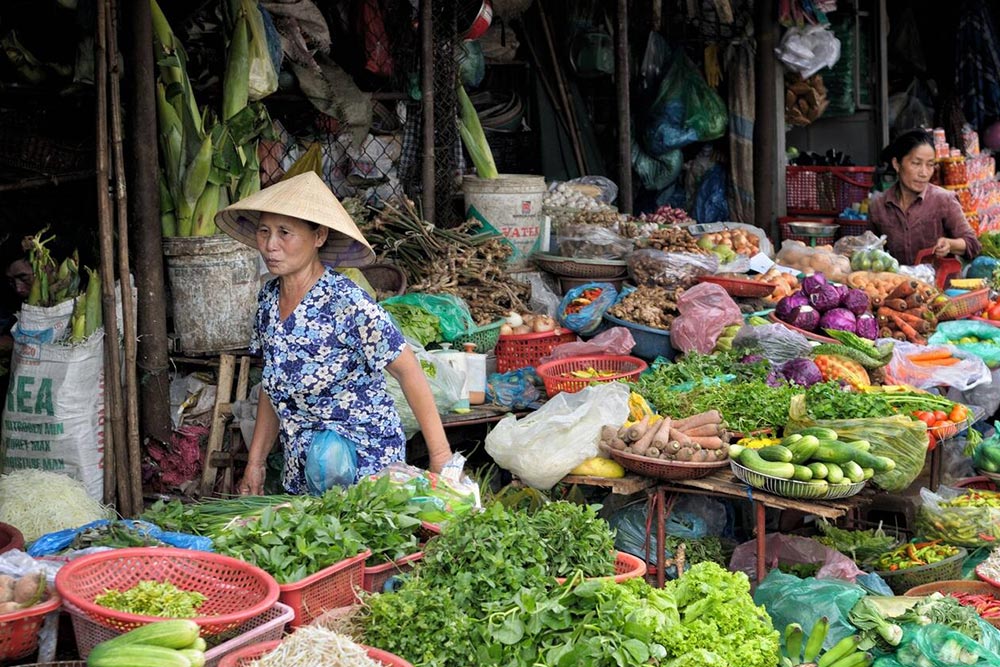
Hanoi Old Quarter is renowned for its lively shopping scene and vibrant local markets, offering visitors a unique blend of traditional Vietnamese goods and modern products. The narrow streets and bustling alleyways are lined with an array of shops, stalls, and markets that cater to both locals and tourists alike. Here are some of the top shopping experiences you can find in the Old Quarter:
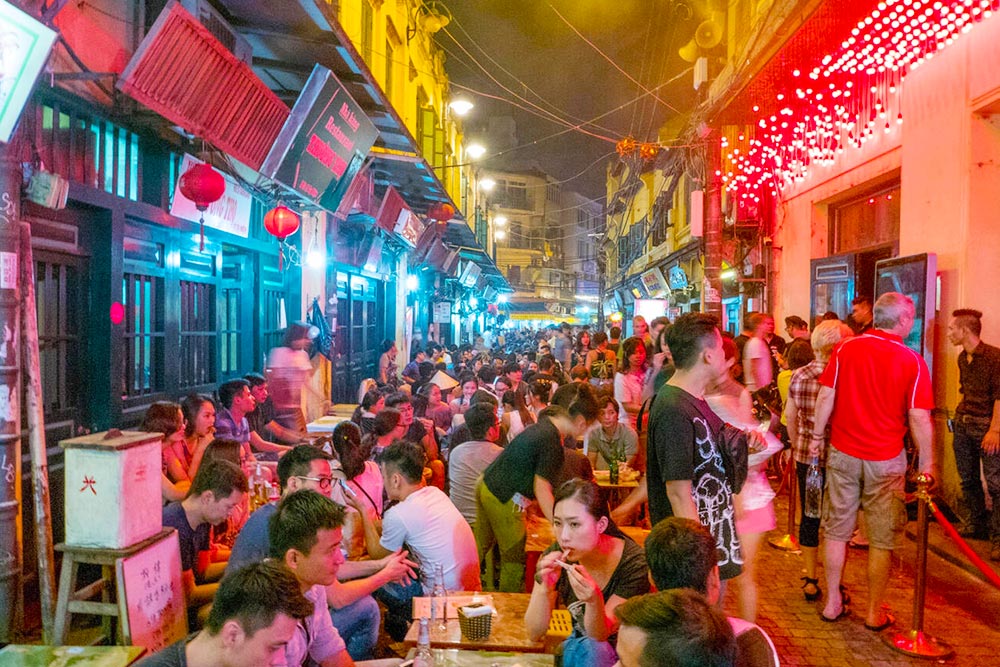
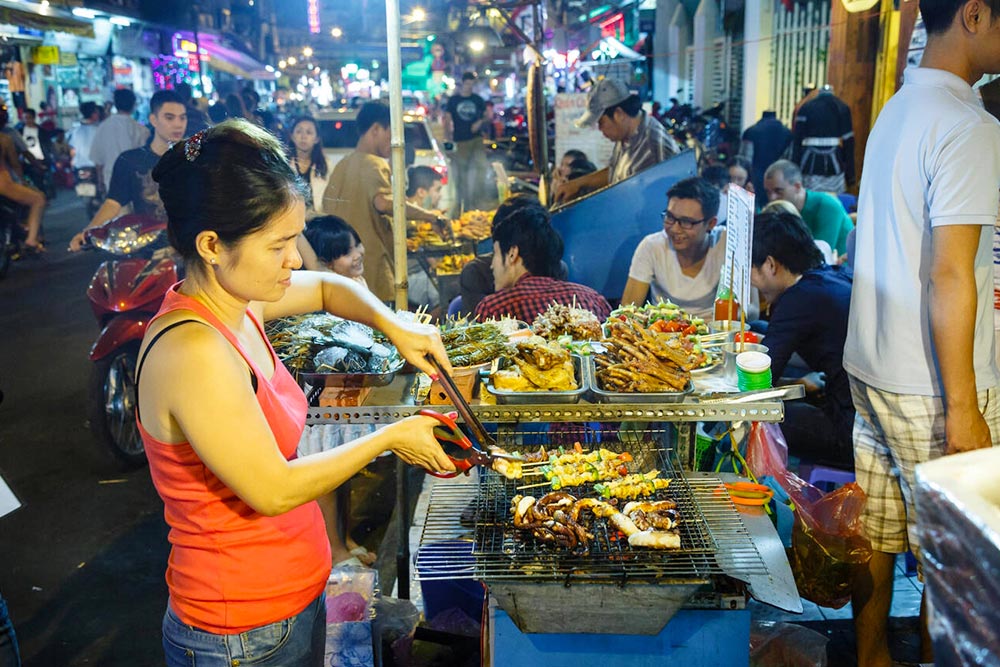
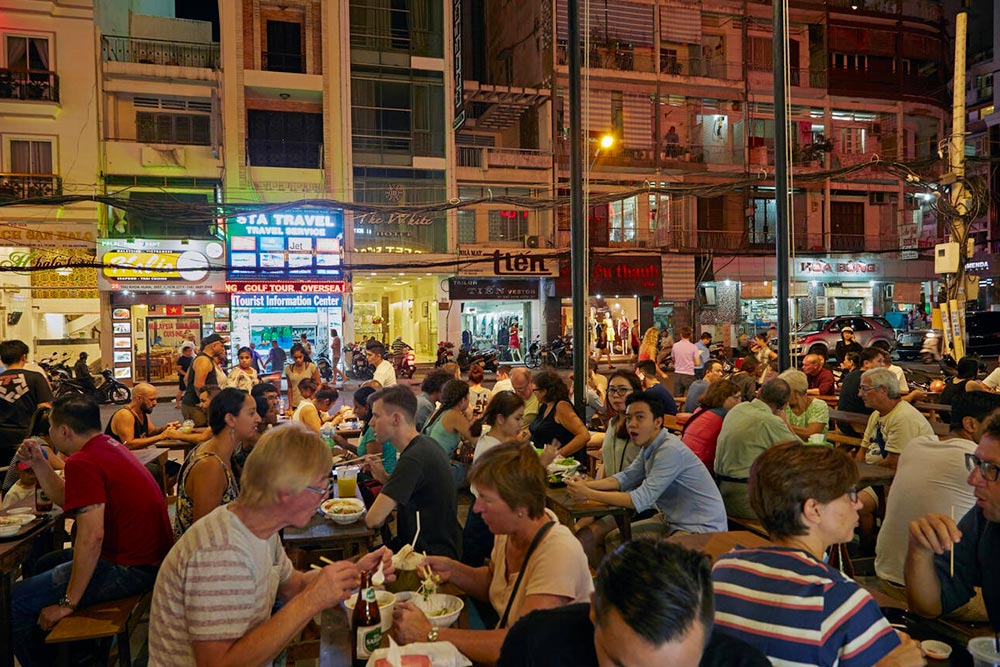
The Hanoi Weekend Night Market is a vibrant marketplace that transforms the streets of the Old Quarter every Friday, Saturday, and Sunday night. Spanning several kilometers, the market features numerous stalls selling a variety of handicrafts, clothing, souvenirs, and delicious local street food. It's an ideal place to experience the lively atmosphere of Hanoi after dark while also bargaining for unique souvenirs at affordable prices. Visitors can find everything from traditional Vietnamese arts and crafts to trendy clothing and delightful snacks, making it a must-visit for anyone seeking an authentic shopping experience.
Dong Xuan Market is the largest indoor market in Hanoi and a bustling hub of commerce. Established in 1889, this four-storey market is a significant landmark in the Old Quarter, offering a wide range of products, including clothing, textiles, electronics, and local food. The ground floor is dedicated to fresh produce, meats, and seafood, while the upper levels feature an extensive collection of souvenirs and handicrafts. The market is an excellent spot for visitors to immerse themselves in the local shopping experience and sample some of Hanoi’s street food from nearby vendors.
Hang Da Market is a historic market that has evolved from a traditional marketplace to a modern shopping venue. Located in the heart of the Old Quarter, this market is particularly famous for its high-quality fabrics, second-hand clothing, and unique Vietnamese items. The three-story building features a basement for food items, while the first and second floors showcase clothing and household goods. One of the highlights of visiting Hang Da Market is the opportunity to purchase traditional Vietnamese garments, such as the elegant Ao Dai, often at reasonable prices.
Known for its extensive collection of fabrics, Cho Hom Market is a favorite among local tailors and visitors looking to buy materials for custom-made clothing. Situated in Hai Ba Trung District, just outside the Old Quarter, this market features stalls on the first floor offering local food, fruits, and household items, while the second floor is dedicated to textiles. Shoppers can find a vast selection of cotton, silk, and brocade fabrics, often at negotiable prices. The market is bustling during the early mornings, making it an exciting place to immerse yourself in the local culture.
The streets of Hanoi’s Old Quarter are dotted with various shops that specialize in traditional Vietnamese crafts. Visitors can find various unique products, including lacquerware, silk garments, handmade pottery, and bamboo products. Shopping in these craft stores supports local artisans and offers a chance to take home a piece of Vietnamese heritage. The quality and craftsmanship of these items are often unparalleled, making them excellent souvenirs.
As you navigate the bustling streets of Hanoi's Old Quarter, the myriad shopping options and local markets provide an excellent opportunity to experience Vietnam's rich culture and traditions.
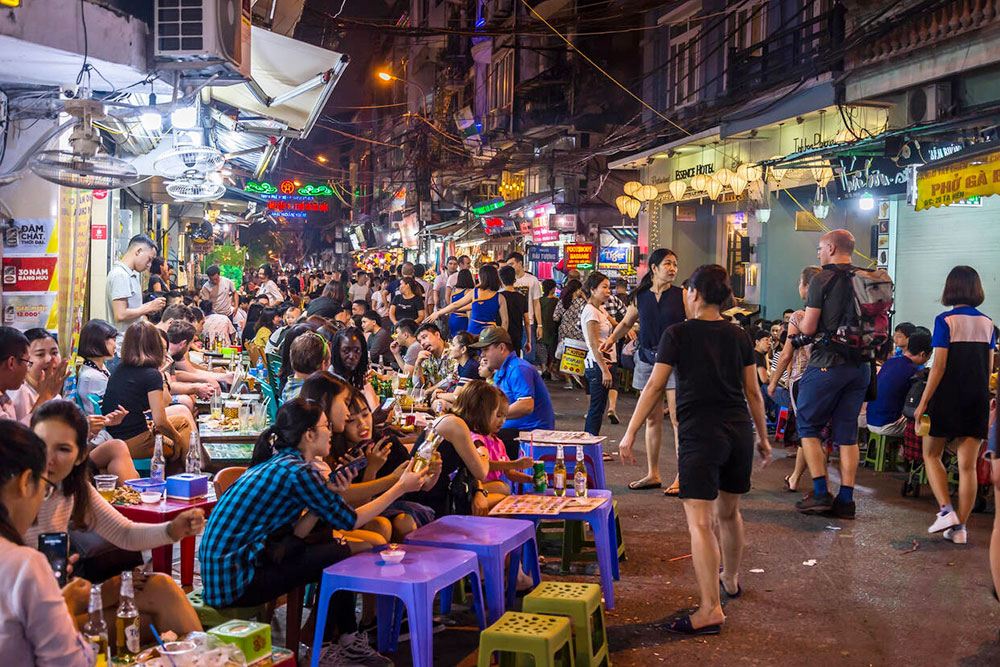
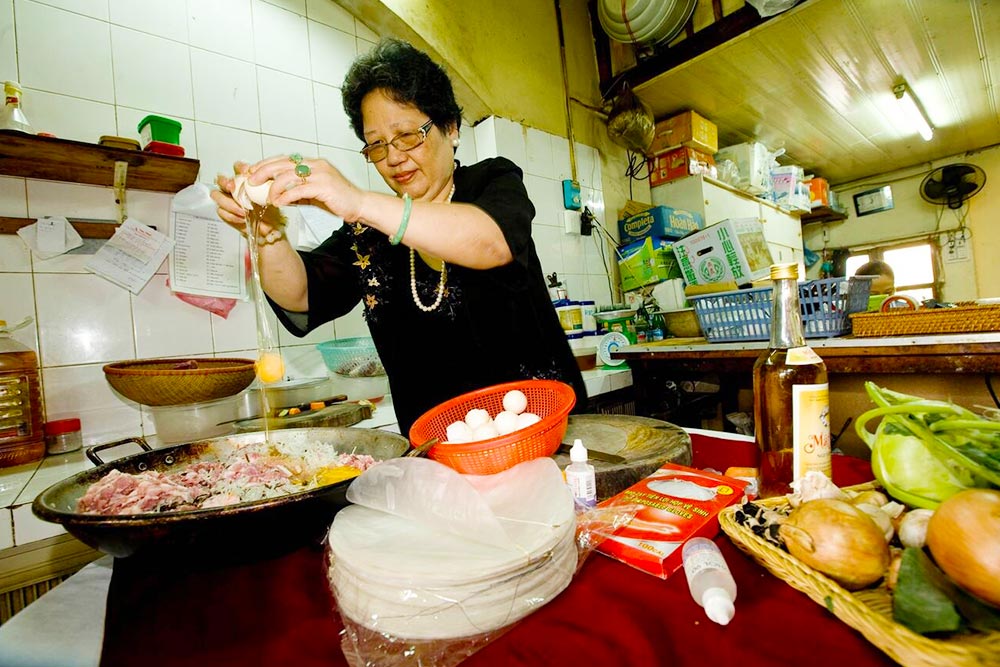
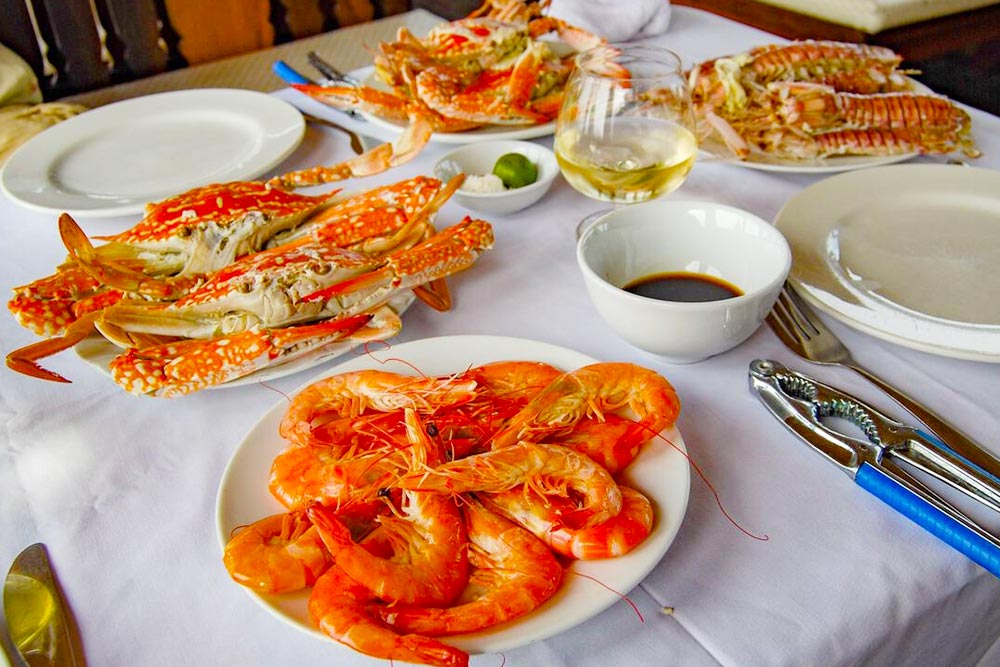
The Old Quarter in Hanoi, Vietnam, is a vibrant hub for street food, offering a mix of traditional Vietnamese dishes and local flavors. Exploring the bustling streets, you'll encounter countless vendors, small eateries, and food carts, each serving freshly prepared dishes that capture the essence of Hanoi's culinary culture. Here are some must-try street foods in the Old Quarter:
Visiting Hanoi Old Quarter offers a rich cultural experience, particularly during the milder fall and spring seasons. With its vibrant markets, exquisite street food, and historical sites, this enchanting area provides numerous opportunities to discover and appreciate Vietnamese heritage, making it a must-see destination for travelers.
Finally, be sure to book one of our Vietnam tours to enhance your experience and explore the beauty of this remarkable country.



A curated list of the most popular travel packages based on different destinations.
Explore Hoan Kiem Lake in Hanoi with tips on the best activities, safety, etiquette, and local cuisine for an unforgettable visit.
Explore Ngoc Son Temple in Hanoi's Hoan Kiem Lake. During peaceful visits, discover its history, stunning architecture, and cultural significance.
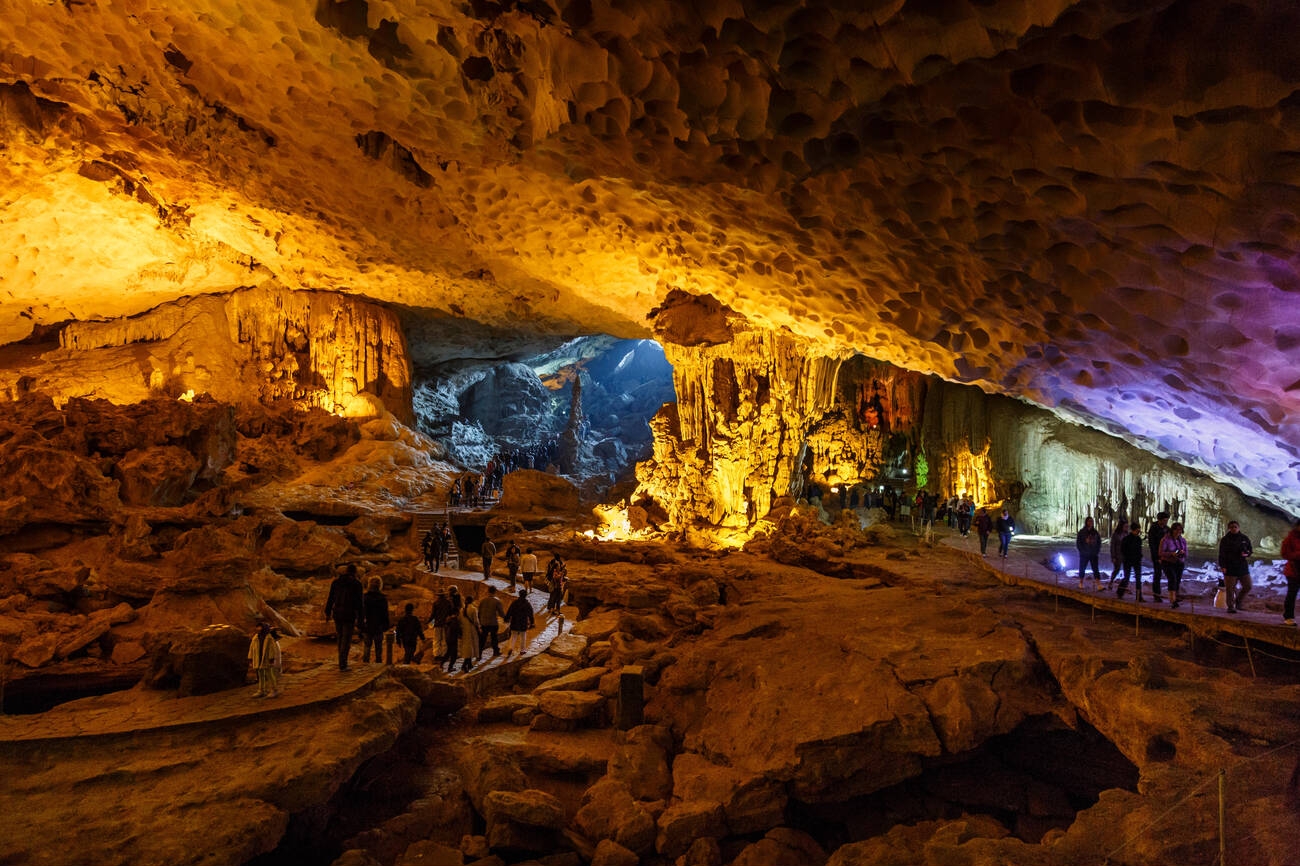
Explore Sung Sot Cave with our comprehensive guide. Learn about its history, tours, attractions, and travel tips to make your visit unforgettable.
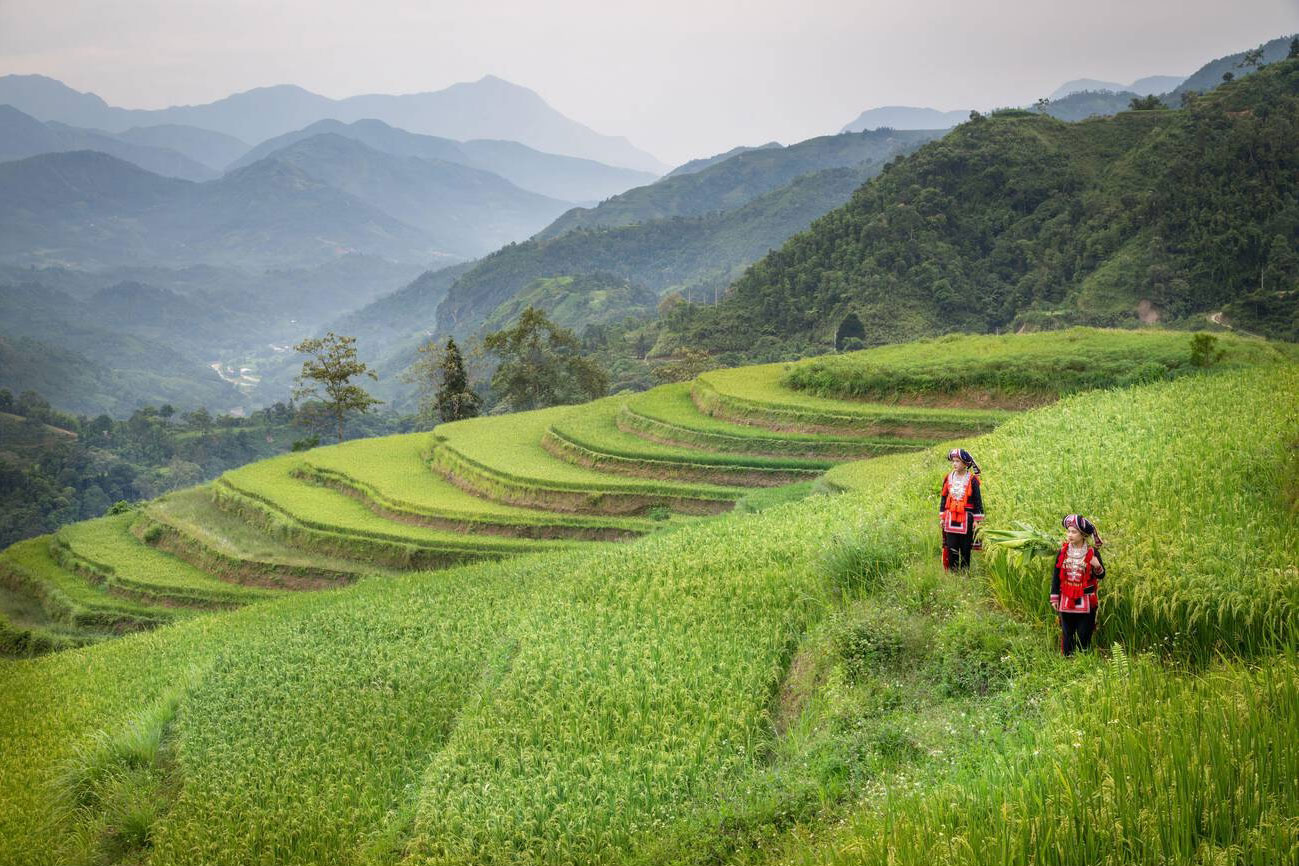
Discover rich traditions, attire, and crafts in Dzay Ethnic Minority Villages. Experience warm hospitality, lush landscapes, and timeless cultural rituals.
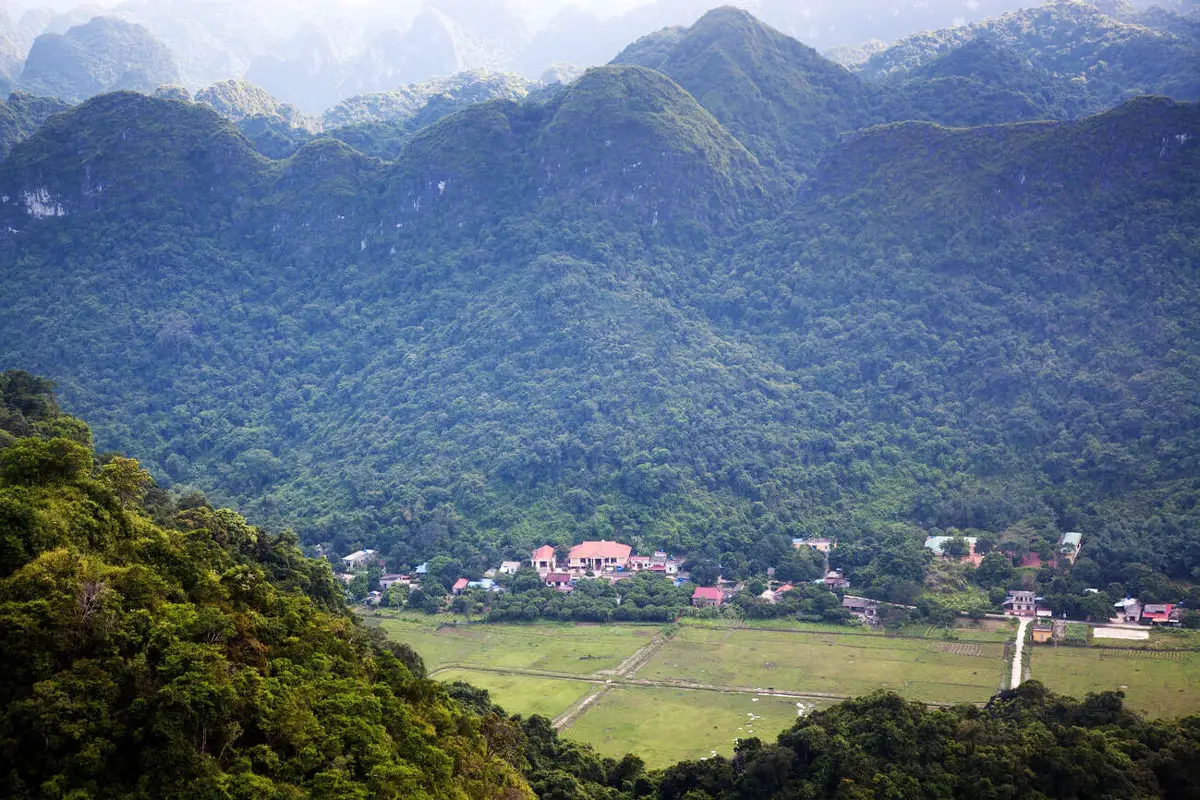
Discover Viet Hai Village, a picturesque destination offering rich culture, stunning landscapes, and memorable activities. Plan your perfect visit today!
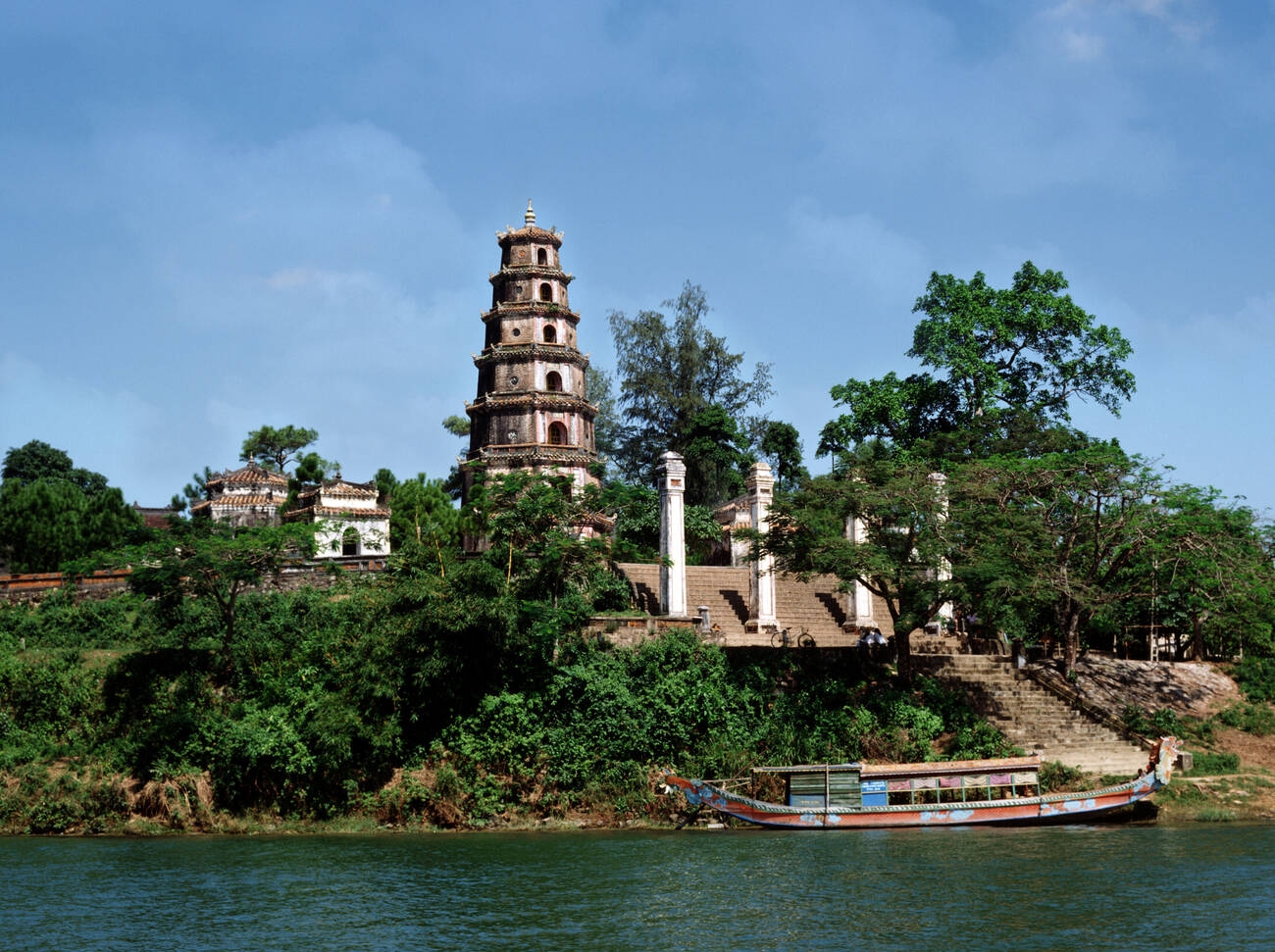
Uncover the beauty and history of Thien Mu Pagoda in Hue. Your comprehensive travel guide to Vietnam’s iconic spiritual landmark awaits.
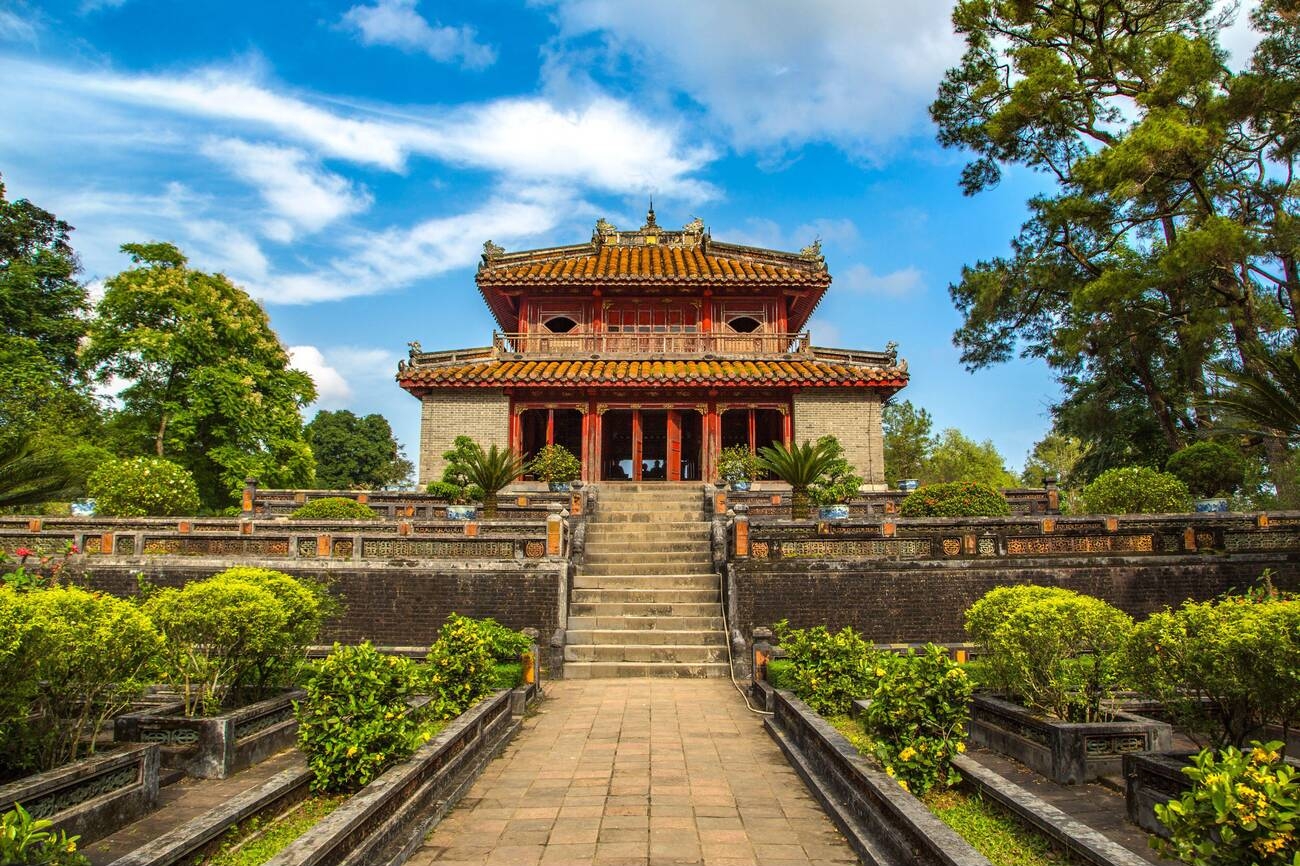
Explore the Minh Mang Tomb travel guide in Vietnam. Learn about its history, architecture, and key attractions for an unforgettable visit.
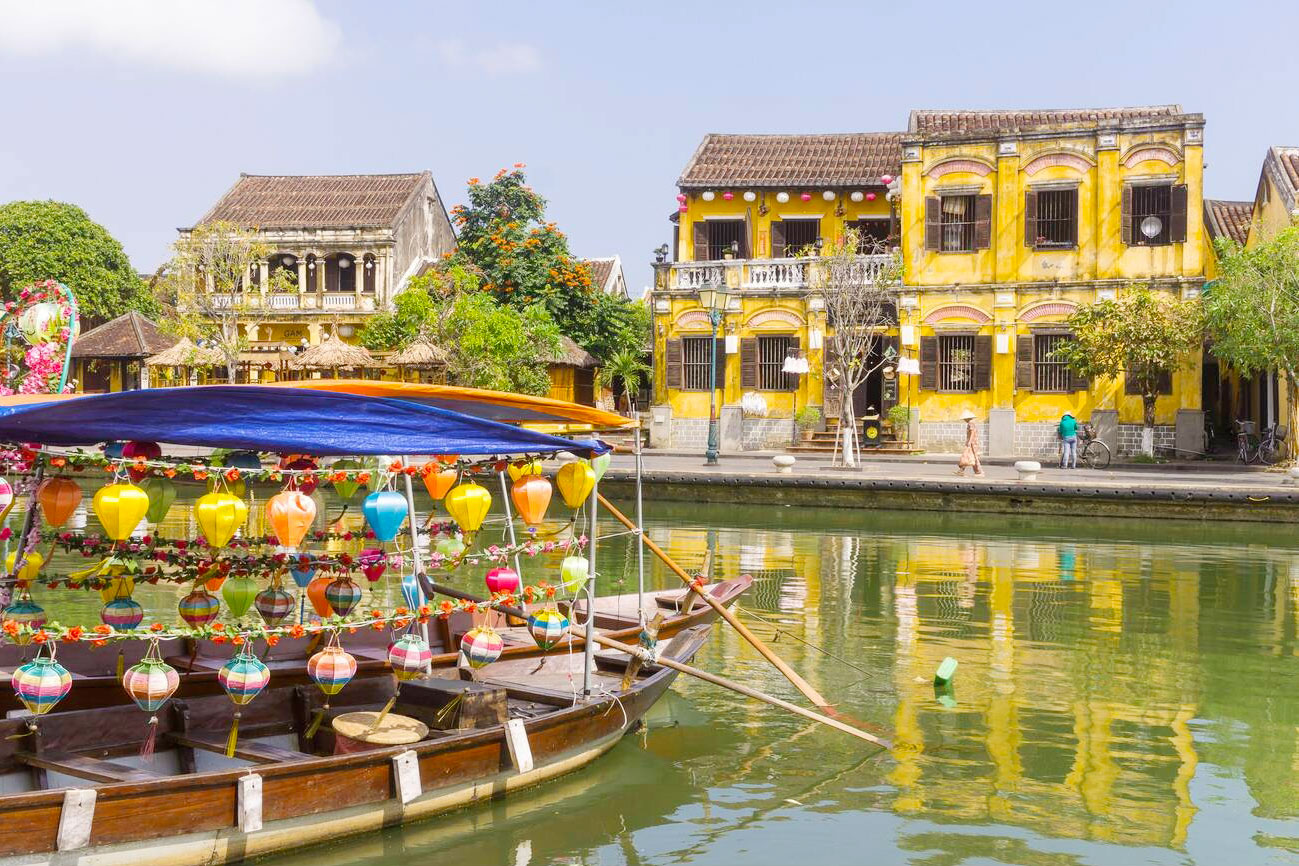
Experience the charm of Hoi An Ancient Town in Vietnam. Discover its rich history, vibrant culture, and stunning architecture in our comprehensive guide.
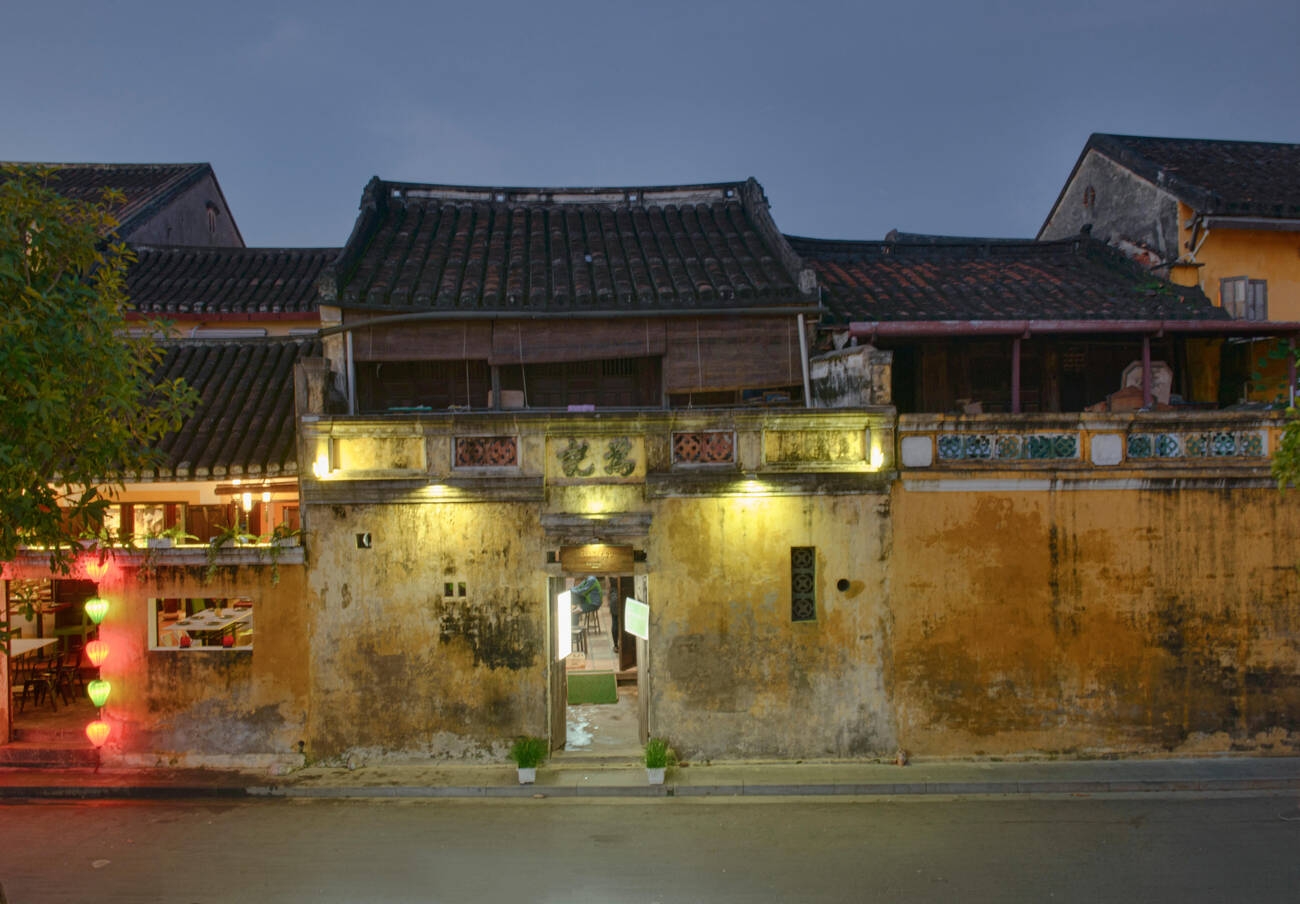
Journey through time at Tam Ky Ancestral House, a cultural treasure featuring stunning architecture, rich heritage, and an unforgettable Vietnamese legacy.
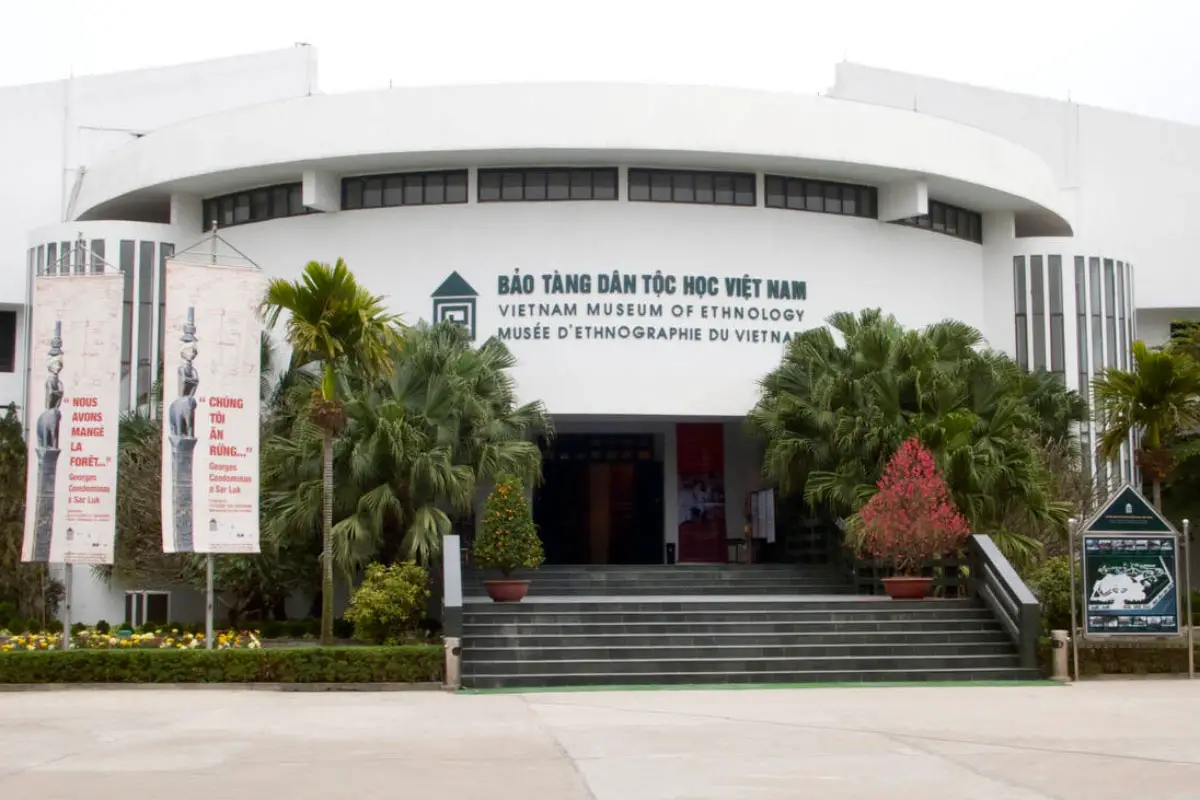
Explore the Ethnology Museum in Vietnam, a cultural gem showcasing the traditions of 54 ethnic groups. A must-visit in Hanoi.
Explore the Ho Chi Minh Complex, a key landmark in Vietnam. Discover its history, main sites, and cultural importance in the nation's heritage.
Experience Cat Ba Island’s serene bays, limestone peaks, and rare wildlife. Discover hidden coves, pristine beaches, and unforgettable adventures.
We go beyond just booking trips—we create unforgettable travel experiences that match your dreams!



This trip exceeded all our expectations. We booked the "10 Days in Turkey Tour Itinerary" package and were impressed by how professionally everything was arranged. The itinerary gave us enough time to enjoy the main highlights without feeling rushed, and all transfers and day tours ran on time. The communication before arrival was clear and helpful, which made planning much easier. What we appreciated most was the balance between guided sightseeing and free time, so the whole trip felt comfortable and enjoyable. If you are looking for a reliable way to explore Turkey, this is a great option. We would absolutely recommend it to anyone visiting this destination.
One of the smoothest tours we have ever booked. We booked the "4 Day Trip to Cappadocia and Pamukkale" package and were impressed by how professionally everything was arranged. The itinerary gave us enough time to enjoy Cappadocia and Pamukkale without feeling rushed, and all transfers and day tours ran on time. The communication before arrival was clear and helpful, which made planning much easier. What we appreciated most was the balance between guided sightseeing and free time, so the whole trip felt comfortable and enjoyable. If you are looking for a reliable way to explore Turkey, this is a great option. It was the perfect mix of sightseeing, comfort, and great logistics.
One of the smoothest tours we have ever booked. We booked the "4 Day Trip to Cappadocia and Ephesus Highlights" package and were impressed by how professionally everything was arranged. The itinerary gave us enough time to enjoy Cappadocia and Ephesus without feeling rushed, and all transfers and day tours ran on time. The communication before arrival was clear and helpful, which made planning much easier. What we appreciated most was the balance between guided sightseeing and free time, so the whole trip felt comfortable and enjoyable. If you are looking for a reliable way to explore Turkey, this is a great option. It was the perfect mix of sightseeing, comfort, and great logistics.
A beautifully organized journey from start to finish. We booked the "8 Days Hoi An Beach Escape and Culture Tour" package and were impressed by how professionally everything was arranged. The itinerary gave us enough time to enjoy Hoi An without feeling rushed, and all transfers and day tours ran on time. The communication before arrival was clear and helpful, which made planning much easier. What we appreciated most was the balance between guided sightseeing and free time, so the whole trip felt comfortable and enjoyable. If you are looking for a reliable way to explore Vietnam, this is a great option. The itinerary was well balanced and never felt rushed.
A beautifully organized journey from start to finish. We booked the "8 Day Tour of Istanbul Cappadocia and Ephesus" package and were impressed by how professionally everything was arranged. The itinerary gave us enough time to enjoy Istanbul, Cappadocia, and Ephesus without feeling rushed, and all transfers and day tours ran on time. The communication before arrival was clear and helpful, which made planning much easier. What we appreciated most was the balance between guided sightseeing and free time, so the whole trip felt comfortable and enjoyable. If you are looking for a reliable way to explore Turkey, this is a great option. The itinerary was well balanced and never felt rushed.












Comments (02)
Mr. Bowmik Haldar,
05 June, 2024Outstanding News & Insight! Thank you so much for sharing like this article
Jacoline Juie,
05 June, 2023However, here are some well-regarded car dealerships known for their customer service, inventory, and overall reputation. It's always a good idea to research and read reviews specific...
Leave Your Comment: