 Visit Turkey
 Visit Vietnam
 Visit Cambodia
 Visit Dubai
 Visit Jordan



Marvel at Enchanting Khuang Si Waterfall in Luang Prabang
Explore Khuang Si Waterfall near Luang Prabang, Laos. Learn how to get there, best times to visit, and essential tips for an unforgettable experience.



Luang Prabang is a gem in Northern Laos that captivates visitors with its ancient temples, French colonial architecture, and breathtaking natural beauty along the Mekong River. This UNESCO World Heritage city exudes an old-world charm, offering a serene ambiance where saffron-robed monks wander past quaint cafes, and vibrant night markets invite you to explore the local arts scene. As you plan your escape to this tranquil and culturally rich city, you’ll discover why it remains a must-visit destination for travelers seeking authenticity, relaxation, and adventure.
In this comprehensive travel guide, you’ll learn how to reach this Lao paradise, which enchanting spots you simply must see, the optimal time to visit, and what to pack for a comfortable stay. Whether you’re a seasoned globetrotter or embarking on your first journey into Southeast Asia, you’ll find all the essential tips here to make your Luang Prabang experience unforgettable.
Traveling to Luang Prabang can be an adventure in itself. There are a few different ways to make your way into Laos’s cultural heartland, and your choice often depends on personal preferences, budget, and how much time you have to spare.
Most international travelers opt to fly directly into Luang Prabang International Airport (LPQ). This modern yet small airport is just a short distance from the town center; around 10 to 15 minutes by tuk-tuk or taxi. A range of regional airlines connects Luang Prabang with major hubs like Bangkok, Hanoi, Siem Reap, Kuala Lumpur, and Singapore. If you’re already in Laos, you can take a domestic flight from the capital city, Vientiane, with Lao Airlines or Lao Skyway for a faster journey.
For a more immersive experience, consider traveling by land:
Bus from Vientiane or Vang Vieng: If you have time and enjoy scenic routes, you can take a bus or minivan from Vientiane or the picturesque town of Vang Vieng. The roads wind through mountainous landscapes, offering views of rural life. The journey can be lengthy (ranging from 6 to 10 hours), but the scenery often compensates for the bumpy ride.
Crossing Borders from Thailand: Chiang Mai or Chiang Rai in Northern Thailand are popular gateways. You can cross the border at Chiang Khong (Thailand) to Huay Xai (Laos) and then take a slow boat or a bus to Luang Prabang. This route typically involves an overnight stop along the Mekong in Pakbeng if you choose the slow boat option. The slow boat journey lasts two days and is an iconic experience for many travelers.
From Vietnam or Cambodia: Bus travel from Vietnam’s Dien Bien Phu or Siem Reap in Cambodia is another possibility, though these routes tend to be longer and more taxing, with multiple border checkpoints. Still, they can be budget-friendly.
The mighty Mekong River is one of Southeast Asia’s vital waterways. Arriving in Luang Prabang by boat is a romantic and unique option:
Slow Boat from Huay Xai: The two-day slow boat ride from the Thai border down to Luang Prabang is a famously scenic and relaxing journey. You’ll drift past rugged limestone cliffs and rural Lao villages, where children wave and fishermen ply the waters.
Luxury Cruises: For those who prefer more comfort, several companies offer luxury cruises along the Mekong. These cruises often include excursions to tribal villages, stops at secluded temples, and onboard meals showcasing Lao cuisine.
No matter which route you choose, entering Laos requires a valid passport and visa for most nationalities. Many travelers opt for the convenient eVisa system or on-arrival visa at the airport or major border crossings. To avoid any last-minute hassle, ensure you check visa requirements and costs beforehand.
As soon as you set foot in the old quarter, you’ll feel the magnetic pull of Luang Prabang’s cultural legacy. This serene city is brimming with temples, natural wonders, and colonial-era buildings; each telling its own story. Below are some of the unmissable highlights:
Rising in the heart of the city, Mount Phousi offers a panoramic viewpoint beloved by photographers. Climb the winding steps (a small fee may apply) to reach the summit, which houses a small temple and a golden stupa shining above the canopy. Sunset is a particularly magical time; hundreds of travelers gather to watch the sun dip behind the mountains, casting an orange glow over the Mekong and Nam Khan Rivers.
Originally built in the early 20th century for the Lao royal family, the Royal Palace Museum is a prime example of French and Lao architectural fusion. Inside, you’ll find lavish royal apartments, ancient religious relics, and the revered Prabang Buddha statue. The carefully curated displays offer a glimpse into the country’s royal history and its intricate links with Buddhism.
Known as the “Temple of the Golden City,” Wat Xieng Thong dates back to the 16th century and stands as one of Laos’s most important monasteries. Its sweeping multi-tiered roofs nearly touch the ground, creating an elegant silhouette. Look out for the ornate Tree of Life mosaic on the rear wall, depicting the Lao creation myth in vibrant glass tiles.
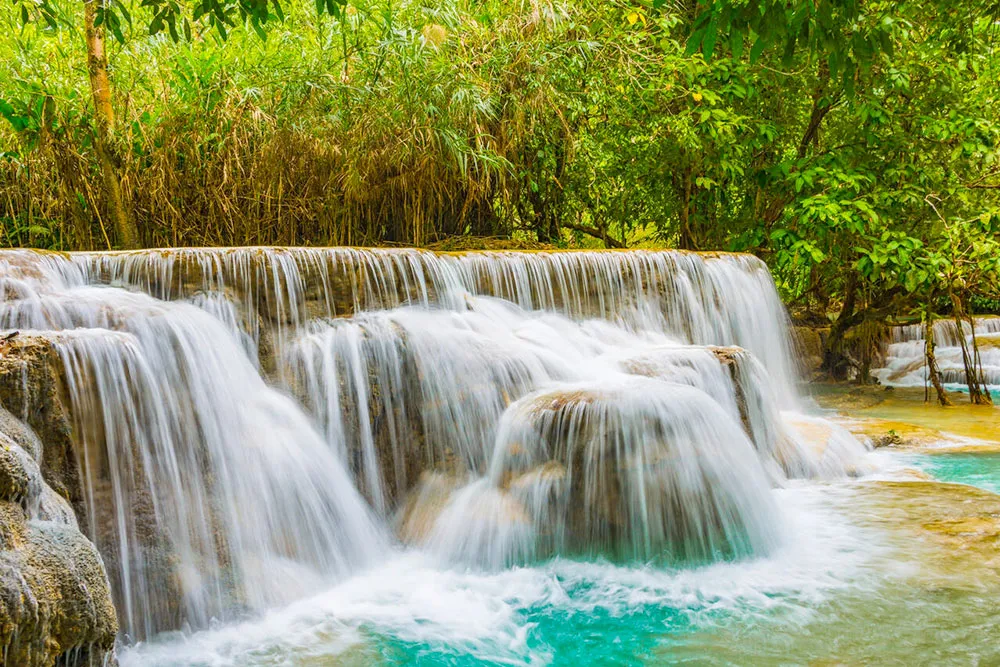
A short drive or tuk-tuk ride from Luang Prabang takes you to this cascade of turquoise waters tumbling through forested limestone tiers. Bring your swimsuit for a refreshing dip in the crystal-clear pools or follow the hiking trails for a more tranquil vantage point. Near the entrance, you can also visit the Tat Kuang Si Bear Rescue Centre, home to rescued Asiatic black bears.
Wake up early; early; to witness or respectfully participate in the daily tradition known as Tak Bat. At sunrise, hundreds of monks line the streets, collecting alms from devoted locals and curious travelers. If you plan to give alms, ensure you follow proper etiquette: dress modestly, remain seated or kneeling, and avoid obstructing the path of the monks.
As dusk falls, Sisavangvong Road transforms into a bustling night market. Vendors set up stalls to sell handicrafts, textiles, artwork, street food, and souvenirs. It’s a vibrant spectacle of color and aroma. Whether you’re in the market for a traditional Lao sin (skirt) or just want to snack on grilled fish, the night market is an unmissable experience.
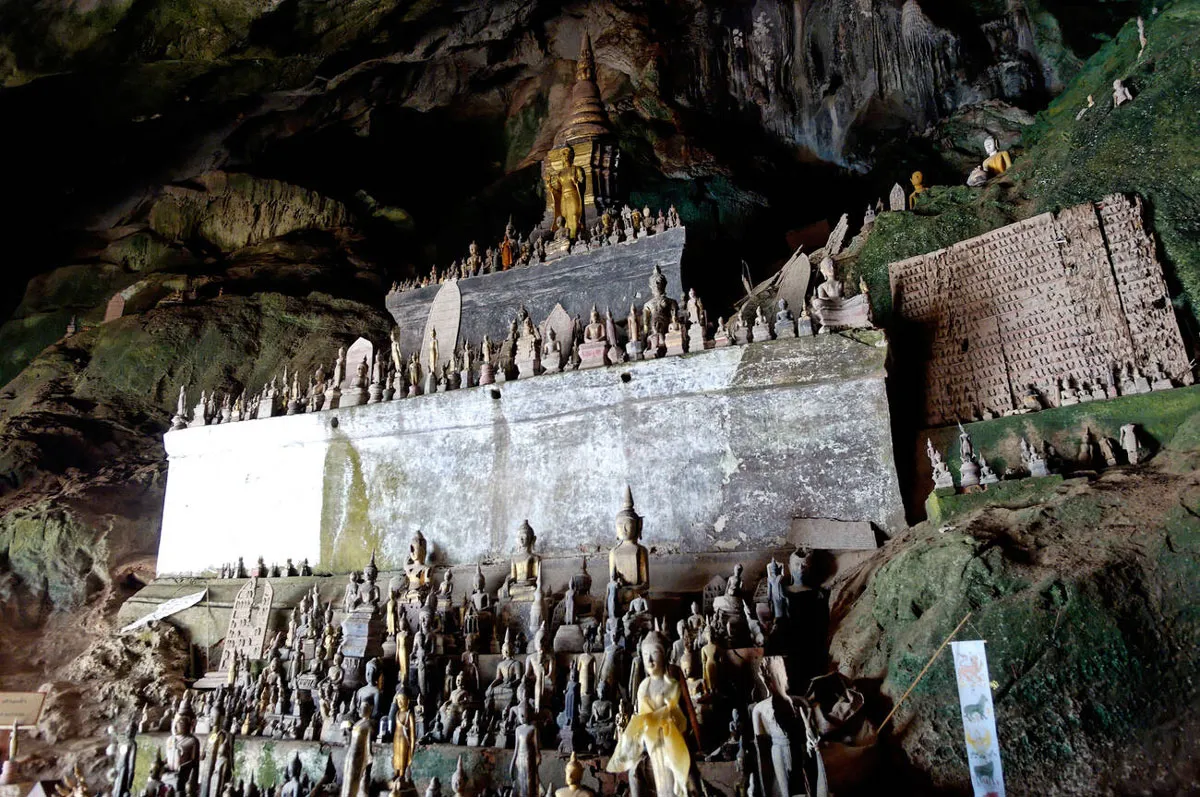
Pak Ou Caves located about 25 kilometers north of the town where the Mekong meets the Nam Ou River, these two limestone caves (Tham Ting and Tham Theung) house thousands of Buddha icons. Locals and pilgrims have been placing Buddha statues inside for centuries, and the atmosphere is both mysterious and serene. A boat trip along the Mekong to reach the caves only adds to the allure.
During the dry season, a temporary bamboo bridge is erected across the Nam Khan River, linking the two sides of Luang Prabang. This photogenic structure is taken down each rainy season due to rising waters. Crossing it is a lovely way to experience a slice of local life while supporting the families who rebuild it each year.
For insights into the rich cultural tapestry of Laos, stop by TAEC. This small yet informative museum explores the traditions, textiles, and crafts of various ethnic groups in the country. Exhibits include colorful garments, ritual objects, and interactive displays that shed light on the diversity found in Lao communities.
Luang Prabang’s tropical monsoon climate can be split into two primary seasons: dry and rainy. Each season has its charm, but understanding the weather patterns can help you plan accordingly.
In essence, November to February is the best time to visit Luang Prabang if you prefer cooler weather and don’t mind peak-season crowds. But if you’re flexible and seek fewer tourists, the transition months or even the rainy season have their appealing qualities.
A well-thought-out packing list makes all the difference when traveling in Laos. Because of the climate’s fluctuations and cultural considerations, aim for versatile, modest attire and weather-proof essentials.
While you can buy many items locally; like sarongs, hats, or flip-flops; it’s wise to arrive prepared, especially if you have specific preferences or sizing needs.
Navigating cultural norms and local customs is an essential part of a fulfilling journey. Here are key travel tips to help you maximize your time in Luang Prabang:
Combining these tips with an open mind will deepen your connection to the local culture and ensure a memorable stay in Luang Prabang.
Luang Prabang feels like a world apart; where the pace slows, traditions flourish, and nature remains a constant backdrop. From the moment you witness the saffron-draped monks in their dawn procession to the last glimpse of the golden sunset over the Mekong, the city’s subtle charms invite reflection and tranquility. Its temples offer insights into centuries-old practices, while the lush countryside beckons with waterfalls, caves, and river adventures.
Whether you’re sipping a fresh coconut at the night market, learning to cook Lao dishes in a culinary class, or simply wandering down a quiet alley to admire ornate facades, every corner of Luang Prabang whispers stories of heritage and harmony. Plan thoroughly, pack wisely, and embrace the journey; this special city promises to leave an indelible mark on your heart. And like many travelers who have ventured here, you may find yourself longing to return even before you depart.
A curated list of the most popular travel packages based on different destinations.
Explore Khuang Si Waterfall near Luang Prabang, Laos. Learn how to get there, best times to visit, and essential tips for an unforgettable experience.
Journey along the Mekong to Pak Ou Caves in Laos, home to thousands of Buddha statues, rich history, and a captivating spiritual legacy unlike any other.
Explore Wat Sisaket, Vientiane’s oldest temple, and discover ancient murals, Buddha statues, and living traditions in a peaceful setting.
We go beyond just booking trips—we create unforgettable travel experiences that match your dreams!


One of the smoothest tours we have ever booked. We booked the "9 Days Angkor and Mekong Expeditions Package" package and were impressed by how professionally everything was arranged. The itinerary gave us enough time to enjoy the Mekong and Angkor without feeling rushed, and all transfers and day tours ran on time. The communication before arrival was clear and helpful, which made planning much easier. What we appreciated most was the balance between guided sightseeing and free time, so the whole trip felt comfortable and enjoyable. If you are looking for a reliable way to explore Vietnam, this is a great option. It was the perfect mix of sightseeing, comfort, and great logistics.
This trip exceeded all our expectations. We booked the "5 Days Discovering Cappadocia Konya Pamukkale Ephesus" package and were impressed by how professionally everything was arranged. The itinerary gave us enough time to enjoy Cappadocia, Ephesus, Pamukkale, and Konya without feeling rushed, and all transfers and day tours ran on time. The communication before arrival was clear and helpful, which made planning much easier. What we appreciated most was the balance between guided sightseeing and free time, so the whole trip felt comfortable and enjoyable. If you are looking for a reliable way to explore Turkey, this is a great option. We would absolutely recommend it to anyone visiting this destination.
We loved how easy and enjoyable this entire experience was. We booked the "5 Day Tour of Istanbul and Cappadocia Highlights" package and were impressed by how professionally everything was arranged. The itinerary gave us enough time to enjoy Istanbul and Cappadocia without feeling rushed, and all transfers and day tours ran on time. The communication before arrival was clear and helpful, which made planning much easier. What we appreciated most was the balance between guided sightseeing and free time, so the whole trip felt comfortable and enjoyable. If you are looking for a reliable way to explore Turkey, this is a great option. We came home with amazing memories and would book again.
Everything about this package felt thoughtfully planned. We booked the "12 Days Best Cultural and Heritage Vietnam Tour" package and were impressed by how professionally everything was arranged. The itinerary gave us enough time to enjoy Vietnam without feeling rushed, and all transfers and day tours ran on time. The communication before arrival was clear and helpful, which made planning much easier. What we appreciated most was the balance between guided sightseeing and free time, so the whole trip felt comfortable and enjoyable. If you are looking for a reliable way to explore Vietnam, this is a great option. The guides, transfers, and pacing all worked together perfectly.
We loved how easy and enjoyable this entire experience was. We booked the "14 Day Romantic Holiday Through Vietnam" package and were impressed by how professionally everything was arranged. The itinerary gave us enough time to enjoy Vietnam without feeling rushed, and all transfers and day tours ran on time. The communication before arrival was clear and helpful, which made planning much easier. What we appreciated most was the balance between guided sightseeing and free time, so the whole trip felt comfortable and enjoyable. If you are looking for a reliable way to explore Vietnam, this is a great option. We came home with amazing memories and would book again.












Comments (02)
Mr. Bowmik Haldar,
05 June, 2024Outstanding News & Insight! Thank you so much for sharing like this article
Jacoline Juie,
05 June, 2023However, here are some well-regarded car dealerships known for their customer service, inventory, and overall reputation. It's always a good idea to research and read reviews specific...
Leave Your Comment: