 Visit Turkey
 Visit Vietnam
 Visit Cambodia
 Visit Dubai
 Visit Jordan


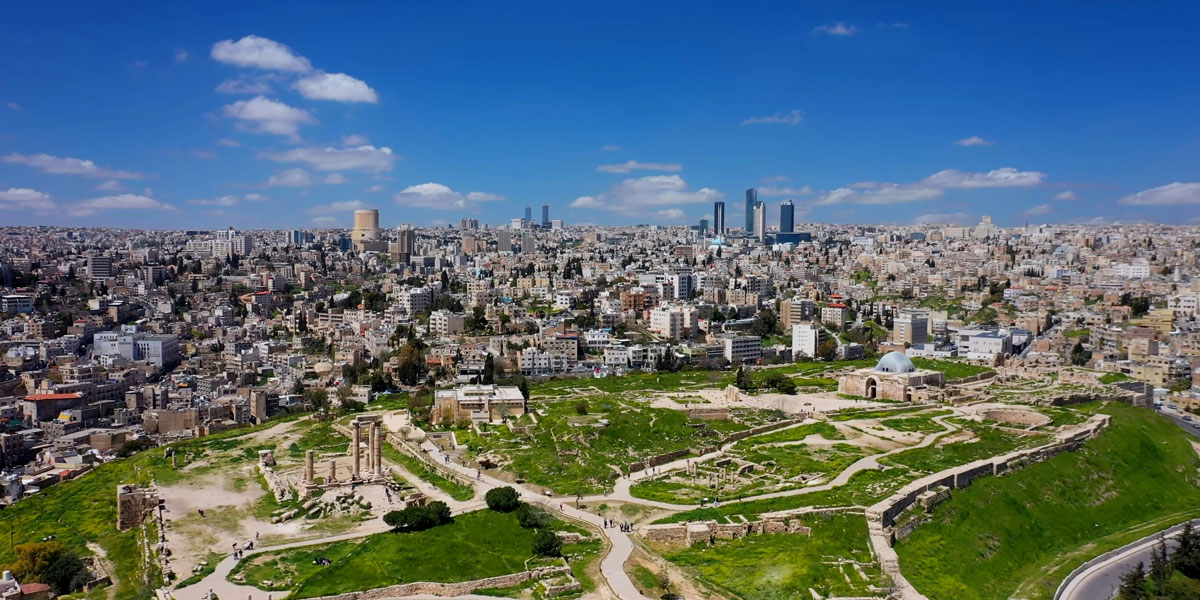
Amman Guide 2026 - Things to Do and Visitor Tips
Plan your trip with this Amman travel guide covering top sights, food, neighborhoods, transport, day trips, where to stay, and practical visitor tips.



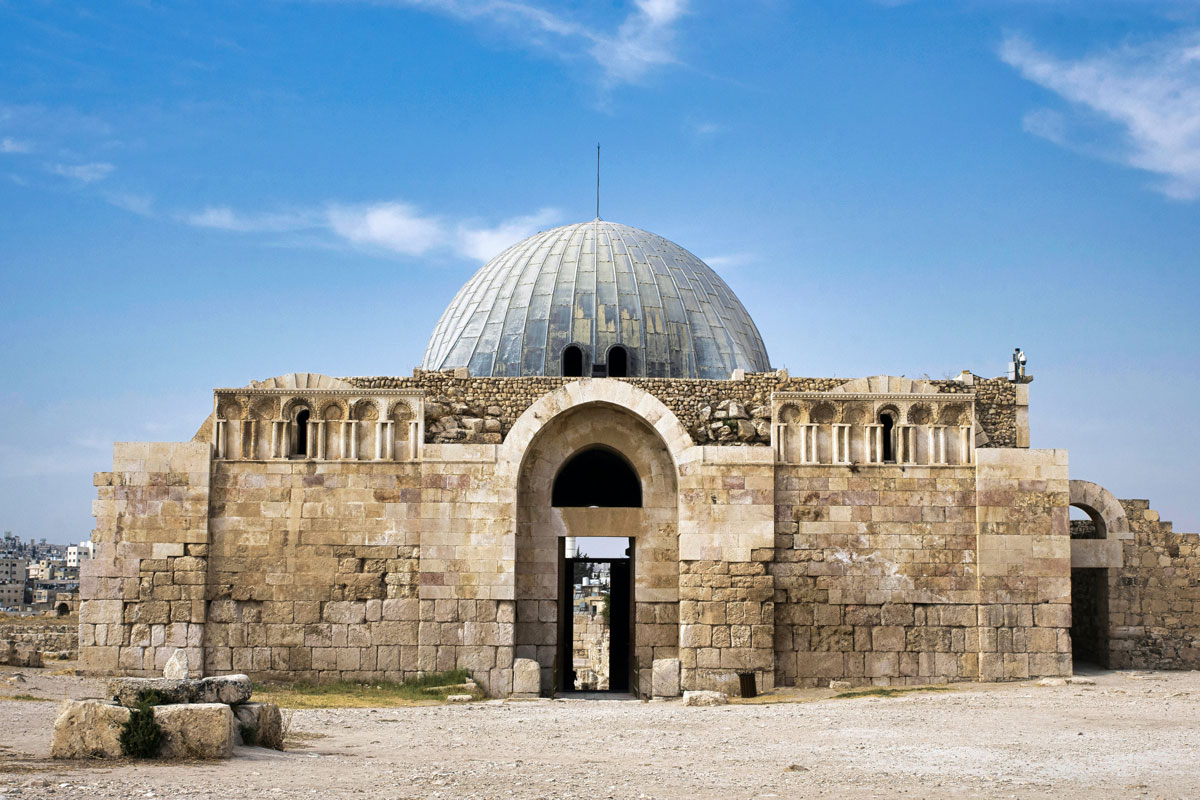
Amman Citadel rises above Downtown Amman on Jabal Al-Qal'a, a hill whose archaeological remains reveal several major chapters in the city's history. Roman temples, a Byzantine church, an Umayyad palace complex, later Islamic fortifications, and the Jordan Archaeological Museum all occupy the same hilltop, making the site much more than a single ancient monument.
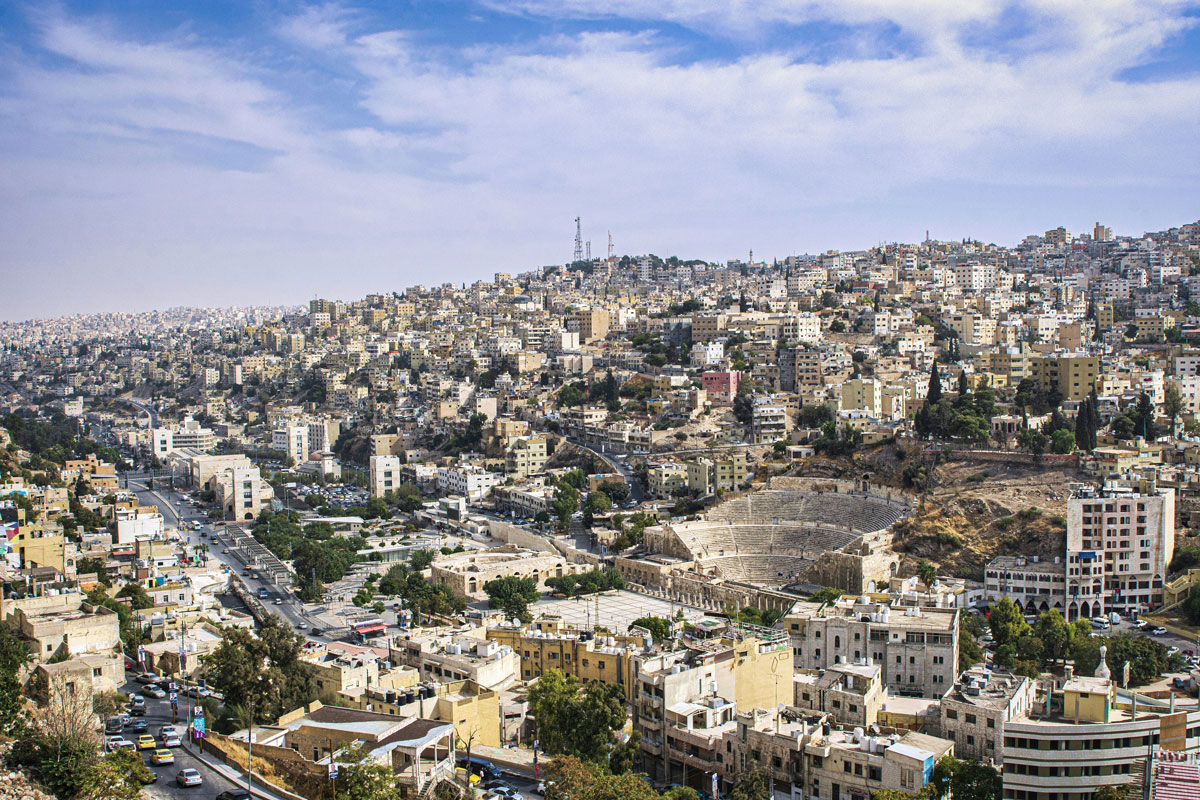
For travelers, the Citadel also provides one of the clearest ways to understand Amman itself. From its viewpoints, you can look across the densely built hills of the capital and toward the Roman Theatre below before exploring the remains at your own pace. This guide explains what the Amman Citadel is, what to see, how much time to allow, current ticket information, opening hours, access, and how to combine it with Downtown Amman.
Travelers building a longer itinerary around the capital, Petra, Jerash, Wadi Rum, and other destinations can also explore trips to Jordan when planning how these sites fit together.
The Amman Citadel is an archaeological site occupying Jabal Al-Qal'a, one of the historic hills in central Amman. Its elevated position made the hill strategically important, while successive communities reused and rebuilt the area over long periods of Jordan's history.
Today, the archaeological landscape includes evidence associated with Roman, Byzantine, Umayyad, Ayyubid, and earlier periods. Jordan's Department of Antiquities describes Jabal Al-Qal'a as an open-air museum and lists the Temple of Hercules, Byzantine Church, Umayyad Palace, Umayyad Mosque, market, cistern, and Ayyubid Tower among its major landmarks.
That variety is the key to understanding the site. The Citadel is not one preserved palace or temple. It is a hill where later buildings appeared beside, and sometimes reused material from, earlier structures.
The importance of the Citadel comes from the historical layers preserved in one relatively compact archaeological area.
Under Roman rule, ancient Amman was known as Philadelphia, and the hill contained one of the city's principal temples. Later, Christian communities built churches during the Byzantine period. Under the Umayyads, the summit became an important administrative center, with a substantial palace complex and associated structures. Jordan's Department of Antiquities notes that the hill served as the seat of government for the Umayyad governor.
Later fortifications also altered the site. ACOR records an Ayyubid tower built in the late 12th or early 13th century, partly using stones taken from the earlier Roman temple.
This means a visit is more useful when you look beyond individual ruins. Moving across the hill is effectively moving between different stages of Amman's development.
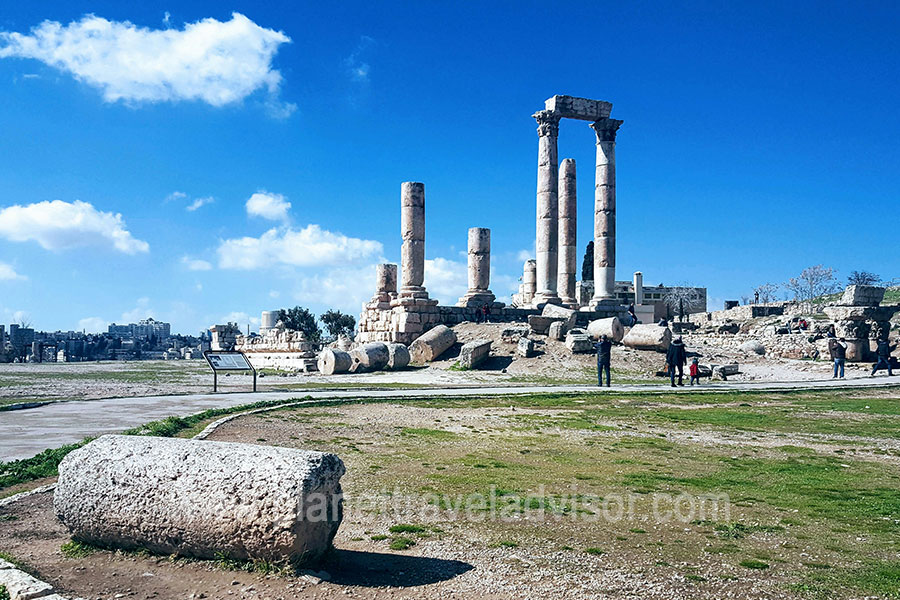
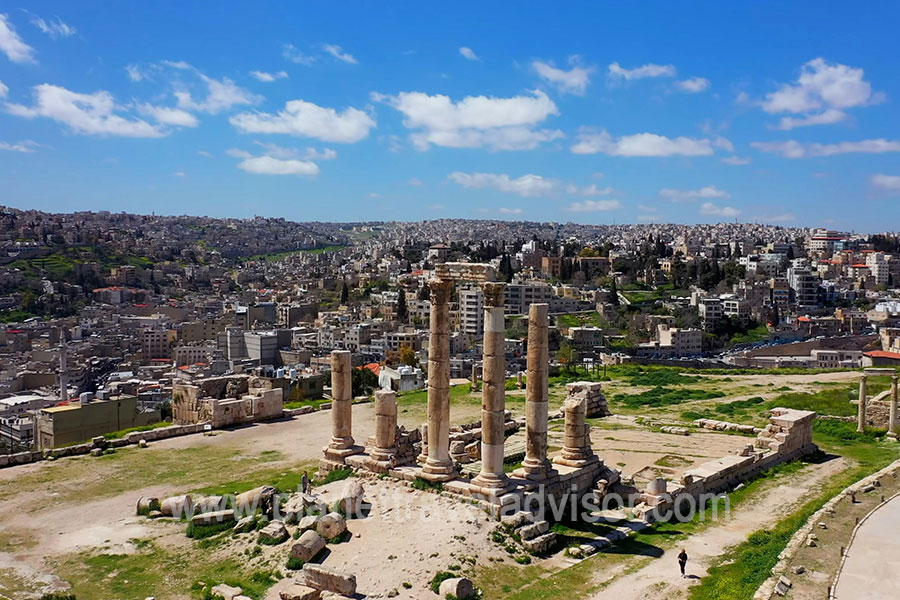
The monumental Roman columns are among the most recognizable remains on the Citadel.
The structure is popularly called the Temple of Hercules, but the name deserves some caution. ACOR refers to it as the Great Temple of Amman and notes that there is no conclusive evidence proving that it was dedicated to Hercules. An inscription dates the Roman temple to the governorship of Geminius Marcianus, around AD 161–166.
The surviving and reconstructed columns help visitors imagine the original scale of the building. ACOR's restoration work in the early 1990s re-erected parts of the monument, including columns and a large architrave, after archaeological excavation and study.
Do not rush past the temple after taking the standard photograph. Its position also gives useful views toward central Amman and helps show how the Roman upper city related to the urban area below.
At the northern part of the Citadel, the Umayyad complex introduces a completely different phase of the site's history.
Its most recognizable feature today is the monumental audience hall or gateway building with a reconstructed dome. Beyond it, the complex once included a colonnaded street as well as residential and administrative spaces associated with Umayyad government.
The palace is important because it makes the Citadel's historical transition easy to see. Within a short walk, visitors move from major remains of Roman Philadelphia to architecture associated with early Islamic Amman.
Nearby is a large circular cistern that supplied water to the palace area. It is easy to overlook compared with the domed hall, but it helps explain how the complex functioned rather than simply how it looked.
The remains of the Byzantine church sit between the better-known Roman and Umayyad monuments.
Jordan's Department of Antiquities states that three churches were built on the Citadel during the Byzantine period, while the surviving basilica visible to visitors preserves part of that Christian chapter of the hill's history.
Architecturally, it may appear less dramatic than the Roman columns or Umayyad audience hall. Historically, however, it is valuable because it provides another visible layer between those two periods.
The Jordan Archaeological Museum stands within the Citadel and was established in 1952. Its collections bring together artifacts discovered at archaeological sites across Jordan, ranging from prehistoric material to objects from the Islamic period.
Collections include pottery, coins, inscriptions, metal and glass objects, and sculpture. Among its notable displays are the plaster statues discovered at 'Ayn Ghazal.
The museum is particularly worthwhile for travelers who want more context than the outdoor ruins alone provide. Allow additional time if you intend to inspect the collection rather than simply entering briefly.
Several smaller features help complete the Citadel's story.
The Department of Antiquities identifies an Umayyad Mosque, market area, cistern, and Ayyubid Tower among the site's principal remains.
These structures are useful because they move the visitor's understanding beyond kings, temples, and monumental architecture. Water storage, commerce, administration, worship, and defense were all necessary parts of life on the hill.
The Ayyubid Tower is particularly interesting for the evidence of architectural reuse. ACOR notes that stones from the earlier Roman temple were incorporated into its construction.
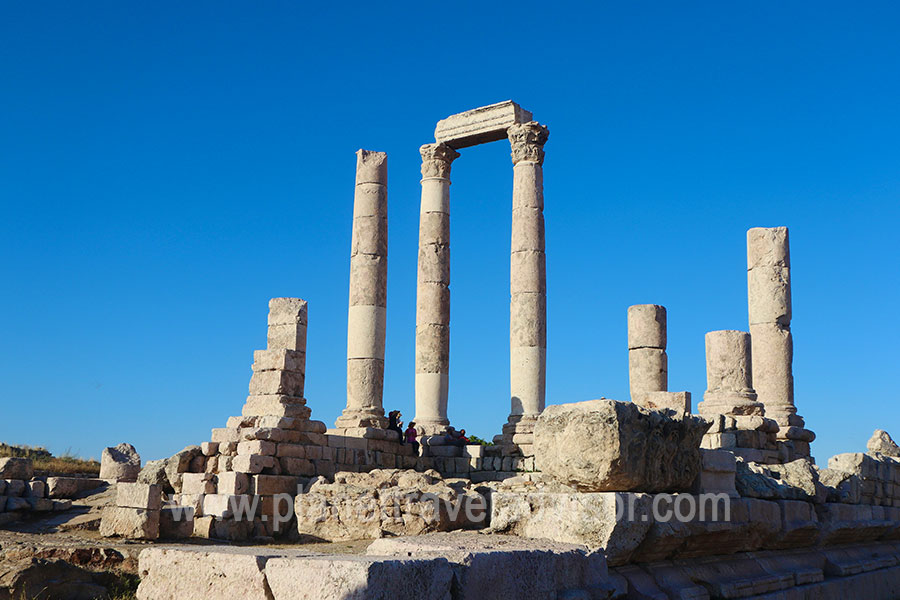
Most travelers should allow roughly one and a half to two hours if they want to see the principal ruins, enjoy the viewpoints, and spend some time in the archaeological museum.
A faster visit can focus on the Temple of Hercules, Byzantine remains, Umayyad Palace, and panoramic viewpoints. This works if the Citadel is one part of a tightly planned day in Downtown Amman.
History-focused travelers may want considerably longer. Reading interpretation, examining smaller archaeological features, visiting the museum properly, and photographing the site can easily extend the visit.
The best approach is therefore to plan by interest rather than forcing everyone into one fixed timetable.
The official Jordanian tourism fee schedule currently lists admission to the Amman Citadel at 3 JOD for non-Jordanian visitors and 0.25 JOD for Jordanians.
The Jordan Pass currently includes Amman Citadel among its covered attractions. If you already have a valid pass, check its current terms before purchasing an additional ticket.
Opening hours vary by season. Jordan's official e-ticket portal currently lists the Citadel and Jordan Archaeological Museum as follows:
Winter: 8:00 AM–4:00 PM
Summer: 8:00 AM–6:30 PM
April and May: 8:00 AM–5:30 PM
Ramadan: 9:00 AM–5:00 PM
Opening times, holiday schedules, and admission policies can change, so check the official Jordan e-ticket or tourism authority information shortly before visiting.
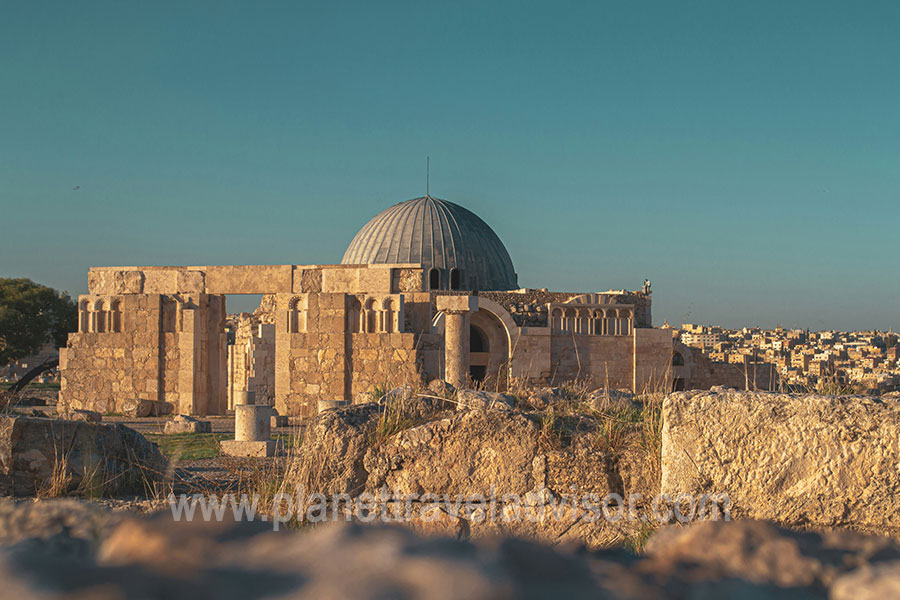
Morning and late afternoon offer different advantages.
A morning visit is usually the more practical choice during warmer periods. Much of the Citadel is exposed, so starting earlier can make walking between the ruins more comfortable before the strongest daytime heat.
Late afternoon is appealing for photography. Lower sunlight gives more definition to the Roman columns and limestone ruins, while the elevated position provides wide views across Amman's hills. The exact amount of late-day time available depends on seasonal closing hours, so do not assume you will always be able to remain inside until sunset.
Midday can still work, especially during cooler months, but shade is limited across large parts of the archaeological plateau. Water, sun protection, and appropriate footwear become more important.
The Citadel sits immediately above central Downtown Amman, but the difference in elevation makes the journey less straightforward than the map suggests.
A taxi or ride-hailing vehicle is the easiest option for reaching the entrance from Downtown or another part of Amman. Travelers who prefer walking can climb from the historic center, but the ascent is steep. Rough Guides estimates the uphill walk from Downtown at around 20 minutes and recommends a taxi as the easier way to reach the summit.
A useful compromise is to travel up by vehicle and walk down afterward. This saves energy for exploring the archaeological site while still allowing you to experience the streets connecting the Citadel with Downtown.
Wear shoes with reliable grip. Ancient paving, stone surfaces, slopes, and irregular ground can make footwear more important than the distance itself.
Yes. The Amman Citadel and Roman Theatre make one of the most logical sightseeing combinations in the capital.
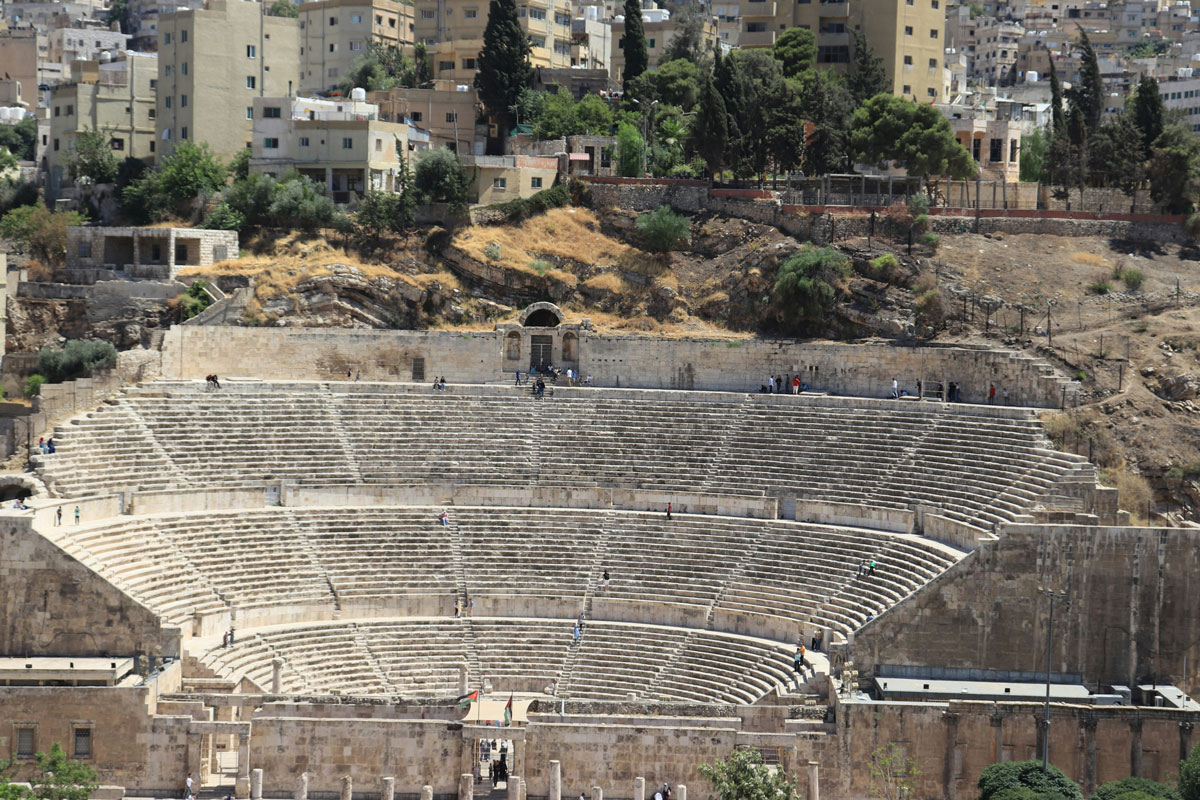
The Theatre lies below the Citadel in Downtown Amman and could accommodate approximately 6,000 spectators during the Roman period.
A practical route is to visit the Citadel first, then descend toward Downtown and continue to the Roman Theatre. This also lets you see the relationship between the elevated monumental area and the lower part of ancient Philadelphia.
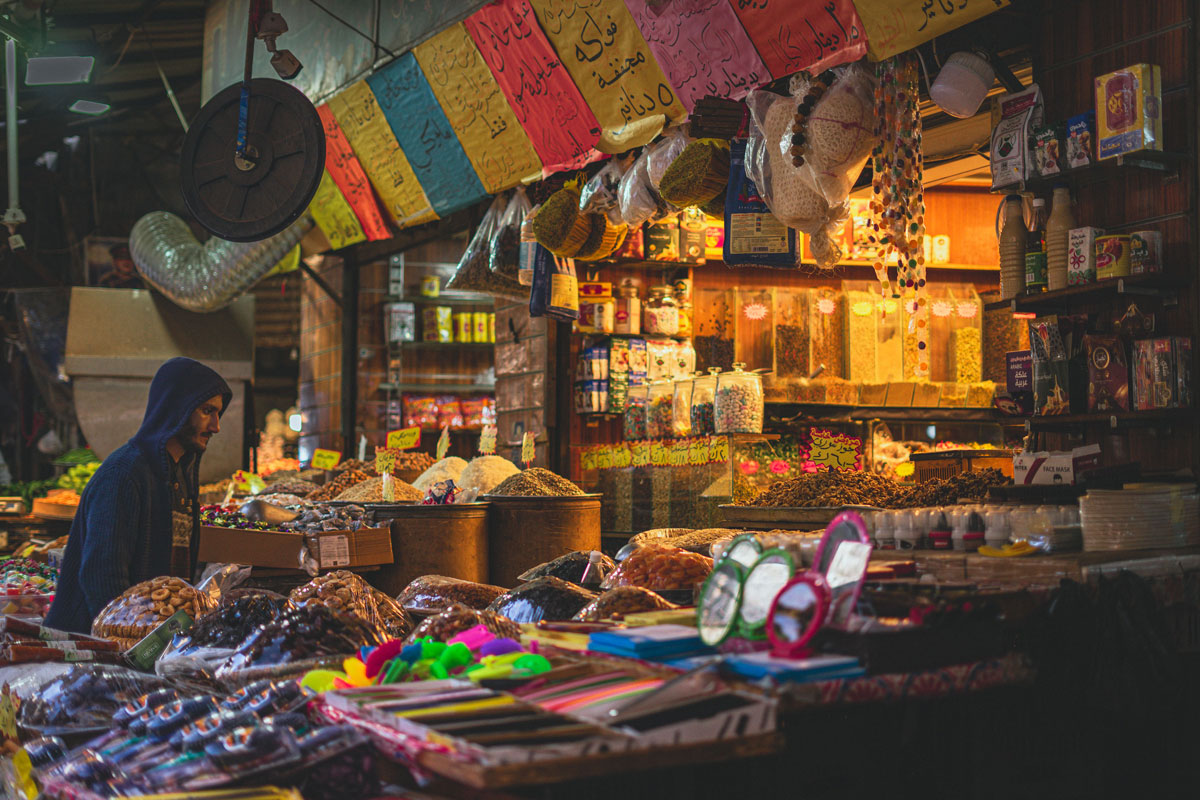
After the Theatre, continue into Al-Balad rather than immediately leaving the area. Markets, food shops, cafés, and traditional commercial streets add the modern city to the historical route.
For travelers who want to continue beyond Amman to Jerash, Petra, Wadi Rum, the Dead Sea, or other parts of the country, Jordan tours can make it easier to place the capital within a longer Jordan itinerary.
Wear comfortable shoes suitable for stone paths and uneven ground.
Carry water, particularly during warmer months.
Use sunscreen, sunglasses, and a hat because much of the site is exposed.
Check seasonal opening hours shortly before visiting.
Allow extra time if you want to see the Jordan Archaeological Museum properly.
Consider taking a taxi uphill and walking down toward Downtown afterward.
Do not treat the Temple of Hercules and Umayyad Palace as the entire site; smaller structures help explain how the Citadel functioned.
Respect barriers and avoid climbing on archaeological remains.
For photography, morning and late-afternoon light generally provide more texture than harsh midday sun.
Pair the Citadel with the Roman Theatre and Al-Balad if you want a practical half-day introduction to historic Amman.
Amman Citadel is most rewarding when you see it as a collection of historical layers rather than a stop for two or three famous photographs. The Roman temple, Byzantine church, Umayyad complex, museum, water system, fortifications, and surrounding views together explain far more about Amman than any one monument can.
Allow enough time to explore beyond the headline ruins, check current seasonal hours before leaving your hotel, and consider continuing downhill to the Roman Theatre and Al-Balad. That sequence turns the Citadel into the starting point for understanding historic Amman rather than an isolated archaeological attraction.


A curated list of the most popular travel packages based on different destinations.
Plan your trip with this Amman travel guide covering top sights, food, neighborhoods, transport, day trips, where to stay, and practical visitor tips.
Plan your Amman Roman Theatre visit with current ticket prices, opening hours, Jordan Pass details, history, nearby sights, and practical travel tips.
Explore the best souqs in Amman, from Al-Balad and the Gold Souq to Souq Jara, with shopping tips, souvenirs, timing, and nearby sights.
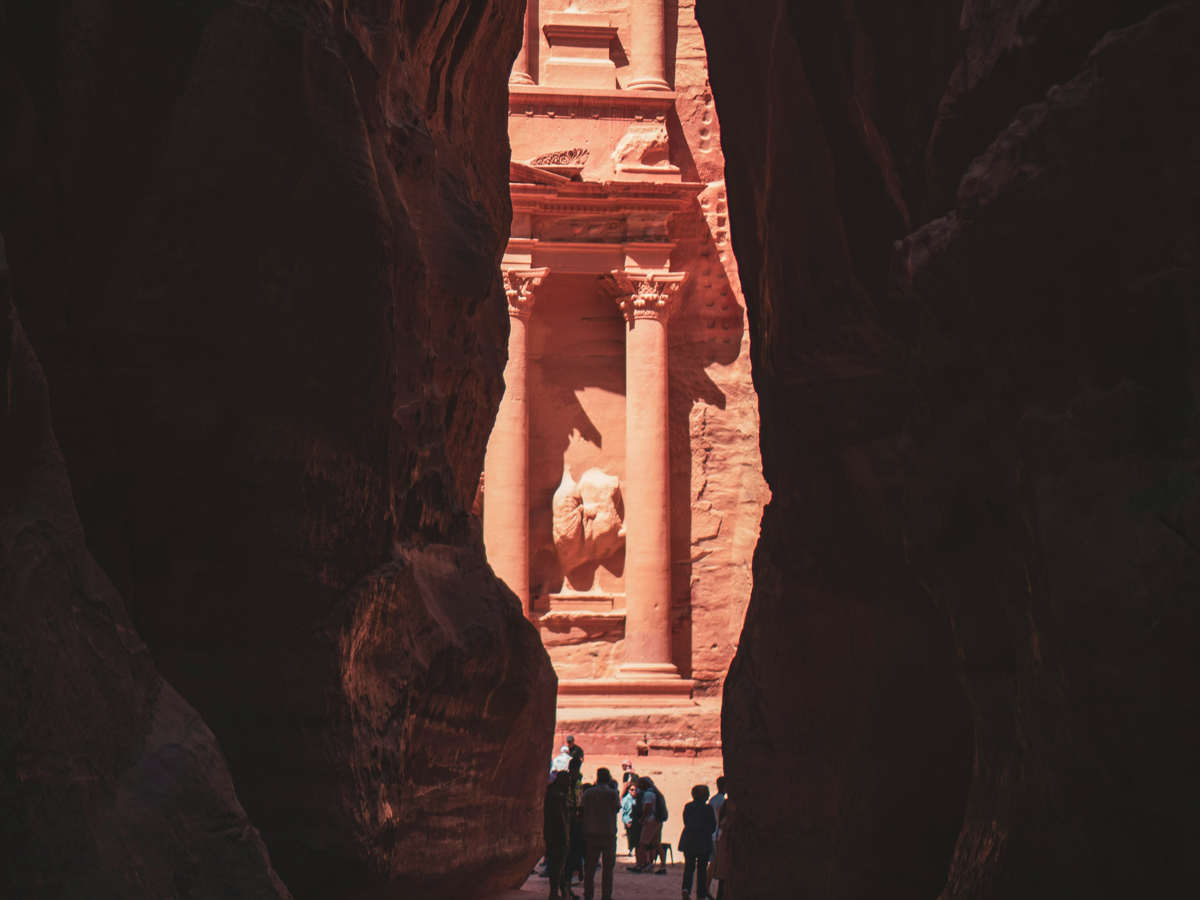
Explore Siq Petra, its Nabataean water system, ancient carvings, Treasury walk, history, opening hours, tickets, photography tips, and visitor advice.
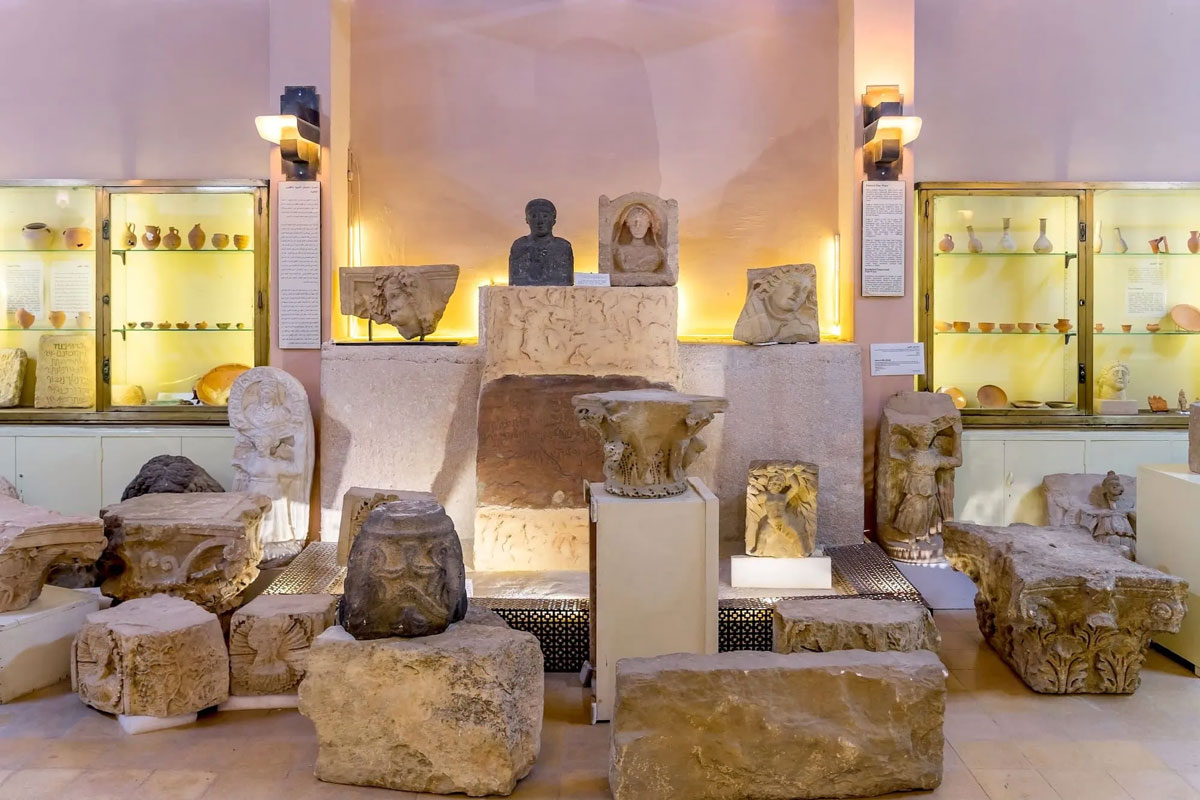
Explore the Jordan Archaeological Museum in Amman, including top artifacts, tickets, Jordan Pass, opening hours, Citadel tips, and visitor advice.
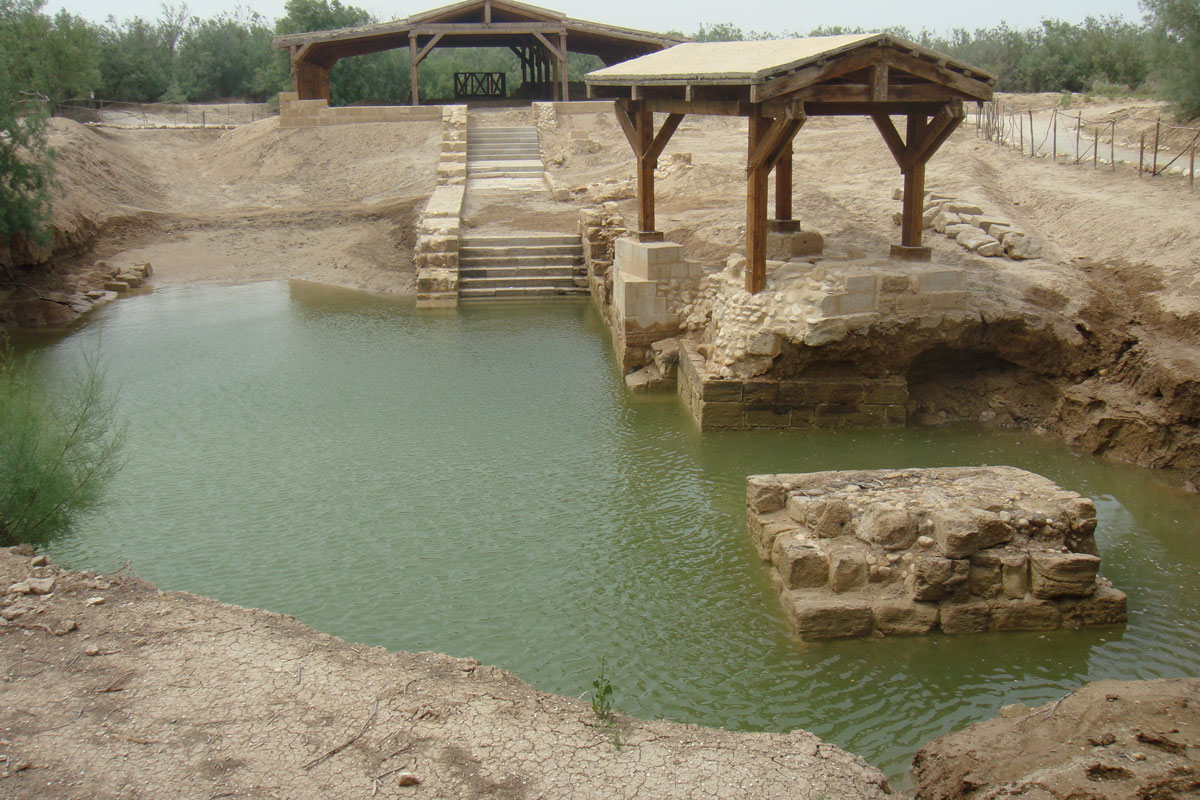
Plan your visit to the Baptism Site in Jordan with its biblical history, archaeology, tickets, opening hours, Jordan Pass details, and nearby stops.
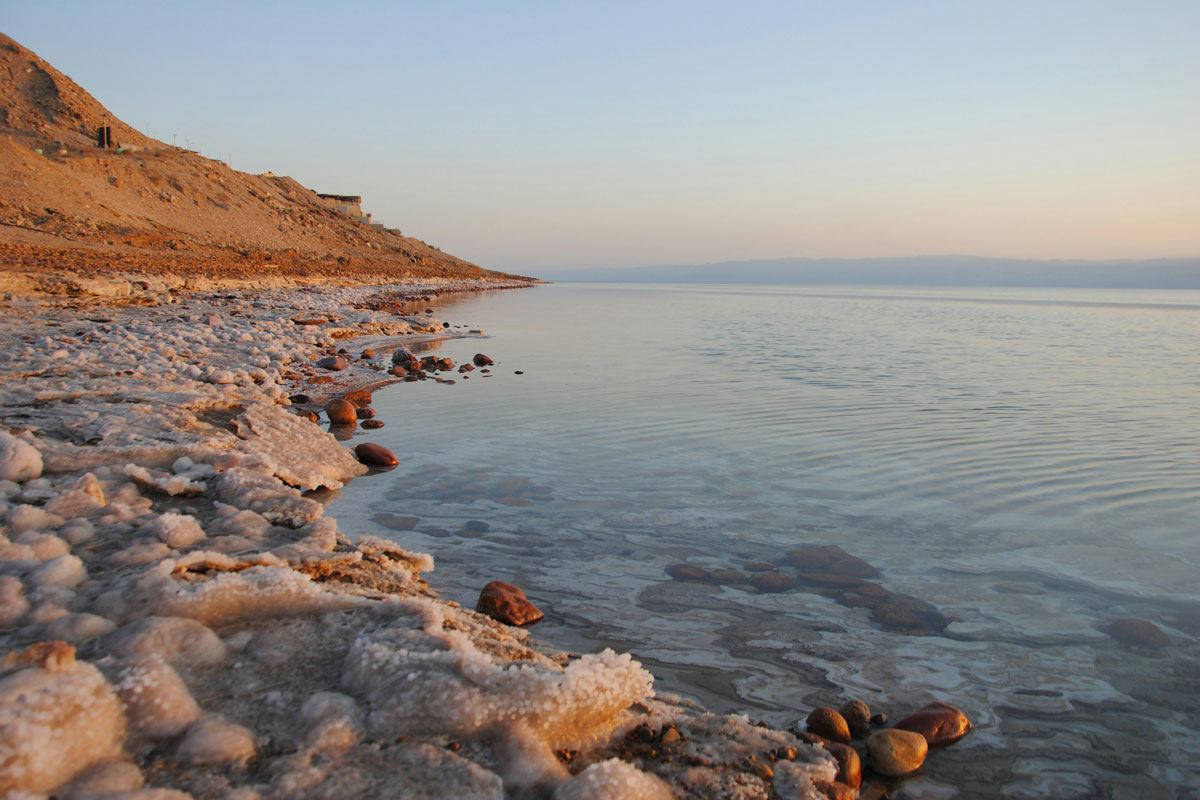
Plan your Dead Sea Jordan visit with tips on floating, beaches, resorts, transport, best times, safety, nearby attractions, and how long to stay.
Explore Downtown Amman with tips on the Roman Theatre, souks, local food, walking routes, the Citadel, safety, transport, and the best time to visit.
Plan your visit to Hadrian’s Arch Jerash with its history, architecture, tickets, opening hours, Jordan Pass details, nearby sites, and travel tips.
Plan your first visit to Jerash Jordan with the best ruins to see, walking route, tickets, Jordan Pass details, opening hours, timing, and travel tips.
Explore the best Jordan Valley attractions and things to do, from ancient Pella and the Jordan River to the Dead Sea, with practical tips for planning your visit.
Explore the Jordan River's biblical history, where Jesus was baptized, how to visit from Amman, and the best nearby places to include on your Jordan trip.
We go beyond just booking trips—we create unforgettable travel experiences that match your dreams!



A beautifully organized journey from start to finish. We booked the "5 Days Trip through Istanbul, Gallipoli, and Troy" package and were impressed by how professionally everything was arranged. The itinerary gave us enough time to enjoy Istanbul, Gallipoli, and Troy without feeling rushed, and all transfers and day tours ran on time. The communication before arrival was clear and helpful, which made planning much easier. What we appreciated most was the balance between guided sightseeing and free time, so the whole trip felt comfortable and enjoyable. If you are looking for a reliable way to explore Turkey, this is a great option. The itinerary was well balanced and never felt rushed.
One of the smoothest tours we have ever booked. We booked the "14 Days Vietnam to Cambodia Heritage Tour" package and were impressed by how professionally everything was arranged. The itinerary gave us enough time to enjoy Vietnam and Cambodia without feeling rushed, and all transfers and day tours ran on time. The communication before arrival was clear and helpful, which made planning much easier. What we appreciated most was the balance between guided sightseeing and free time, so the whole trip felt comfortable and enjoyable. If you are looking for a reliable way to explore Vietnam, this is a great option. It was the perfect mix of sightseeing, comfort, and great logistics.
Everything about this package felt thoughtfully planned. We booked the "Best Day Tour Madaba, Nebo, Baptism Site & Dead Sea" package and were impressed by how professionally everything was arranged. The itinerary gave us enough time to enjoy Madaba, Mount Nebo, and the Dead Sea without feeling rushed, and all transfers and day tours ran on time. The communication before arrival was clear and helpful, which made planning much easier. What we appreciated most was the balance between guided sightseeing and free time, so the whole trip felt comfortable and enjoyable. If you are looking for a reliable way to explore Jordan, this is a great option. The guides, transfers, and pacing all worked together perfectly.
One of the smoothest tours we have ever booked. We booked the "7 Days Cappadocia, Konya, Antalya, Pamukkale & Ephesus Tour" package and were impressed by how professionally everything was arranged. The itinerary gave us enough time to enjoy Cappadocia, Ephesus, Pamukkale, Antalya, and Konya without feeling rushed, and all transfers and day tours ran on time. The communication before arrival was clear and helpful, which made planning much easier. What we appreciated most was the balance between guided sightseeing and free time, so the whole trip felt comfortable and enjoyable. If you are looking for a reliable way to explore Turkey, this is a great option. It was the perfect mix of sightseeing, comfort, and great logistics.
This trip exceeded all our expectations. We booked the "Discover Turkey in 6 Days from Istanbul to Ephesus" package and were impressed by how professionally everything was arranged. The itinerary gave us enough time to enjoy Istanbul and Ephesus without feeling rushed, and all transfers and day tours ran on time. The communication before arrival was clear and helpful, which made planning much easier. What we appreciated most was the balance between guided sightseeing and free time, so the whole trip felt comfortable and enjoyable. If you are looking for a reliable way to explore Turkey, this is a great option. We would absolutely recommend it to anyone visiting this destination.











Comments (02)
Mr. Bowmik Haldar,
05 June, 2024Outstanding News & Insight! Thank you so much for sharing like this article
Jacoline Juie,
05 June, 2023However, here are some well-regarded car dealerships known for their customer service, inventory, and overall reputation. It's always a good idea to research and read reviews specific...
Leave Your Comment: