 Visit Turkey
 Visit Vietnam
 Visit Cambodia
 Visit Dubai
 Visit Jordan


Amman Guide 2026 - Things to Do and Visitor Tips
Plan your trip with this Amman travel guide covering top sights, food, neighborhoods, transport, day trips, where to stay, and practical visitor tips.



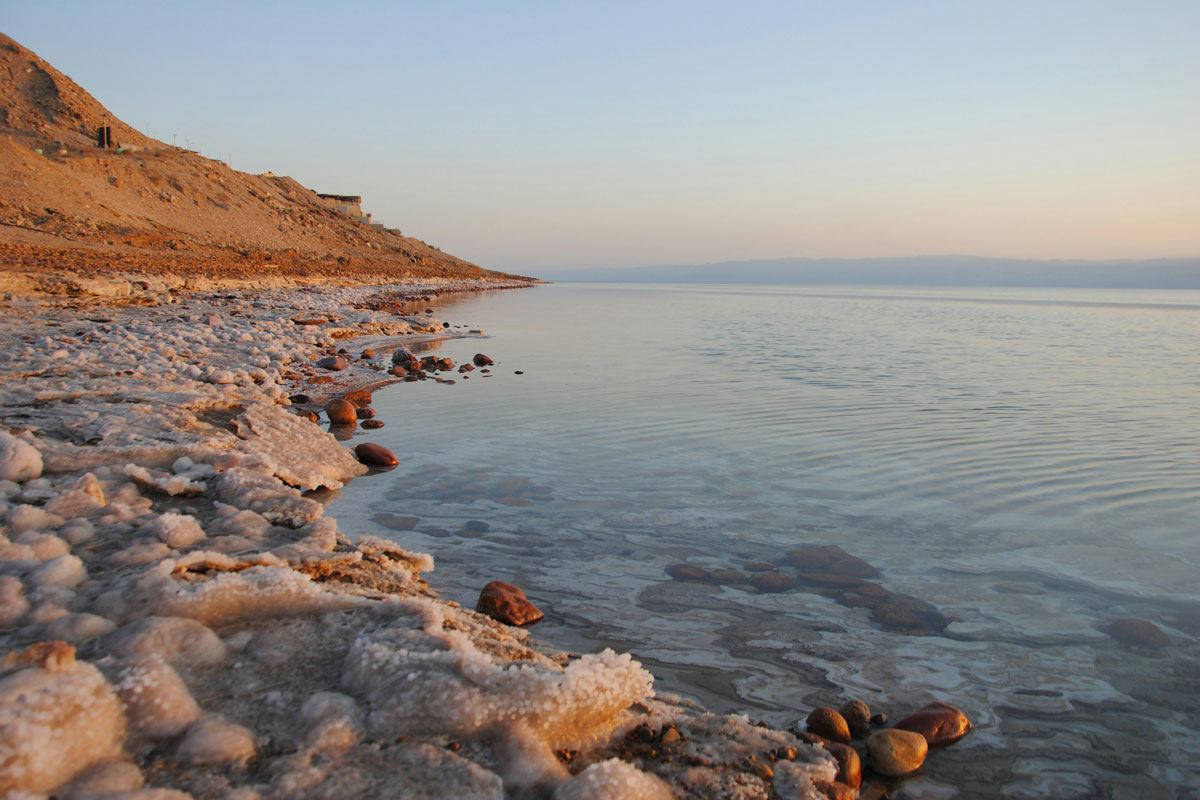
The Dead Sea is one of Jordan’s most distinctive natural experiences. Set more than 400 metres below sea level, this hypersaline lake is famous for water so dense that visitors can float with very little effort. The Jordan Tourism Board describes its water as roughly ten times saltier than ordinary seawater, while other published measurements put the salt concentration at around 34%.
For most travelers, however, planning a Dead Sea visit involves more than choosing a place on the map. You need to decide where to enter the water, whether a beach or resort suits your plans, how long to stay, what to bring, and how to fit the experience into the rest of a Jordan itinerary.
If the Dead Sea is part of a wider journey through Amman, Petra, Wadi Rum, and other destinations, organized Jordan tours can also simplify transportation and route planning.
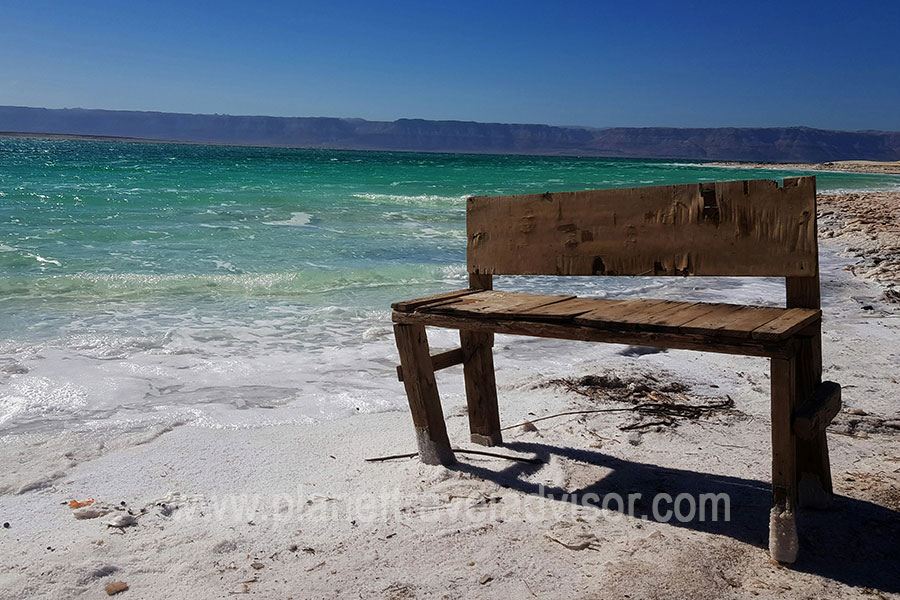
The chance to float is the main reason many travelers come, but it is not the only reason to stop here. The landscape is striking in its own right. Desert mountains rise around an intensely blue body of water, while the western horizon gives the area particularly attractive evening light.
Its unusual buoyancy comes from the extremely high concentration of dissolved salts and minerals. Instead of swimming in the conventional sense, most visitors gently recline on their backs and allow the dense water to support them.
The mineral-rich black mud associated with the Dead Sea is another well-known part of the experience. Resorts and managed beaches may provide mud for recreational use, and spa properties throughout the area build wellness experiences around the region's mineral environment. It is better to think of these as spa and wellness activities rather than assume that a casual mud application provides a specific medical treatment.
For first-time visitors to Jordan, the Dead Sea is generally worth including because it contrasts so strongly with the country's archaeological and desert experiences. It can also provide a slower day between more active stops such as Petra or Wadi Rum.
Floating should be at the top of the list. Enter slowly at an approved access point, move into sufficiently deep water, then lean backward gradually rather than trying to swim. The high salinity provides noticeably greater buoyancy than ordinary seawater.
Many visitors also apply Dead Sea mud before rinsing it away. Availability varies between resorts and beaches, so do not assume that mud, towels, lockers, or showers are automatically included in every admission.
A resort day can make the experience more comfortable. Pools, shaded areas, restaurants, changing facilities, showers, and private beach access allow travelers to turn a quick float into several hours of relaxation. Visitors interested in a slower stay can book an overnight resort rather than returning to Amman the same day.
Late afternoon is particularly appealing if your chosen facility remains open long enough. The changing light over the water can make sunset one of the most memorable parts of the visit. Complete your float and freshwater rinse before concentrating on sunset rather than entering the water just as access is closing.
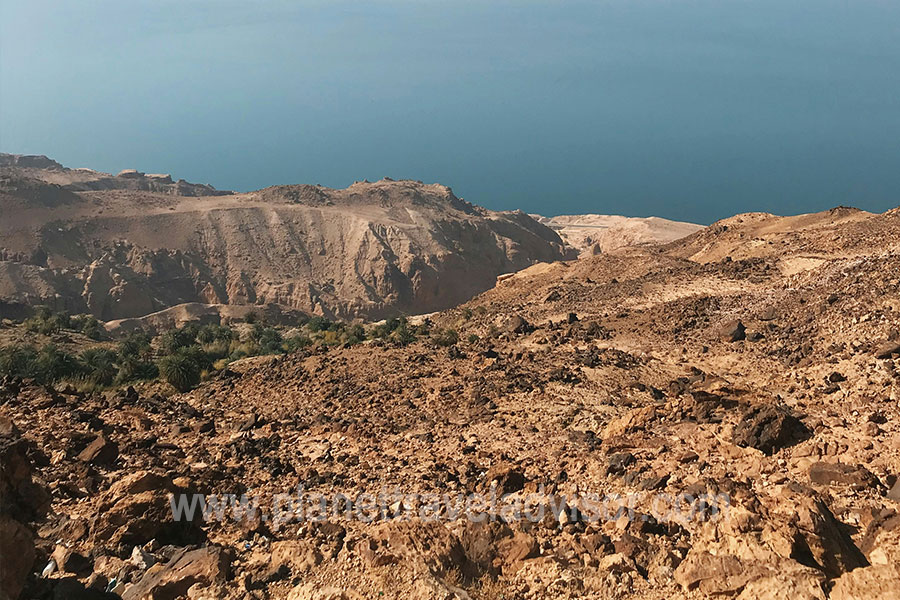
One of the most important planning decisions is where you will actually enter the water.
Do not assume every visible section of shoreline is suitable for swimming. Changing water levels can leave exposed salt, unstable ground, soft sediment, and difficult approaches in some areas. A managed beach or resort gives visitors a designated water-entry route and usually provides better access to showers and changing facilities.
The Jordan Tourism Board currently lists public beachfront facilities as well as the main resort zone. Its 2026 destination information also highlights the renewed Dead Sea Public Beach, swimming pools, beachfront areas, the Dead Sea Corniche, and a 3.5-kilometre promenade.
A resort day pass can be useful if you want beach access without booking a room. Exact inclusions vary, so confirm whether the current price includes towels, pools, mud, lockers, meals, or spa facilities.
An overnight stay is a better fit for travelers who want a relaxed sunset, resort dining, spa time, and a slower morning without immediately continuing by road.
Because access arrangements and prices can change, check the exact beach or resort shortly before traveling rather than relying on old blog prices.
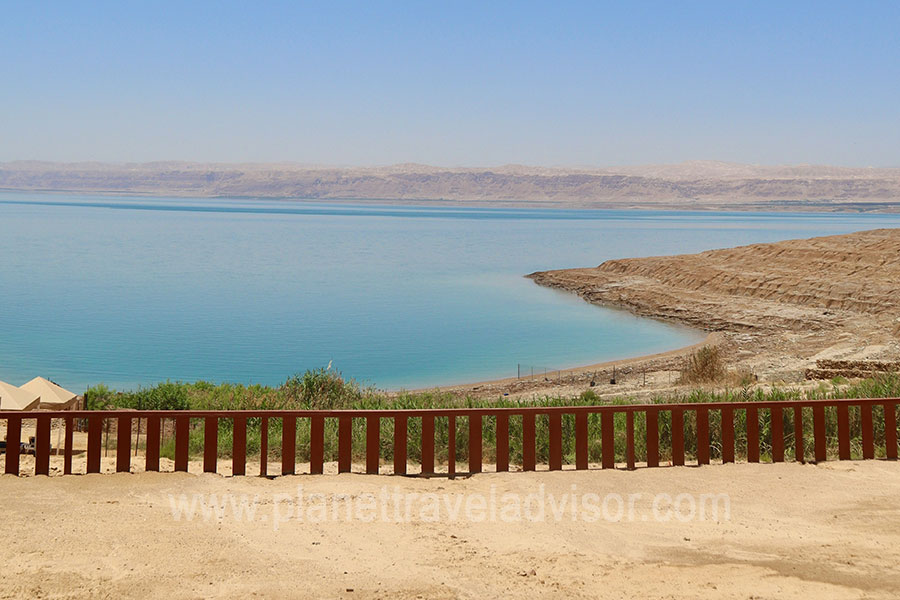
The Dead Sea is easy to reach from Jordan's capital. The Jordan Tourism Board currently describes it as less than an hour's drive west of Amman, although the actual journey depends on your starting point, traffic, and chosen beach or resort.
A rental car offers the most flexibility, particularly if you are combining the Dead Sea with Madaba, Mount Nebo, or destinations farther south. A private driver is easier if you prefer not to navigate and can also make a multi-stop day more efficient.
Taxis and arranged transfers are practical for visitors staying in Amman who only want a Dead Sea day trip. Before leaving, agree on whether the driver will wait, return later, or provide one-way transportation.
Travelers planning several destinations may find Jordan tours more convenient than arranging separate transfers between Amman, the Dead Sea, Petra, and Wadi Rum.
A few hours can be enough if your priority is simply to experience the water. Allow time to change, enter carefully, float, try mud if available, rinse thoroughly, and relax before leaving.
A full day works better if you are using a resort day pass. You can alternate the Dead Sea experience with lunch, pool time, shade, or spa services rather than rushing through the visit.
One night is a good middle ground for travelers who want sunset and a relaxed morning. It also provides useful downtime during a busy cultural itinerary.
Two nights usually make more sense for people who specifically want resort time, wellness treatments, or a slower holiday rather than travelers trying to see Jordan's major attractions within a limited number of days.
Pack for the unusual combination of salt, sun, and a sometimes uneven shoreline.
Useful items include:
Comfortable swimwear
Water shoes or secure sandals
Sunscreen
Drinking water
A towel if your venue does not provide one
A dry change of clothes
Waterproof protection for your phone
A bag for wet swimwear
Sunglasses and sun protection
Older swimwear can be practical because concentrated salt and mud are not especially kind to delicate fabrics.
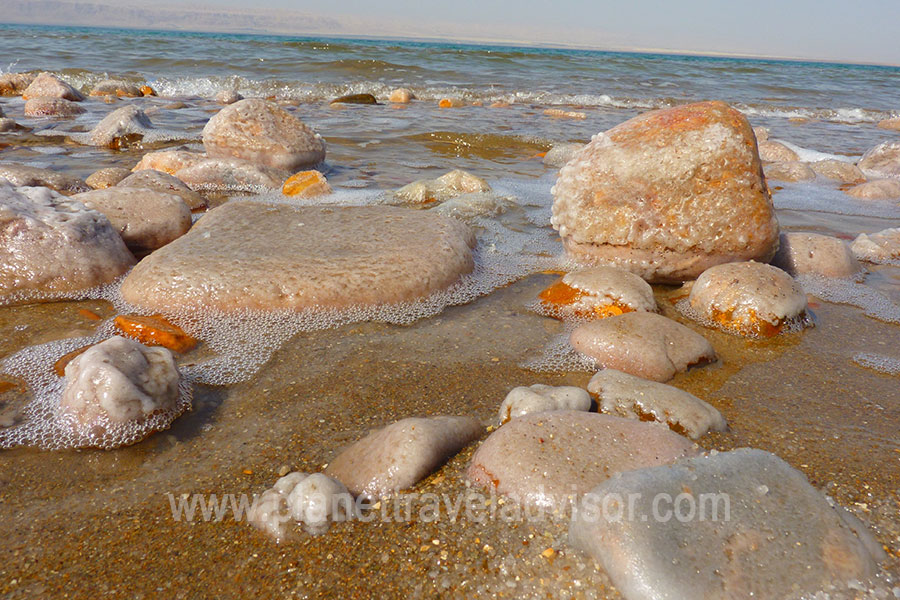
Remove valuable jewelry before entering the water and rinse both your skin and swimwear in fresh water afterward. Good footwear is also useful because shorelines may include salt deposits, stones, or surfaces that become uncomfortable underfoot.
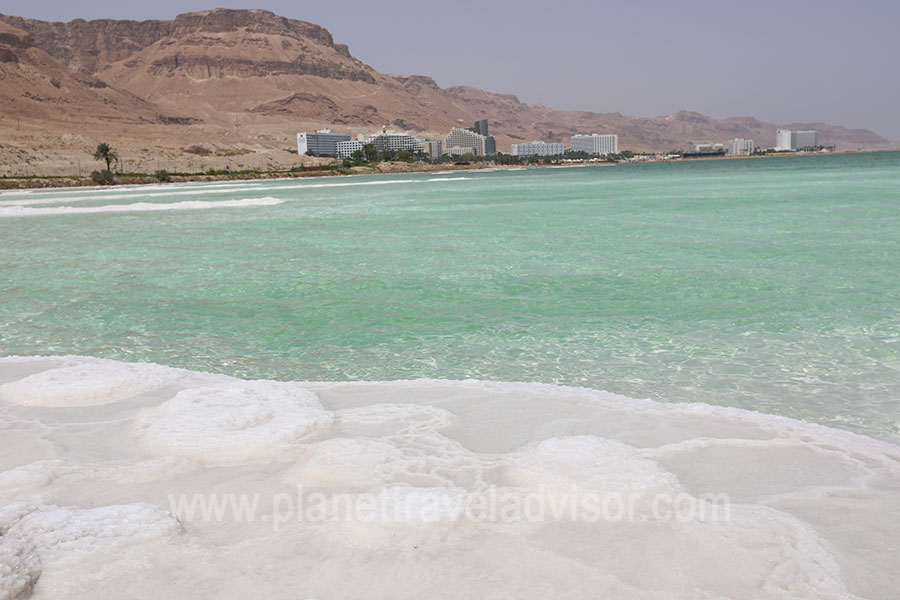
Spring and autumn generally offer an easier balance for sightseeing and time outdoors. Summer days in the Jordan Valley can become intensely hot, so early morning and later afternoon are usually more comfortable than the middle of the day.
Winter can be pleasant, but visitors should expect more variable conditions, including cooler temperatures, wind, rain, and shorter daylight hours.
The best time of day also depends on the purpose of your visit. Morning works well when avoiding heat is the priority. Late afternoon provides softer light and the possibility of watching sunset after your float.
Always check the date-specific weather forecast before traveling, especially if your itinerary also includes wadis or outdoor hiking.
Treat the Dead Sea as a controlled floating experience rather than a normal swimming beach.
Use a managed access point and follow the facility's current instructions. Enter slowly, turn so your back faces the water, lower yourself carefully, and recline gradually. Avoid sudden movements once floating.
Do not dive, jump, swim face-down, intentionally immerse your head, or splash other people. The concentrated brine can cause intense irritation if it reaches the eyes or mouth. Current visitor-safety guidance also recommends leaving the water if you become dizzy, overheated, uncomfortable, or unable to control your position.
Fresh cuts and irritated skin can sting strongly. Shaving, waxing, or exfoliating shortly before the visit may also leave small irritated areas. There is no universal number of hours that guarantees recently shaved skin will be comfortable, so judge the condition of your skin rather than relying on a fixed internet rule. Open wounds are a reason to avoid natural water unless appropriate medical and venue guidance says otherwise.
After floating, rinse thoroughly with fresh water. Do the same with footwear, swimwear, and equipment exposed to concentrated salt.
The Dead Sea works particularly well as part of a broader route through central Jordan.
Madaba is known for its Byzantine and Umayyad mosaics, particularly the famous mosaic map housed in St. George's Church. The Jordan Tourism Board promotes Madaba as a cultural and religious destination close to Amman and the Dead Sea region.
Mount Nebo can easily be paired with Madaba. From the elevated site, clear days can provide wide views toward the Jordan Valley and Dead Sea.
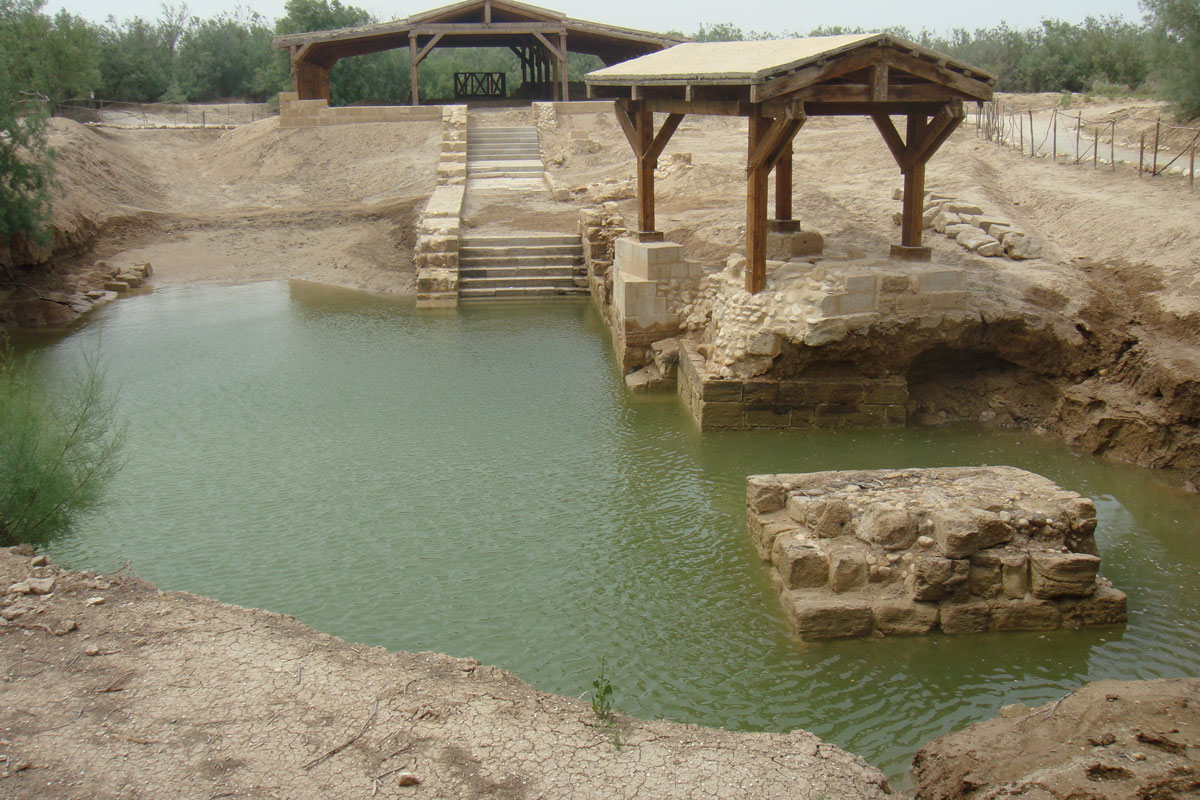
Bethany Beyond the Jordan, or Al-Maghtas, is especially important for travelers interested in Christian history. UNESCO lists the archaeological site as the place accepted by the majority of Christian denominations as the location where Jesus was baptized by John the Baptist. It lies about nine kilometres north of the Dead Sea and was inscribed on the World Heritage List in 2015.
Wadi Mujib provides a very different experience for active travelers. The reserve has canyon and water trails, but access depends on the specific trail, weather, and operational conditions. RSCN's 2026 information lists the self-guided Siq Trail at approximately two to three hours, so check directly with the reserve before building it into the same day as the Dead Sea.
Ma'in Hot Springs is another option for travelers interested in landscapes and wellness. It is best treated as a separate experience rather than trying to fit every nearby attraction into one rushed day.
For a short trip from Amman, a logical route can combine Madaba, Mount Nebo, and the Dead Sea. The three stops work geographically, although travelers should avoid adding so many activities that the Dead Sea becomes a hurried final photo stop.
Another practical route is Amman → Dead Sea → Petra. Spending a night by the Dead Sea before continuing south gives the itinerary a more relaxed pace.
Travelers with more time can continue through Petra and Wadi Rum, creating a journey that moves from city and religious heritage to the Dead Sea, Nabataean archaeology, and desert landscapes.
If you prefer not to coordinate hotels, drivers, and transfers independently, well-planned trips packages to Jordan can connect these destinations without turning each travel day into a separate logistical problem.
The Dead Sea is straightforward to add to a Jordan itinerary once you make three decisions: where you will enter the water, how much time you want to spend there, and where you are traveling next.
A few hours are enough for the classic float and mud experience. A full day gives you more time to enjoy a managed beach or resort, while an overnight stay works well for travelers who want sunset, spa time, and a slower pace.
Choose managed access, keep the concentrated water away from your face, rinse afterward, and avoid turning the visit into a rushed stop between too many attractions. Planned well, the Dead Sea provides a welcome change of pace between Jordan's cities, archaeological sites, mountains, and deserts.
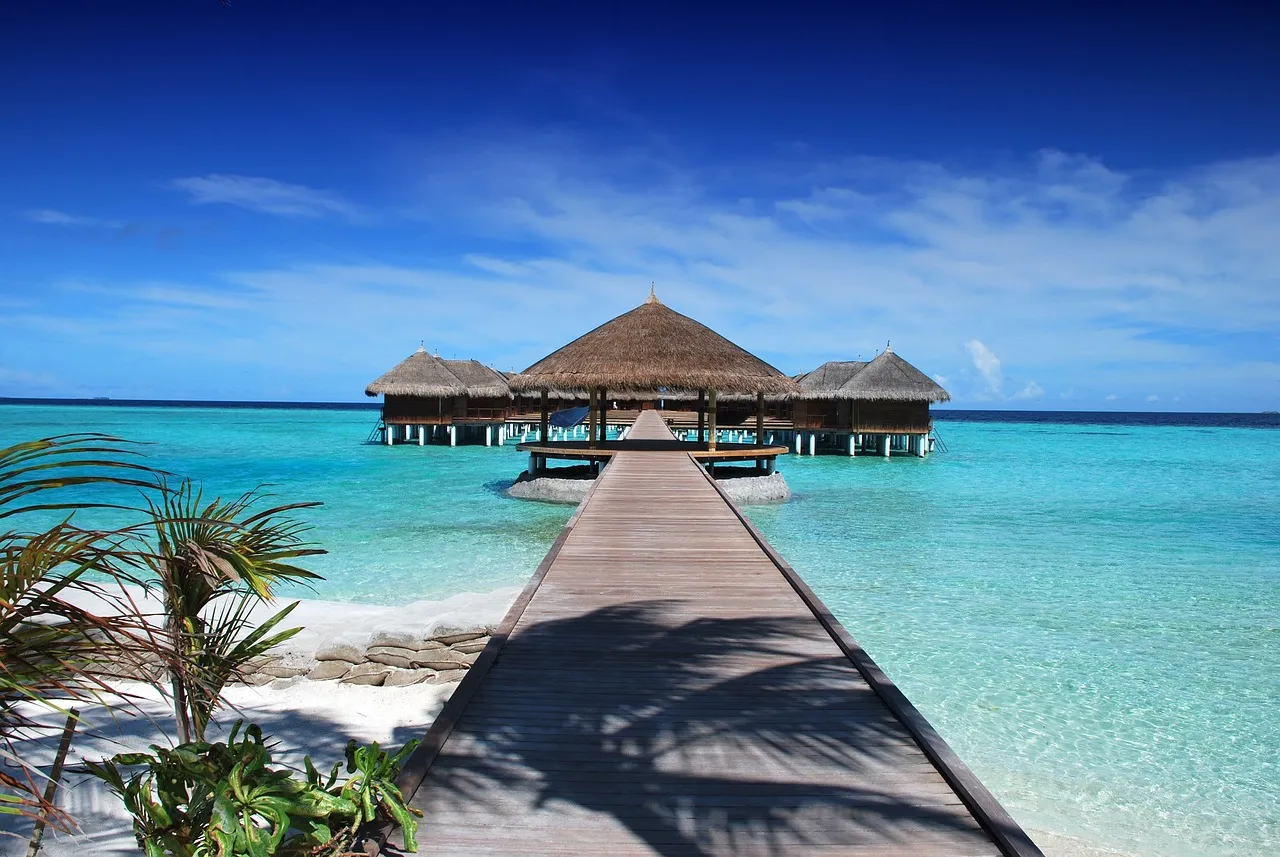
A curated list of the most popular travel packages based on different destinations.
Plan your trip with this Amman travel guide covering top sights, food, neighborhoods, transport, day trips, where to stay, and practical visitor tips.
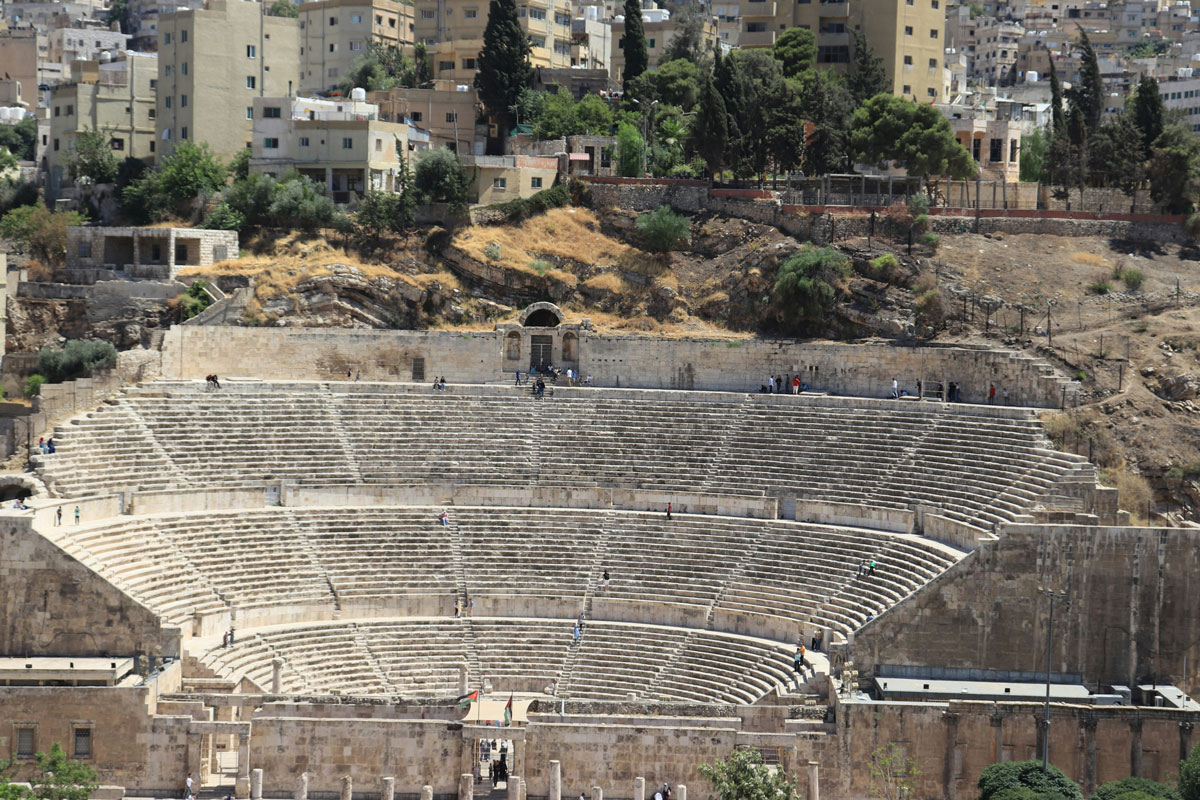
Plan your Amman Roman Theatre visit with current ticket prices, opening hours, Jordan Pass details, history, nearby sights, and practical travel tips.
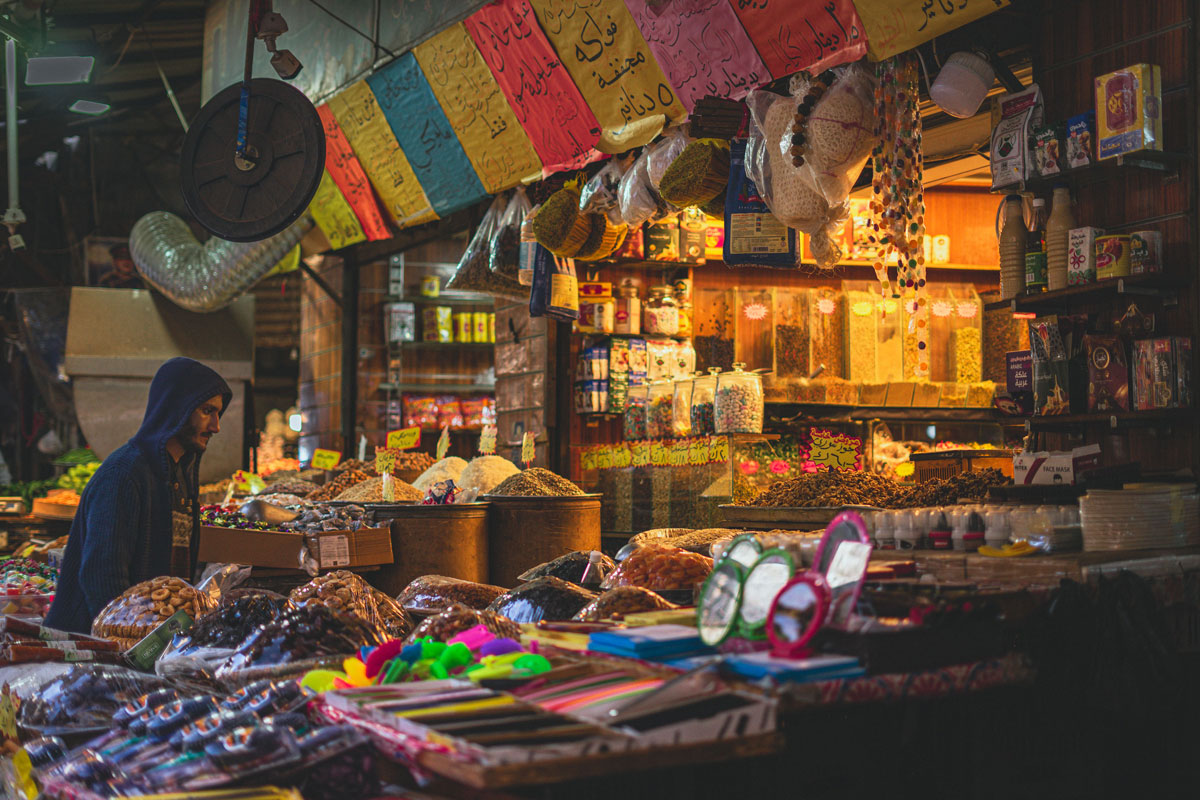
Explore the best souqs in Amman, from Al-Balad and the Gold Souq to Souq Jara, with shopping tips, souvenirs, timing, and nearby sights.
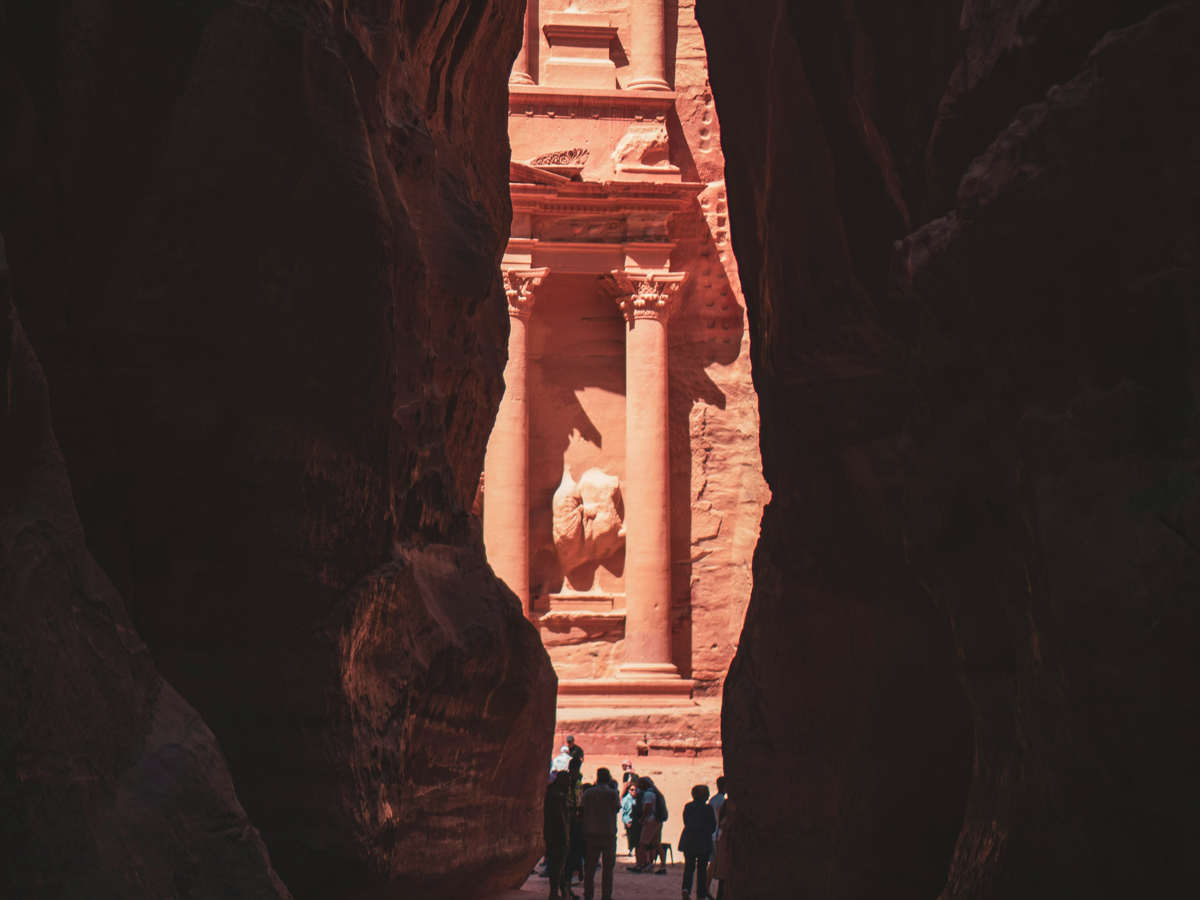
Explore Siq Petra, its Nabataean water system, ancient carvings, Treasury walk, history, opening hours, tickets, photography tips, and visitor advice.
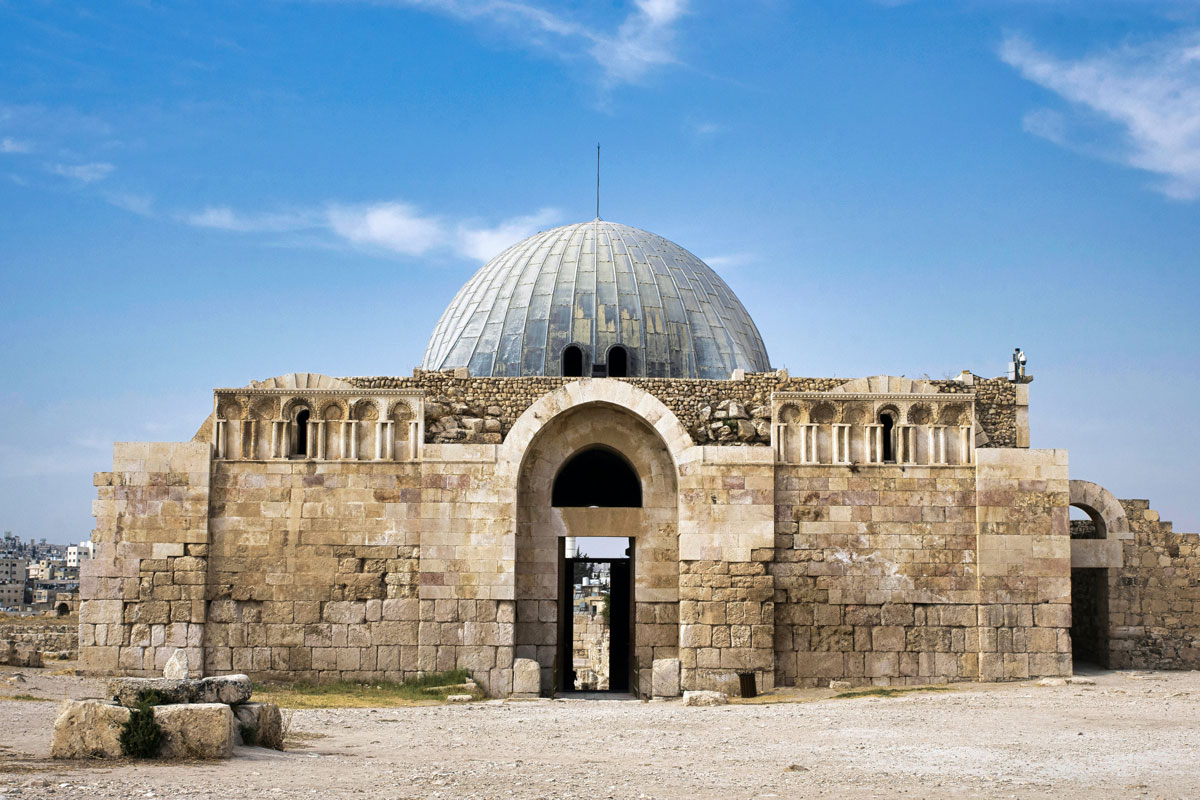
Explore Amman Citadel with practical tips on history, top sights, tickets, opening hours, Jordan Pass access, timing, transport, and nearby attractions.
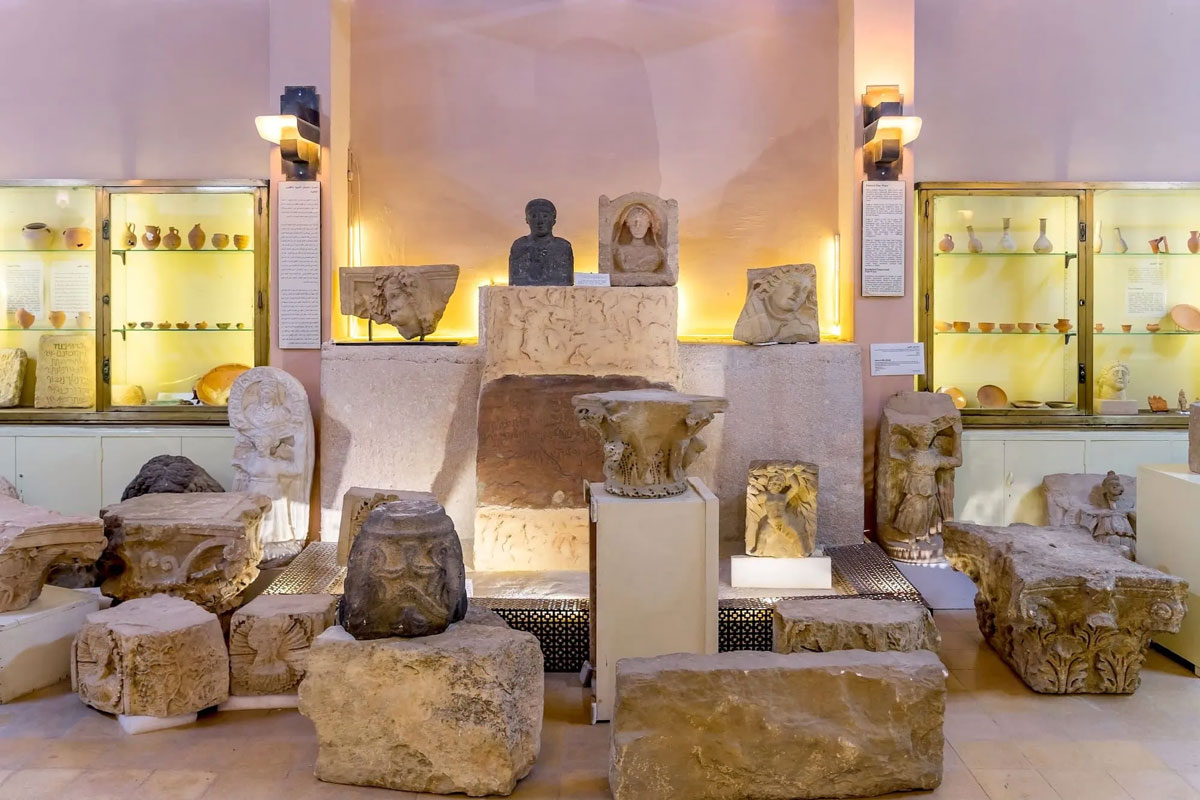
Explore the Jordan Archaeological Museum in Amman, including top artifacts, tickets, Jordan Pass, opening hours, Citadel tips, and visitor advice.
Plan your visit to the Baptism Site in Jordan with its biblical history, archaeology, tickets, opening hours, Jordan Pass details, and nearby stops.
Explore Downtown Amman with tips on the Roman Theatre, souks, local food, walking routes, the Citadel, safety, transport, and the best time to visit.
Plan your visit to Hadrian’s Arch Jerash with its history, architecture, tickets, opening hours, Jordan Pass details, nearby sites, and travel tips.
Plan your first visit to Jerash Jordan with the best ruins to see, walking route, tickets, Jordan Pass details, opening hours, timing, and travel tips.
Explore the best Jordan Valley attractions and things to do, from ancient Pella and the Jordan River to the Dead Sea, with practical tips for planning your visit.
Explore the Jordan River's biblical history, where Jesus was baptized, how to visit from Amman, and the best nearby places to include on your Jordan trip.
We go beyond just booking trips—we create unforgettable travel experiences that match your dreams!


Everything about this package felt thoughtfully planned. We booked the "12 Days Best Cultural and Heritage Vietnam Tour" package and were impressed by how professionally everything was arranged. The itinerary gave us enough time to enjoy Vietnam without feeling rushed, and all transfers and day tours ran on time. The communication before arrival was clear and helpful, which made planning much easier. What we appreciated most was the balance between guided sightseeing and free time, so the whole trip felt comfortable and enjoyable. If you are looking for a reliable way to explore Vietnam, this is a great option. The guides, transfers, and pacing all worked together perfectly.
We loved how easy and enjoyable this entire experience was. We booked the "15 Days Egypt & Jordan Tour Package" package and were impressed by how professionally everything was arranged. The itinerary gave us enough time to enjoy Egypt and Jordan without feeling rushed, and all transfers and day tours ran on time. The communication before arrival was clear and helpful, which made planning much easier. What we appreciated most was the balance between guided sightseeing and free time, so the whole trip felt comfortable and enjoyable. If you are looking for a reliable way to explore Jordan, this is a great option. We came home with amazing memories and would book again.
Everything about this package felt thoughtfully planned. We booked the "15 Days Cambodia Grand Tour" package and were impressed by how professionally everything was arranged. The itinerary gave us enough time to enjoy Cambodia without feeling rushed, and all transfers and day tours ran on time. The communication before arrival was clear and helpful, which made planning much easier. What we appreciated most was the balance between guided sightseeing and free time, so the whole trip felt comfortable and enjoyable. If you are looking for a reliable way to explore Cambodia, this is a great option. The guides, transfers, and pacing all worked together perfectly.
This trip exceeded all our expectations. We booked the "3 Day Cappadocia and Ephesus Tour by Air" package and were impressed by how professionally everything was arranged. The itinerary gave us enough time to enjoy Cappadocia and Ephesus without feeling rushed, and all transfers and day tours ran on time. The communication before arrival was clear and helpful, which made planning much easier. What we appreciated most was the balance between guided sightseeing and free time, so the whole trip felt comfortable and enjoyable. If you are looking for a reliable way to explore Turkey, this is a great option. We would absolutely recommend it to anyone visiting this destination.
We loved how easy and enjoyable this entire experience was. We booked the "8 Days Gallipoli, Pergamum, Pamukkale, Ephesus & Cappadocia Tour" package and were impressed by how professionally everything was arranged. The itinerary gave us enough time to enjoy Cappadocia, Ephesus, Pamukkale, Gallipoli, and Pergamum without feeling rushed, and all transfers and day tours ran on time. The communication before arrival was clear and helpful, which made planning much easier. What we appreciated most was the balance between guided sightseeing and free time, so the whole trip felt comfortable and enjoyable. If you are looking for a reliable way to explore Turkey, this is a great option. We came home with amazing memories and would book again.











Comments (02)
Mr. Bowmik Haldar,
05 June, 2024Outstanding News & Insight! Thank you so much for sharing like this article
Jacoline Juie,
05 June, 2023However, here are some well-regarded car dealerships known for their customer service, inventory, and overall reputation. It's always a good idea to research and read reviews specific...
Leave Your Comment: