 Visit Turkey
 Visit Vietnam
 Visit Cambodia
 Visit Dubai
 Visit Jordan


Amman Roman Theatre Visitor Guide
Plan your Amman Roman Theatre visit with current ticket prices, opening hours, Jordan Pass details, history, nearby sights, and practical travel tips.



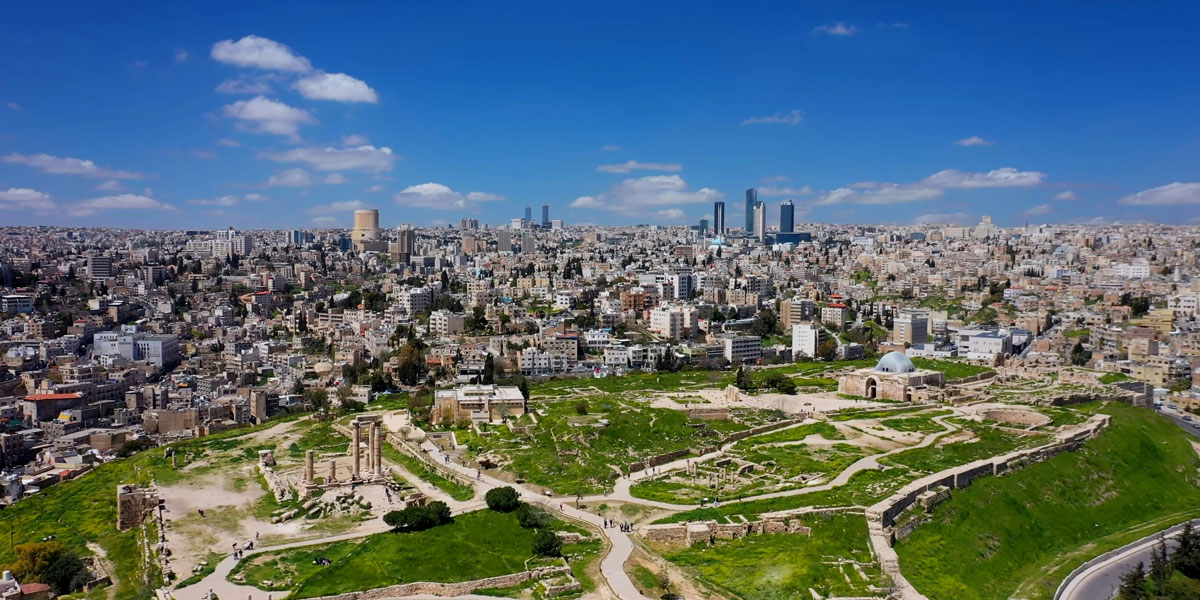
Amman often becomes a traveler's first encounter with Jordan, but it deserves more than an airport arrival and a quick departure for Petra. The capital spreads across a landscape of hills where archaeological remains, traditional markets, residential neighborhoods, cafés, galleries, and modern commercial districts exist side by side. The Jordan Tourism Board describes the city as a meeting point between old and new, with areas ranging from the busy downtown markets to the galleries of Jabal Al-Weibdeh and modern Abdali.
For a first-time visitor, the real question is not simply what to see in Amman. It is how to connect its different sides without spending the day moving randomly between attractions. This Amman travel guide explains the places worth prioritizing, how many days to allow, where to stay, what to eat, how to get around, and which nearby destinations work well with the capital.
If Amman is the starting point for a longer trip through Petra, Wadi Rum, Jerash, and the Dead Sea, our Jordan tours can help connect those destinations within one organized itinerary.
Yes, particularly if you want to understand Jordan beyond its most famous archaeological sites.
Amman does not deliver its experience through one monumental attraction. Its appeal comes from moving between very different environments: standing above the city at the Citadel, descending toward the Roman Theatre, entering the streets and markets of Downtown, stopping for falafel or knafeh, and later seeing a more contemporary side of the capital around Jabal Amman or Jabal Al-Weibdeh.
That contrast is what gives Amman its value.
It also provides useful historical context before visiting the rest of Jordan. The city has been known by different names during different periods, including Rabbath-Ammon and Philadelphia, and archaeological remains around the Citadel reflect several stages of its long history.
Travelers with only a week in Jordan may choose to keep Amman short. Even then, one well-planned day can reveal much more than simply passing through the city.
Amman is best known for the way its ancient history and present-day city life overlap.
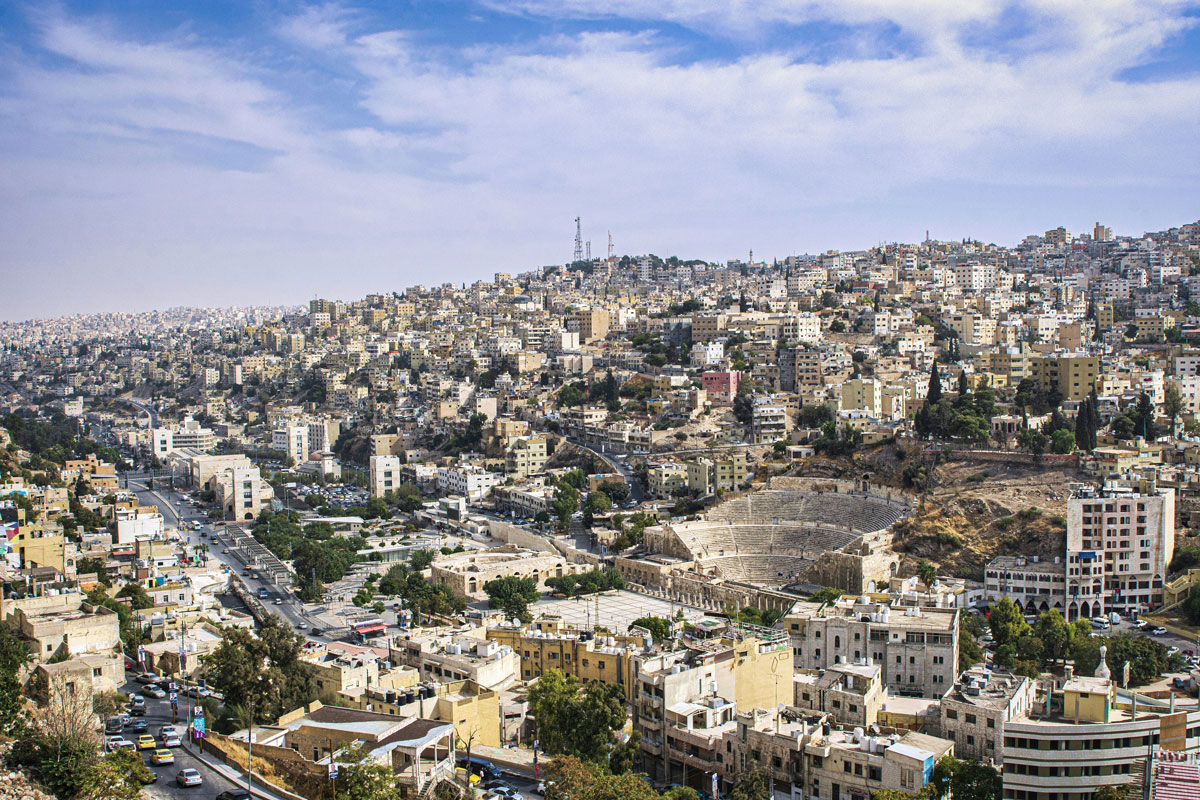
The Citadel rises above Downtown, while the Roman Theatre sits at the foot of the hill. Traditional markets, mosques, small shops, restaurants, and street-food stops fill Al-Balad below. A short journey away, neighborhoods such as Jabal Amman and Jabal Al-Weibdeh introduce cafés, galleries, independent businesses, and quieter residential streets.
The city's geography is also part of its identity. Amman developed across a series of hills, and modern expansion has spread far beyond its historic core. This matters when sightseeing because a destination that looks close on a map may involve a steep climb, long staircase, or a taxi ride.
The city is therefore better understood as several connected neighborhoods rather than one compact sightseeing district.
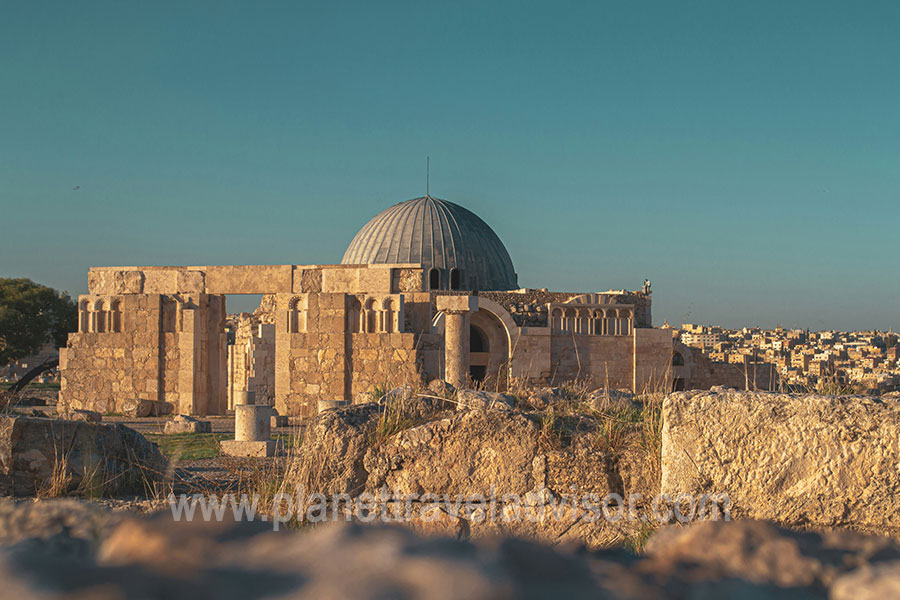
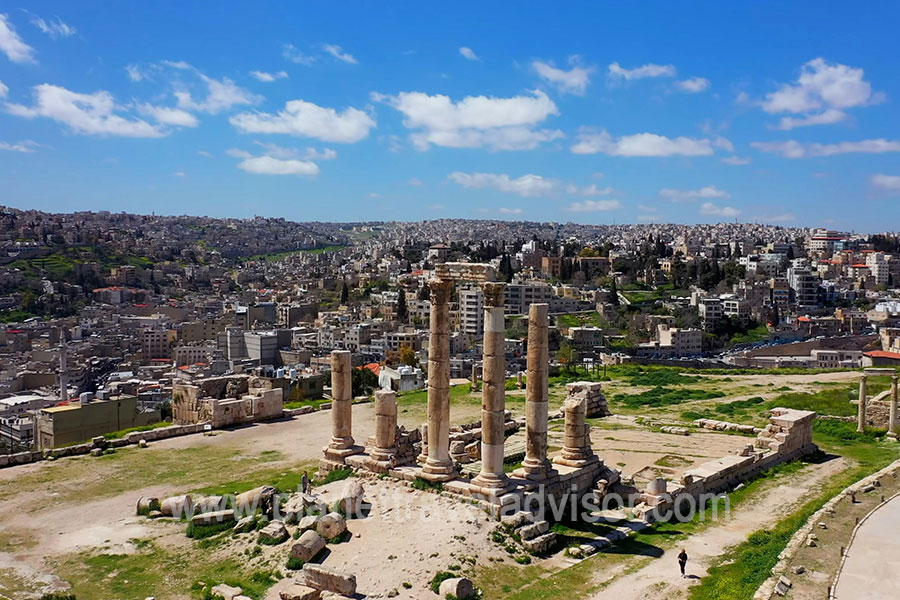
The Amman Citadel, or Jabal Al-Qal'a, is one of the best places to begin exploring the capital.
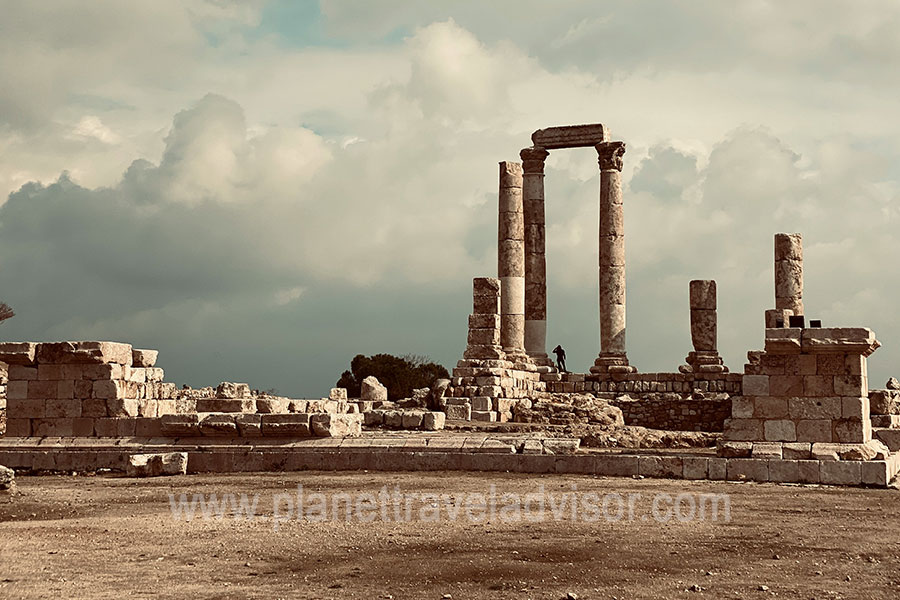
Its elevated position gives you a broad view over Downtown and helps explain Amman's geography before you start walking through it. Within the archaeological site are several important remains, including the Temple of Hercules, the Umayyad Palace complex, and a Byzantine church.
The Citadel is more useful when you give it time rather than treating it as a photography stop. Look across the surrounding hills, identify the Roman Theatre below, and notice how the modern city has developed around the historic core.
Morning can be comfortable for sightseeing, while later light can make the city views particularly rewarding. Opening times can vary seasonally, so check the current official information before your visit.
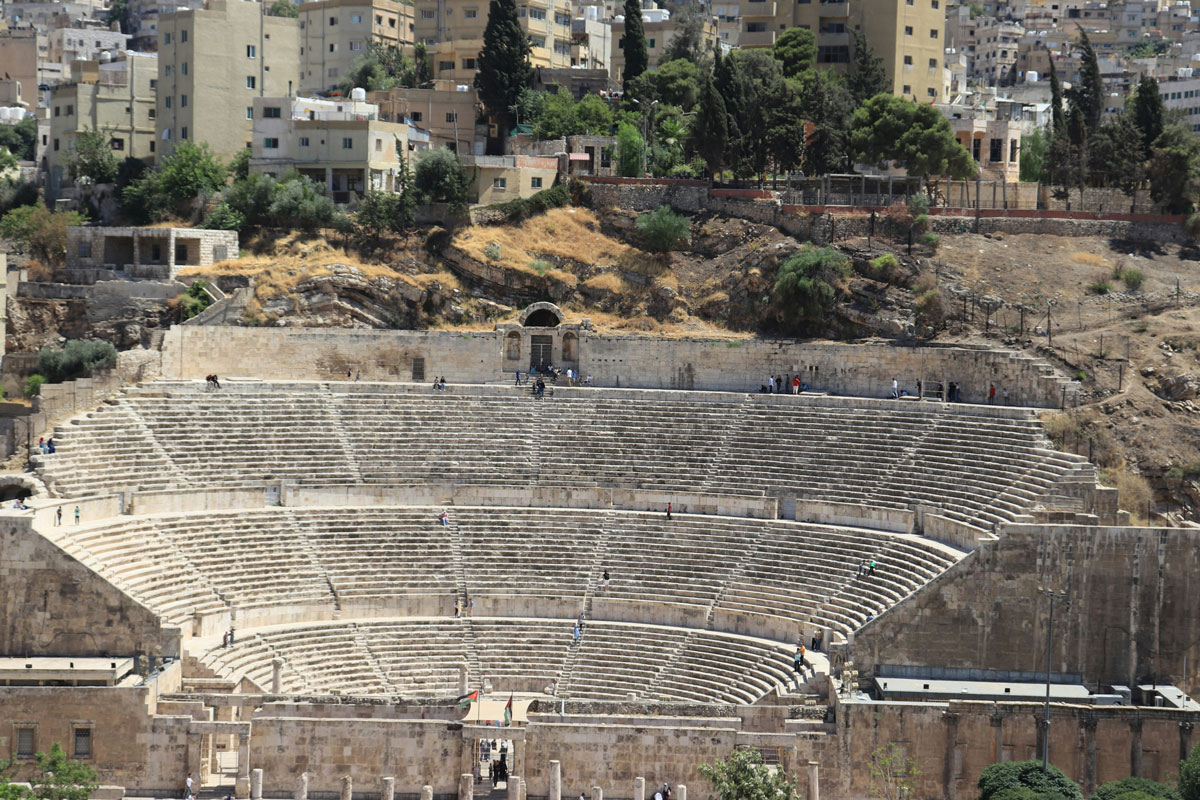
The Roman Theatre is one of the most recognizable historical landmarks in Downtown Amman.
Dating to the 2nd century AD, the restored theatre was designed to accommodate about 6,000 spectators and continues to be used for performances.
Its location makes it especially easy to combine with Downtown rather than treating it as a separate excursion.
After exploring the theatre, continue on foot into Al-Balad for markets, food, traditional shops, and some of the busiest street life in central Amman.
Downtown is where Amman feels less like a collection of attractions and more like a working city.
Streets around Al-Balad are filled with produce markets, small shops, restaurants, bakeries, sweets, cafés, and local commerce.
This is a good area to explore without trying to follow a rigid checklist. Walk between the Roman Theatre and the central markets, observe everyday city life, stop for something to eat, and allow time for the streets themselves.
The Grand Husseini Mosque also sits conveniently within Downtown near traditional souqs and food vendors. Visitors entering religious sites should dress respectfully and follow any visitor rules in place at the time.
Jabal Amman offers a different rhythm from Downtown.
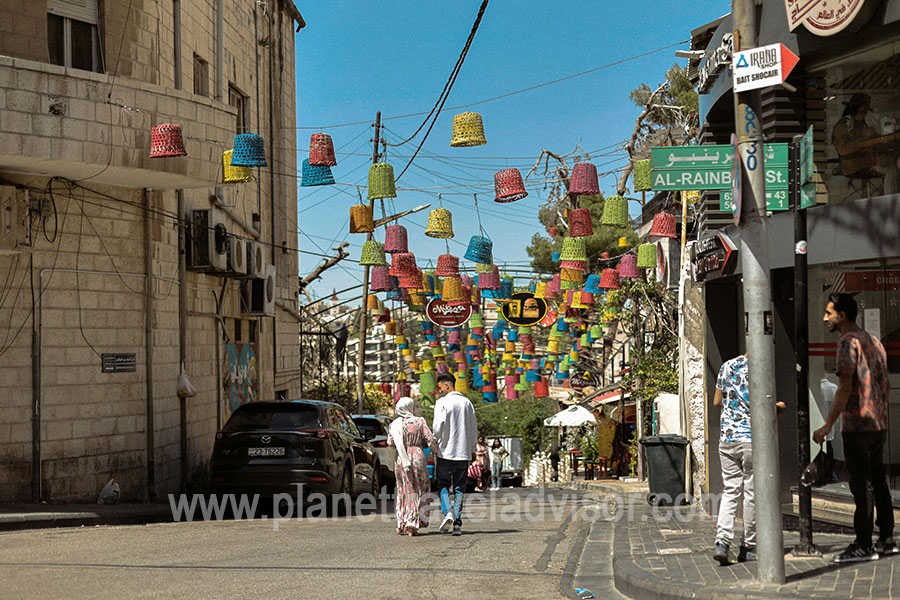
Rainbow Street is one of its best-known areas, lined with cafés, restaurants, shops, and several cultural or creative spaces.
It works particularly well later in the day, when you are ready to slow the sightseeing pace and spend time eating, walking, or sitting at a café.
Don't expect Rainbow Street alone to explain modern Amman, however. Use it as an introduction to Jabal Amman and explore some of the surrounding streets rather than staying entirely on the main strip.
Jabal Al-Weibdeh is worth adding when you have more than a rushed day in Amman.
The neighborhood has developed a strong cultural identity, with galleries, creative initiatives, traditional houses, cafés, and spaces such as the Jordan National Gallery of Fine Arts.
It provides a useful contrast with both crowded Downtown and the more commercial parts of western Amman.
One of the pleasures here is simply allowing more time between stops. Amman becomes easier to understand when every hour is not assigned to a major monument.
Travelers interested in understanding Jordan as a whole should consider the Jordan Museum.
Located in Ras Al-Ayn, the museum presents the country's history and cultural heritage through collections and galleries covering Jordan's past and its wider cultural story.
It can work particularly well near the beginning of a longer Jordan itinerary because it provides context for archaeological and historical sites you may later encounter elsewhere in the country.
Check the museum's current opening schedule before traveling, as operational details can change.
For most first-time travelers, one to two full days gives a useful introduction to Amman.
With one day, concentrate on the historical core. Start at the Citadel, continue to the Roman Theatre, explore Downtown and Al-Balad, eat locally, and finish around Jabal Amman or Rainbow Street. This route works because the attractions tell a connected story rather than forcing several unrelated stops into the same day.
With two days, you can slow the pace. Add the Jordan Museum, Jabal Al-Weibdeh, an art gallery, more time for food, and perhaps a neighborhood that interests you beyond the major tourist areas.
A third day makes sense for travelers who enjoy cities at a slower pace or want to use Amman as a base for excursions.
The biggest mistake is trying to judge Amman only by the number of headline attractions. Its neighborhoods, food, street life, and changes in elevation are part of the experience, and those need time.
Food is one of the easiest ways to connect sightseeing with everyday life in Amman.
In Downtown, start with familiar Jordanian and Levantine staples such as falafel, hummus, fresh bread, and simple shared dishes. Hashem Restaurant is one of the city's long-established names for hummus and falafel, while nearby Habiba Sweets is particularly associated with Nabulsi knafeh.
Mansaf, traditionally made with lamb, rice, and jameed, is another important Jordanian dish to understand, although it is better approached as a proper meal than something to squeeze between sightseeing stops.
For cafés and contemporary dining, Jabal Amman and Jabal Al-Weibdeh broaden the options considerably.
Rather than creating a separate food itinerary, let meals follow your sightseeing route. Breakfast or lunch can fit naturally into Downtown, while coffee or dinner works well after exploring one of the hilltop neighborhoods.
Choosing where to stay in Amman affects your experience more than simply choosing the hotel category.
Downtown Amman works well if your priority is traditional city life, markets, local restaurants, the Roman Theatre, and easy access to the historic center. It can be busy and energetic, which may appeal to travelers who want to be close to the action.
Jabal Amman is a useful option for first-time visitors who prefer cafés, restaurants, and access to Rainbow Street while remaining reasonably connected with Downtown.
Jabal Al-Weibdeh suits travelers who prefer a more residential and cultural atmosphere, with galleries, cafés, and creative spaces nearby.
Abdali represents a more modern side of the capital, with contemporary developments, shopping, hotels, and newer infrastructure.
There is no single best neighborhood for everyone. Think about what you want to do in the evening as well as what you want to see during the day.
Walking is useful in Amman, but it needs to be planned around the city's hills.
Downtown is one of the easiest areas to explore on foot, and walking is also enjoyable within Rainbow Street, Jabal Amman, and parts of Al-Weibdeh. Moving between districts is different. A short distance on a map can involve a steep uphill route or a long staircase.
Comfortable shoes matter more here than travelers sometimes expect.
For longer journeys, taxis and app-based transport are practical choices. At Queen Alia International Airport, travelers can also use taxis, bus services, and approved transportation applications depending on their plans.
If you are arranging a multi-city journey rather than staying only in Amman, organized transfers can also simplify the transition between the capital and destinations farther south.
Spring and autumn are generally the easiest seasons for travelers planning long days of sightseeing.
March to May and September to November are particularly comfortable periods for sightseeing and outdoor exploration.
Summer can be hot and dry, so earlier sightseeing and breaks during the warmest part of the day can make walking more comfortable.
Winter brings cooler conditions, and Jordan's elevated western areas can experience rain and occasional cold spells. This matters in Amman because evenings may feel significantly cooler than daytime sightseeing conditions.
Whatever season you choose, bring comfortable walking shoes and layers appropriate to the forecast. Weather should be checked again shortly before travel rather than relying on seasonal averages alone.
Amman's position makes it a useful base for several important destinations in northern and central Jordan.
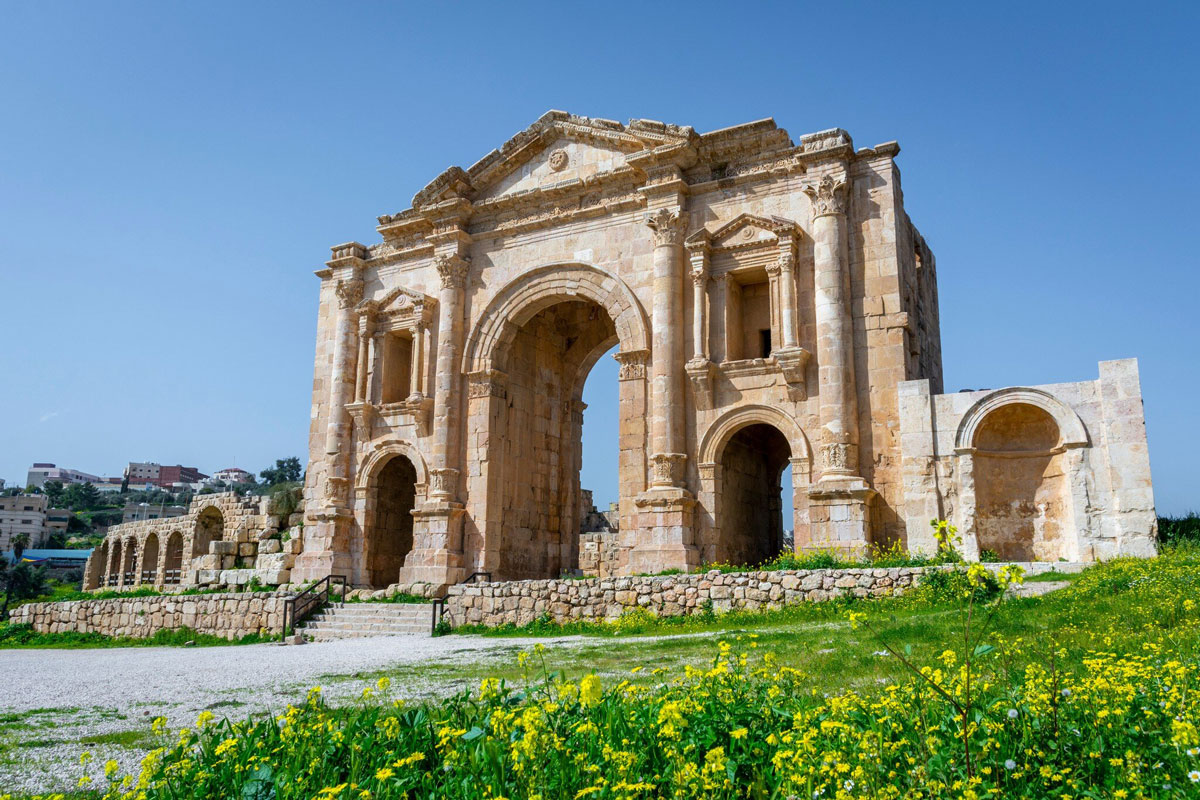
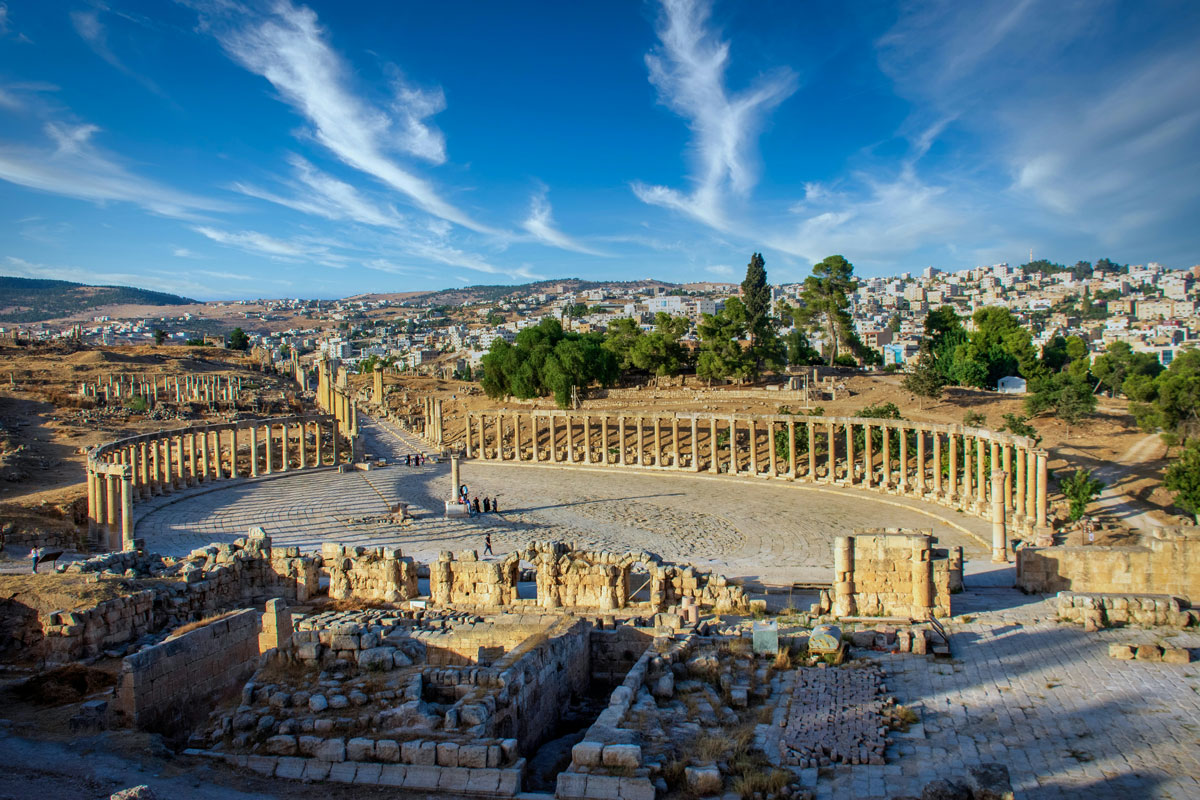
Jerash is one of the most natural choices for travelers interested in Roman history. Its archaeological remains provide a much larger urban context than the individual Roman monuments seen in central Amman.
Madaba and Mount Nebo work well together for travelers interested in mosaics, religious history, and landscapes connected with biblical tradition.
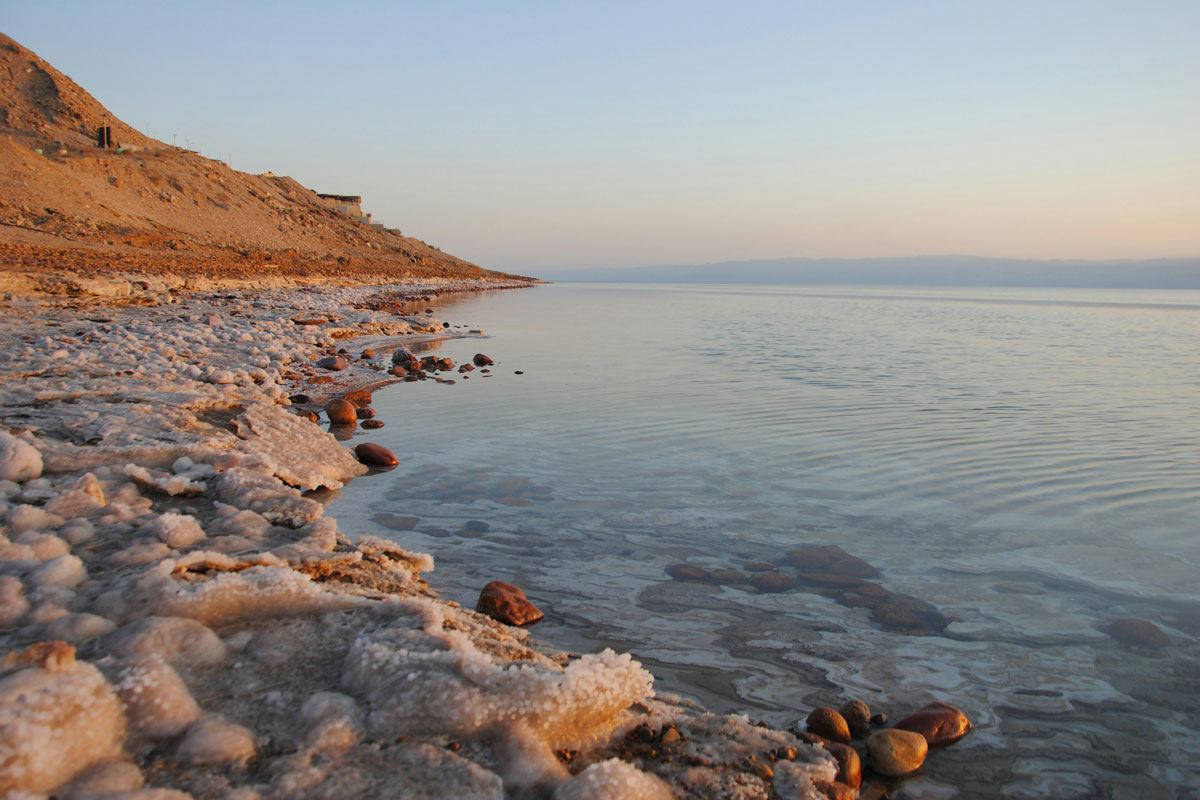
The Dead Sea provides a completely different type of day, replacing urban sightseeing with time beside one of Jordan's most distinctive natural environments.
The Desert Castles east of Amman introduce early Islamic architecture and landscapes that many first-time itineraries overlook.
Amman can therefore function as more than a city stop. It can serve as the northern base from which a wider Jordan journey begins. Travelers planning to connect these places with Petra, Wadi Rum, Aqaba, or additional destinations can explore our Jordan trips instead of arranging each destination and transfer separately.
A few decisions can make sightseeing considerably easier:
Wear shoes suitable for steep streets, stairs, and uneven archaeological ground.
Carry some Jordanian dinars for smaller purchases and local stops.
Start demanding walking days earlier during warmer months.
Check attraction and museum opening hours before setting out.
Use taxis or ride-hailing when a route involves more climbing than the map suggests.
Dress modestly when visiting mosques, religious sites, and more traditional parts of the city.
Ask permission before taking close photographs of people.
During Ramadan or major religious holidays, check current operating hours and local customs because schedules can change.
Most importantly, leave some space in the itinerary. Amman works better when there is enough time to stop for food, enter a market, follow a staircase, or spend longer in a neighborhood than originally planned.
Amman rewards travelers who see it as more than the gateway to Jordan.
Its strongest experience comes from connecting the layers of the city: looking across the capital from the Citadel, walking through Roman remains, entering the markets of Downtown, stopping for Jordanian food, and then seeing how life changes again in Jabal Amman or Al-Weibdeh.
One full day can cover the essentials, but two days allows Amman to feel less like a sightseeing stop and more like a city. Plan around its hills, choose your neighborhood carefully, and use the capital as a practical starting point for the wider Jordan journey.


A curated list of the most popular travel packages based on different destinations.
Plan your Amman Roman Theatre visit with current ticket prices, opening hours, Jordan Pass details, history, nearby sights, and practical travel tips.
Explore the best souqs in Amman, from Al-Balad and the Gold Souq to Souq Jara, with shopping tips, souvenirs, timing, and nearby sights.
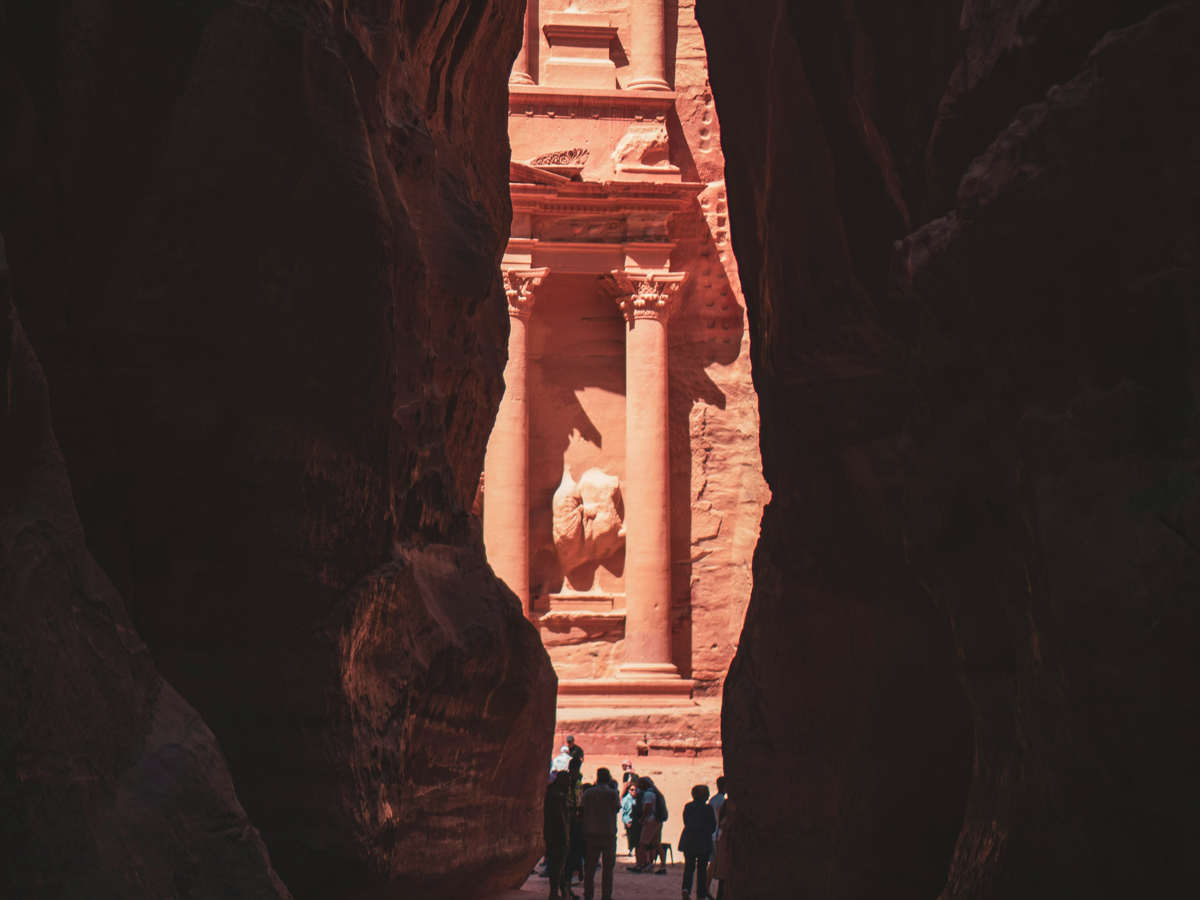
Explore Siq Petra, its Nabataean water system, ancient carvings, Treasury walk, history, opening hours, tickets, photography tips, and visitor advice.
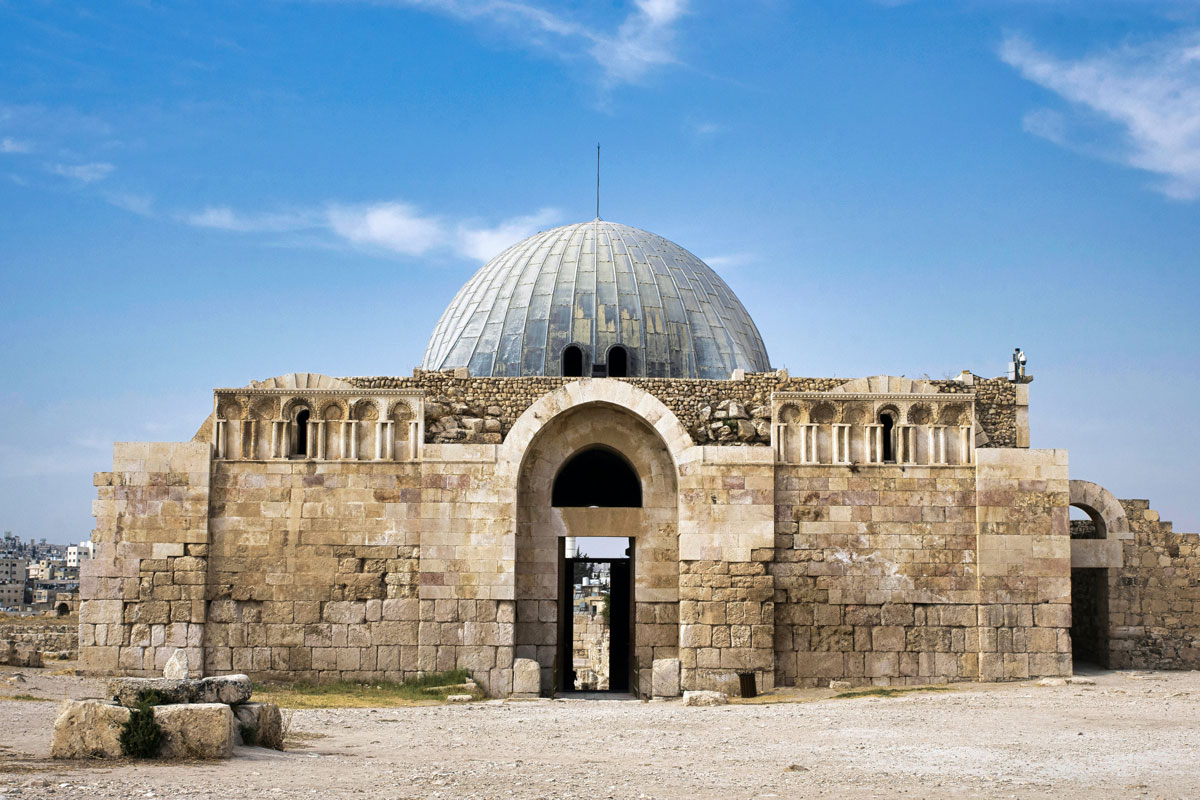
Explore Amman Citadel with practical tips on history, top sights, tickets, opening hours, Jordan Pass access, timing, transport, and nearby attractions.
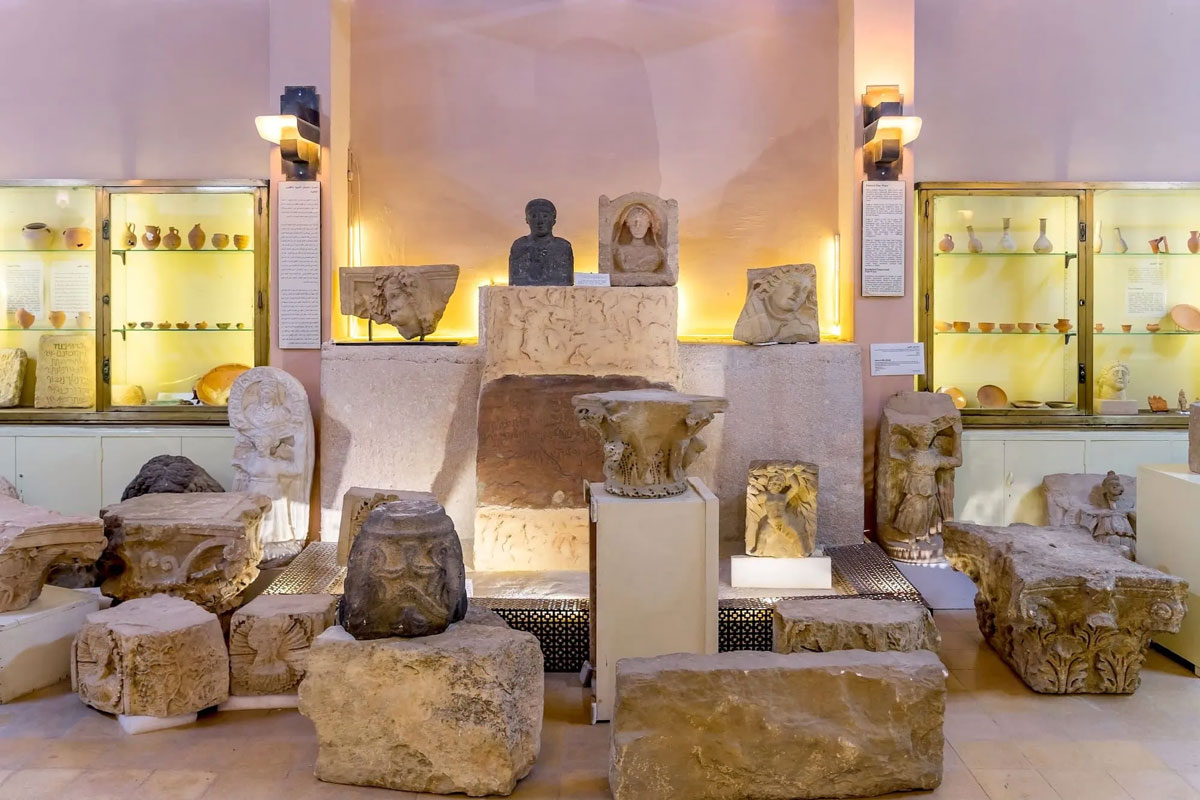
Explore the Jordan Archaeological Museum in Amman, including top artifacts, tickets, Jordan Pass, opening hours, Citadel tips, and visitor advice.
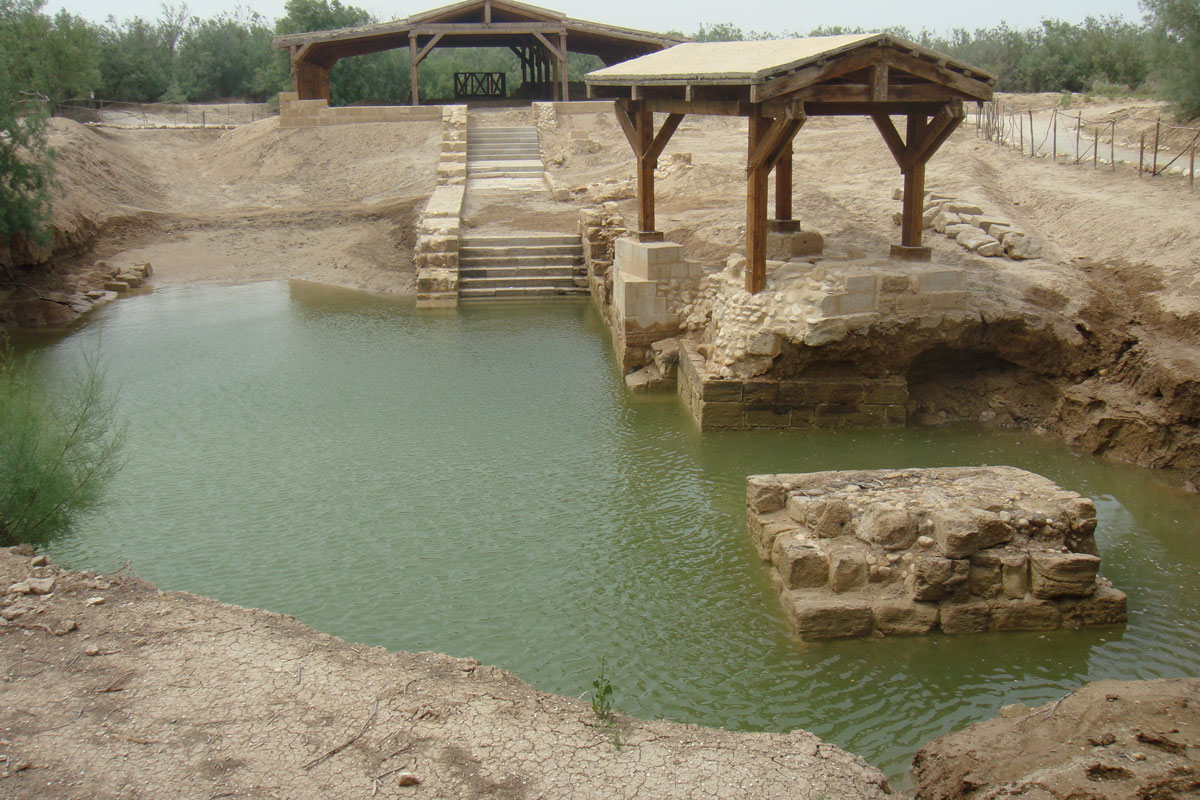
Plan your visit to the Baptism Site in Jordan with its biblical history, archaeology, tickets, opening hours, Jordan Pass details, and nearby stops.
Plan your Dead Sea Jordan visit with tips on floating, beaches, resorts, transport, best times, safety, nearby attractions, and how long to stay.
Explore Downtown Amman with tips on the Roman Theatre, souks, local food, walking routes, the Citadel, safety, transport, and the best time to visit.
Plan your visit to Hadrian’s Arch Jerash with its history, architecture, tickets, opening hours, Jordan Pass details, nearby sites, and travel tips.
Plan your first visit to Jerash Jordan with the best ruins to see, walking route, tickets, Jordan Pass details, opening hours, timing, and travel tips.
Explore the best Jordan Valley attractions and things to do, from ancient Pella and the Jordan River to the Dead Sea, with practical tips for planning your visit.
Explore the Jordan River's biblical history, where Jesus was baptized, how to visit from Amman, and the best nearby places to include on your Jordan trip.
We go beyond just booking trips—we create unforgettable travel experiences that match your dreams!


We loved how easy and enjoyable this entire experience was. We booked the "6 Days Saigon to Mui Ne Beach Vacation" package and were impressed by how professionally everything was arranged. The itinerary gave us enough time to enjoy Saigon and Mui Ne without feeling rushed, and all transfers and day tours ran on time. The communication before arrival was clear and helpful, which made planning much easier. What we appreciated most was the balance between guided sightseeing and free time, so the whole trip felt comfortable and enjoyable. If you are looking for a reliable way to explore Vietnam, this is a great option. We came home with amazing memories and would book again.
Everything about this package felt thoughtfully planned. We booked the "9 Days Vietnam Beach Getaway" package and were impressed by how professionally everything was arranged. The itinerary gave us enough time to enjoy Vietnam without feeling rushed, and all transfers and day tours ran on time. The communication before arrival was clear and helpful, which made planning much easier. What we appreciated most was the balance between guided sightseeing and free time, so the whole trip felt comfortable and enjoyable. If you are looking for a reliable way to explore Vietnam, this is a great option. The guides, transfers, and pacing all worked together perfectly.
We loved how easy and enjoyable this entire experience was. We booked the "5 Day Tour of Istanbul and Cappadocia Highlights" package and were impressed by how professionally everything was arranged. The itinerary gave us enough time to enjoy Istanbul and Cappadocia without feeling rushed, and all transfers and day tours ran on time. The communication before arrival was clear and helpful, which made planning much easier. What we appreciated most was the balance between guided sightseeing and free time, so the whole trip felt comfortable and enjoyable. If you are looking for a reliable way to explore Turkey, this is a great option. We came home with amazing memories and would book again.
We loved how easy and enjoyable this entire experience was. We booked the "4 Day Tour of Cappadocia Gallipoli and Troy" package and were impressed by how professionally everything was arranged. The itinerary gave us enough time to enjoy Cappadocia, Gallipoli, and Troy without feeling rushed, and all transfers and day tours ran on time. The communication before arrival was clear and helpful, which made planning much easier. What we appreciated most was the balance between guided sightseeing and free time, so the whole trip felt comfortable and enjoyable. If you are looking for a reliable way to explore Turkey, this is a great option. We came home with amazing memories and would book again.
One of the smoothest tours we have ever booked. We booked the "Petra Day Tour from Amman in Jordan" package and were impressed by how professionally everything was arranged. The itinerary gave us enough time to enjoy Petra, Amman, and Jordan without feeling rushed, and all transfers and day tours ran on time. The communication before arrival was clear and helpful, which made planning much easier. What we appreciated most was the balance between guided sightseeing and free time, so the whole trip felt comfortable and enjoyable. If you are looking for a reliable way to explore Jordan, this is a great option. It was the perfect mix of sightseeing, comfort, and great logistics.











Comments (02)
Mr. Bowmik Haldar,
05 June, 2024Outstanding News & Insight! Thank you so much for sharing like this article
Jacoline Juie,
05 June, 2023However, here are some well-regarded car dealerships known for their customer service, inventory, and overall reputation. It's always a good idea to research and read reviews specific...
Leave Your Comment: