 Visit Turkey
 Visit Vietnam
 Visit Cambodia
 Visit Dubai
 Visit Jordan


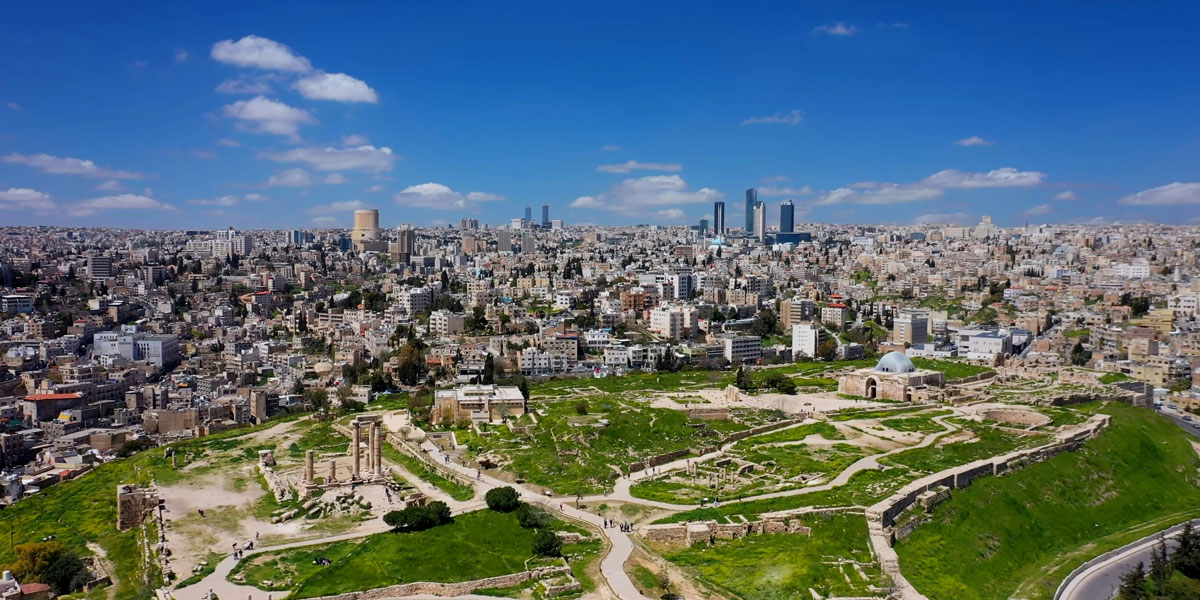
Amman Guide 2026 - Things to Do and Visitor Tips
Plan your trip with this Amman travel guide covering top sights, food, neighborhoods, transport, day trips, where to stay, and practical visitor tips.



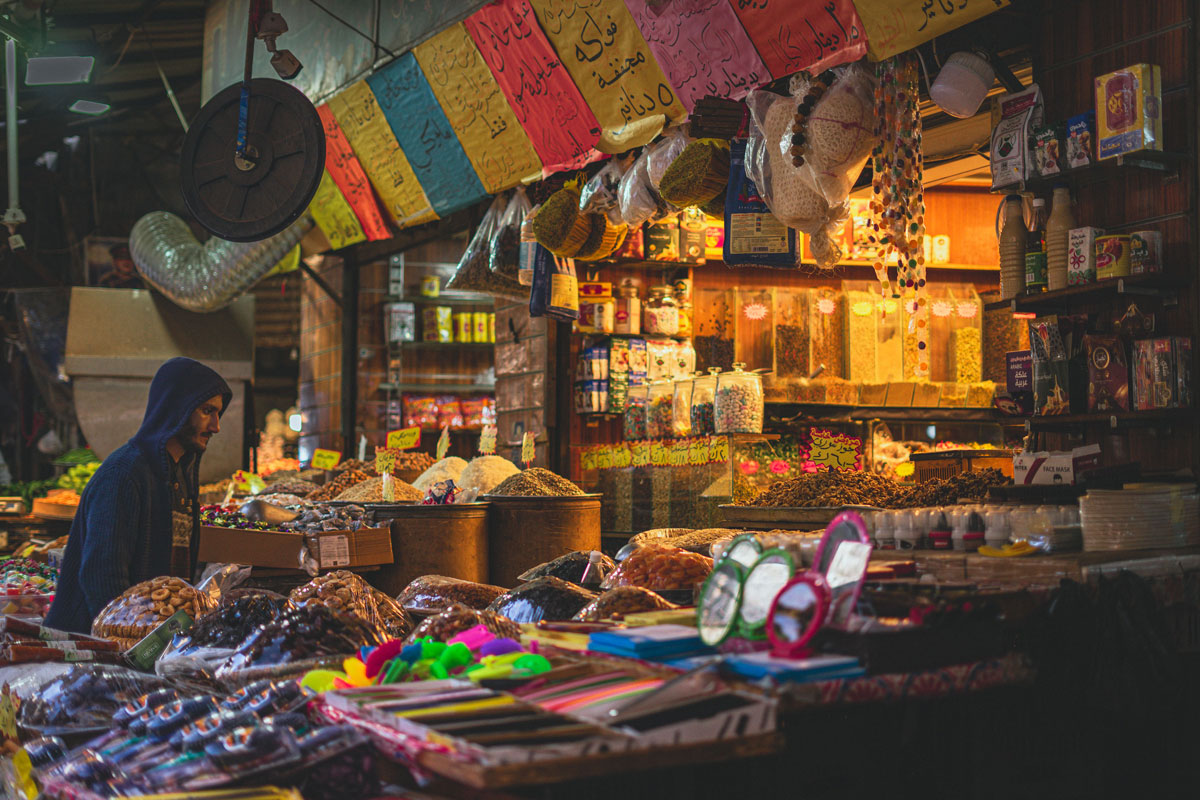
Shopping in Amman is less about finding one famous bazaar and more about exploring a network of market streets, specialist shops, food stalls, and small businesses spread across the older parts of the city. For most travelers searching for the souqs in Amman, Downtown Amman, known locally as Al-Balad, is the natural place to begin.
Here, traditional shops selling spices, jewellery, textiles, food, clothing, and souvenirs sit close to historic landmarks. Elsewhere in the city, seasonal markets such as Souq Jara offer a different experience focused more on local crafts, food, and independent sellers. Jordan's official tourism information identifies Downtown Amman as an important area for traditional crafts, jewellery, spices, and textiles, while also highlighting nearby historical sites such as the Roman Theatre and Citadel.
This guide explains which Amman markets are worth visiting, what to buy, how bargaining works, when to go, and how to include the souqs in a wider Amman itinerary. Travelers planning to combine the capital with Petra, Wadi Rum, the Dead Sea, and other parts of the country can also explore our Jordan tours for longer itinerary ideas.
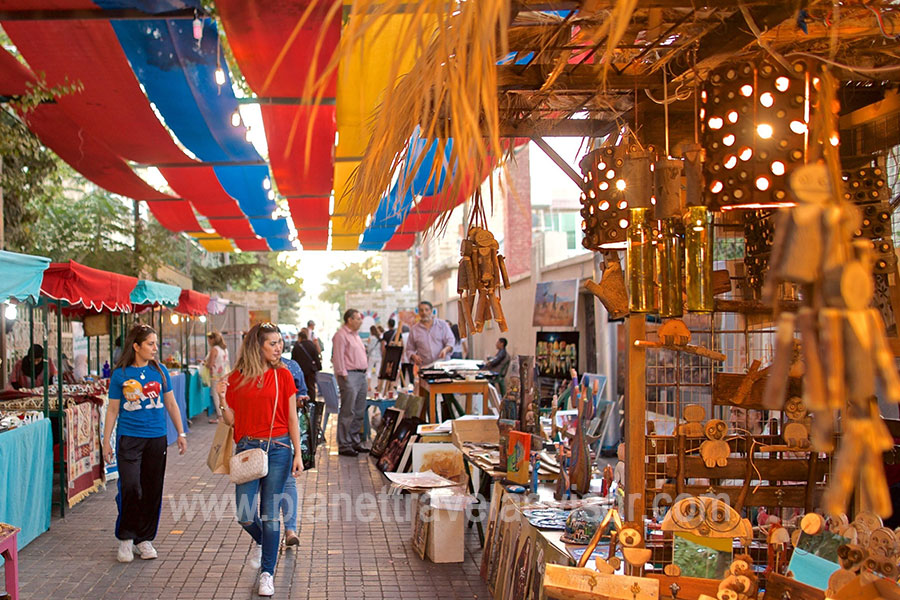
There is no single attraction officially known as “Amman Souq.” When travelers use the term, they are usually referring to the traditional shopping streets and specialist markets found mainly in Downtown Amman.
Al-Balad is the city's historic commercial center. Rather than one enclosed marketplace, it consists of busy streets and smaller market areas where shops often specialize in particular products, including food, spices, clothing, jewellery, household goods, and textiles.
This is one reason researching “Amman market” can be confusing. Some search results refer to Downtown as a whole, while others focus on individual markets such as Souq Al-Sukar, the Gold Souq, or Souq Jara.
For first-time visitors, Al-Balad is the best introduction to traditional shopping in Amman.
The area combines everyday local commerce with visitor-oriented shopping. You might pass a spice seller, clothing store, sweet shop, gold jeweller, fruit vendor, and souvenir shop within the same short walk.
Official Jordan tourism guidance specifically notes that Downtown Amman contains shops selling traditional crafts and souvenirs, including jewellery, spices, and textiles. It also points out that the area can easily be combined with historical sightseeing.
Not all Amman markets work in the same way.
Downtown markets and shops generally form part of the city's permanent commercial life. Souq Jara, by contrast, is seasonal.
The Jordan Tourism Board describes Souq Jara as a summer street market in Jabal Amman that operates on Fridays, with stalls selling local goods alongside pop-up cafés, street food, and live performances.
That distinction matters when planning a trip. A traveler visiting Amman outside the summer season should not build an itinerary around Souq Jara without checking whether it is currently operating.
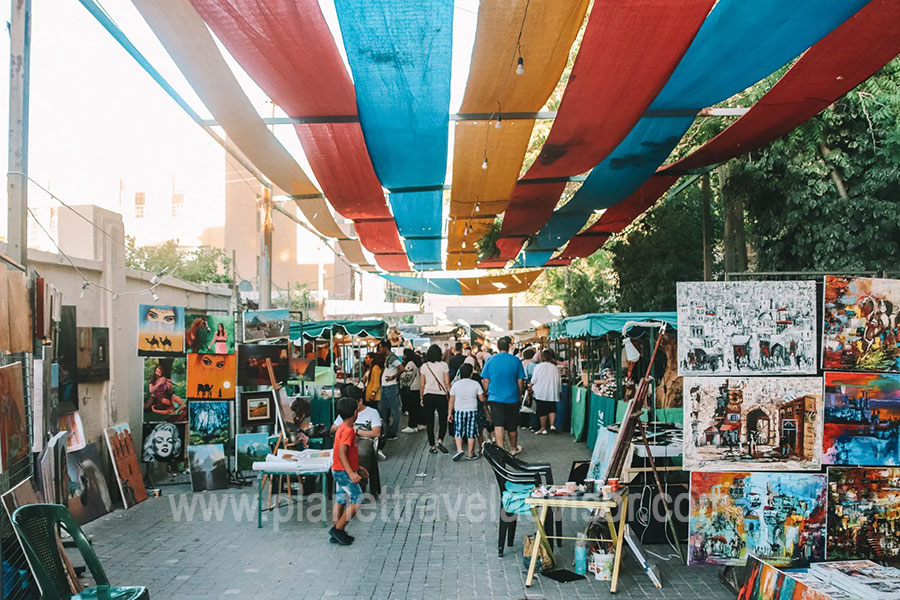
Each market area has a different character. The best choice depends on whether you are interested in everyday local life, souvenirs, food, crafts, or jewellery.
If you have time for only one traditional shopping area, choose Al-Balad.
Its strength is variety. The streets contain clothing, food, spices, textiles, accessories, jewellery, and small local businesses rather than one narrowly defined product category.
The area also feels connected to ordinary city life. It is still a working commercial district rather than a market created only for tourists.
Allow enough time to wander rather than following a rigid route. Some of the most interesting shops are on connecting streets rather than directly beside the major landmarks.
Souq Al-Sukar, commonly translated as the Sugar Market, is part of the Downtown commercial area and is especially associated with food shopping.
Travelers are likely to encounter spices, nuts, dried goods, produce, coffee, and other everyday ingredients. It is a good choice for visitors interested in seeing how local residents shop rather than concentrating only on souvenir stores. Current Amman shopping guides continue to identify Souq Al-Sukar as one of Downtown's active food and spice market areas.
Visit with curiosity rather than a shopping checklist. The appeal is as much in the colors, smells, conversations, and movement of the market as in anything you might buy.
Amman's Gold Souq is one of Downtown's most specialized shopping areas.
Jewellery shops display gold pieces in a wide range of traditional and contemporary designs. Gold jewellery is commonly priced according to weight, the prevailing gold value, and an additional charge related to workmanship or design. Travelers should therefore ask clearly how a quoted price has been calculated before agreeing to a purchase.
Comparison is useful. Looking at several shops gives you a better sense of design, craftsmanship, and pricing before making a larger purchase.
Souq Jara provides a noticeably different shopping experience.
Located in Jabal Amman, it is associated more with local crafts, creative products, small vendors, food, and social activity than with the traditional everyday commerce of Al-Balad.
The Jordan Tourism Board describes the market as a summer Friday event featuring local wares, temporary cafés, street food, and performances by Jordanian musicians and bands.
Souq Jara is particularly suitable for travelers interested in:
Handmade and locally designed products
Small gifts and crafts
Art and decorative pieces
Casual food and drinks
A relaxed Friday market atmosphere
Because the market is seasonal, check current operating dates before making a special journey.
Do not worry about identifying every market by name.
Part of the Downtown experience is moving between specialist streets and shop clusters around Al-Balad. Gold, textiles, food, clothing, household products, sweets, and souvenirs often occupy different stretches of the commercial district.
For most visitors, exploring the wider neighborhood is more useful than trying to tick off every named souq individually.
Your choice should depend on what you actually want from the experience.
For the best overall traditional market atmosphere:
Choose Al-Balad.
For spices, food, and local market activity:
Explore Souq Al-Sukar and the surrounding Downtown food shops.
For gold and jewellery:
Visit the Gold Souq.
For crafts and a seasonal social market:
Choose Souq Jara when it is operating.
For a first visit with limited time:
Spend your time in Downtown Amman, where shopping can easily be combined with historical attractions.
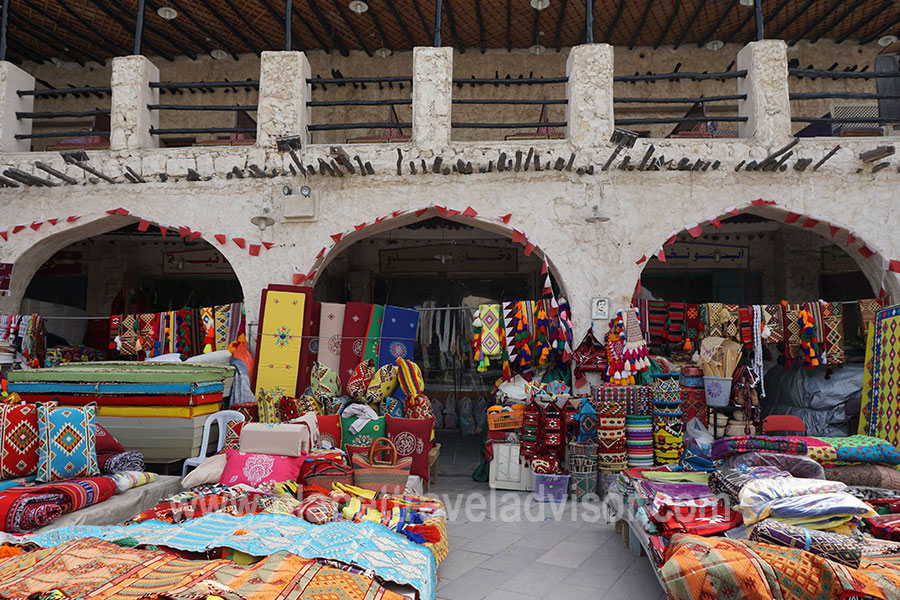
The best souvenir is not necessarily the item with the largest “Jordan” label on it. Look for products that connect to local craft traditions, food culture, or regional materials.
Traditional and contemporary Jordanian crafts can include embroidery, ceramics, decorative objects, woven products, jewellery, and textiles.
The official Jordan tourism website highlights ceramics, hand-woven products, traditional clothing, jewellery, spices, and textiles among the shopping options available in Amman.
Ask sellers where products were made if buying locally produced work is important to you.
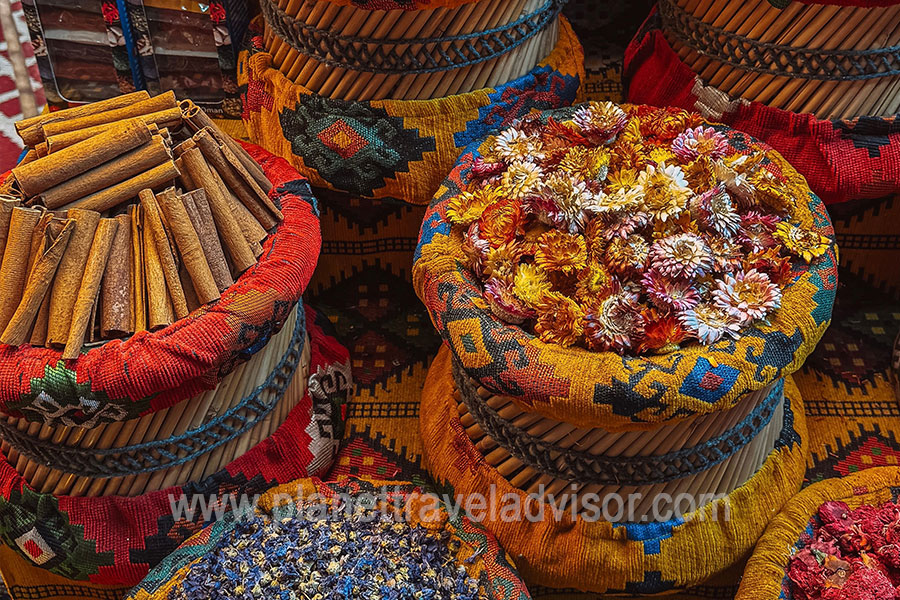
Spices make practical souvenirs because they are lightweight and easy to pack when properly sealed.
Common choices include:
Za'atar
Sumac
Cardamom
Arabic coffee
Dried herbs
Dates
Olive products
Check your home country's customs rules before carrying agricultural or food products internationally.
Jewellery ranges from inexpensive accessories to significant gold purchases.
For valuable pieces, take your time. Compare several shops, ask about weight and workmanship, and request documentation or a receipt appropriate to the purchase.
Dead Sea cosmetics and skincare products are widely sold in Jordan.
They can be convenient gifts, particularly soaps, mineral products, and smaller skincare items. As with other souvenirs, packaging and production quality vary, so choose established sellers when product authenticity matters.
Scarves, embroidered pieces, woven fabrics, and traditional-style clothing are common throughout Amman shopping areas.
Some products are handmade locally, while others are mass-produced or imported. If craftsmanship is part of the reason you are buying an item, ask directly about its origin.
Shopping customs vary from one business to another. A useful rule is to observe first rather than assume every market transaction requires bargaining.
Negotiation is part of shopping in some traditional market settings, particularly where prices are not clearly fixed.
However, bargaining is not appropriate everywhere.
Modern shops, established boutiques, restaurants, supermarkets, and businesses displaying fixed prices should normally be treated as fixed-price environments. In traditional souq shops, a polite question about whether the price is flexible is usually more appropriate than immediately offering an extremely low figure.
Keep the interaction friendly. A good market experience matters more than winning every negotiation.
Carrying some Jordanian dinars is useful when exploring small shops, stalls, food vendors, and markets.
Card acceptance varies by business, so travelers should not assume every small vendor accepts electronic payments. Larger purchases are another reason to ask about payment methods before agreeing on the final price.
The words “traditional” and “Jordanian style” do not automatically mean an item was handmade in Jordan.
If origin matters to you:
Ask who made the item.
Ask where it was produced.
Look at similar pieces in several shops.
Examine stitching, finishing, or individual variation.
Buy from craft-focused sellers when supporting local makers is a priority.
Souq Jara and dedicated craft shops can be useful for travelers specifically seeking work from local designers and artisans.
There is no single perfect hour for every market.
Downtown changes character throughout the day. Earlier visits may feel easier for travelers who want to browse with less pressure, while later periods can provide more street activity as shops, food businesses, and local shoppers fill the area.
A morning or early daytime visit can work well when your priority is sightseeing and shopping.
Later in the day, Downtown may feel busier and more energetic. This can be enjoyable for travelers interested in street life, but those who prefer easier walking may want to arrive earlier.
Exact business hours vary from shop to shop.
Do not assume normal weekday schedules apply every day.
Friday is the main weekly day of prayer in Jordan, and individual businesses may operate different hours. Ramadan and public holidays can also change shopping patterns.
For that reason, it is better to verify a particular shop or market shortly before visiting than to rely on a permanent timetable published years earlier.
Souq Jara should be treated separately from Downtown's permanent shops.
The Jordan Tourism Board currently describes it as a summer market held on Fridays.
Exact seasonal dates can change, so check current announcements before including it in your itinerary.
For a quick look at Downtown shopping streets, one to two hours can give you a useful introduction.
That works if you mainly want to browse, buy a few souvenirs, and experience the atmosphere.
A half day is better if you want to combine shopping with food and historical sightseeing. Downtown naturally connects with attractions such as the Roman Theatre and nearby Citadel area. Official tourism guidance specifically promotes Al-Balad as a place where shopping and sightseeing can be combined.
One advantage of shopping in Al-Balad is that you do not need to dedicate an entire day only to markets.
Al-Husseini Mosque stands in Downtown Amman close to traditional markets and street-food vendors. Jordan's official tourism site specifically notes its location near the traditional souqs.
Visitors should remain respectful around prayer times and dress appropriately for a religious setting.
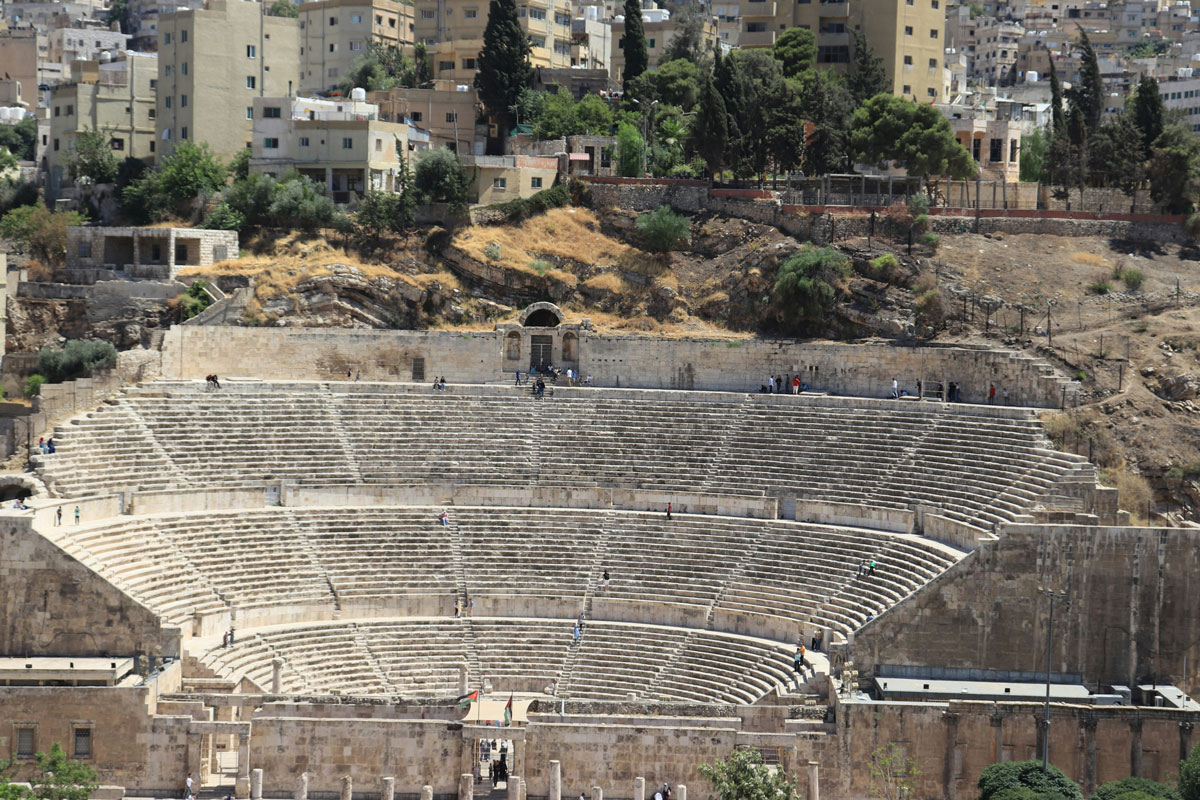
The restored Roman Theatre is one of Amman's most recognizable historical landmarks.
Dating to the Roman period, the theatre accommodates around 6,000 spectators and remains an important cultural landmark in the Downtown area.
It makes an easy cultural addition to a market-focused visit.
The Citadel rises above Downtown and provides an entirely different perspective on the city.
Its archaeological remains span several historical periods, and its elevated position makes it one of the most useful places for understanding Amman's geography.
Travelers spending a full day in the capital can combine the Citadel, Downtown markets, and Roman Theatre rather than treating them as unrelated attractions.
Downtown is also one of the easiest areas in which to combine sightseeing with casual Jordanian food.
Instead of planning lunch elsewhere, leaving time for a local meal, sweet, coffee, or fresh juice can make the market visit feel less rushed.
A flexible route works better than a minute-by-minute itinerary.
Begin near the Roman Theatre, then move into the commercial streets of Al-Balad. Continue toward the area around Al-Husseini Mosque, exploring food shops and Souq Al-Sukar before browsing the jewellery area around the Gold Souq.
Stop for food or coffee when the streets become busy rather than trying to cover every shop.
The Citadel can be visited before or after Downtown depending on weather, opening times, and how much walking you want to do.
Travelers building Amman into a longer route through Petra, Wadi Rum, the Dead Sea, and Aqaba may find it easier to compare complete Jordan tours rather than arranging every transfer separately.
A few practical habits make Downtown easier to enjoy:
Wear comfortable shoes because the area is best explored on foot.
Carry some small-denomination Jordanian dinars.
Compare products before making an expensive purchase.
Ask before photographing people or shopkeepers at close range.
Check seasonal market schedules shortly before your visit.
Leave extra time if you plan to eat in Downtown.
Keep fragile souvenirs in mind when packing.
Ask about product origin if you specifically want something made in Jordan.
Most importantly, do not treat the souqs purely as a shopping mission. Watching how local residents use the markets is part of understanding the area.
Yes, especially if you want to see a side of Amman beyond archaeological sites, museums, and modern shopping districts.
The souqs are valuable because they place visitors inside the everyday commercial life of the city. Al-Balad is particularly useful for first-time travelers because food, local shopping, historic architecture, religious landmarks, and Roman archaeology are concentrated within the same broader area.
Travelers focused mainly on crafts may prefer Souq Jara when it is operating. Those interested in jewellery should allow time for the Gold Souq, while food-focused visitors will probably enjoy the streets around Souq Al-Sukar most.
For most visitors, however, Downtown Amman provides the strongest all-around market experience.
The best way to understand the souqs in Amman is not to search for one enormous central bazaar. Instead, explore Downtown Amman as a connected commercial district.
Start with Al-Balad for the widest experience. Visit Souq Al-Sukar for food and spices, explore the Gold Souq if jewellery interests you, and add Souq Jara when its seasonal Friday market is operating.
Allow enough time to combine shopping with the Roman Theatre, Al-Husseini Mosque, local food, and other parts of Downtown. If Amman is only the beginning of a wider journey through Jordan, our Jordan tours can help connect the capital with the country's other major destinations.




A curated list of the most popular travel packages based on different destinations.
Plan your trip with this Amman travel guide covering top sights, food, neighborhoods, transport, day trips, where to stay, and practical visitor tips.
Plan your Amman Roman Theatre visit with current ticket prices, opening hours, Jordan Pass details, history, nearby sights, and practical travel tips.
Explore Siq Petra, its Nabataean water system, ancient carvings, Treasury walk, history, opening hours, tickets, photography tips, and visitor advice.
Explore Amman Citadel with practical tips on history, top sights, tickets, opening hours, Jordan Pass access, timing, transport, and nearby attractions.
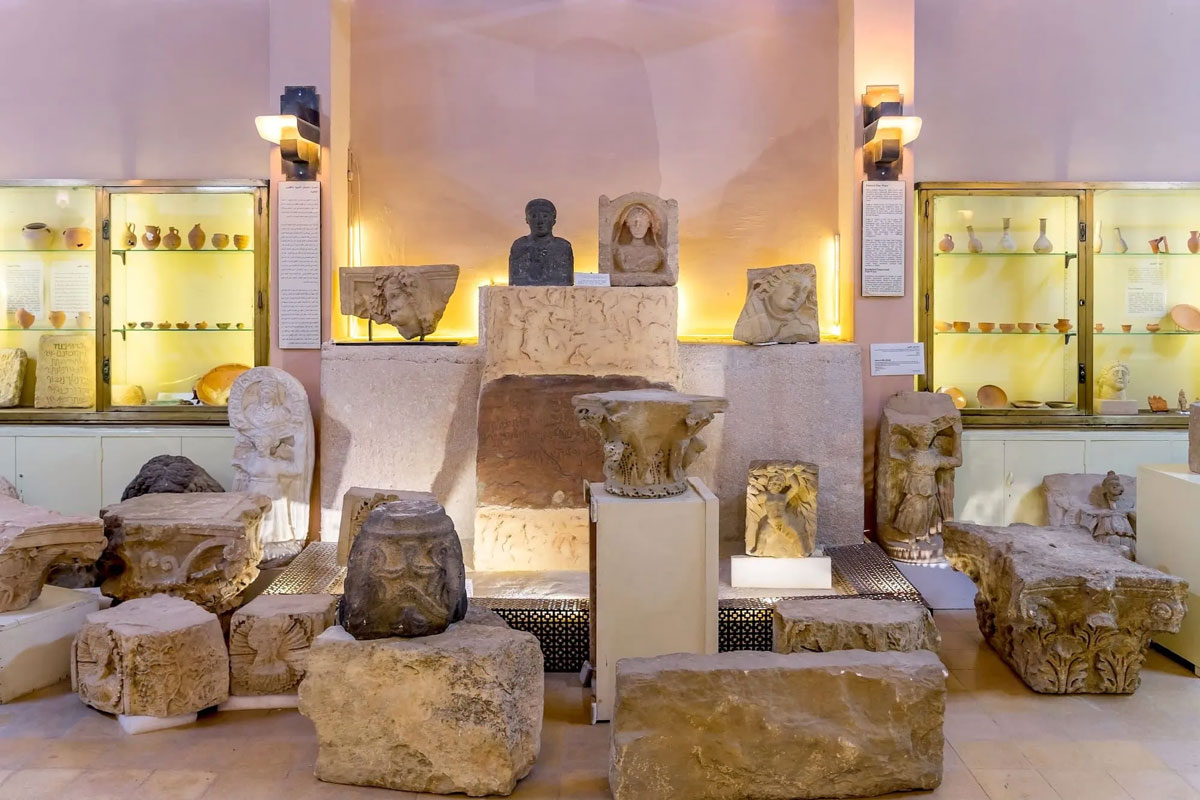
Explore the Jordan Archaeological Museum in Amman, including top artifacts, tickets, Jordan Pass, opening hours, Citadel tips, and visitor advice.
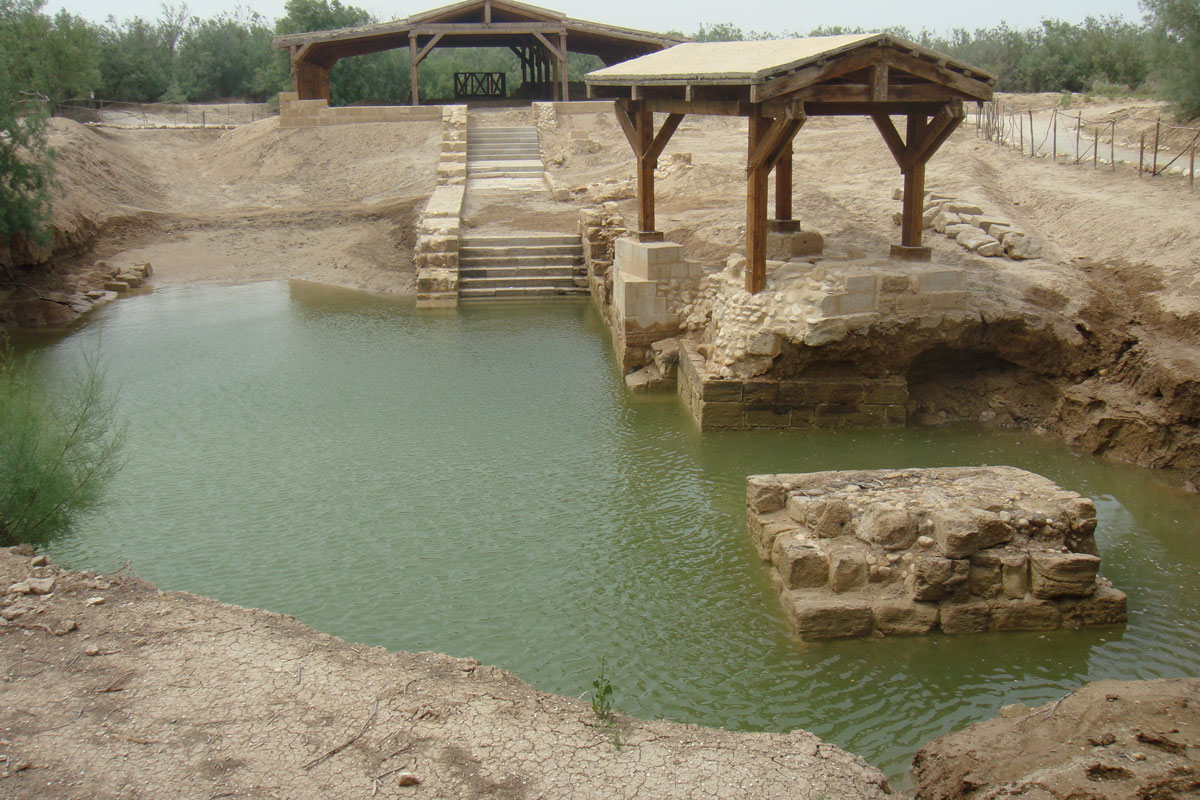
Plan your visit to the Baptism Site in Jordan with its biblical history, archaeology, tickets, opening hours, Jordan Pass details, and nearby stops.
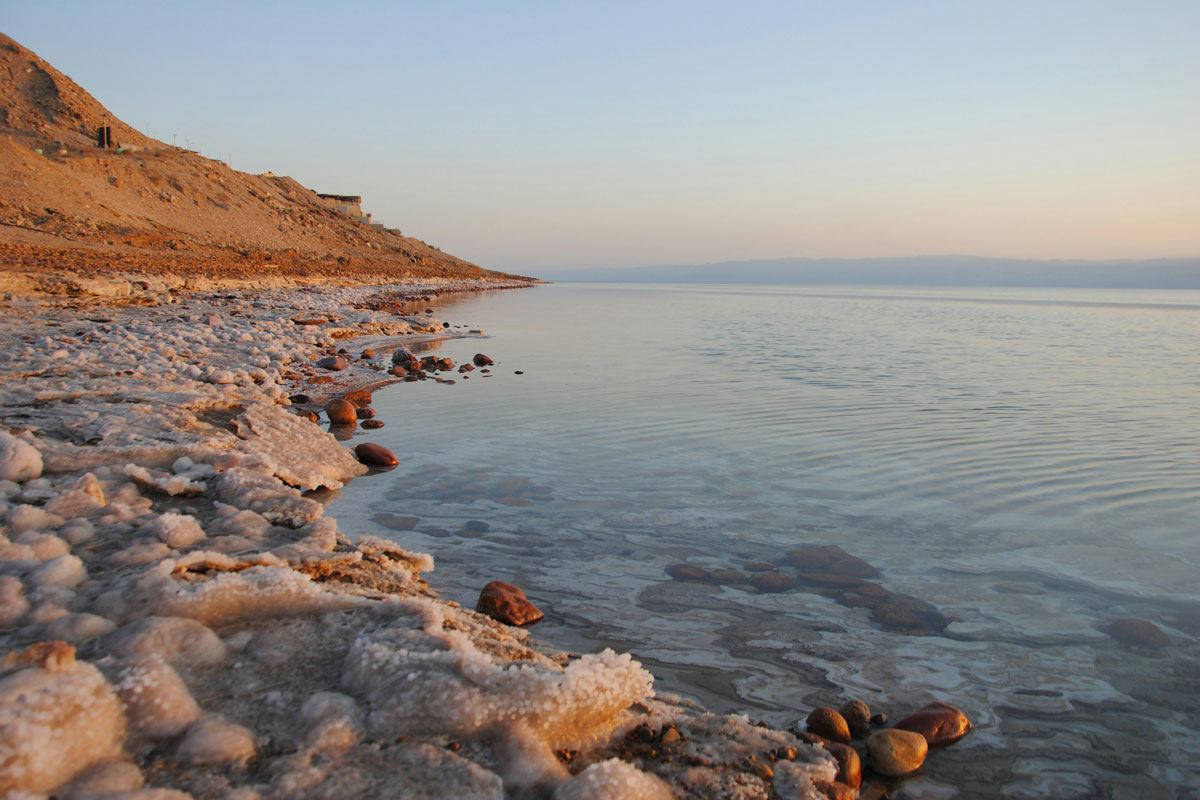
Plan your Dead Sea Jordan visit with tips on floating, beaches, resorts, transport, best times, safety, nearby attractions, and how long to stay.
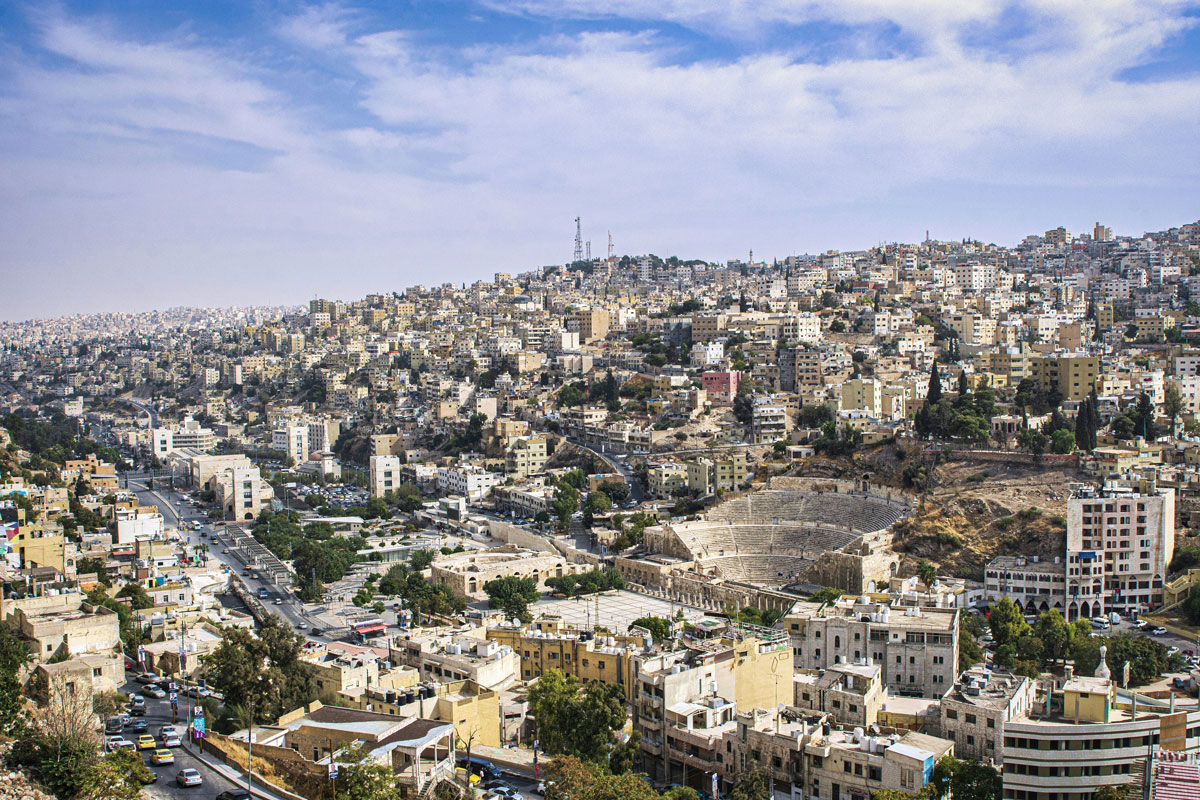
Explore Downtown Amman with tips on the Roman Theatre, souks, local food, walking routes, the Citadel, safety, transport, and the best time to visit.
Plan your visit to Hadrian’s Arch Jerash with its history, architecture, tickets, opening hours, Jordan Pass details, nearby sites, and travel tips.
Plan your first visit to Jerash Jordan with the best ruins to see, walking route, tickets, Jordan Pass details, opening hours, timing, and travel tips.
Explore the best Jordan Valley attractions and things to do, from ancient Pella and the Jordan River to the Dead Sea, with practical tips for planning your visit.
Explore the Jordan River's biblical history, where Jesus was baptized, how to visit from Amman, and the best nearby places to include on your Jordan trip.
We go beyond just booking trips—we create unforgettable travel experiences that match your dreams!



This trip exceeded all our expectations. We booked the "5 Days Discovering Cappadocia Konya Pamukkale Ephesus" package and were impressed by how professionally everything was arranged. The itinerary gave us enough time to enjoy Cappadocia, Ephesus, Pamukkale, and Konya without feeling rushed, and all transfers and day tours ran on time. The communication before arrival was clear and helpful, which made planning much easier. What we appreciated most was the balance between guided sightseeing and free time, so the whole trip felt comfortable and enjoyable. If you are looking for a reliable way to explore Turkey, this is a great option. We would absolutely recommend it to anyone visiting this destination.
We loved how easy and enjoyable this entire experience was. We booked the "15 Days Egypt & Jordan Tour Package" package and were impressed by how professionally everything was arranged. The itinerary gave us enough time to enjoy Egypt and Jordan without feeling rushed, and all transfers and day tours ran on time. The communication before arrival was clear and helpful, which made planning much easier. What we appreciated most was the balance between guided sightseeing and free time, so the whole trip felt comfortable and enjoyable. If you are looking for a reliable way to explore Jordan, this is a great option. We came home with amazing memories and would book again.
One of the smoothest tours we have ever booked. We booked the "7 Days Cappadocia, Konya, Antalya, Pamukkale & Ephesus Tour" package and were impressed by how professionally everything was arranged. The itinerary gave us enough time to enjoy Cappadocia, Ephesus, Pamukkale, Antalya, and Konya without feeling rushed, and all transfers and day tours ran on time. The communication before arrival was clear and helpful, which made planning much easier. What we appreciated most was the balance between guided sightseeing and free time, so the whole trip felt comfortable and enjoyable. If you are looking for a reliable way to explore Turkey, this is a great option. It was the perfect mix of sightseeing, comfort, and great logistics.
A beautifully organized journey from start to finish. We booked the "3 Days Gallipoli, Troy, Pergamum & Ephesus Tour Package" package and were impressed by how professionally everything was arranged. The itinerary gave us enough time to enjoy Ephesus, Gallipoli, Troy, and Pergamum without feeling rushed, and all transfers and day tours ran on time. The communication before arrival was clear and helpful, which made planning much easier. What we appreciated most was the balance between guided sightseeing and free time, so the whole trip felt comfortable and enjoyable. If you are looking for a reliable way to explore Turkey, this is a great option. The itinerary was well balanced and never felt rushed.
We loved how easy and enjoyable this entire experience was. We booked the "8 Days Gallipoli, Pergamum, Pamukkale, Ephesus & Cappadocia Tour" package and were impressed by how professionally everything was arranged. The itinerary gave us enough time to enjoy Cappadocia, Ephesus, Pamukkale, Gallipoli, and Pergamum without feeling rushed, and all transfers and day tours ran on time. The communication before arrival was clear and helpful, which made planning much easier. What we appreciated most was the balance between guided sightseeing and free time, so the whole trip felt comfortable and enjoyable. If you are looking for a reliable way to explore Turkey, this is a great option. We came home with amazing memories and would book again.












Comments (02)
Mr. Bowmik Haldar,
05 June, 2024Outstanding News & Insight! Thank you so much for sharing like this article
Jacoline Juie,
05 June, 2023However, here are some well-regarded car dealerships known for their customer service, inventory, and overall reputation. It's always a good idea to research and read reviews specific...
Leave Your Comment: