 Visit Turkey
 Visit Vietnam
 Visit Cambodia
 Visit Dubai
 Visit Jordan


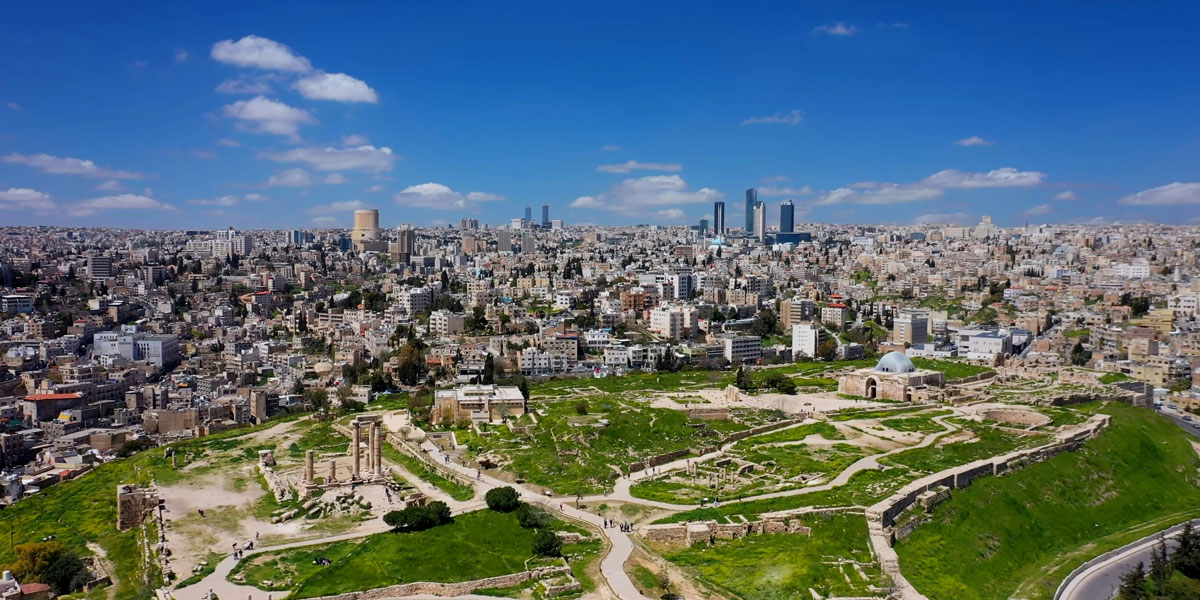
Amman Guide 2026 - Things to Do and Visitor Tips
Plan your trip with this Amman travel guide covering top sights, food, neighborhoods, transport, day trips, where to stay, and practical visitor tips.



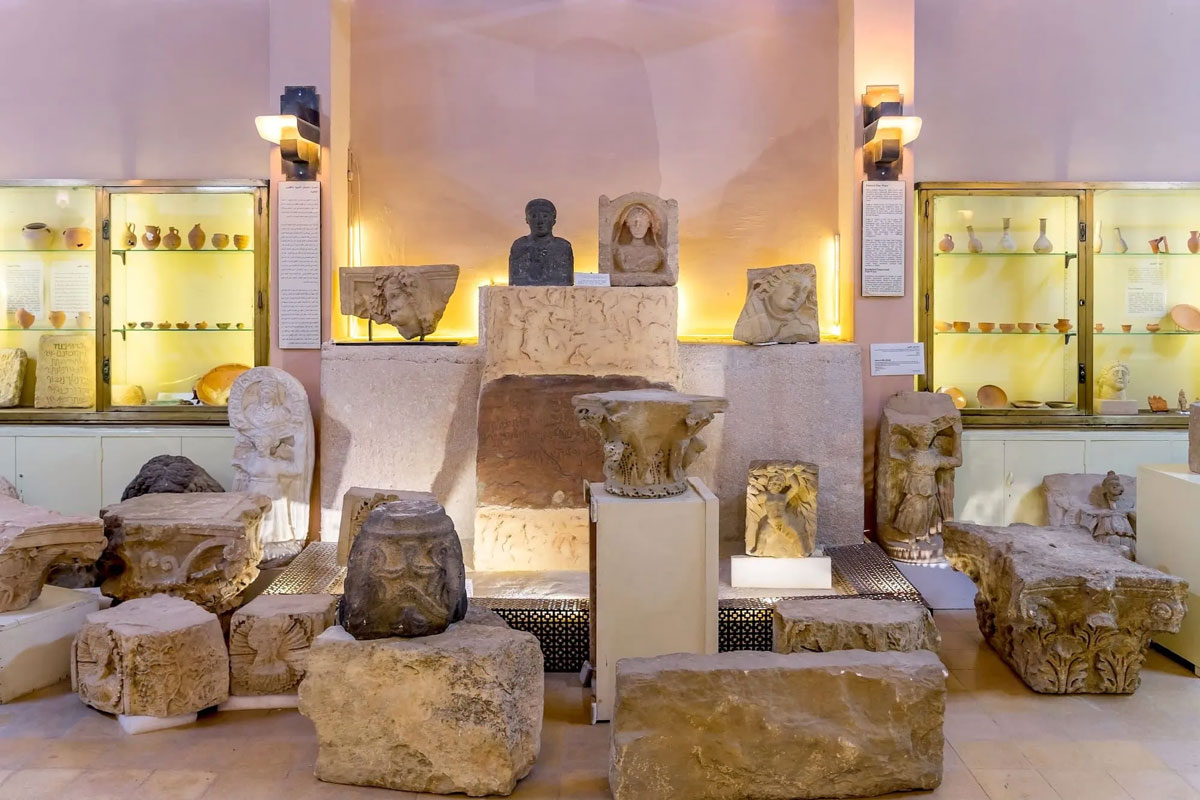
The Jordan Archaeological Museum is easy to overlook beside the larger ruins of Amman Citadel, but it adds something the hilltop monuments cannot provide on their own: a chronological view of the people who lived across Jordan for thousands of years.
Located inside the Citadel on Jabal Al-Qal'a, the museum brings together archaeological finds from sites across the country, with objects dating from the Paleolithic period through the Islamic era. Its displays include pottery, metalwork, glass, inscriptions, coins, statues, and material connected with the important Neolithic settlement of Ain Ghazal.
For travelers interested in archaeology, the museum makes the wider Citadel easier to understand. This guide explains what to see, how the museum differs from The Jordan Museum, current ticket and Jordan Pass information, opening-hour considerations, and how to fit the visit into a day in Amman.
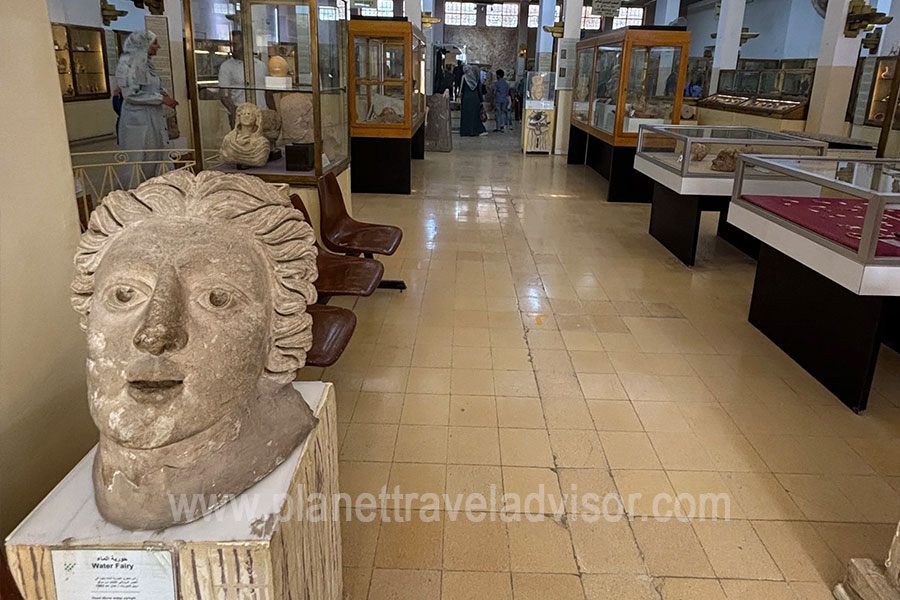
The Jordan Archaeological Museum was established in 1952 and stands at the top of Amman Citadel in downtown Amman. Its original purpose was to tell the story of Jordan's civilizations through archaeological and historical material recovered from sites around the country.
The collection is arranged broadly in chronological order. Rather than concentrating on a single civilization, it follows Jordan through prehistoric periods and later Bronze Age, Iron Age, Classical, Byzantine, and Islamic history.
That makes the museum particularly useful at the beginning of a Jordan trip. A traveler planning to continue to Jerash, Madaba, Petra, the desert castles, or other archaeological sites can start to see how those individual destinations fit into a much longer historical sequence.
The official museum description says its archaeological collection extends from the Paleolithic Age to the Islamic period.
Visitors therefore encounter objects representing very different stages in Jordan's history rather than one isolated archaeological culture. The sequence also complements the Citadel itself, where remains document Bronze and Iron Age settlement as well as Roman, Byzantine, and Islamic occupation.
The museum is most valuable when treated as part of the Amman Citadel experience rather than as a completely separate attraction.
Outside, visitors walk among architecture left by successive civilizations. Inside, smaller objects reveal aspects of everyday life, craft, belief, trade, and artistic production that ruined buildings alone cannot explain.
It is particularly worthwhile for travelers who want to understand ancient Jordan beyond its best-known monuments. Petra may dominate many itineraries, but Jordan's archaeological history began thousands of years before the Nabataeans.
The museum is also manageable in scale. You do not need an entire day to benefit from it, making it relatively easy to include while exploring the Citadel.
Travelers building Amman into a longer itinerary can also use the capital as a historical introduction before continuing south or north through organized Jordan tour packages that connect several archaeological regions.
The museum is particularly suitable for archaeology enthusiasts, ancient-history travelers, university-age students, and visitors who prefer understanding a site rather than simply photographing it.
Families with children who already have an interest in ancient history may also find the objects easier to engage with than extensive archaeological ruins.
Travelers with extremely limited time in Amman may need to choose between several museums and monuments, however. In that case, understanding the difference between this museum and The Jordan Museum becomes important.
Do not approach the collection simply as a room full of old objects. Its value becomes clearer when you follow the changing societies represented by the displays.
The official collection includes ceramics, metal and glass objects, inscriptions, coins, and statues from archaeological excavations across Jordan.
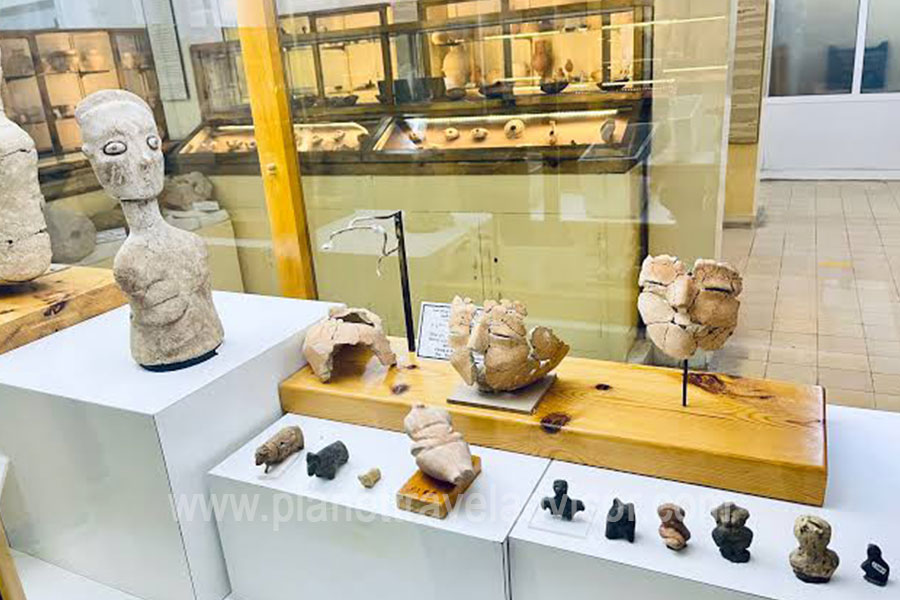
Ain Ghazal is one of the most important archaeological names to recognize before entering.
The Neolithic settlement was located near modern Amman along Wadi Zarqa. Archaeological research indicates that it was occupied for more than 2,000 years during the Neolithic period, roughly from 7500 to 5000 BC. Its inhabitants farmed crops, hunted, gathered wild resources, and herded animals while developing increasingly complex domestic and ritual practices.
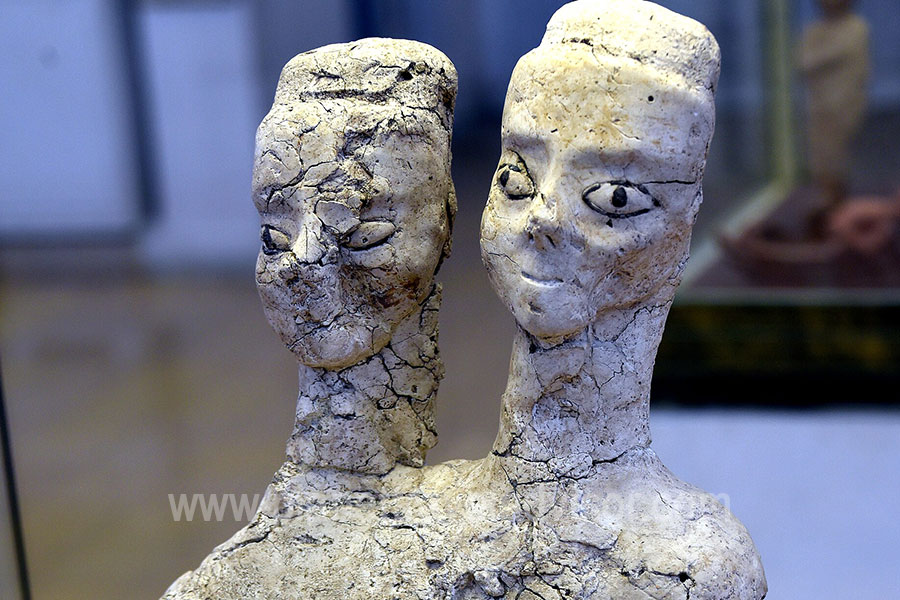
Ain Ghazal became internationally famous after archaeologists uncovered plaster human figures and other ritual objects beneath buildings at the settlement. The official Jordan Archaeological Museum identifies plaster statues from Ain Ghazal among its most important exhibits, while archaeological documentation also records smaller Ain Ghazal figurines on display there.
The discovery matters because the material provides rare evidence of symbolic and ritual behavior among some of the region's early settled communities.
It is worth knowing that Ain Ghazal material is not confined to this museum. The Jordan Museum also displays important Ain Ghazal statues today.
The museum's prehistoric objects help visitors see Jordan before the kingdoms, Roman cities, churches, and Islamic architecture that dominate many tourism itineraries.
Look for changes in tools, pottery, figurines, and other domestic material. These smaller objects can reveal how communities obtained food, organized settlements, developed technologies, and expressed beliefs.
For travelers interested in human prehistory, this is one of the museum's most rewarding themes.
The next layers of the collection move toward societies that developed more complex settlement patterns, political structures, trade networks, and regional identities.
This part of the archaeological sequence is particularly useful before exploring Amman's wider Citadel because the hill itself was occupied from the Bronze Age and later became associated with the ancient Ammonite capital. The official e-ticket description traces Citadel occupation through the Bronze Age, Iron Age, Hellenistic, Roman, Byzantine, and successive Islamic periods.
Coins, glass, ceramics, inscriptions, sculpture, and other objects from later periods help connect the museum with archaeological sites travelers may see across Jordan.
These displays are useful because Roman and Byzantine Jordan was not limited to monumental architecture. Everyday objects show how people lived within the cities whose theatres, temples, streets, and churches survive today.
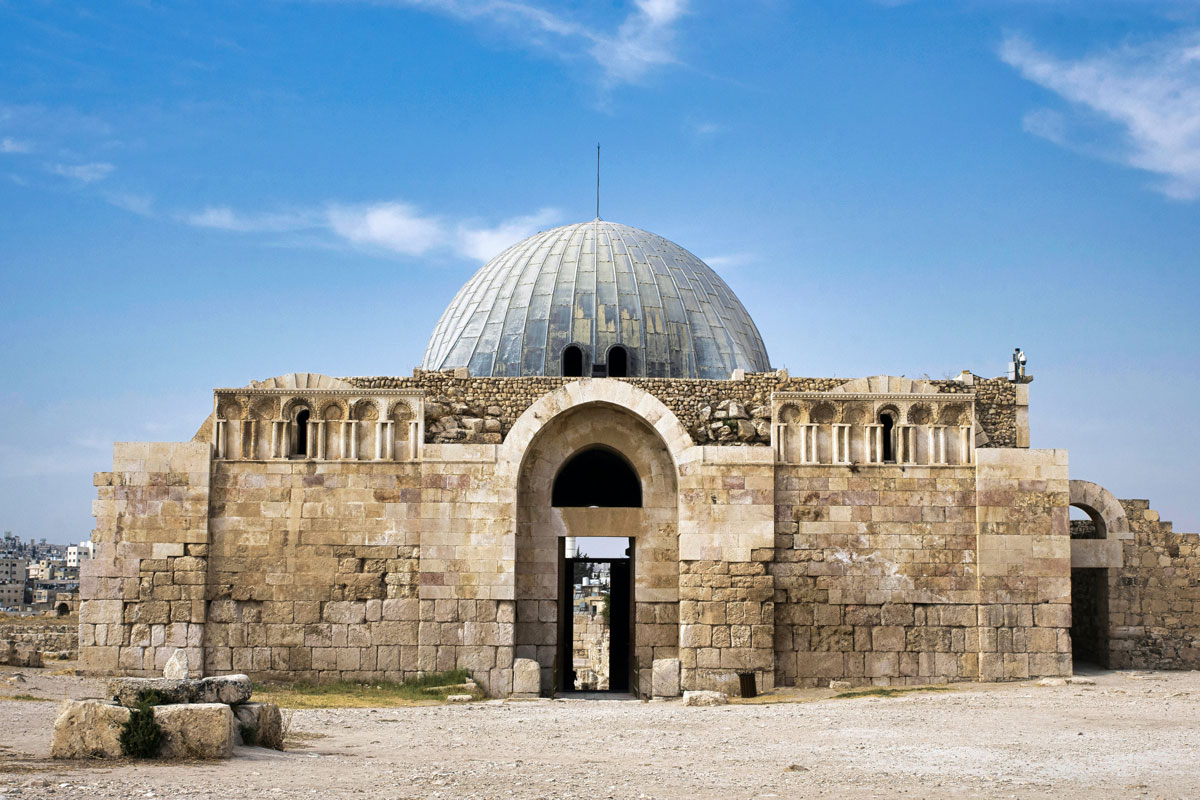
The Islamic material then extends that chronology into another important stage of Jordan's history, which can be explored outside the museum at the Umayyad remains of the Citadel.
These names are easy to confuse, but they refer to two different museums.
The Jordan Archaeological Museum is the smaller archaeological museum located inside Amman Citadel.
The Jordan Museum, located in Ras Al-Ain, is Jordan's national museum and presents the country's history through larger chronological and thematic exhibitions. Its official description says its interpretation covers about 1.5 million years of Jordanian history and archaeology.
There is also a separate Archaeological Museum at the University of Jordan, established in 1962, which creates another possible source of confusion when searching online.
Travelers should be particularly careful with older information about the Dead Sea Scrolls.
The current official listing for The Jordan Museum identifies the Dead Sea Scrolls among that museum's significant exhibits, together with important Ain Ghazal statues.
Therefore, you should not plan a visit to the Jordan Archaeological Museum at the Citadel specifically because you expect to see the principal Dead Sea Scroll displays there.
Choose the Jordan Archaeological Museum if you are already exploring Amman Citadel and want archaeological context without adding another major stop.
Choose The Jordan Museum if you want a broader, more developed introduction to Jordan's history and some of its best-known nationally significant objects.
For archaeology-focused travelers, visiting both makes sense because their experiences are complementary rather than interchangeable.
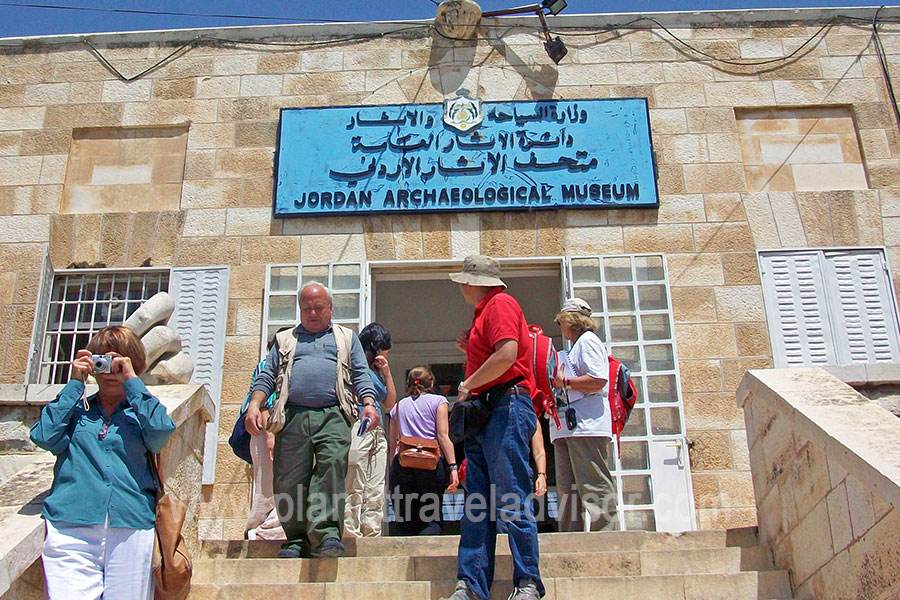
Opening hours require some care because current official sources do not publish completely identical schedules.
The official museum directory lists the Jordan Archaeological Museum as open 8:00 AM to 7:00 PM in summer and 8:00 AM to 4:00 PM in winter.
The official Jordan Pass opening-hours page currently gives more detailed seasonal hours for the museum and Citadel: 8:00 AM–4:00 PM in winter, 8:00 AM–6:30 PM in summer, 8:00 AM–5:30 PM during April and May, and 9:00 AM–5:00 PM during Ramadan.
Because these two official sources differ on summer closing time, check the official schedule shortly before your visit rather than planning around the final hour of the day.
The Jordanian Ministry of Tourism and Antiquities currently lists admission to the Amman Archaeological Museum at 3 JOD for foreign visitors and 0.25 JOD for Jordanians. The same official fee table separately lists the Citadel at 3 JOD for foreign visitors.
Since the published table lists the two entries separately, do not assume that an ordinary Citadel ticket automatically covers a separate museum charge without checking the ticket conditions when you visit.
Yes. The Jordan Archaeological Museum appears on the official Jordan Pass list of included attractions.
The official Jordan Pass also suggests an Amman museum itinerary beginning with the Citadel and Jordan Archaeological Museum. The Jordan Museum, by contrast, is marked as an attraction requiring a separate ticket in that itinerary.
The pass is especially relevant for travelers visiting multiple archaeological sites around Jordan. Current pass packages begin at 70 JOD and include entry to more than 40 attractions, although conditions apply to the associated visa-fee benefit.
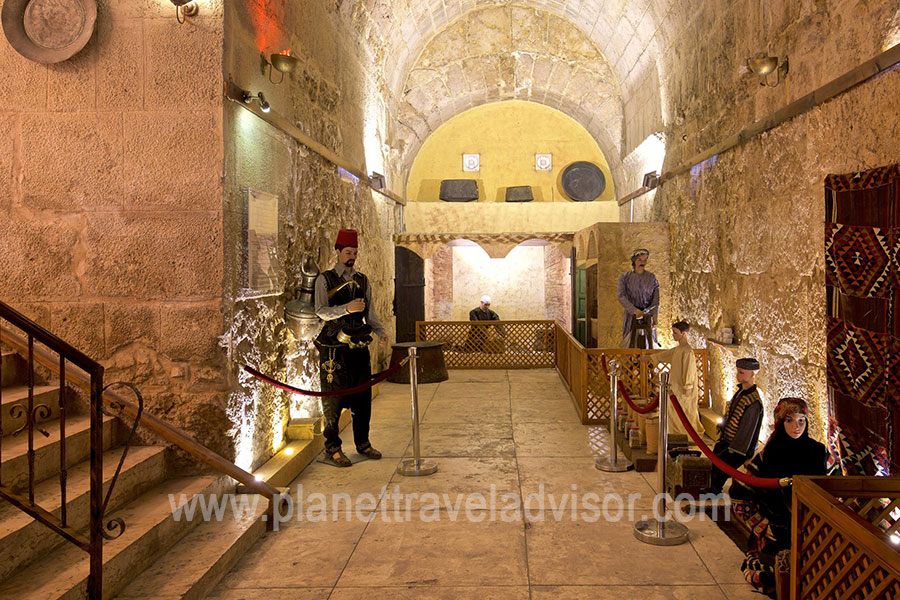
There is no useful one-size-fits-all answer.
For a quick visit focused on the museum's most significant material, around 30 to 45 minutes is a reasonable planning estimate rather than an official required duration.
Travelers who enjoy archaeology, inscriptions, ceramics, coins, or prehistoric history may prefer around one hour or longer.
More importantly, allow enough time for the entire Citadel. The museum is only one component of an archaeological landscape containing structures from several periods.
Avoid scheduling the museum as an isolated 30-minute stop between distant attractions. It works better when you can move between the exhibits and the monuments outside at a comfortable pace.
The strongest way to experience the museum is to connect objects inside it with the historical layers visible outside.
The Roman Temple of Hercules is one of the Citadel's most recognizable monuments and dates to the Roman period. Jordan's official tourism material places it in the 2nd century CE.
After seeing Roman material inside the museum, the surviving columns and architectural fragments outside gain more context.
The Umayyad Palace represents a much later stage in the Citadel's history. Official tourism information identifies the palace complex as an important feature of the hill during Umayyad rule.
Walking through both the museum and palace therefore helps illustrate how the same hill changed across different political and religious eras.
The Citadel also contains Byzantine remains, including a church, alongside Roman and Islamic architecture.
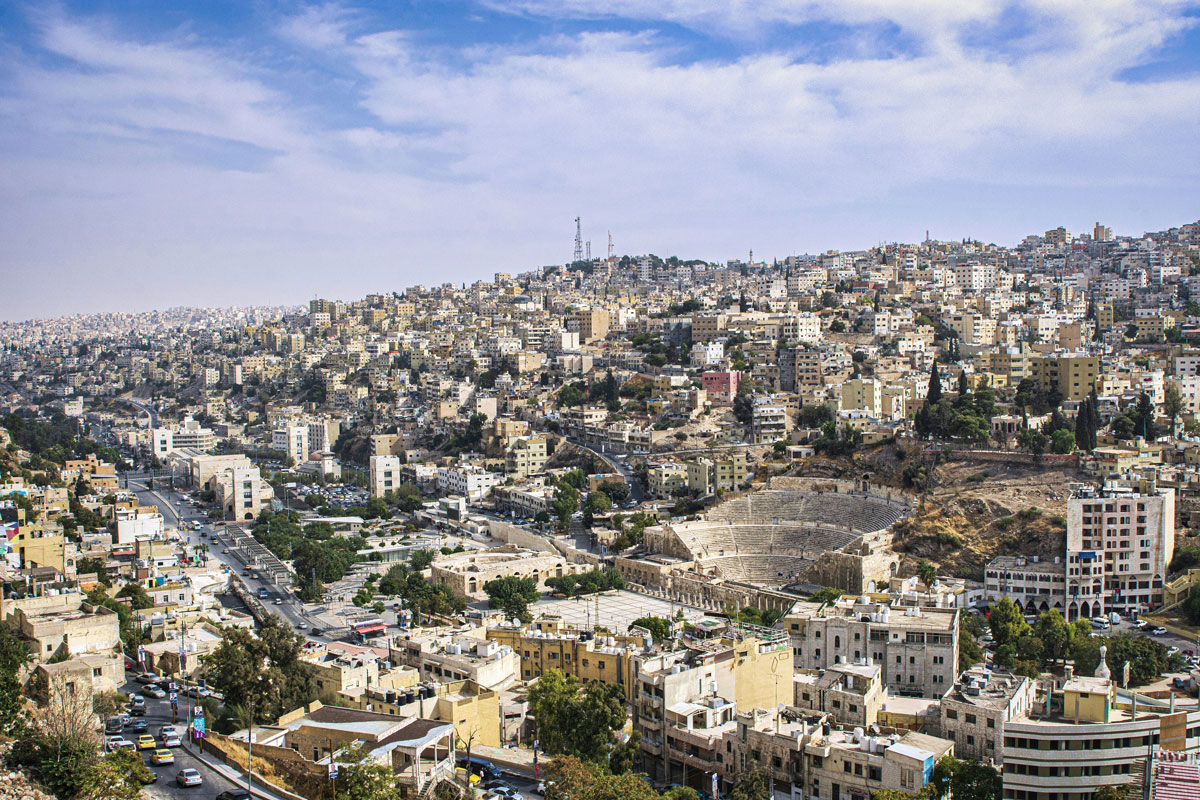
Allow time for the wider hilltop landscape as well. The elevated position provides extensive views over central Amman and makes it easier to understand the relationship between the Citadel, downtown, and the Roman Theatre below.
The museum is located on Jabal Al-Qal'a at Amman Citadel, above downtown Amman.
Taxi or app-based transport is generally the simplest choice for travelers coming from another part of Amman, particularly because of the elevation.
Walking from downtown is possible for active travelers, but the climb should not be underestimated. Amman's hills can make a short map distance feel considerably longer on foot.
If you are exploring downtown afterward, it is often more comfortable to start at the Citadel and then work downhill toward the Roman Theatre and Al-Balad.
Travelers with mobility limitations should plan carefully.
The official Jordan Museums directory currently marks the Jordan Archaeological Museum as not accessible for people with disabilities.
The wider Citadel is also an archaeological environment rather than a level modern attraction. Expect open ground, historic surfaces, sun exposure, and walking between widely spaced ruins.
Comfortable footwear is useful even for visitors without mobility concerns. In warm weather, carry water and give yourself time to rest rather than rushing between monuments.
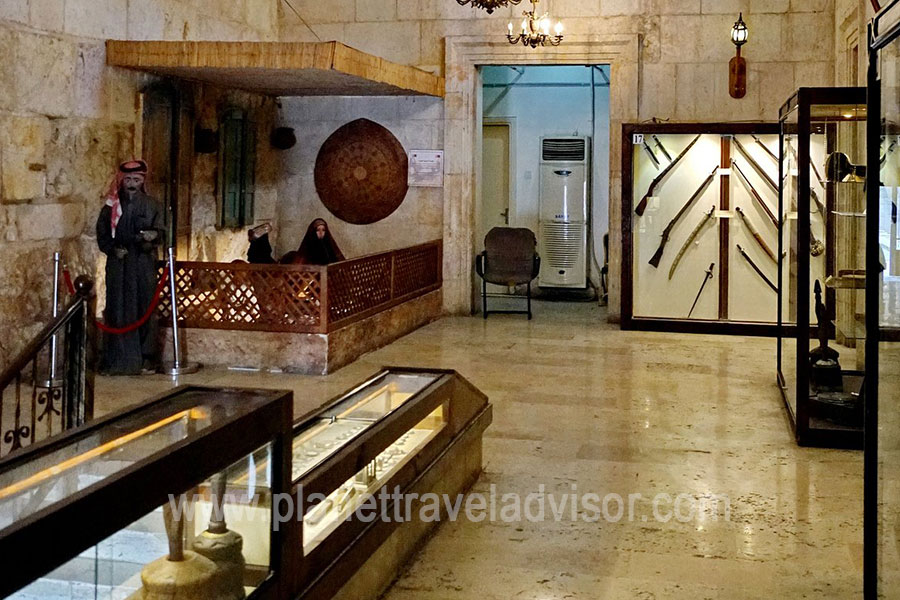
For most travelers, morning is the easiest time to visit. Temperatures are generally more comfortable for exploring the exposed Citadel, and beginning early leaves enough time to continue into downtown.
Later in the day can be attractive for city views and photography, but travelers should pay close attention to closing times because official seasonal schedules vary.
Spring and autumn are generally convenient periods for outdoor sightseeing in Amman. Summer visits make shade, water, and timing more important, while winter visitors should account for shorter official opening hours.
Check the current official opening hours shortly before arrival.
Confirm whether you will use an individual ticket or Jordan Pass.
Do not confuse the museum with The Jordan Museum in Ras Al-Ain.
Wear shoes suitable for archaeological ground around the Citadel.
Carry water during warmer months.
Allow time for the museum and the surrounding Citadel rather than treating them as separate stops.
Visit the Roman Theatre and downtown Amman afterward if your schedule allows.
If archaeology is a major reason for your trip, consider visiting both this museum and The Jordan Museum.
The museum is already inside one of Amman's most important archaeological areas, so the Temple of Hercules, Umayyad Palace, Byzantine remains, and other structures should form part of the same visit.
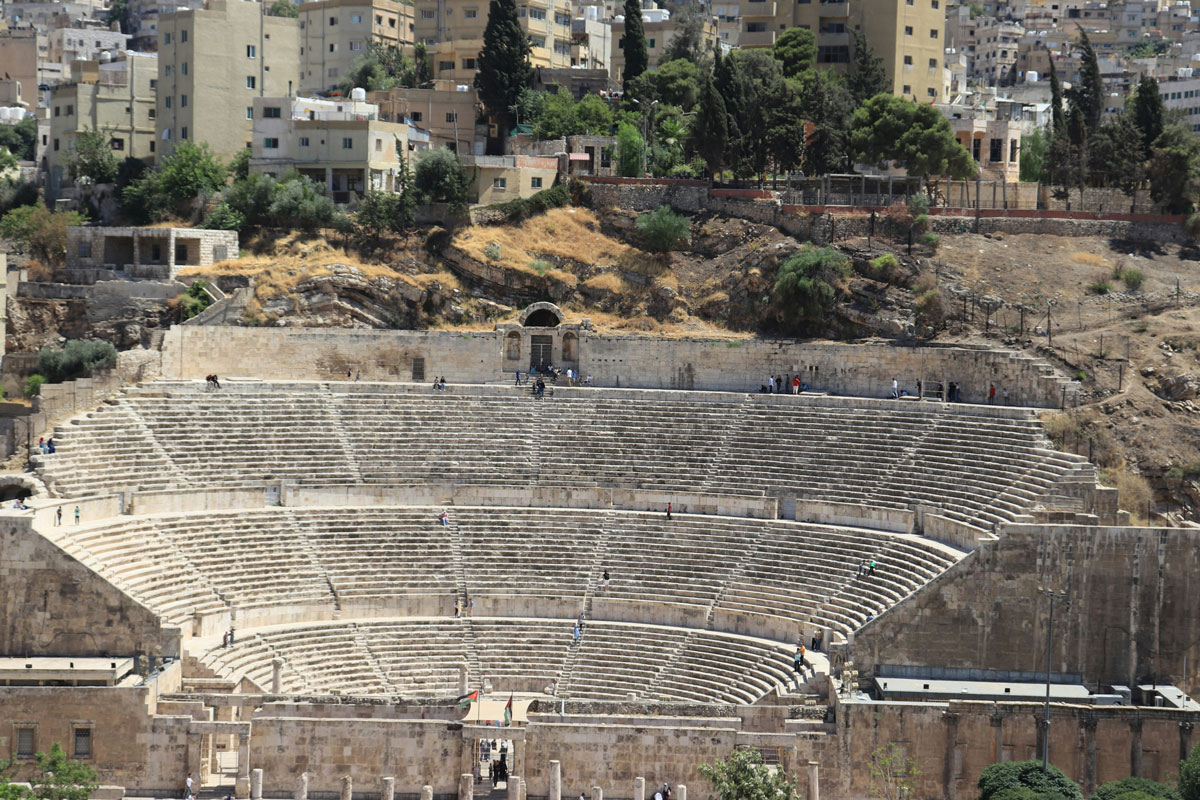
At the foot of the Citadel, the restored Roman Theatre dates to the 2nd century CE and can accommodate about 6,000 spectators. It also houses the Jordan Folklore Museum and Museum of Popular Traditions.
This makes the theatre a logical next stop for travelers continuing their historical exploration of central Amman.
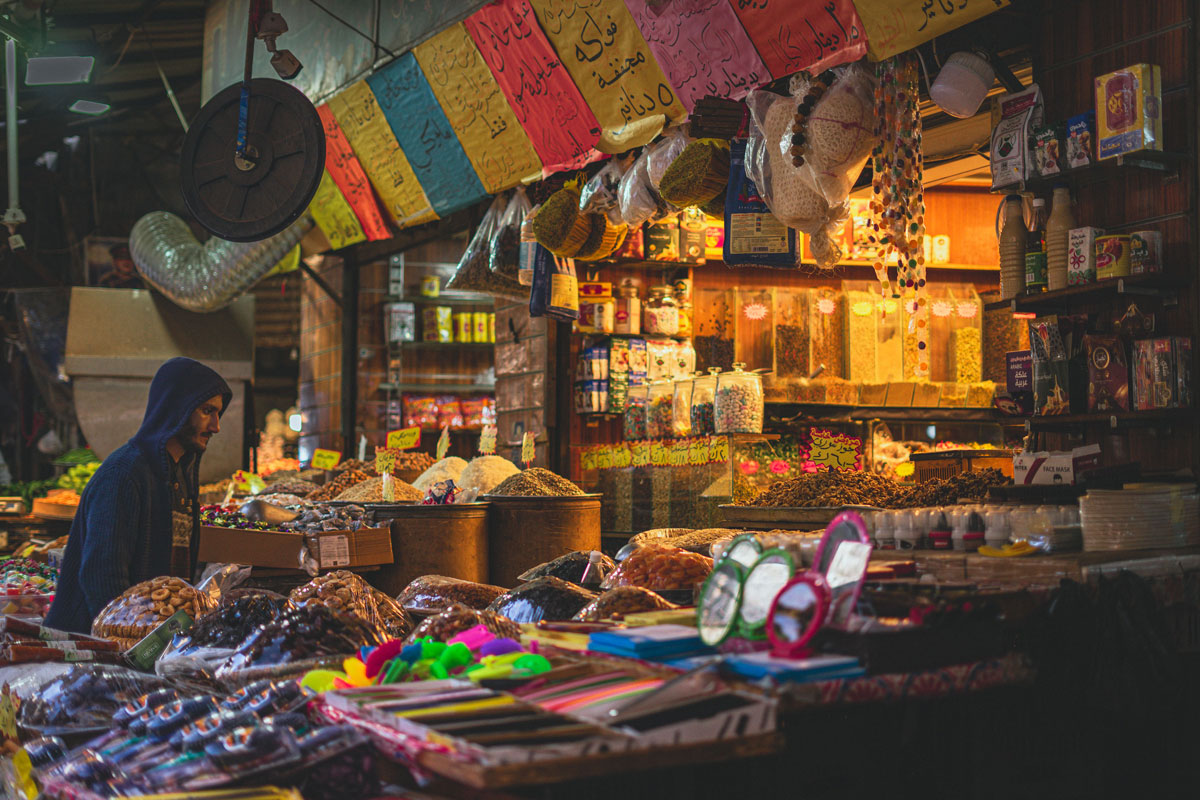
From the Roman Theatre, continue through Al-Balad for markets, traditional food, local shops, and the everyday activity of central Amman.
Travelers continuing beyond the capital can then connect Amman's archaeological context with Jerash, Madaba, Petra, Wadi Rum, and other destinations through multi-day Jordan tours rather than arranging every transfer and site independently.
Yes, particularly if you are already visiting Amman Citadel.
The museum is not the largest archaeological museum in the country, and travelers looking for the broadest national collection may prefer to devote additional time to The Jordan Museum. Its strength is context: you can examine archaeological material indoors and then walk directly outside into a site occupied through many of the same historical eras.
History enthusiasts should make time for it. First-time visitors can use it to understand Jordan before moving deeper into the country, while travelers with only a few hours in Amman can combine it efficiently with the Citadel.
If your main interest is shopping, food, or contemporary Amman and you have very limited sightseeing time, it may be less essential. But for anyone building a culturally focused Jordan itinerary, it is a useful starting point.
The Jordan Archaeological Museum is most rewarding when viewed as part of Amman Citadel rather than as an isolated museum stop. Its collection helps explain the long archaeological sequence behind the monuments outside, with material stretching from prehistoric Jordan to the Islamic period.
Prioritize the Ain Ghazal material, take time to understand the chronological displays, and then continue through the Temple of Hercules, Byzantine remains, and Umayyad Palace. Check official opening hours immediately before visiting because published seasonal schedules can differ.
For travelers planning a wider cultural journey, Amman provides an effective introduction before archaeological sites elsewhere in Jordan become the next chapters of the trip.





A curated list of the most popular travel packages based on different destinations.
Plan your trip with this Amman travel guide covering top sights, food, neighborhoods, transport, day trips, where to stay, and practical visitor tips.
Plan your Amman Roman Theatre visit with current ticket prices, opening hours, Jordan Pass details, history, nearby sights, and practical travel tips.
Explore the best souqs in Amman, from Al-Balad and the Gold Souq to Souq Jara, with shopping tips, souvenirs, timing, and nearby sights.
Explore Siq Petra, its Nabataean water system, ancient carvings, Treasury walk, history, opening hours, tickets, photography tips, and visitor advice.
Explore Amman Citadel with practical tips on history, top sights, tickets, opening hours, Jordan Pass access, timing, transport, and nearby attractions.
Plan your visit to the Baptism Site in Jordan with its biblical history, archaeology, tickets, opening hours, Jordan Pass details, and nearby stops.
Plan your Dead Sea Jordan visit with tips on floating, beaches, resorts, transport, best times, safety, nearby attractions, and how long to stay.
Explore Downtown Amman with tips on the Roman Theatre, souks, local food, walking routes, the Citadel, safety, transport, and the best time to visit.
Plan your visit to Hadrian’s Arch Jerash with its history, architecture, tickets, opening hours, Jordan Pass details, nearby sites, and travel tips.
Plan your first visit to Jerash Jordan with the best ruins to see, walking route, tickets, Jordan Pass details, opening hours, timing, and travel tips.
Explore the best Jordan Valley attractions and things to do, from ancient Pella and the Jordan River to the Dead Sea, with practical tips for planning your visit.
Explore the Jordan River's biblical history, where Jesus was baptized, how to visit from Amman, and the best nearby places to include on your Jordan trip.
We go beyond just booking trips—we create unforgettable travel experiences that match your dreams!



We loved how easy and enjoyable this entire experience was. We booked the "8 Days Gallipoli, Pergamum, Pamukkale, Ephesus & Cappadocia Tour" package and were impressed by how professionally everything was arranged. The itinerary gave us enough time to enjoy Cappadocia, Ephesus, Pamukkale, Gallipoli, and Pergamum without feeling rushed, and all transfers and day tours ran on time. The communication before arrival was clear and helpful, which made planning much easier. What we appreciated most was the balance between guided sightseeing and free time, so the whole trip felt comfortable and enjoyable. If you are looking for a reliable way to explore Turkey, this is a great option. We came home with amazing memories and would book again.
We loved how easy and enjoyable this entire experience was. We booked the "15 Days Egypt & Jordan Tour Package" package and were impressed by how professionally everything was arranged. The itinerary gave us enough time to enjoy Egypt and Jordan without feeling rushed, and all transfers and day tours ran on time. The communication before arrival was clear and helpful, which made planning much easier. What we appreciated most was the balance between guided sightseeing and free time, so the whole trip felt comfortable and enjoyable. If you are looking for a reliable way to explore Jordan, this is a great option. We came home with amazing memories and would book again.
Everything about this package felt thoughtfully planned. We booked the "Best Day Tour Madaba, Nebo, Baptism Site & Dead Sea" package and were impressed by how professionally everything was arranged. The itinerary gave us enough time to enjoy Madaba, Mount Nebo, and the Dead Sea without feeling rushed, and all transfers and day tours ran on time. The communication before arrival was clear and helpful, which made planning much easier. What we appreciated most was the balance between guided sightseeing and free time, so the whole trip felt comfortable and enjoyable. If you are looking for a reliable way to explore Jordan, this is a great option. The guides, transfers, and pacing all worked together perfectly.
This trip exceeded all our expectations. We booked the "5 Days Discovering Cappadocia Konya Pamukkale Ephesus" package and were impressed by how professionally everything was arranged. The itinerary gave us enough time to enjoy Cappadocia, Ephesus, Pamukkale, and Konya without feeling rushed, and all transfers and day tours ran on time. The communication before arrival was clear and helpful, which made planning much easier. What we appreciated most was the balance between guided sightseeing and free time, so the whole trip felt comfortable and enjoyable. If you are looking for a reliable way to explore Turkey, this is a great option. We would absolutely recommend it to anyone visiting this destination.
Everything about this package felt thoughtfully planned. We booked the "12 Days Best Cultural and Heritage Vietnam Tour" package and were impressed by how professionally everything was arranged. The itinerary gave us enough time to enjoy Vietnam without feeling rushed, and all transfers and day tours ran on time. The communication before arrival was clear and helpful, which made planning much easier. What we appreciated most was the balance between guided sightseeing and free time, so the whole trip felt comfortable and enjoyable. If you are looking for a reliable way to explore Vietnam, this is a great option. The guides, transfers, and pacing all worked together perfectly.












Comments (02)
Mr. Bowmik Haldar,
05 June, 2024Outstanding News & Insight! Thank you so much for sharing like this article
Jacoline Juie,
05 June, 2023However, here are some well-regarded car dealerships known for their customer service, inventory, and overall reputation. It's always a good idea to research and read reviews specific...
Leave Your Comment: