 Visit Turkey
 Visit Vietnam
 Visit Cambodia
 Visit Dubai
 Visit Jordan


Amman Guide 2026 - Things to Do and Visitor Tips
Plan your trip with this Amman travel guide covering top sights, food, neighborhoods, transport, day trips, where to stay, and practical visitor tips.



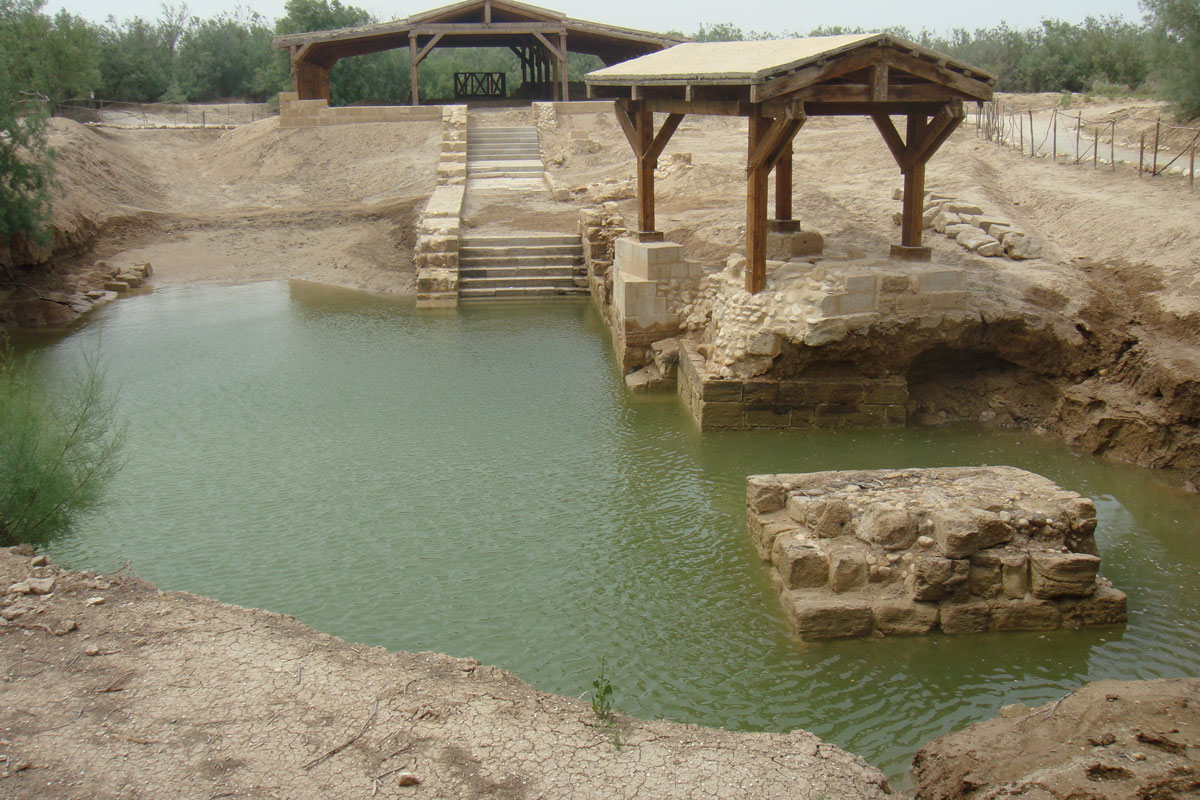
Bethany Beyond the Jordan is one of the most significant Christian pilgrimage sites in the Middle East. Also known as Al-Maghtas or simply the Baptism Site, this archaeological area on the eastern bank of the Jordan River is traditionally associated with the place where John the Baptist baptized Jesus.
Its importance goes well beyond a single biblical event. Archaeological remains show that Christians were building churches, baptismal pools, monasteries, and pilgrimage facilities here from the early Byzantine period onward. UNESCO inscribed the site on the World Heritage List in 2015, recognizing both its archaeological evidence and its long tradition as a place of Christian pilgrimage.
Today, visitors come for different reasons. Some arrive as pilgrims, others for archaeology and biblical history, while many include the site in a wider Jordan itinerary with Madaba, Mount Nebo, and the Dead Sea. Travelers planning several destinations together can also explore tours to Jordan that connect the country's religious, historical, and natural landmarks.
This guide explains what Bethany Beyond the Jordan is, why it matters, what you can see, and the practical details to know before visiting.
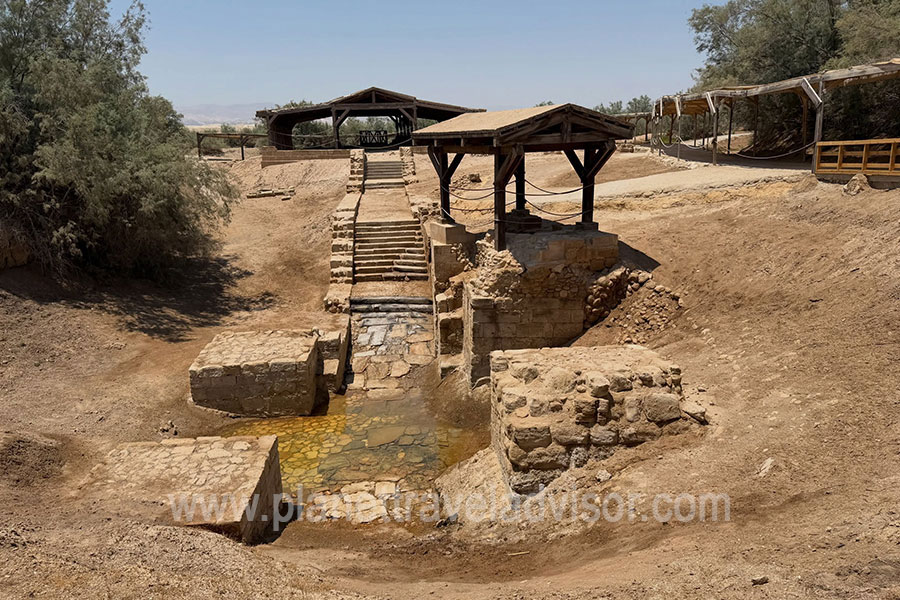
Bethany Beyond the Jordan is an archaeological and religious site in the Jordan Valley, about nine kilometers north of the Dead Sea. UNESCO describes two principal archaeological areas: Tell Al-Kharrar, also called Jabal Mar Elias or Elijah's Hill, and the group of Churches of St. John the Baptist closer to the Jordan River.
Travelers may encounter several names while researching the attraction.
Bethany Beyond the Jordan is the biblical and historical name commonly associated with the location. Al-Maghtas, an Arabic name connected with baptism or immersion, is widely used for the archaeological site. The Baptism Site is the simpler tourism name commonly used in Jordan.
They are therefore not three separate attractions.
The site should also not be confused with Bethany near Jerusalem, traditionally associated with Lazarus, Mary, and Martha.
The site's importance comes primarily from Christian tradition connecting this stretch of the Jordan Valley with John the Baptist and the baptism of Jesus.
The Gospel of John refers to a place called Bethany beyond the Jordan, where John was baptizing. The area also became associated with the Prophet Elijah, adding another layer to its religious importance.
Over centuries, pilgrims, monks, priests, and hermits came to the area. Churches, chapels, monasteries, caves, baptismal pools, and water systems developed around the pilgrimage landscape.
UNESCO states that archaeological remains at Bethany Beyond the Jordan provide evidence for baptism and Christian pilgrimage from at least the fourth century onward. The site remains significant to many Christian denominations today.
For visitors, that long continuity is one of the most important things to understand. The experience is not simply about standing beside the Jordan River. It is about seeing how generations of Christians remembered, marked, and used this landscape.
This is one of the first questions many travelers ask.
The careful answer is that Bethany Beyond the Jordan is widely accepted by Christian tradition as the area associated with the baptism of Jesus, but archaeology cannot identify the precise point where Jesus physically stood.
UNESCO describes the location as the site believed to be where Jesus of Nazareth was baptized by John the Baptist. It also notes that the majority of Christian denominations recognize Bethany Beyond the Jordan as the baptism location.
Archaeology strengthens the historical significance of the area in another way. The surviving baptismal pools, churches, monastic buildings, pilgrim facilities, and other remains demonstrate that Christians were venerating and using this location for religious purposes many centuries ago.
That distinction matters.
The archaeology provides strong evidence for a long-established pilgrimage and baptism tradition. It should not be presented as archaeological proof of the exact few square meters where the biblical event occurred.
Bethany Beyond the Jordan is easier to appreciate once you understand what the ruins represent.
The archaeological landscape includes Tell Al-Kharrar, traditionally associated with Elijah, as well as Roman and Byzantine remains extending toward the Jordan River.
Among the surviving features are churches, chapels, monastic structures, hermit caves, water-collection systems, baptismal pools, and a cruciform baptismal pool. UNESCO also identifies a pilgrim station among the structures connected with the site's long religious use.
Some ruins are relatively modest in appearance. This is not Petra, Jerash, or another site dominated by monumental architecture.
Their value comes from what they reveal.
Together, the structures show how an important religious landscape developed around water, baptism, pilgrimage, prayer, and monastic life over many centuries.
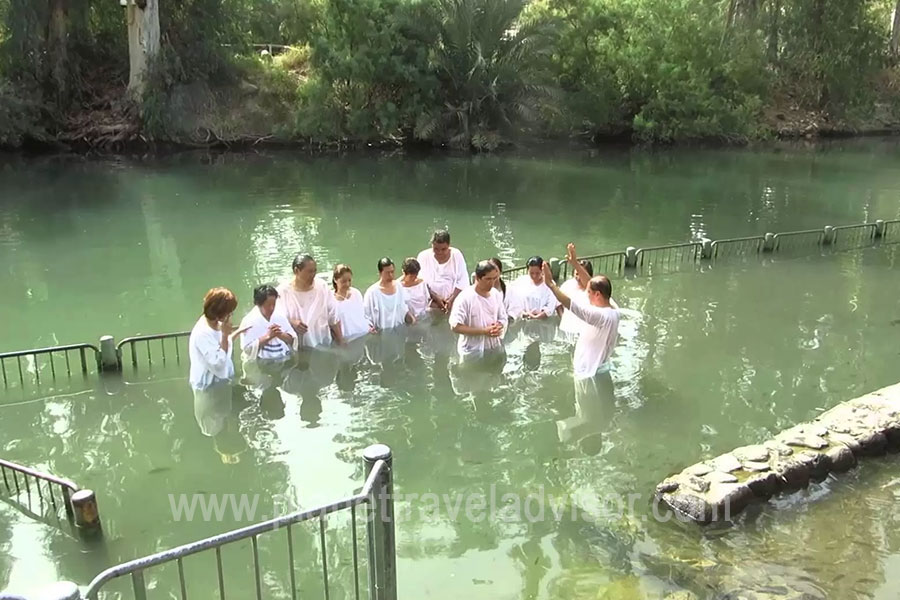
A visit gradually moves through the archaeological landscape toward the Jordan River.
One of the major areas is Tell Al-Kharrar, or Elijah's Hill, which is connected by religious tradition with the Prophet Elijah. Visitors then encounter archaeological remains associated with early Christian worship and baptism, including ancient pools, church ruins, water systems, and monastic features.
Closer to the river is the area of the Churches of St. John the Baptist.
The Jordan River itself is often the most meaningful part of the visit for Christian pilgrims. The physical river today is narrow compared with the broad waterway some first-time visitors may imagine, but its religious importance is the central reason many people make the journey.
Visitors interested in walking and pilgrimage can also explore the John the Baptist Trail. The official Baptism Site describes it as a roughly three-kilometer pilgrimage route connecting places such as Elijah's Hill, John the Baptist's Cave, Wadi Al-Kharrar, the Pilgrims' Station, an ancient pool, John the Baptist Spring, the baptism area, the Jordan River, and cave cells.
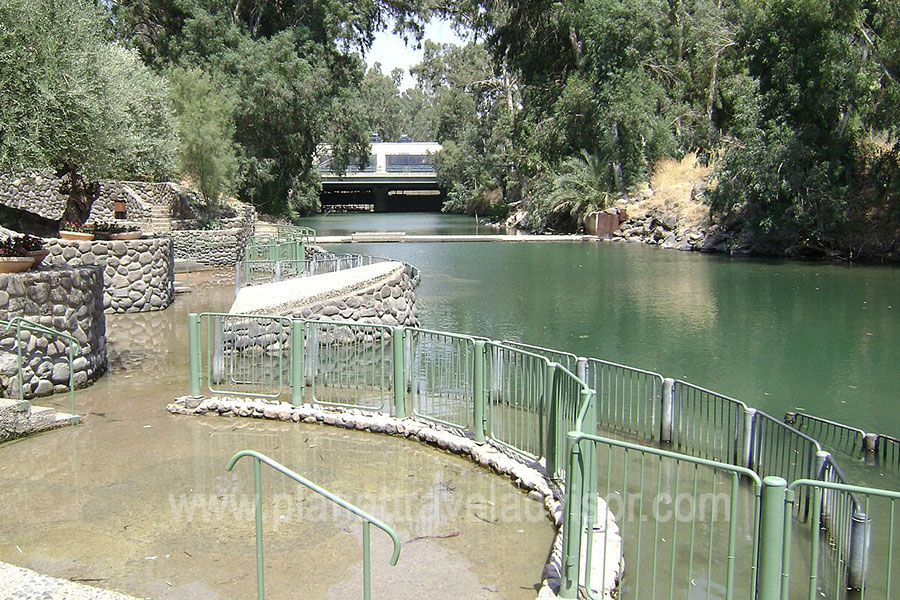
Travelers researching the baptism of Jesus often encounter several different locations online, particularly Bethany Beyond the Jordan, Qasr al-Yahud, and Yardenit.
Bethany Beyond the Jordan, or Al-Maghtas, is the UNESCO-listed archaeological site on the eastern side of the Jordan River in Jordan. Its identification rests on Christian tradition, historical pilgrimage, archaeology, and the remains of early religious structures.
Qasr al-Yahud lies on the opposite side of the river and is also associated with Christian baptism traditions. The narrow Jordan River means that the two areas are geographically very close even though access is from different sides.
Yardenit is quite different. It is farther north, near the southern end of the Sea of Galilee, and was established in 1981 as a modern location where pilgrims could conduct baptism ceremonies in the Jordan River. It should therefore not be confused with the UNESCO archaeological site at Bethany Beyond the Jordan.
Understanding these differences can prevent considerable confusion when planning a religious journey.
For travelers interested in Christianity, biblical history, pilgrimage, or early Christian archaeology, Bethany Beyond the Jordan is one of Jordan's most meaningful sites.
Christian pilgrims will naturally find the strongest connection here, but religious belief is not essential to appreciate the visit. The archaeological remains, UNESCO recognition, Jordan Valley landscape, and history of pilgrimage also make the site relevant to cultural and historical travelers.
Expectations are important.
If you are looking mainly for monumental ruins, the Baptism Site will probably feel quieter and less visually dramatic than Petra or Jerash. Its importance lies in the relationship between the landscape, archaeology, and events that Christians have associated with the area for centuries.
Travelers with a very short first visit to Jordan may prioritize Petra, Wadi Rum, or other major attractions. But if you are already visiting the Dead Sea, Madaba, or Mount Nebo, adding Bethany Beyond the Jordan makes much more geographical and historical sense.
Around 1.5 to 2 hours is a sensible planning allowance for many visitors.
The actual length of the visit can depend on the route in operation, the pace of your group, time spent at the Jordan River, and whether you are visiting mainly for sightseeing or religious reflection.
Pilgrims planning prayer, baptismal activities, or a more detailed exploration of the John the Baptist Trail should allow additional time.
Avoid planning another attraction immediately after the minimum expected finishing time. Controlled entry, walking, transport within the visitor experience, or group arrangements can make the visit longer than a quick look at a map might suggest.
The official Baptism Site currently lists the standard admission price for most international nationalities at 12 JOD. Children under 12 are listed as free, while separate rates apply to Jordanian nationals and Arab League passport holders.
Bethany Beyond the Jordan is not automatically included in the standard Jordan Pass.
However, the official Jordan Pass website currently allows travelers buying the pass online to add the Baptism Site for 8 JOD instead of the regular 12 JOD admission price.
Because entrance policies and prices can change, check the official sites again shortly before traveling rather than relying on an older blog post or screenshot.
The official Baptism Site homepage currently lists:
November 1 to March 31: entry from 8:00 AM, with last entry at 4:00 PM.
April 1 to October 31: entry from 8:00 AM, with last entry at 5:00 PM.
There is, however, a reason to verify the schedule before your visit. The site's current contact page lists available hours from 8:00 AM to 4:00 PM and states that last entry is at 4:00 PM.
Because the site's own pages presently show slightly different information, check the official visitor information shortly before departure, especially if you plan to arrive later in the afternoon.
Also remember that last entry is not the same as closing time.
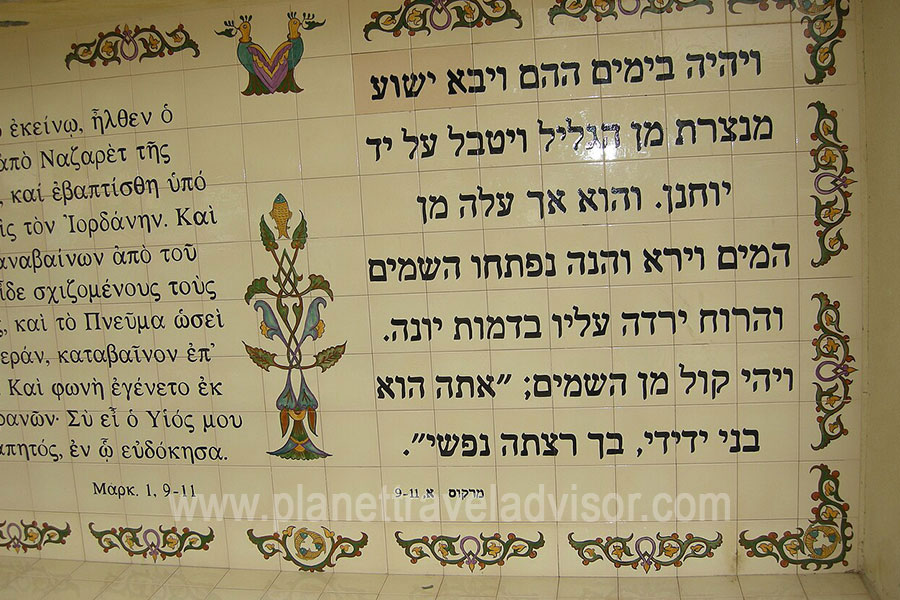
Spring and autumn usually provide the most comfortable conditions for walking around the Jordan Valley.
Winter can also be pleasant, although weather conditions vary. Summer visits require more preparation because the Jordan Valley can become extremely hot and exposed.
For much of the year, visiting earlier in the day is practical. Morning temperatures are generally easier for walking, and you have more flexibility if the visit takes longer than expected.
Bring sun protection regardless of season. The landscape is open, and much of the experience involves moving between archaeological and religious areas rather than remaining inside air-conditioned buildings.
The Baptism Site is located in the Jordan Valley, around 50 kilometers southwest of Amman and nine kilometers north of the Dead Sea, according to Jordan's Department of Antiquities.
Most international travelers reach it using a private driver, rental car, taxi arrangement, or organized tour.
From Amman, the attraction can be visited as a day trip or as the beginning of a route continuing toward the Dead Sea.
From a Dead Sea hotel, the site is particularly convenient because of its location north of the resort areas.
From Madaba, travelers can combine several locations connected with Jordan's biblical heritage, particularly Mount Nebo and Bethany Beyond the Jordan.
If you prefer having transport, timing, and multiple historical stops arranged together, private Jordan tours can make this part of the itinerary easier to coordinate.
Dress for both the climate and the religious character of the site.
Useful items include:
Comfortable walking shoes.
A hat and sunscreen.
Drinking water.
Lightweight clothing during warmer months.
A camera or phone.
Clothing appropriate for a religious site.
The Baptism Site asks visitors to observe modest dress because of the sanctity of the location and states that smoking is prohibited.
Travelers planning a baptism or renewal of vows should confirm any additional clothing or ceremony requirements in advance.
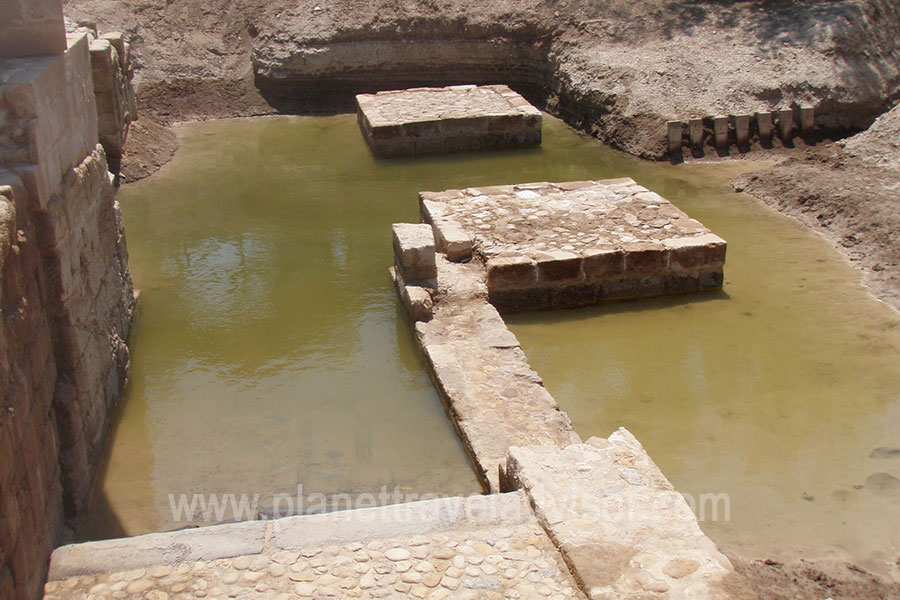
Yes, baptism-related experiences can be arranged at Bethany Beyond the Jordan, but travelers should distinguish between simply visiting the Jordan River and participating in an organized religious ceremony.
The official Baptism Site states that visitors can renew baptismal vows and that dedicated areas and pools are available for baptisms. It also provides an option to organize a baptism in advance.
If baptism is an important purpose of your journey, make arrangements before arriving rather than assuming a ceremony can always be organized immediately.
Groups traveling with a church or religious leader should also coordinate the practical and ceremonial requirements beforehand.
The Baptism Site works particularly well as part of a wider biblical and cultural route through central Jordan.
The Dead Sea is the easiest major attraction to combine with Bethany Beyond the Jordan. UNESCO places the archaeological site only about nine kilometers north of the Dead Sea.
Mount Nebo adds another important biblical location. Christian tradition associates the mountain with Moses viewing the Promised Land, and the Jordan Tourism Board includes both Mount Nebo and the Baptism Site among the country's major pilgrimage destinations.
Madaba adds a different dimension through its Christian heritage, churches, and famous mosaic tradition.
Together, these places create a more coherent experience than visiting the Baptism Site as an isolated excursion.
A strong one-day route for travelers interested in biblical history is:
Madaba → Mount Nebo → Bethany Beyond the Jordan → Dead Sea
Madaba introduces the region's Christian heritage. Mount Nebo adds its connection with Moses and views across the wider biblical landscape. Bethany Beyond the Jordan then becomes the central archaeological and pilgrimage experience before the day finishes beside the Dead Sea.
The precise order does not need to be rigid. Your starting hotel, seasonal opening hours, traffic, religious services, and time reserved at each attraction should determine the final plan.
Travelers building a longer journey can also use Jordan trips to connect these places with Amman, Petra, Wadi Rum, and other parts of the country rather than arranging every transfer independently.
A few preparations can make the visit noticeably easier:
Check the official opening hours shortly before traveling.
Pay attention to the last-entry time, not just the closing time.
Allow roughly 1.5 to 2 hours rather than rushing the site.
Carry water and sun protection.
Wear comfortable footwear and modest clothing.
Arrange baptisms or religious ceremonies in advance.
Confirm any current photography or access restrictions on arrival.
Allow extra time if you plan to walk the John the Baptist Trail.
Combine the site with Mount Nebo, Madaba, or the Dead Sea when practical.
Bethany Beyond the Jordan is not a site that needs monumental architecture to justify its importance. Its value comes from the connection between the Jordan River landscape, Christian tradition, centuries of pilgrimage, and archaeological evidence left by communities that regarded this place as sacred.
Understanding that background before arriving changes the experience. Ancient baptismal pools, churches, monastic remains, Elijah's Hill, and the river itself become parts of the same historical story rather than isolated ruins.
For most travelers, the most practical way to experience the site is to place it within a wider route through Madaba, Mount Nebo, Bethany Beyond the Jordan, and the Dead Sea, allowing enough time to understand why the location has remained important for so long.
A curated list of the most popular travel packages based on different destinations.
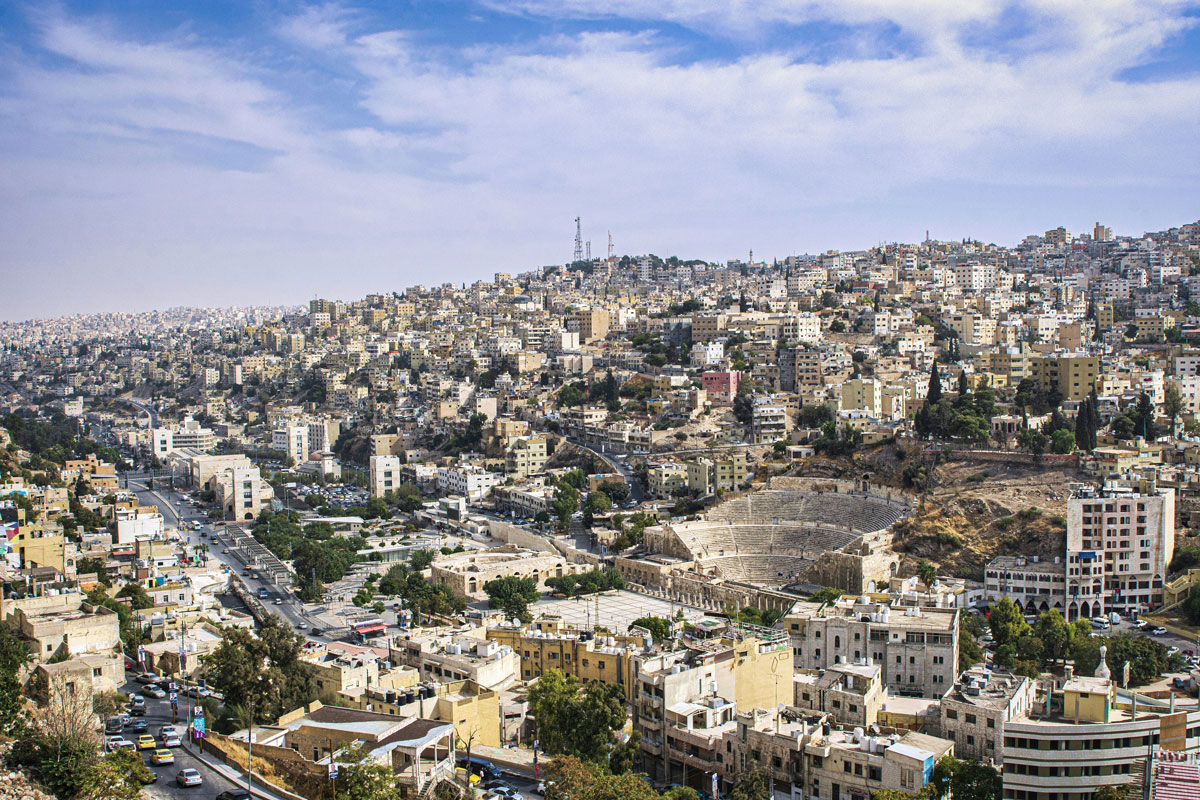
Plan your trip with this Amman travel guide covering top sights, food, neighborhoods, transport, day trips, where to stay, and practical visitor tips.
Plan your Amman Roman Theatre visit with current ticket prices, opening hours, Jordan Pass details, history, nearby sights, and practical travel tips.
Explore the best souqs in Amman, from Al-Balad and the Gold Souq to Souq Jara, with shopping tips, souvenirs, timing, and nearby sights.
Explore Siq Petra, its Nabataean water system, ancient carvings, Treasury walk, history, opening hours, tickets, photography tips, and visitor advice.
Explore Amman Citadel with practical tips on history, top sights, tickets, opening hours, Jordan Pass access, timing, transport, and nearby attractions.
Explore the Jordan Archaeological Museum in Amman, including top artifacts, tickets, Jordan Pass, opening hours, Citadel tips, and visitor advice.
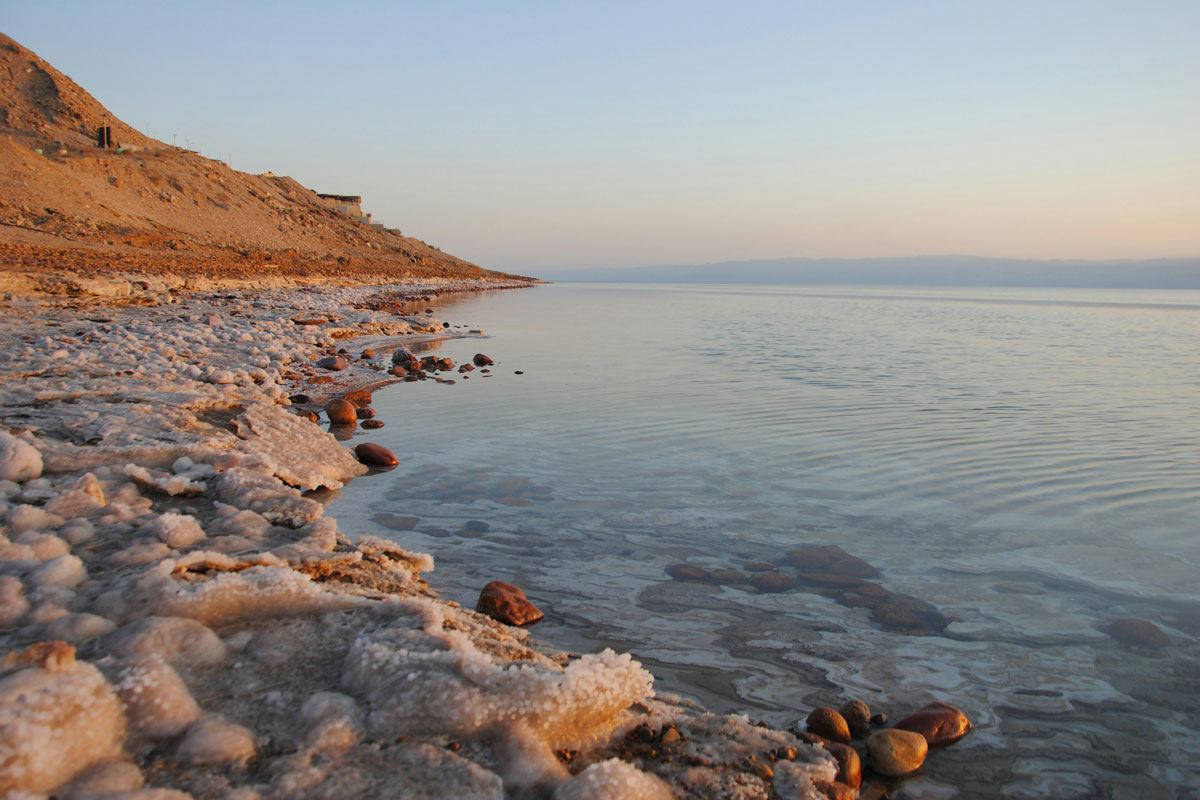
Plan your Dead Sea Jordan visit with tips on floating, beaches, resorts, transport, best times, safety, nearby attractions, and how long to stay.
Explore Downtown Amman with tips on the Roman Theatre, souks, local food, walking routes, the Citadel, safety, transport, and the best time to visit.
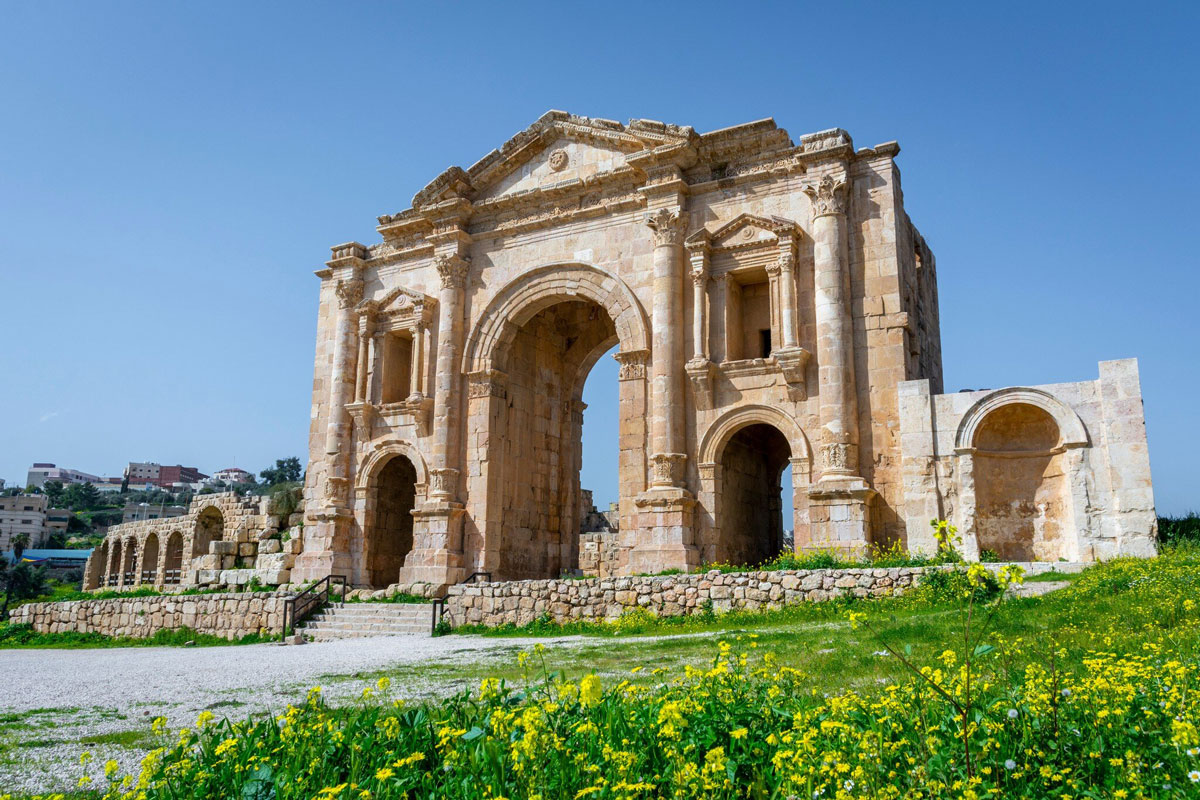
Plan your visit to Hadrian’s Arch Jerash with its history, architecture, tickets, opening hours, Jordan Pass details, nearby sites, and travel tips.
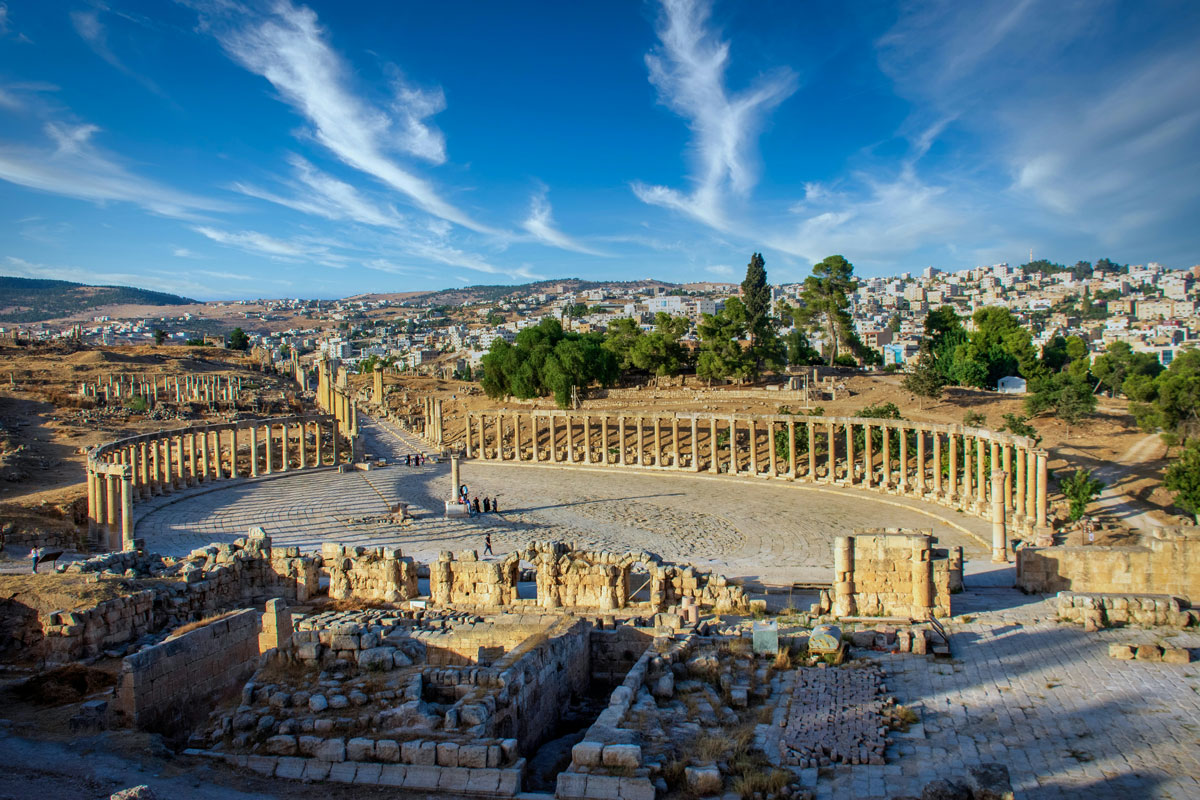
Plan your first visit to Jerash Jordan with the best ruins to see, walking route, tickets, Jordan Pass details, opening hours, timing, and travel tips.
Explore the best Jordan Valley attractions and things to do, from ancient Pella and the Jordan River to the Dead Sea, with practical tips for planning your visit.
Explore the Jordan River's biblical history, where Jesus was baptized, how to visit from Amman, and the best nearby places to include on your Jordan trip.
We go beyond just booking trips—we create unforgettable travel experiences that match your dreams!


Everything about this package felt thoughtfully planned. We booked the "9 Days Vietnam Beach Getaway" package and were impressed by how professionally everything was arranged. The itinerary gave us enough time to enjoy Vietnam without feeling rushed, and all transfers and day tours ran on time. The communication before arrival was clear and helpful, which made planning much easier. What we appreciated most was the balance between guided sightseeing and free time, so the whole trip felt comfortable and enjoyable. If you are looking for a reliable way to explore Vietnam, this is a great option. The guides, transfers, and pacing all worked together perfectly.
We loved how easy and enjoyable this entire experience was. We booked the "14 Days Hanoi Hue Hoi An Mekong Saigon Tour" package and were impressed by how professionally everything was arranged. The itinerary gave us enough time to enjoy Hanoi, Saigon, Hoi An, the Mekong, and Hue without feeling rushed, and all transfers and day tours ran on time. The communication before arrival was clear and helpful, which made planning much easier. What we appreciated most was the balance between guided sightseeing and free time, so the whole trip felt comfortable and enjoyable. If you are looking for a reliable way to explore Vietnam, this is a great option. We came home with amazing memories and would book again.
This trip exceeded all our expectations. We booked the "Best 3 Days Cappadocia Tour by Plane" package and were impressed by how professionally everything was arranged. The itinerary gave us enough time to enjoy Cappadocia without feeling rushed, and all transfers and day tours ran on time. The communication before arrival was clear and helpful, which made planning much easier. What we appreciated most was the balance between guided sightseeing and free time, so the whole trip felt comfortable and enjoyable. If you are looking for a reliable way to explore Turkey, this is a great option. We would absolutely recommend it to anyone visiting this destination.
This trip exceeded all our expectations. We booked the "8 Days Cappadocia, Ephesus, Pamukkale, Fethiye & Antalya Tour" package and were impressed by how professionally everything was arranged. The itinerary gave us enough time to enjoy Cappadocia, Ephesus, Pamukkale, and Antalya without feeling rushed, and all transfers and day tours ran on time. The communication before arrival was clear and helpful, which made planning much easier. What we appreciated most was the balance between guided sightseeing and free time, so the whole trip felt comfortable and enjoyable. If you are looking for a reliable way to explore Turkey, this is a great option. We would absolutely recommend it to anyone visiting this destination.
This trip exceeded all our expectations. We booked the "10 Days in Turkey Tour Itinerary" package and were impressed by how professionally everything was arranged. The itinerary gave us enough time to enjoy the main highlights without feeling rushed, and all transfers and day tours ran on time. The communication before arrival was clear and helpful, which made planning much easier. What we appreciated most was the balance between guided sightseeing and free time, so the whole trip felt comfortable and enjoyable. If you are looking for a reliable way to explore Turkey, this is a great option. We would absolutely recommend it to anyone visiting this destination.










Comments (02)
Mr. Bowmik Haldar,
05 June, 2024Outstanding News & Insight! Thank you so much for sharing like this article
Jacoline Juie,
05 June, 2023However, here are some well-regarded car dealerships known for their customer service, inventory, and overall reputation. It's always a good idea to research and read reviews specific...
Leave Your Comment: