 Visit Turkey
 Visit Vietnam
 Visit Cambodia
 Visit Dubai
 Visit Jordan


Amman Guide 2026 - Things to Do and Visitor Tips
Plan your trip with this Amman travel guide covering top sights, food, neighborhoods, transport, day trips, where to stay, and practical visitor tips.



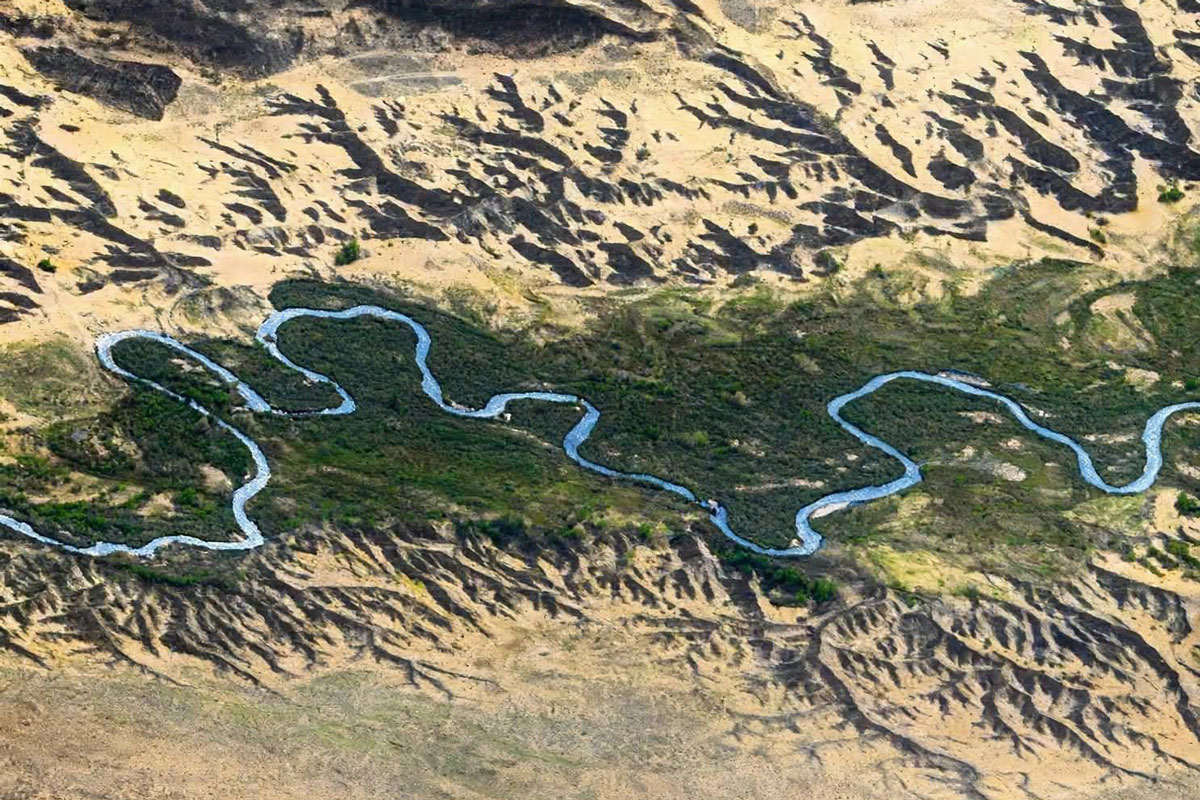
The Jordan River is one of the most recognizable rivers in biblical history, yet its importance extends far beyond the stories associated with its waters. Flowing through the Jordan Valley toward the Dead Sea, it connects landscapes, communities, and religious traditions that have shaped the region for thousands of years.
For Christians, the river is especially significant as the setting of Jesus' baptism by John the Baptist. Other biblical accounts connect it with the Israelites, the prophets Elijah and Elisha, and important moments in the history of the Holy Land.
Today, travelers can experience part of this remarkable landscape in Jordan. Understanding the river's geography, religious background, and visitor arrangements makes it easier to appreciate what remains and plan a meaningful visit.
The Jordan River is located in the Middle East, running through the Jordan Rift Valley toward the Dead Sea. Its course is closely connected with Jordan, Israel, and the Palestinian West Bank, while its northern headwaters originate in areas associated with Lebanon and the Mount Hermon region.
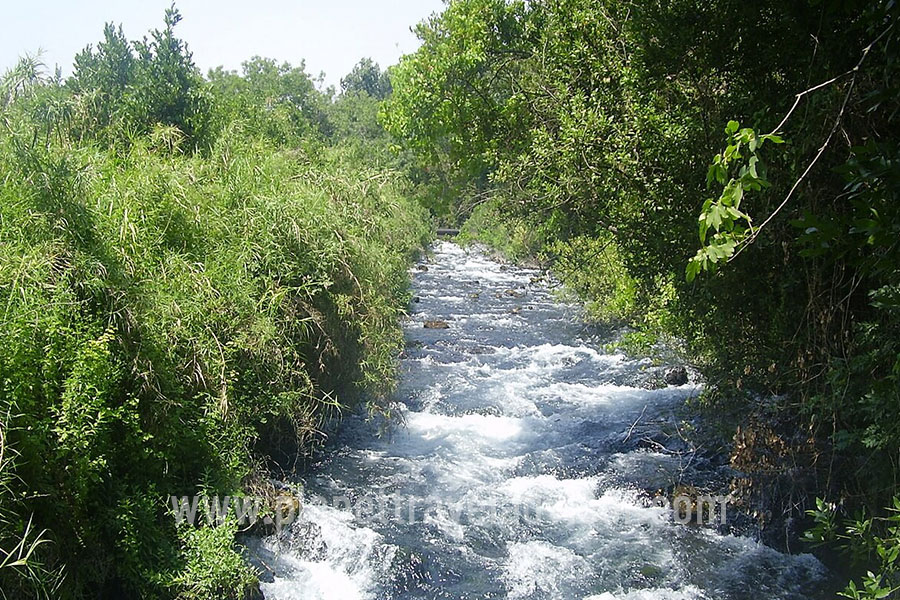
The river begins where several northern streams meet. Its principal headwaters include the Hasbani River, which rises in Lebanon, the Banias River, associated with the Mount Hermon area, and the Dan River. These waters join in the upper Jordan Valley before flowing south into the Sea of Galilee, also known as Lake Tiberias.
From the southern end of the Sea of Galilee, the Jordan River continues toward the Dead Sea, where its journey ends. Along this lower course, stretches of the river form boundaries between Jordan and Israel or the West Bank.
This geography helps explain the difference between the river as a whole and the locations visited by tourists. The famous baptism area is situated along the lower Jordan River, north of the Dead Sea, rather than near the river's northern headwaters.
For travelers visiting Jordan, the most accessible organized experience is generally Bethany Beyond the Jordan, an archaeological and pilgrimage site on the eastern bank. The Jordanian Department of Antiquities places it approximately nine kilometers north of the Dead Sea.
The Jordan River appears repeatedly in biblical narratives, where it represents far more than a geographical boundary. It is associated with crossing into a new land, purification, prophetic events, and religious renewal.
One of the earliest and most significant accounts appears in the Book of Joshua. According to Joshua 3–4, the Israelites crossed the Jordan River under Joshua's leadership after their journey through the wilderness. The narrative describes the waters stopping as the priests carrying the Ark of the Covenant entered the river, allowing the people to cross.
In biblical tradition, this event marked the Israelites' entry into the Promised Land. It also established the Jordan River as a powerful symbol of transition and divine guidance.
The river appears again in accounts involving the prophets Elijah and Elisha. In 2 Kings 2, Elijah and Elisha cross the river before Elijah is taken up to heaven. Elisha subsequently returns across the Jordan, continuing his prophetic mission. Another account, in 2 Kings 5, describes Naaman washing in the river as instructed by Elisha.
These narratives contributed to the river's enduring religious importance in Judaism and Christianity.
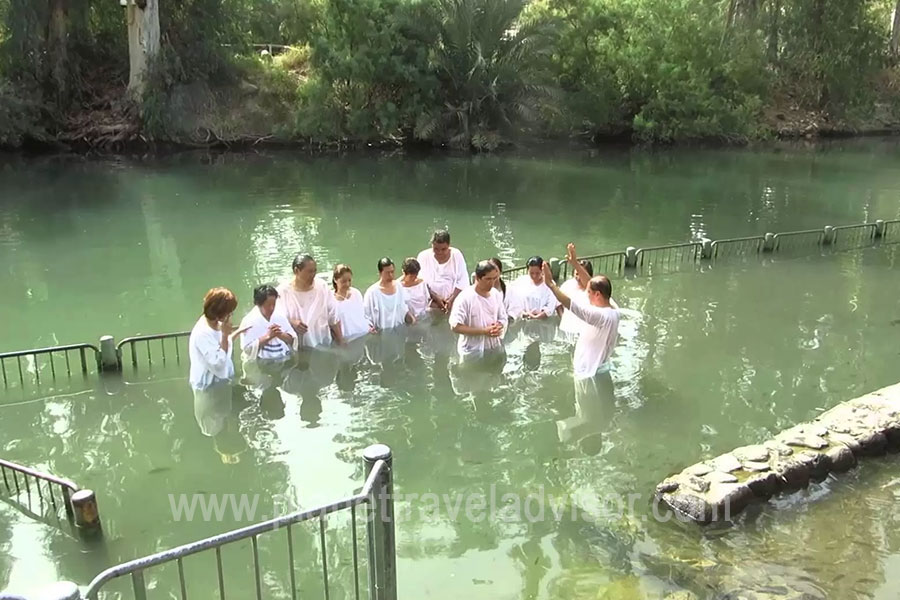
The New Testament adds another defining event: the baptism of Jesus by John the Baptist. The Gospels associate this baptism with the beginning of Jesus' public ministry, giving the river particular importance within Christian faith.
For modern visitors, recognizing these different biblical associations adds depth to the experience. The Jordan River is not connected with one isolated event but with several traditions that developed across different periods of religious history.
The biblical accounts should also be understood as religious texts. Their significance to believers is clear, while individual miraculous events cannot be independently verified through archaeological evidence.
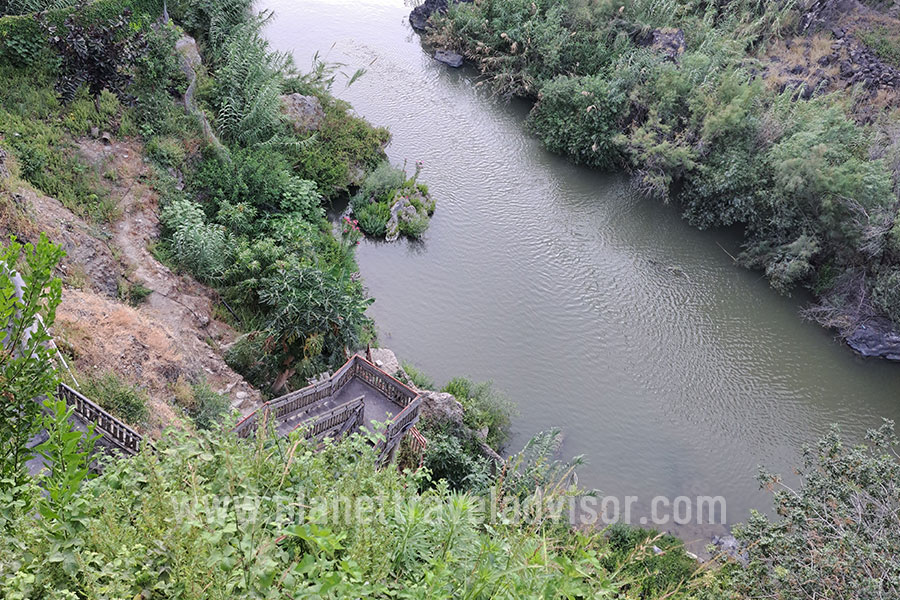
According to the New Testament, Jesus traveled to the Jordan River and was baptized by John the Baptist. The event is described in the Synoptic Gospels, including Matthew 3, Mark 1, and Luke 3.
Christian tradition identifies Bethany Beyond the Jordan, also known as Al-Maghtas, with the location of Jesus' baptism.
Situated on the eastern bank of the river in Jordan, Al-Maghtas is one of the country's most important Christian pilgrimage destinations. UNESCO added the site to its World Heritage List in 2015, recognizing its religious associations and archaeological remains.
The archaeological landscape contains two principal areas: Tell Al-Kharrar, traditionally associated with Elijah, and the area of the Churches of Saint John the Baptist nearer the river.
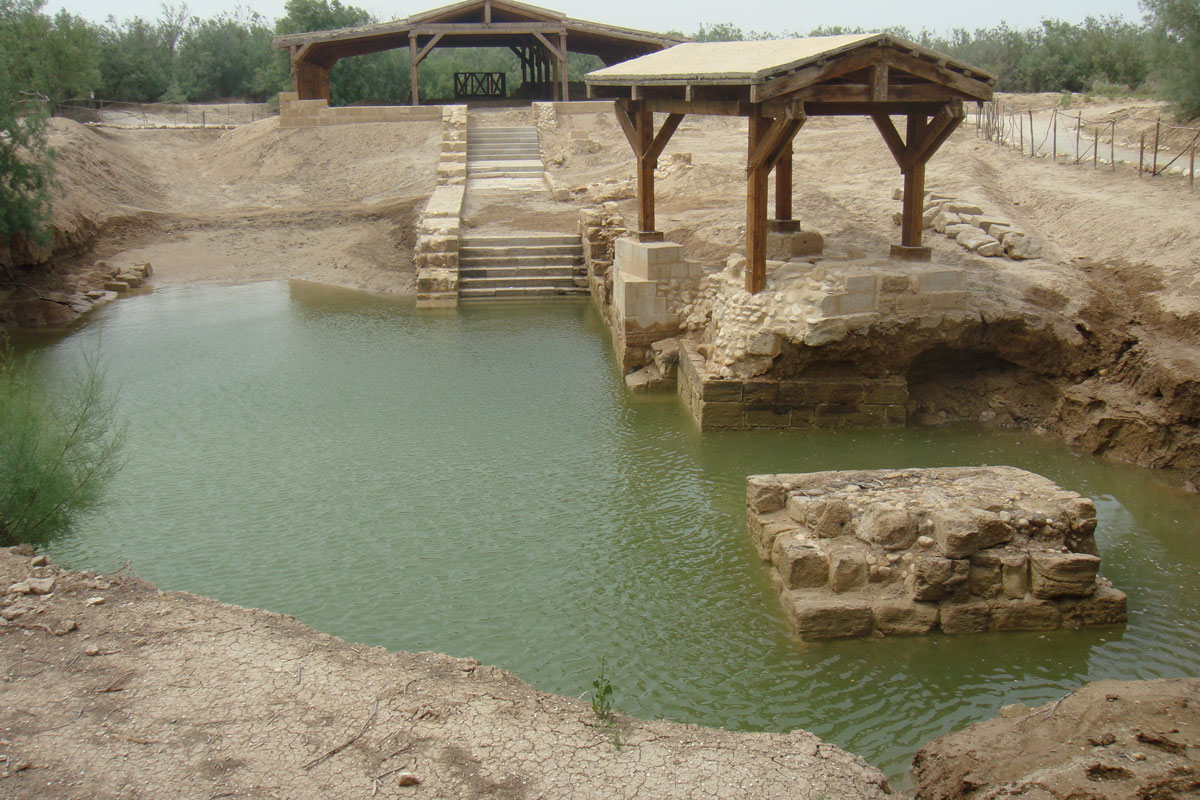
Remains from the Roman and Byzantine periods include churches, chapels, baptismal pools, monastic structures, and facilities associated with pilgrimage. These features demonstrate that Christian communities have regarded the area as sacred for many centuries.
However, an important distinction remains. The archaeological evidence establishes a long history of Christian worship and baptism in this location. It does not prove the precise physical point where Jesus was baptized.
For pilgrims, the location's spiritual meaning remains central to the visit. For travelers interested in history, the surviving archaeology offers evidence of how early Christian communities commemorated the biblical event.
To explore the archaeological remains, pilgrimage traditions, and visitor arrangements in greater detail, read our Bethany Beyond the Jordan travel guide.
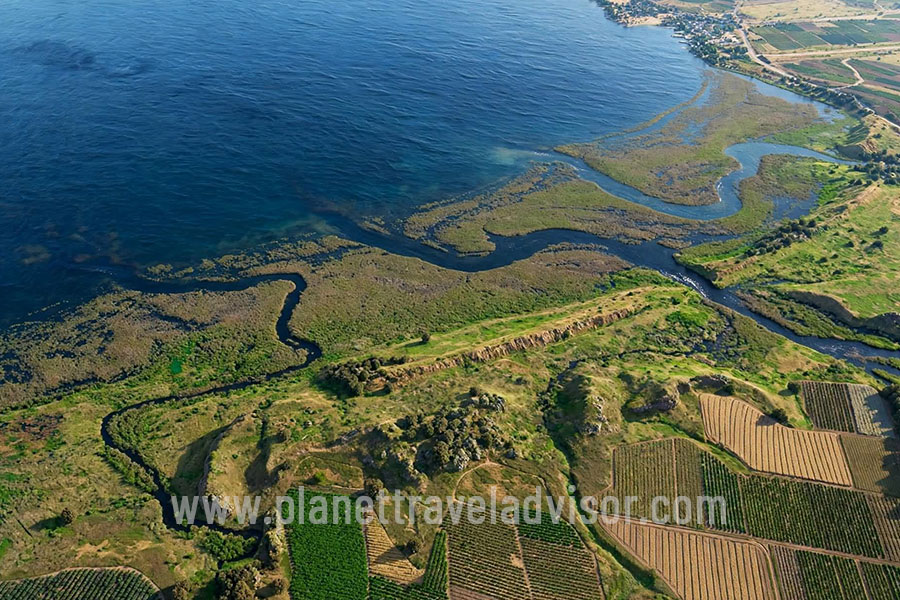
Yes. Tourists can visit designated locations along the Jordan River, although the experience depends on which country and section of the river they are visiting.
For travelers staying in Jordan, Bethany Beyond the Jordan is the principal visitor location. It offers managed access to an important religious landscape, including archaeological areas and a designated viewpoint beside the river.
The visit is different from arriving at an unrestricted public riverbank. Al-Maghtas is a protected heritage site, and visitors follow established arrangements intended to preserve its archaeological remains and religious character.
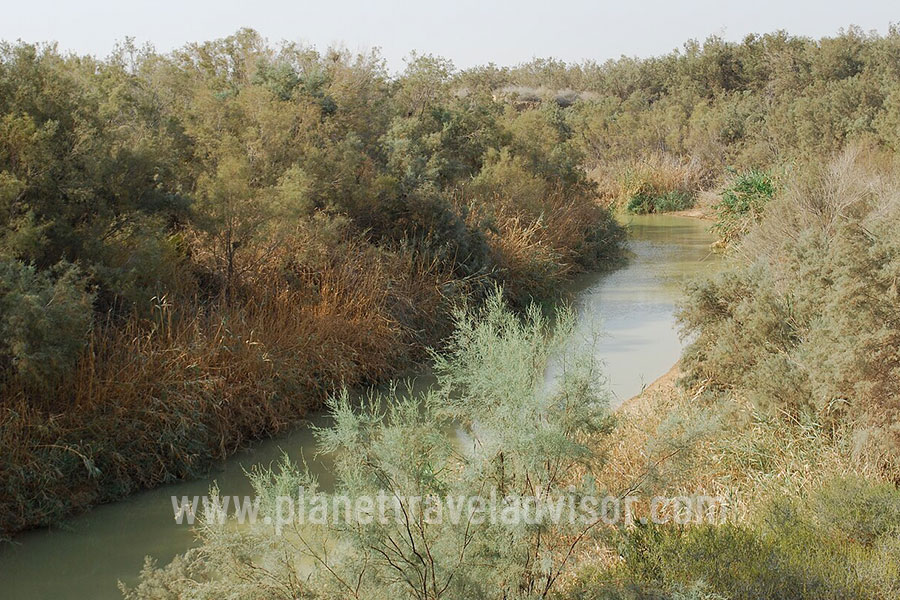
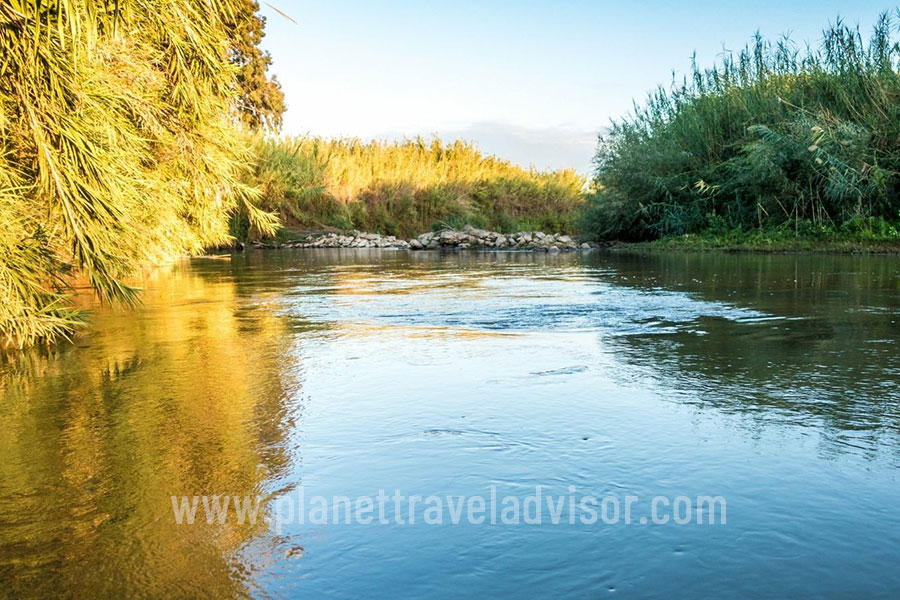
The river itself may also look different from what travelers expect. Rather than a broad waterway, the lower Jordan River can appear relatively narrow, bordered by vegetation and exposed earth. Its present condition reflects significant changes in regional water use.
Travelers researching Jordan River baptism locations may encounter two additional names.
Qasr al-Yahud is a baptism site on the western bank near Jericho in the West Bank. It lies close to the Jordanian baptism area but is reached through a separate, Israeli-administered visitor route. The two banks are not connected by a public pedestrian crossing at the baptism sites.
Yardenit is much farther north, near the southern end of the Sea of Galilee in Israel. Established as a modern baptismal facility, it is not the same archaeological location as Al-Maghtas. Its official website currently advises that the facility is temporarily closed, so visitors should verify its status before planning a trip.
Knowing these differences is particularly important for international travelers organizing religious itineraries. A Jordan-based visit to Al-Maghtas does not require crossing into another country, but visiting a site on the opposite bank involves separate travel arrangements.
The most practical way to visit the Jordan River from Amman is to travel to Bethany Beyond the Jordan, southwest of the capital.
Jordan's Department of Antiquities places the Baptism Site around 50 kilometers from Amman. The official site suggests a driving time of approximately 50 minutes, although the actual journey depends on traffic, departure location, and road conditions.
Visitors generally arrange a private driver, rental car, taxi, or organized tour. A private transfer can be particularly convenient when combining the river with other attractions in the Jordan Valley.
Upon arrival at Al-Maghtas, the experience follows the site's visitor arrangements. According to the official Baptism Site Commission, standard admission includes a local guide and shuttle transport between the principal visitor areas.
Allow approximately 1.5 to 2 hours for a standard visit, with additional time if you intend to participate in prayer, a baptism ceremony, or a longer pilgrimage walk.
The experience involves outdoor walking, archaeological remains, and areas intended for religious reflection. Comfortable footwear is important, especially during warmer months.
Visitors should also respect the site's dress code. The official guidance requires shoulders to be covered and shorts or skirts to reach approximately knee level. Bring drinking water, a hat, and sun protection.
Entrance prices, operating hours, and religious ceremony arrangements can change.
For travelers who prefer to arrange transportation and sightseeing together, private Jordan trip itineraries can help connect the river with the Dead Sea and other historical destinations without coordinating each transfer separately.
Spring and autumn are generally the most comfortable seasons for visiting the Jordan River area in Jordan, particularly when the itinerary involves walking around Bethany Beyond the Jordan.
The Jordan Valley is lower and often considerably warmer than Amman. During summer, high temperatures and strong sunshine can make outdoor exploration tiring, especially around midday.
Travelers visiting between June and September should consider starting early, carrying sufficient water, and allowing time to rest in shaded areas.
Winter offers cooler conditions, although occasional rain and changing weather may affect outdoor comfort. Spring can be particularly pleasant for enjoying the surrounding landscape, while autumn provides a practical alternative after the hottest months have passed.
The time of day also matters. A morning visit is usually preferable for travelers who want more comfortable walking conditions and greater flexibility to continue sightseeing later.
Religious holidays and pilgrimage celebrations can affect the visitor experience. Those seeking a quiet visit may prefer an ordinary weekday, although crowd levels should never be assumed.
Before departure, confirm the current opening schedule and any temporary changes to site access.
Visiting the Jordan River becomes especially rewarding when it forms part of a wider journey through Jordan's religious and cultural landmarks.
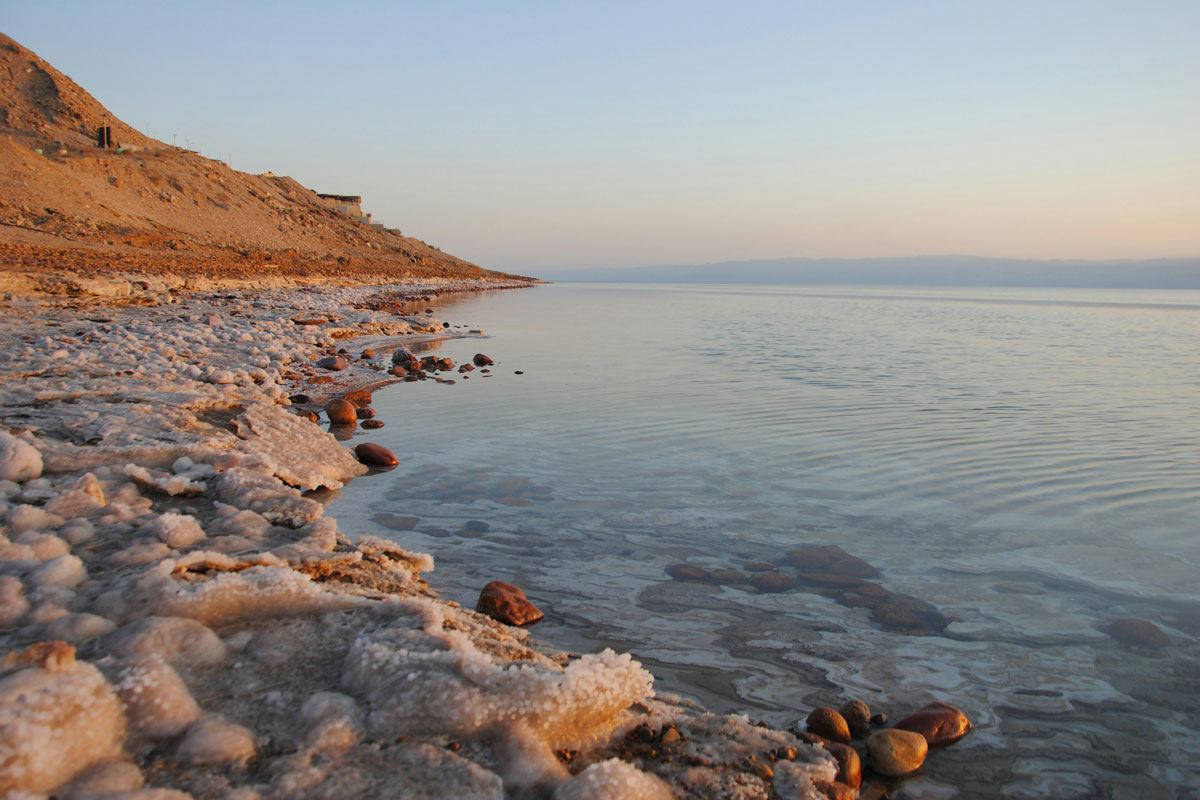
The Dead Sea is one of the most convenient places to combine with Bethany Beyond the Jordan. The baptism area's proximity to the northern Dead Sea makes it possible to explore the river's history and then continue toward the famous salt lake. The contrast is particularly interesting: one is a freshwater river with important biblical associations, while the other is a highly saline lake known for its unusual buoyancy and dramatic desert surroundings.
Mount Nebo introduces another chapter of biblical history. According to the Book of Deuteronomy, Moses viewed the Promised Land from Mount Nebo before his death. Today, the site is associated with Christian pilgrimage and offers views across the Jordan Valley and toward the Dead Sea on clear days. Its memorial church also preserves important mosaic heritage.
Madaba is another worthwhile addition. Known for its Byzantine mosaics, the city is especially famous for the sixth-century mosaic map preserved in the Greek Orthodox Church of Saint George. The map depicts parts of the Holy Land, including the Jordan River and Dead Sea, offering a historical connection between geography, religious tradition, and ancient cartography.
A practical itinerary could begin in Madaba, continue to Mount Nebo, visit Bethany Beyond the Jordan, and finish near the Dead Sea. The exact order should depend on your accommodation, available time, and attraction schedules.
Travelers planning a longer holiday can also explore a tour to Jordan that combine these destinations with Amman, Petra, Wadi Rum, and other significant places across the country.
The Jordan River is an important part of the Middle East's geography and one of the most significant waterways in biblical tradition. Its associations with the Israelites, the prophets Elijah and Elisha, and the baptism of Jesus have given it a religious meaning that continues to attract pilgrims and visitors.
For travelers exploring Jordan, Bethany Beyond the Jordan provides an opportunity to experience this history within a protected archaeological landscape. Understanding what the river represents and how visitors access it makes the journey more rewarding.
Combining the Jordan River with Mount Nebo, Madaba, and the Dead Sea creates a practical way to explore the region's history, religious heritage, and natural environment within a connected itinerary.
A curated list of the most popular travel packages based on different destinations.
Plan your trip with this Amman travel guide covering top sights, food, neighborhoods, transport, day trips, where to stay, and practical visitor tips.
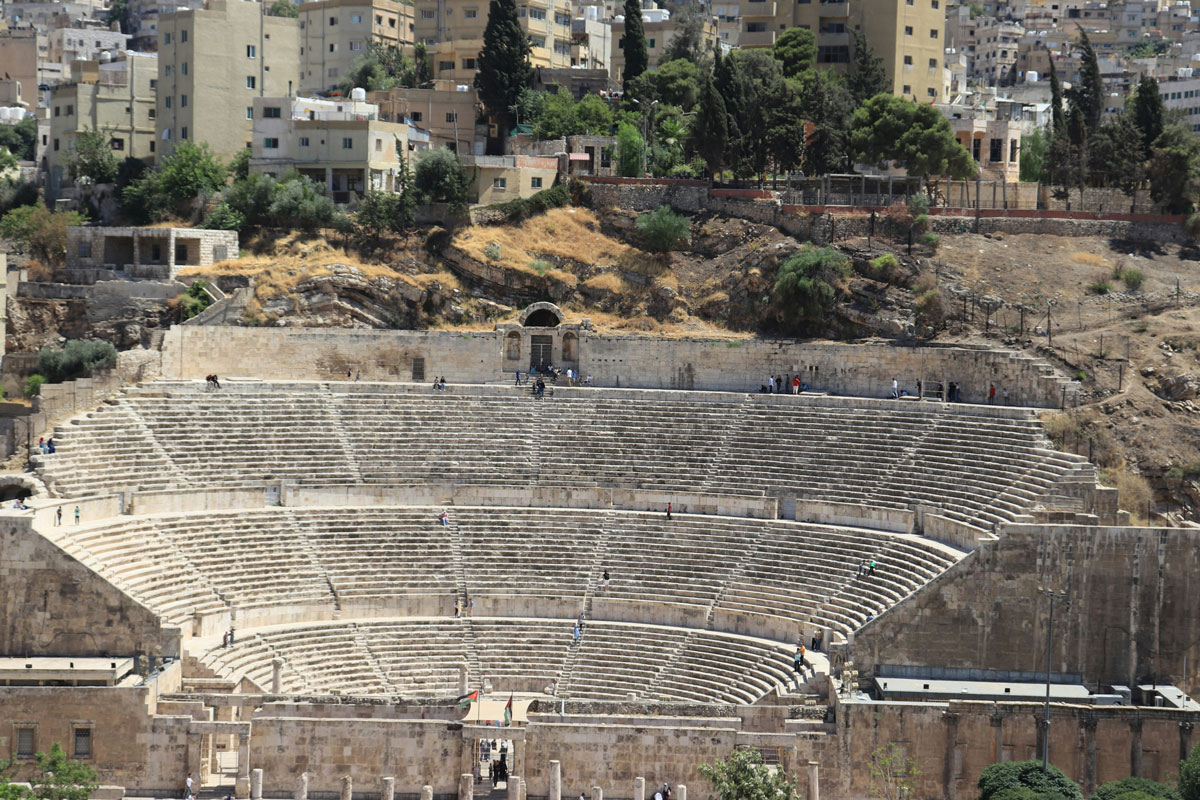
Plan your Amman Roman Theatre visit with current ticket prices, opening hours, Jordan Pass details, history, nearby sights, and practical travel tips.
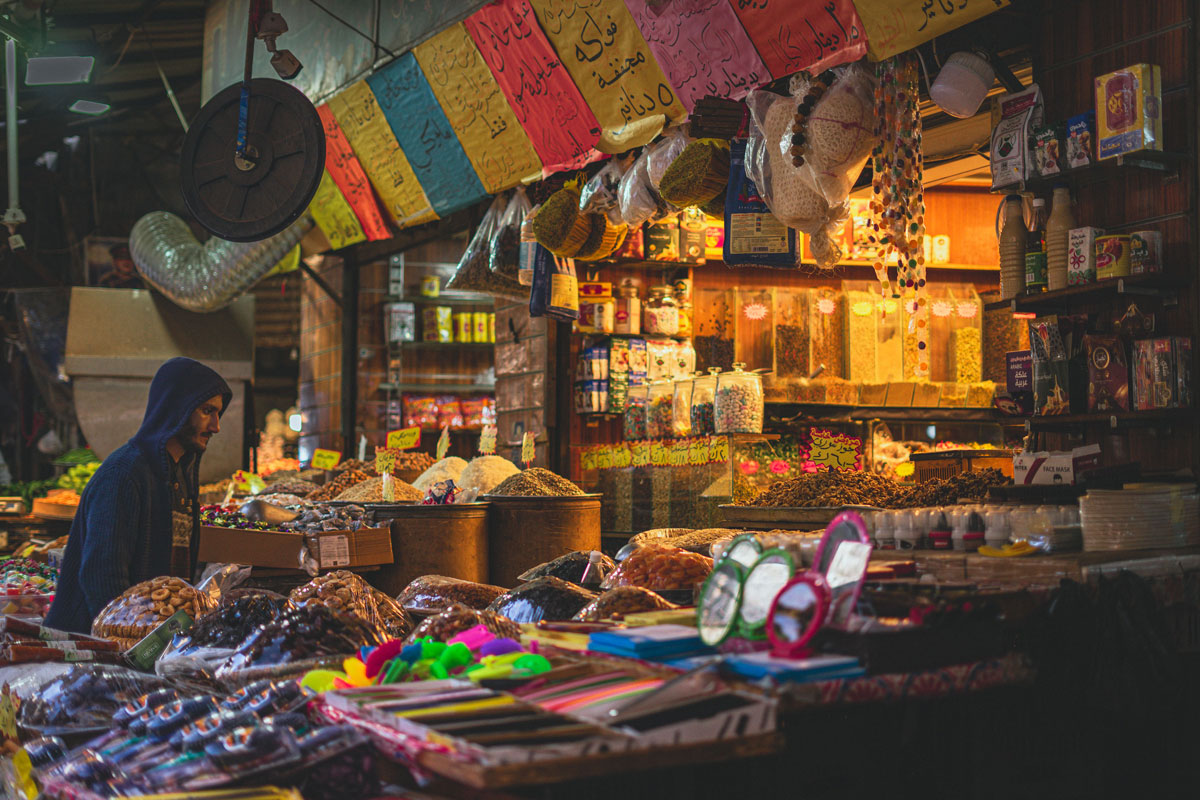
Explore the best souqs in Amman, from Al-Balad and the Gold Souq to Souq Jara, with shopping tips, souvenirs, timing, and nearby sights.
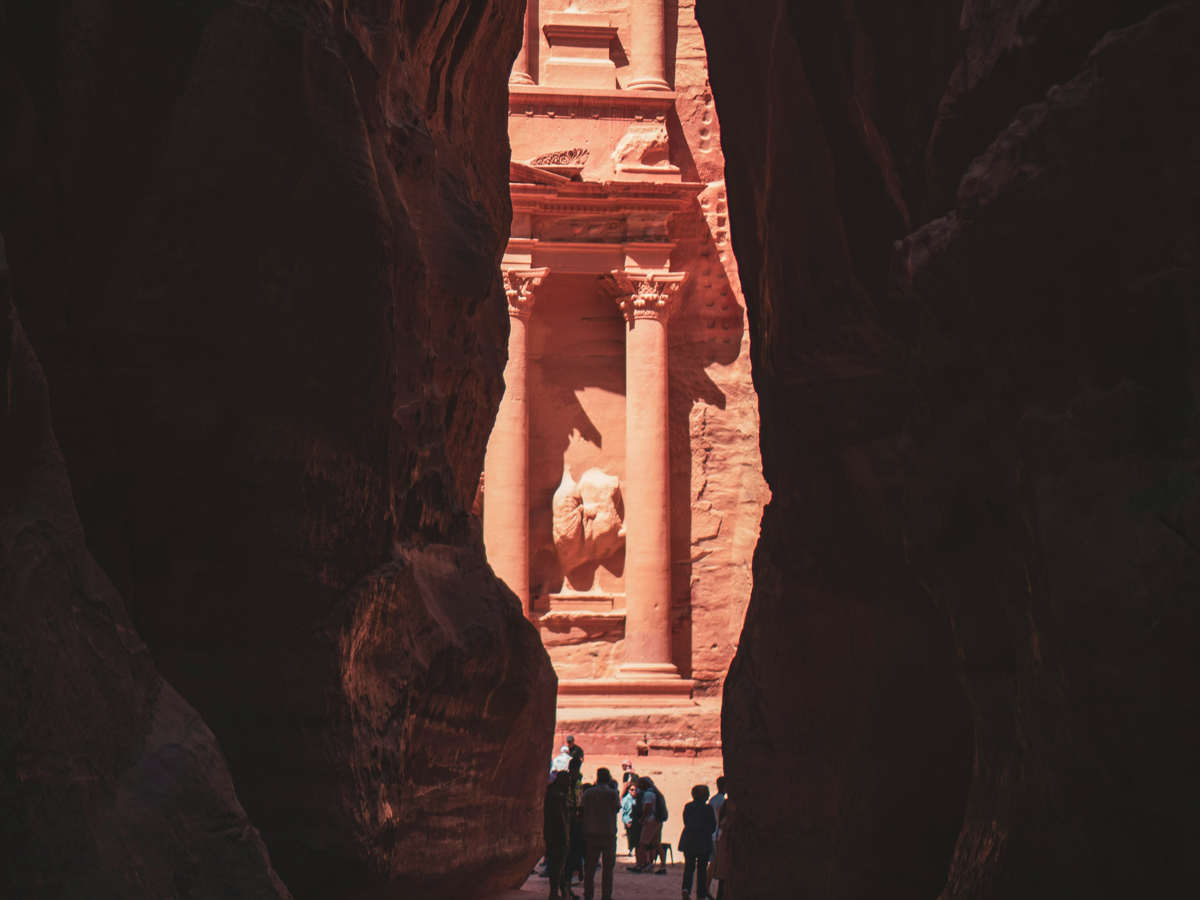
Explore Siq Petra, its Nabataean water system, ancient carvings, Treasury walk, history, opening hours, tickets, photography tips, and visitor advice.
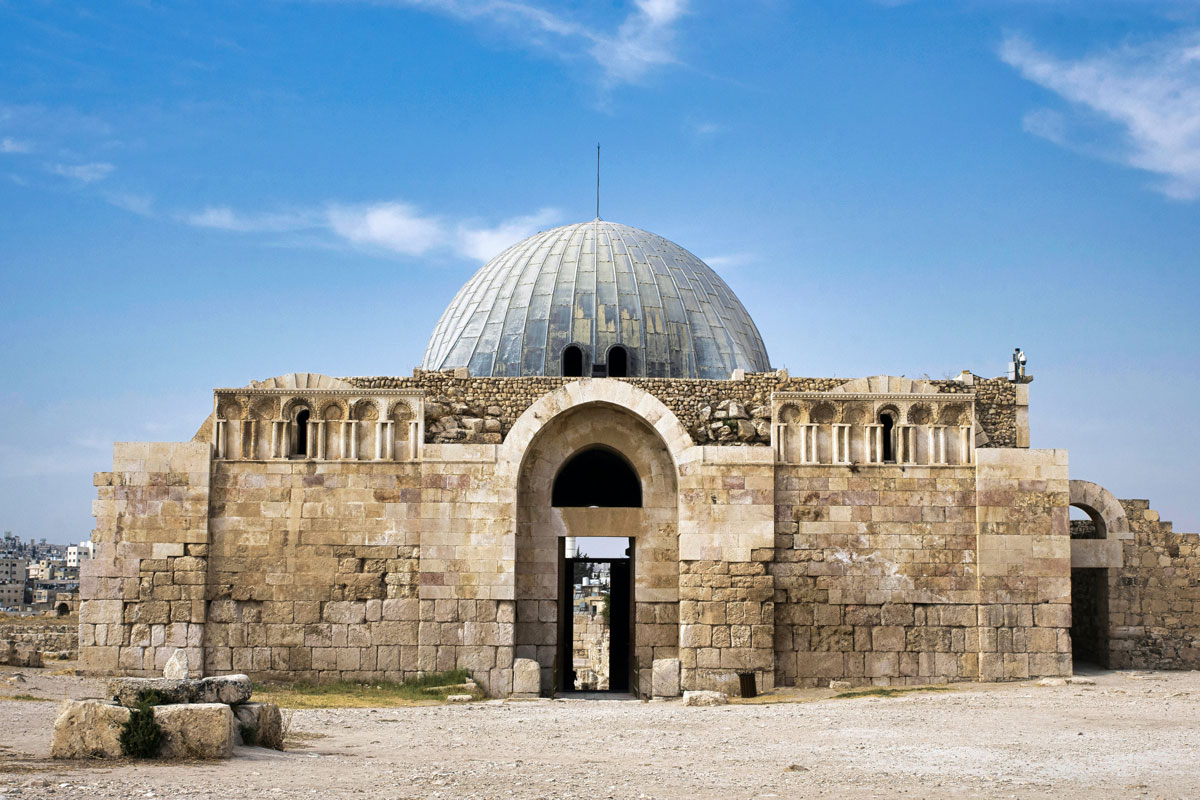
Explore Amman Citadel with practical tips on history, top sights, tickets, opening hours, Jordan Pass access, timing, transport, and nearby attractions.
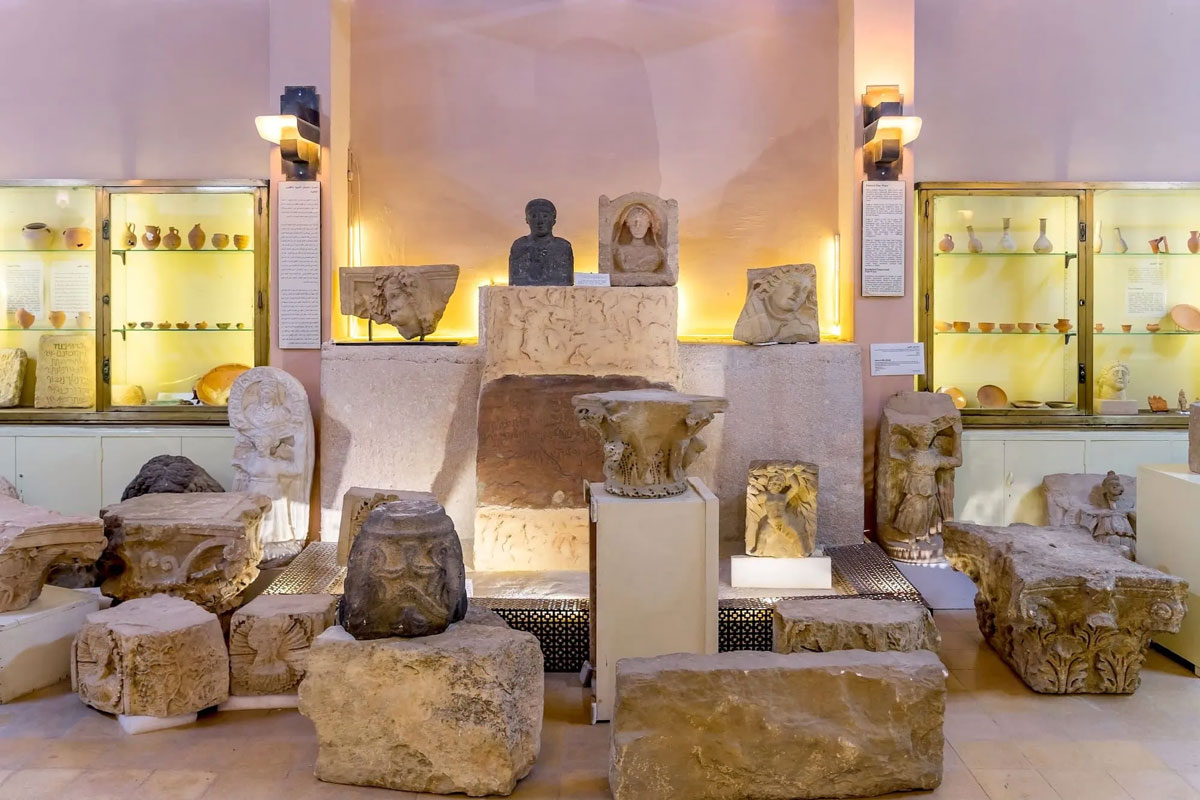
Explore the Jordan Archaeological Museum in Amman, including top artifacts, tickets, Jordan Pass, opening hours, Citadel tips, and visitor advice.
Plan your visit to the Baptism Site in Jordan with its biblical history, archaeology, tickets, opening hours, Jordan Pass details, and nearby stops.
Plan your Dead Sea Jordan visit with tips on floating, beaches, resorts, transport, best times, safety, nearby attractions, and how long to stay.
Explore Downtown Amman with tips on the Roman Theatre, souks, local food, walking routes, the Citadel, safety, transport, and the best time to visit.
Plan your visit to Hadrian’s Arch Jerash with its history, architecture, tickets, opening hours, Jordan Pass details, nearby sites, and travel tips.
Plan your first visit to Jerash Jordan with the best ruins to see, walking route, tickets, Jordan Pass details, opening hours, timing, and travel tips.
Explore the best Jordan Valley attractions and things to do, from ancient Pella and the Jordan River to the Dead Sea, with practical tips for planning your visit.
We go beyond just booking trips—we create unforgettable travel experiences that match your dreams!


Everything about this package felt thoughtfully planned. We booked the "Explore Turkey in 7 Days Istanbul to Cappadocia" package and were impressed by how professionally everything was arranged. The itinerary gave us enough time to enjoy Istanbul and Cappadocia without feeling rushed, and all transfers and day tours ran on time. The communication before arrival was clear and helpful, which made planning much easier. What we appreciated most was the balance between guided sightseeing and free time, so the whole trip felt comfortable and enjoyable. If you are looking for a reliable way to explore Turkey, this is a great option. The guides, transfers, and pacing all worked together perfectly.
This trip exceeded all our expectations. We booked the "7 Days Phnom Penh, Siem Reap & Koh Rong Sanloem Tour" package and were impressed by how professionally everything was arranged. The itinerary gave us enough time to enjoy Siem Reap, Phnom Penh, and Koh Rong Sanloem without feeling rushed, and all transfers and day tours ran on time. The communication before arrival was clear and helpful, which made planning much easier. What we appreciated most was the balance between guided sightseeing and free time, so the whole trip felt comfortable and enjoyable. If you are looking for a reliable way to explore Cambodia, this is a great option. We would absolutely recommend it to anyone visiting this destination.
One of the smoothest tours we have ever booked. We booked the "Petra Day Tour from Amman in Jordan" package and were impressed by how professionally everything was arranged. The itinerary gave us enough time to enjoy Petra, Amman, and Jordan without feeling rushed, and all transfers and day tours ran on time. The communication before arrival was clear and helpful, which made planning much easier. What we appreciated most was the balance between guided sightseeing and free time, so the whole trip felt comfortable and enjoyable. If you are looking for a reliable way to explore Jordan, this is a great option. It was the perfect mix of sightseeing, comfort, and great logistics.
A beautifully organized journey from start to finish. We booked the "Book 2 Days Cappadocia Tour Package" package and were impressed by how professionally everything was arranged. The itinerary gave us enough time to enjoy Cappadocia without feeling rushed, and all transfers and day tours ran on time. The communication before arrival was clear and helpful, which made planning much easier. What we appreciated most was the balance between guided sightseeing and free time, so the whole trip felt comfortable and enjoyable. If you are looking for a reliable way to explore Turkey, this is a great option. The itinerary was well balanced and never felt rushed.
A beautifully organized journey from start to finish. We booked the "14 Days Exploring the Panorama of Vietnam" package and were impressed by how professionally everything was arranged. The itinerary gave us enough time to enjoy Vietnam without feeling rushed, and all transfers and day tours ran on time. The communication before arrival was clear and helpful, which made planning much easier. What we appreciated most was the balance between guided sightseeing and free time, so the whole trip felt comfortable and enjoyable. If you are looking for a reliable way to explore Vietnam, this is a great option. The itinerary was well balanced and never felt rushed.










Comments (02)
Mr. Bowmik Haldar,
05 June, 2024Outstanding News & Insight! Thank you so much for sharing like this article
Jacoline Juie,
05 June, 2023However, here are some well-regarded car dealerships known for their customer service, inventory, and overall reputation. It's always a good idea to research and read reviews specific...
Leave Your Comment: