 Visit Turkey
 Visit Vietnam
 Visit Cambodia
 Visit Dubai
 Visit Jordan


Amman Guide 2026 - Things to Do and Visitor Tips
Plan your trip with this Amman travel guide covering top sights, food, neighborhoods, transport, day trips, where to stay, and practical visitor tips.



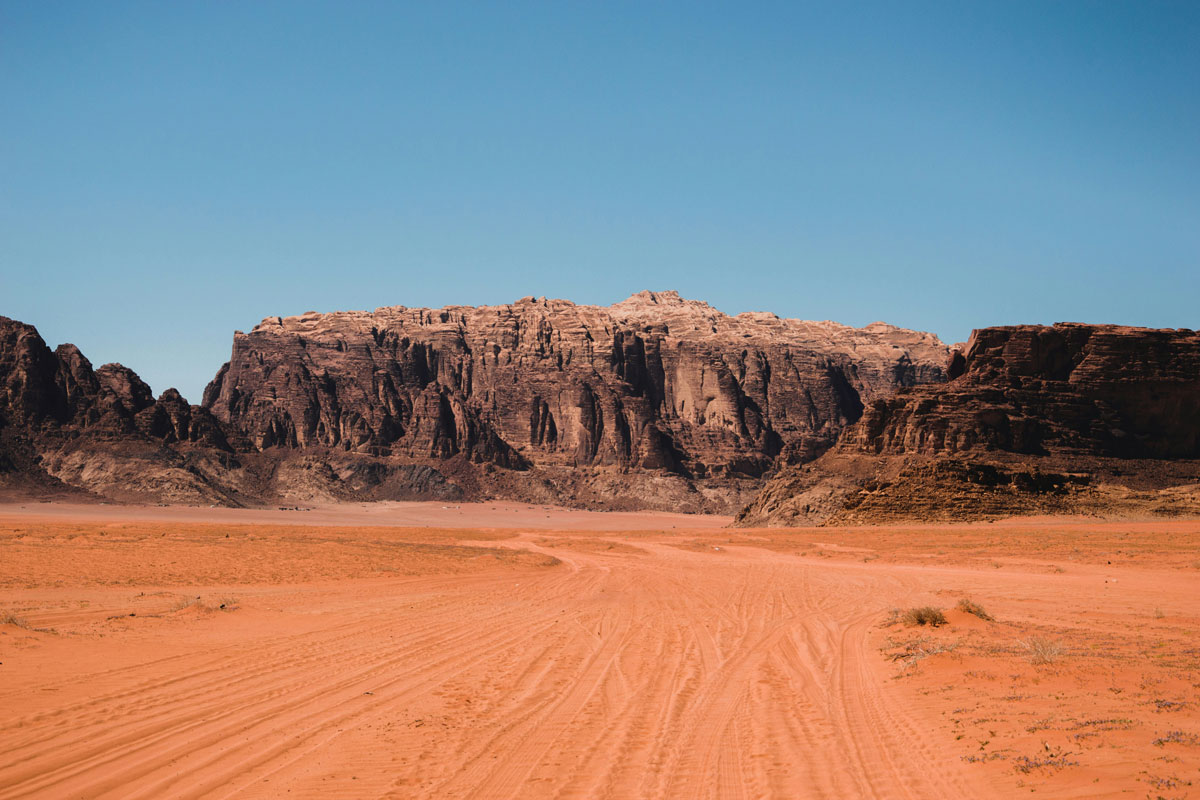
The Jordan Valley is one of Jordan's most fascinating regions, where ancient civilizations, religious landmarks, and fertile landscapes share the same remarkable setting. Running along the country's western side, this low-lying region provides a different perspective on Jordan beyond its famous desert scenery and monumental archaeological sites.
Among the most interesting Jordan Valley attractions are the ancient ruins of Pella, the Jordan River, and Bethany Beyond the Jordan, a place of profound significance in Christian tradition. Farther south, the Dead Sea adds another dimension to the experience with its mineral-rich waters and dramatic surrounding landscapes.
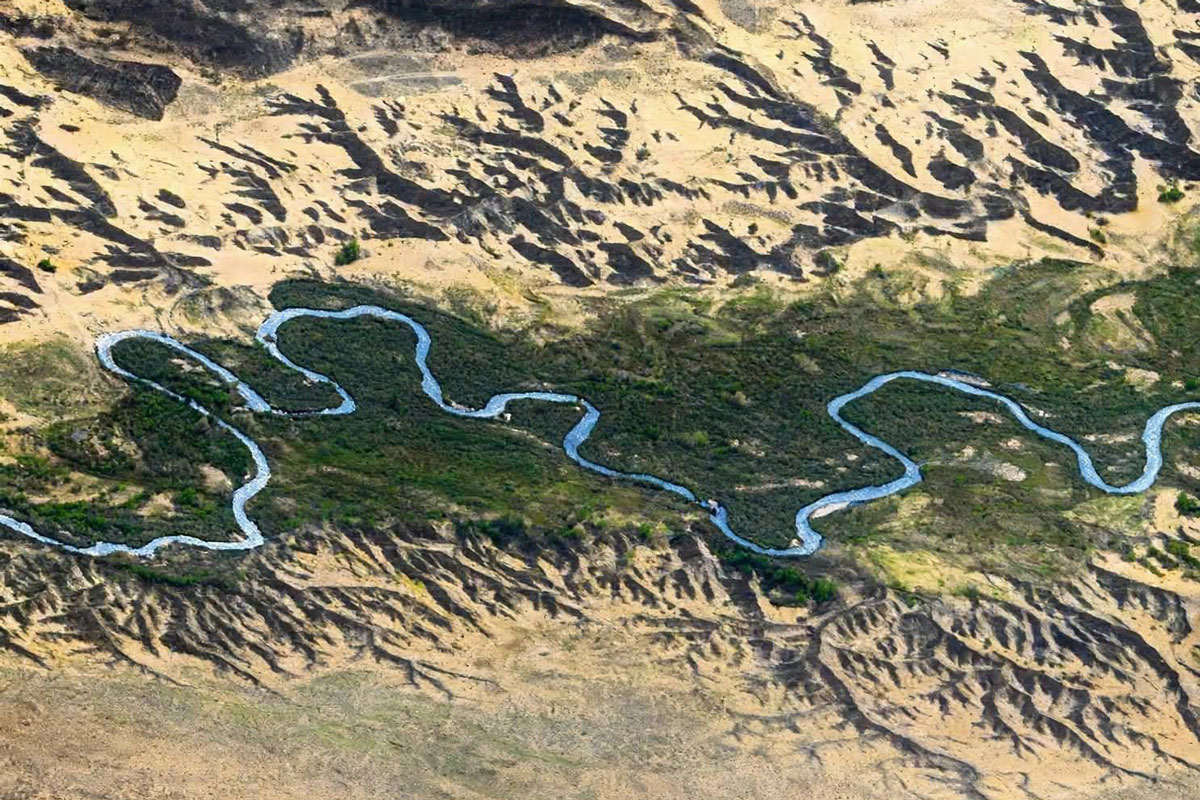
The Jordan Valley lies in western Jordan, forming part of the larger Jordan Rift Valley, a geological depression extending through the region. The Jordan River flows south through the northern valley toward the Dead Sea, with agricultural lowlands surrounded by hills and highlands.
Locally known as Al-Ghor, the Jordanian valley is recognized for its fertile land and agricultural production. Its lower elevation creates a warmer climate than the surrounding highlands, allowing many crops to grow during the cooler months.
The northern section includes agricultural communities, scenic countryside, and historical locations such as Pella. Farther south, the landscape becomes increasingly dry as it approaches the Dead Sea basin.
Although the Dead Sea belongs to the broader rift system rather than the Jordan River valley itself, it is frequently included in Jordan Valley tourism itineraries because of its geographical and historical connections.
The valley's landscape is particularly interesting because of the contrast between cultivated fields, dry hillsides, watercourses, and ancient settlements. This varied environment has influenced how communities have lived and traveled through the region for thousands of years.
For travelers, understanding this geography is useful when planning a visit. The northern Jordan Valley and the southern Dead Sea area are best treated as separate sightseeing areas rather than neighboring attractions that can all be explored quickly.
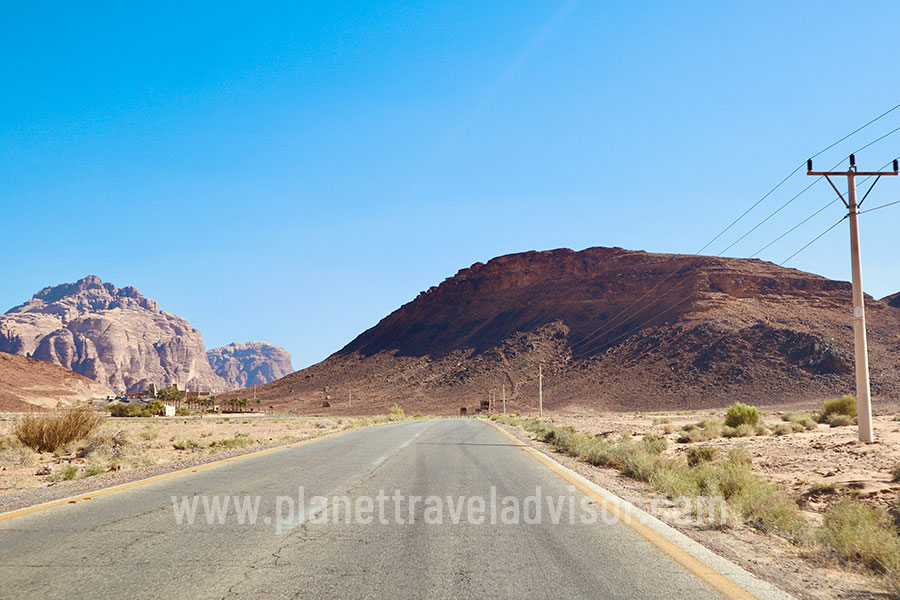
The Jordan Valley has been an important center of human settlement for thousands of years. Its fertile soils, water resources, and location between surrounding territories encouraged the development of agricultural communities and trade connections.
Archaeological discoveries reveal evidence of prehistoric settlements, Bronze and Iron Age communities, and later cities influenced by Greek, Roman, Byzantine, and Islamic civilizations.
One of the most important historical sites is Pella, known today as Tabaqat Fahl. Archaeologists have identified remains representing several periods of occupation, making the site valuable for understanding how communities developed and changed over time.
During the Hellenistic and Roman periods, Pella became an important regional settlement and was associated with the Decapolis, a group of cities connected through cultural and commercial relationships.
The city's archaeological remains include elements of its classical urban development, Byzantine religious buildings, and structures associated with later Islamic occupation.
The Jordan Valley also holds considerable religious importance. The Jordan River appears in biblical accounts, while sites along its eastern bank are linked to early Christian traditions and pilgrimage.
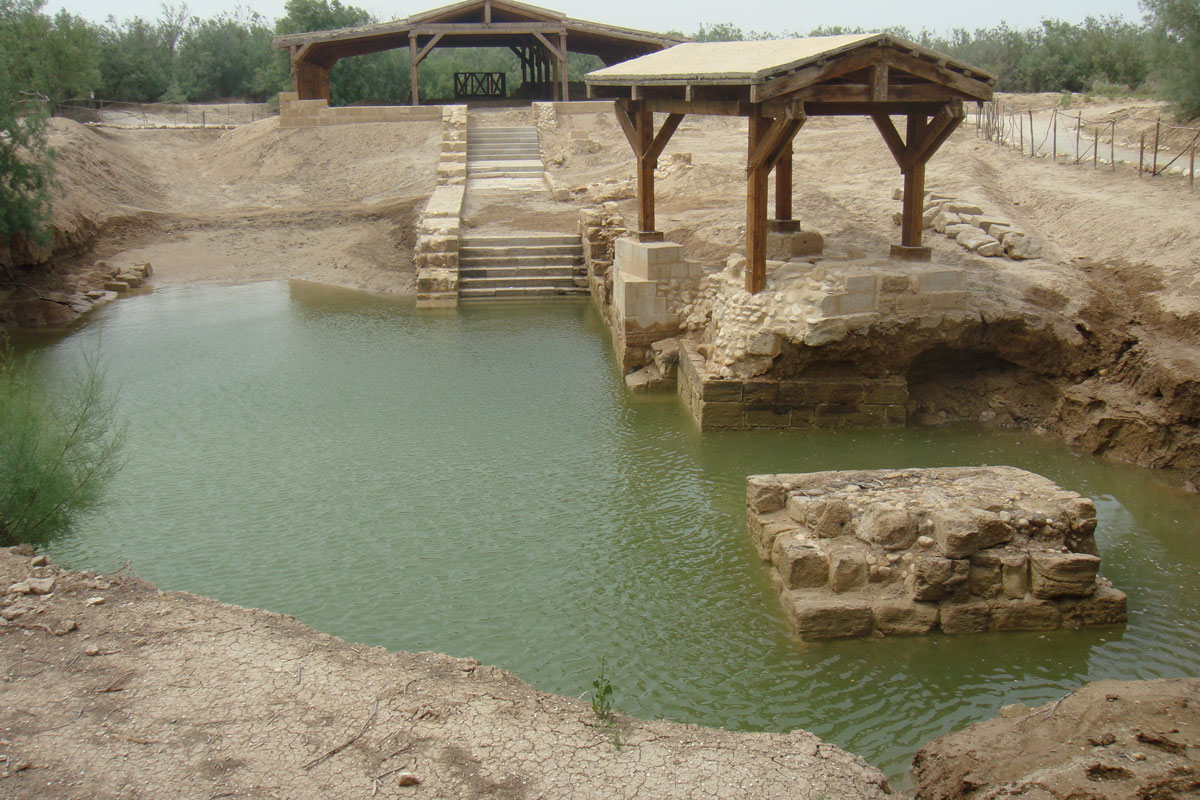
Bethany Beyond the Jordan became particularly significant because of its traditional identification with the place where Jesus was baptized by John the Baptist.
These different layers of history make the Jordan Valley more than a collection of archaeological ruins. They reveal how geography, settlement, religion, and trade shaped one of the region's most enduring cultural landscapes.
The Jordan Valley offers several notable historical, religious, and natural attractions. While some are located in its northern agricultural landscape, others lie near the Jordan River's southern reaches and the Dead Sea.
Pella Archaeological Site
Pella, also called Tabaqat Fahl, is among northern Jordan's most significant archaeological destinations. Its remains include classical structures, Byzantine churches, and evidence of settlements dating back thousands of years.
Visitors can explore ruins spread across an open landscape of hills and cultivated land. The surviving columns, stone foundations, and remains of public buildings offer an opportunity to understand the development of an ancient city beyond Jordan's larger and more frequently visited sites.
Pella is particularly suitable for history enthusiasts who enjoy quieter archaeological locations and want to examine several periods of Jordanian history in one place.
Jordan EcoPark
Previously known as Sharhabil bin Hassneh EcoPark, Jordan EcoPark provides a nature-focused experience in the northern Jordan Valley.
The park promotes habitat conservation and offers opportunities to appreciate local plant life, wildlife, and natural scenery around the Ziglab Dam area.
Depending on current arrangements, visitors may find walking opportunities, educational activities, and accommodation or camping facilities. It is an appealing choice for travelers who want to experience Jordan's countryside rather than focus entirely on historic monuments.
Bethany Beyond the Jordan
Bethany Beyond the Jordan, also known as Al-Maghtas, is one of Jordan's most important religious heritage sites.
Recognized as a UNESCO World Heritage Site in 2015, it preserves archaeological remains associated with the early Christian tradition of baptism.
The complex includes historical churches, baptismal pools, and areas connected to religious pilgrimage. It attracts visitors who want to understand the biblical and cultural importance of the Jordan River.
The Dead Sea
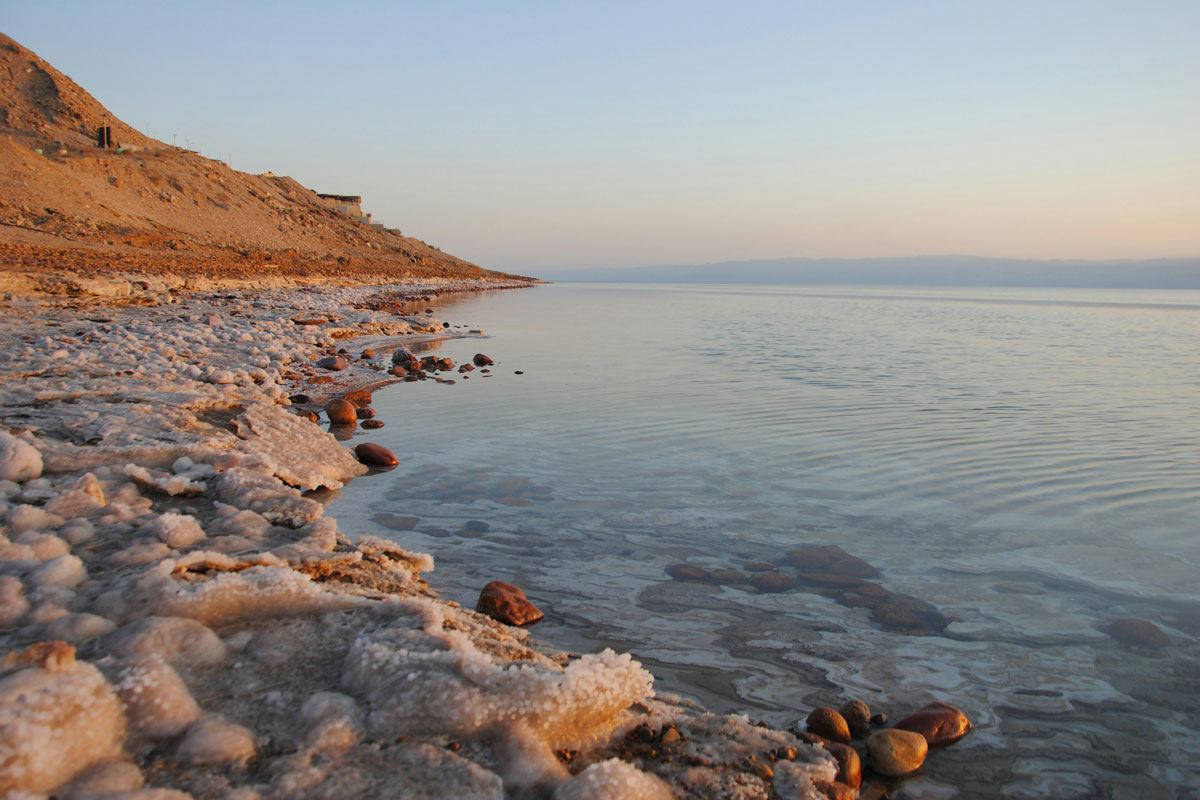
The Dead Sea is one of the best-known attractions in the wider Jordan Valley region. Famous for its extremely saline water, it offers a distinctive floating experience surrounded by desert mountains.
Visitors can enjoy designated shoreline areas, resort facilities, and scenic viewpoints. Its location also makes it convenient to combine with a visit to the Baptism Site.
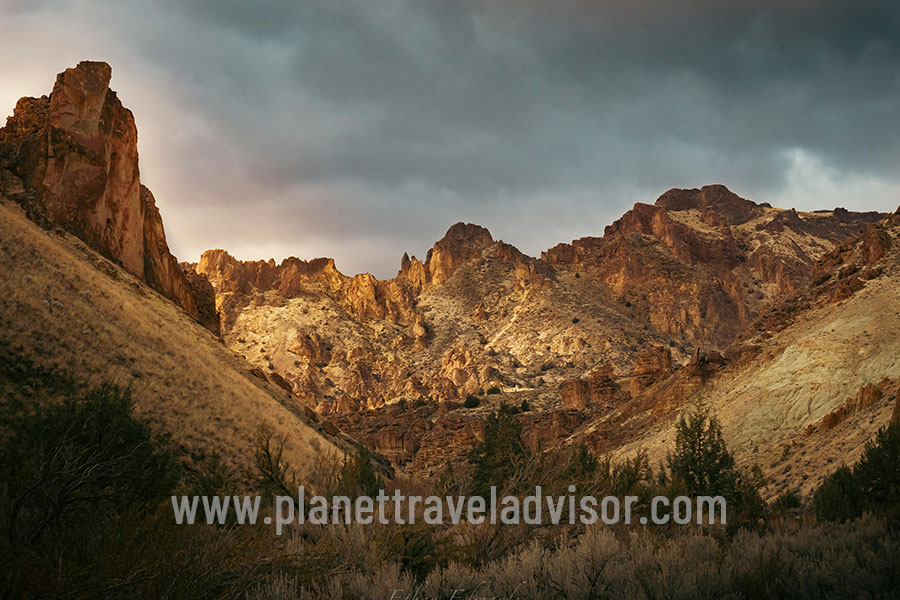
Beyond its major landmarks, the Jordan Valley offers activities that allow visitors to experience the region's natural environment and cultural significance.
Explore ancient archaeological sites - Walking through Pella is an opportunity to discover ruins from different historical periods. Take time to examine the architectural remains and surrounding terrain rather than treating the visit as a brief photo stop.
Enjoy nature and wildlife - Jordan EcoPark provides a quieter setting for appreciating the valley's natural habitats. Visitors interested in conservation and outdoor experiences can inquire about available activities before traveling.
Discover local agricultural landscapes - The northern valley is recognized for its farmland and agricultural communities. Traveling through the region reveals a side of Jordan that contrasts with the desert terrain found elsewhere in the country.
Visit religious heritage landmarks. Bethany Beyond the Jordan offers the chance to explore the historical setting of one of Christianity's most significant traditions. Its archaeological remains also reveal how pilgrimage developed over centuries.
Experience landscape photography - The region's contrasts between mountains, river plains, cultivated fields, and dry hills make it interesting for photographers. Early morning and late afternoon often provide softer light for landscape images.
Travelers interested in more active outdoor adventures can also consider Wadi Mujib, located in the wider Dead Sea region. Its water-based canyon trails operate only when seasonal and safety conditions permit, so these activities require separate planning.
The Jordan River is one of the most historically and spiritually significant rivers in the Middle East. Flowing south toward the Dead Sea, it has influenced settlement, agriculture, and religious traditions for centuries.
In biblical accounts, the river is associated with important events involving the Israelites and several religious figures. Its best-known Christian association is the baptism of Jesus by John the Baptist.
Bethany Beyond the Jordan, situated on the eastern bank of the river, is traditionally recognized by many Christian denominations as the location of this event.
The archaeological site contains two principal areas: Tell Al-Kharrar, also known as Elijah's Hill, and the area associated with the Churches of Saint John the Baptist near the river.
Archaeological remains include chapels, churches, religious structures, and baptismal pools that reflect centuries of pilgrimage and religious activity.
For many visitors, the significance of the site lies in understanding how a particular landscape became central to religious history and continues to attract pilgrims.
The riverbank can be visited through designated areas within the official heritage site. Visitors should follow established routes and site instructions, as access near the river is controlled.
The Jordan River is therefore important not only as a geographical feature but also as a symbol of the valley's longstanding connections with religious history and cultural identity.
The Dead Sea is one of the most unusual natural features of the Jordan Rift Valley. Its surface lies more than 400 meters below sea level, making its shores among the lowest exposed land elevations on Earth.
The lake is famous for its exceptionally high salt concentration, which makes its water much denser than ordinary seawater. This allows visitors to float with unusual ease.
For travelers, floating in the Dead Sea is often the main attraction, but the surrounding scenery also deserves attention. Steep desert mountains, broad open views, and changing light create a distinctive setting throughout the day.
Many hotels and resorts on the Jordanian shore provide access to the water, changing facilities, showers, swimming pools, and spa services. Some properties offer day-use arrangements for visitors who are not staying overnight.
When entering the Dead Sea, it is advisable to follow a few precautions. Avoid putting your face underwater, prevent the water from entering your eyes or mouth, and do not swim with open cuts or irritated skin. Shower with fresh water after floating.
Travelers interested in relaxation may choose to spend a night at a Dead Sea resort rather than visit for only a few hours.
The surrounding area also contains additional attractions, including the Dead Sea Panorama Complex and Ma'in Hot Springs. Wadi Mujib lies farther south and appeals to visitors interested in canyon scenery and outdoor adventure.
Combining a Dead Sea experience with the nearby Baptism Site is one of the most practical ways to explore the southern part of the Jordan Valley region.
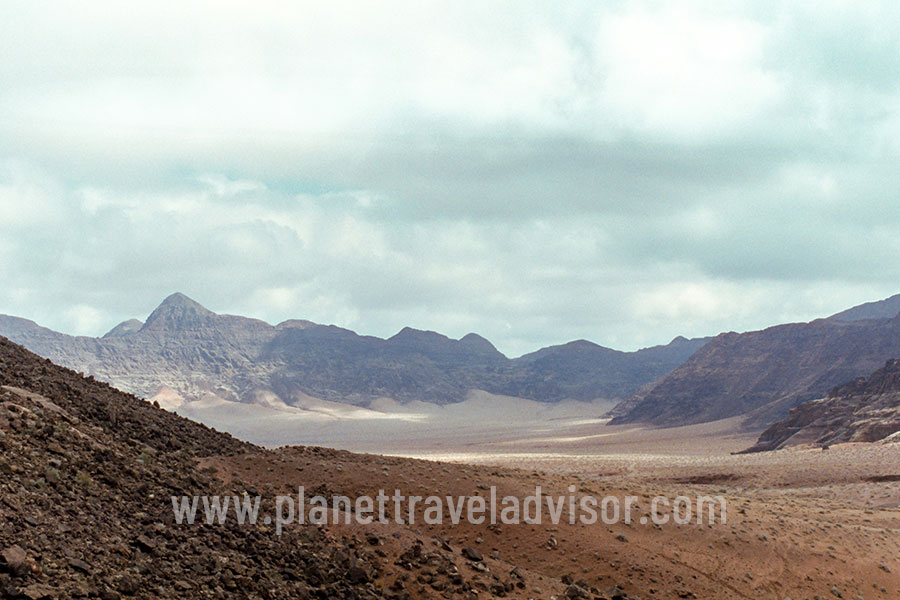
A successful visit to the Jordan Valley begins with choosing which attractions matter most. The region covers a considerable area, and the distance between northern archaeological sites and southern Dead Sea destinations makes route planning important.
Best Time to Visit the Jordan Valley
Spring and autumn generally offer the most comfortable weather for sightseeing.
March to May and October to November are particularly suitable for exploring outdoor archaeological sites and natural landscapes.
Summer can bring intense heat to the low-lying valley. During the hottest months, early morning sightseeing, sufficient drinking water, and protection from direct sunlight are especially important.
Winter temperatures are often milder than those in the higher elevations of Jordan, although rainfall may affect certain roads and outdoor activities.
How to Get to the Jordan Valley
Amman is a convenient starting point for visiting both the northern valley and the Dead Sea region.
Travelers visiting Pella generally drive northwest toward northern Jordan, while those heading to the Baptism Site or Dead Sea use routes descending toward the southern part of the rift valley.
Private transportation or a rental vehicle is usually the most flexible option for visiting multiple sites, particularly where public transport connections are limited.
Organized excursions can also simplify arrangements for travelers who prefer not to coordinate road transfers independently.
How Many Days Do You Need?
One day can be sufficient for a focused visit to Bethany Beyond the Jordan and the Dead Sea.
Travelers interested in Pella, Jordan EcoPark, and the northern agricultural landscapes should consider allocating a separate day.
Two or more days provide a better opportunity to experience both sections of the region without spending most of the journey moving between distant attractions.
For example, a northern cultural itinerary could focus on Pella and nearby heritage destinations, while a southern itinerary could combine the Baptism Site with a relaxing visit to the Dead Sea.
Travelers planning to include the valley in a broader itinerary can explore a trip to Jordan that connect the country's historical landmarks and natural attractions.
Entrance Tickets and Visitor Information
Admission fees, operating hours, and access arrangements depend on the individual attraction.
The Jordan Pass covers many tourist sites, but Bethany Beyond the Jordan is not included automatically. The official Jordan Pass website currently lists it as an optional addition for an extra charge when purchasing the pass online.
Travelers should check current ticket details, visitor arrangements, and any temporary restrictions before traveling.
Important Travel Tips
Carry comfortable walking shoes, sun protection, and sufficient drinking water, especially when exploring exposed archaeological sites.
Allow extra time for road journeys and avoid planning too many distant attractions in a single day.
For nature activities, verify seasonal access and weather conditions. Flash flooding can affect wadis, even when the weather appears clear at the trail entrance.
Travelers should also review current government travel advisories and follow local instructions regarding controlled areas near international borders.
The Jordan Valley reveals a distinctive side of Jordan, combining archaeological heritage, religious history, fertile landscapes, and remarkable natural environments.
Its northern attractions, particularly Pella and Jordan EcoPark, appeal to travelers interested in history and nature. Farther south, the Jordan River, Bethany Beyond the Jordan, and the Dead Sea provide experiences connected to religious tradition and the region's extraordinary geography.
Choosing the right attractions and allowing sufficient travel time are the most important steps toward a rewarding visit.
For travelers who want to combine the Jordan Valley with other destinations across the country, exploring available Jordan tours can help simplify transportation and itinerary planning.
A curated list of the most popular travel packages based on different destinations.
Plan your trip with this Amman travel guide covering top sights, food, neighborhoods, transport, day trips, where to stay, and practical visitor tips.
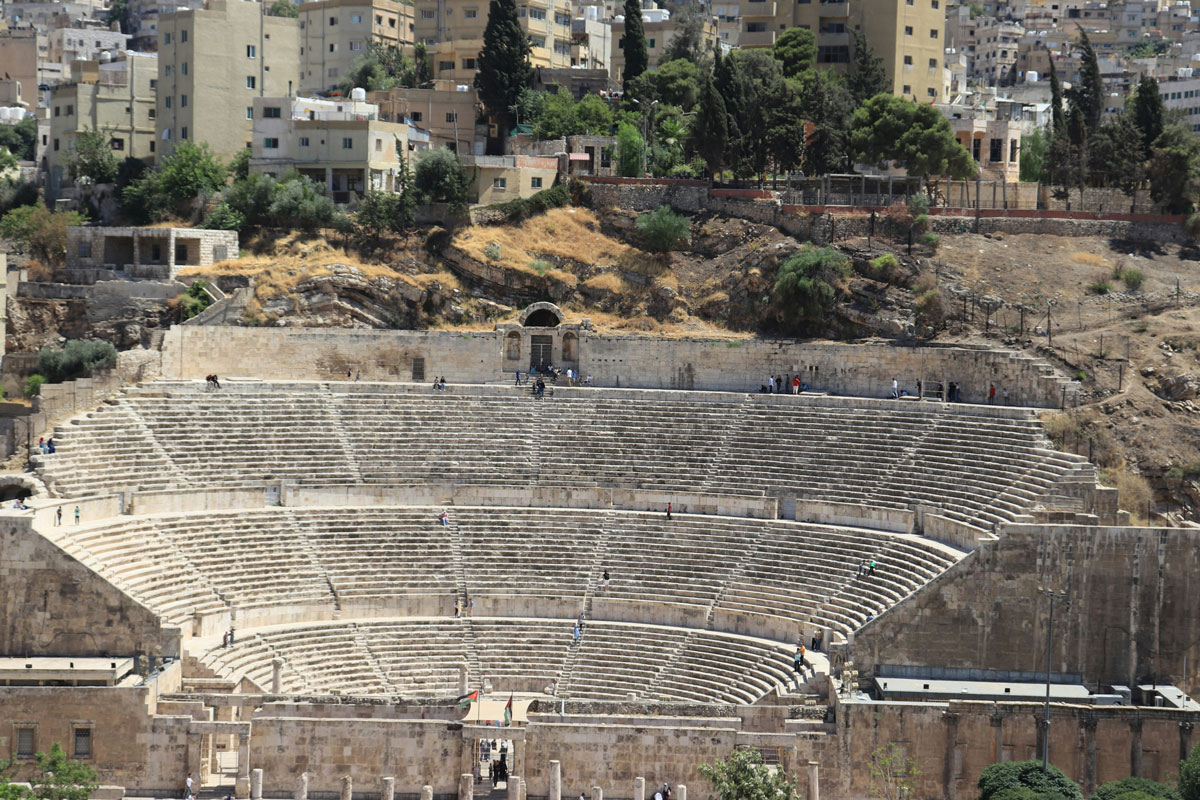
Plan your Amman Roman Theatre visit with current ticket prices, opening hours, Jordan Pass details, history, nearby sights, and practical travel tips.
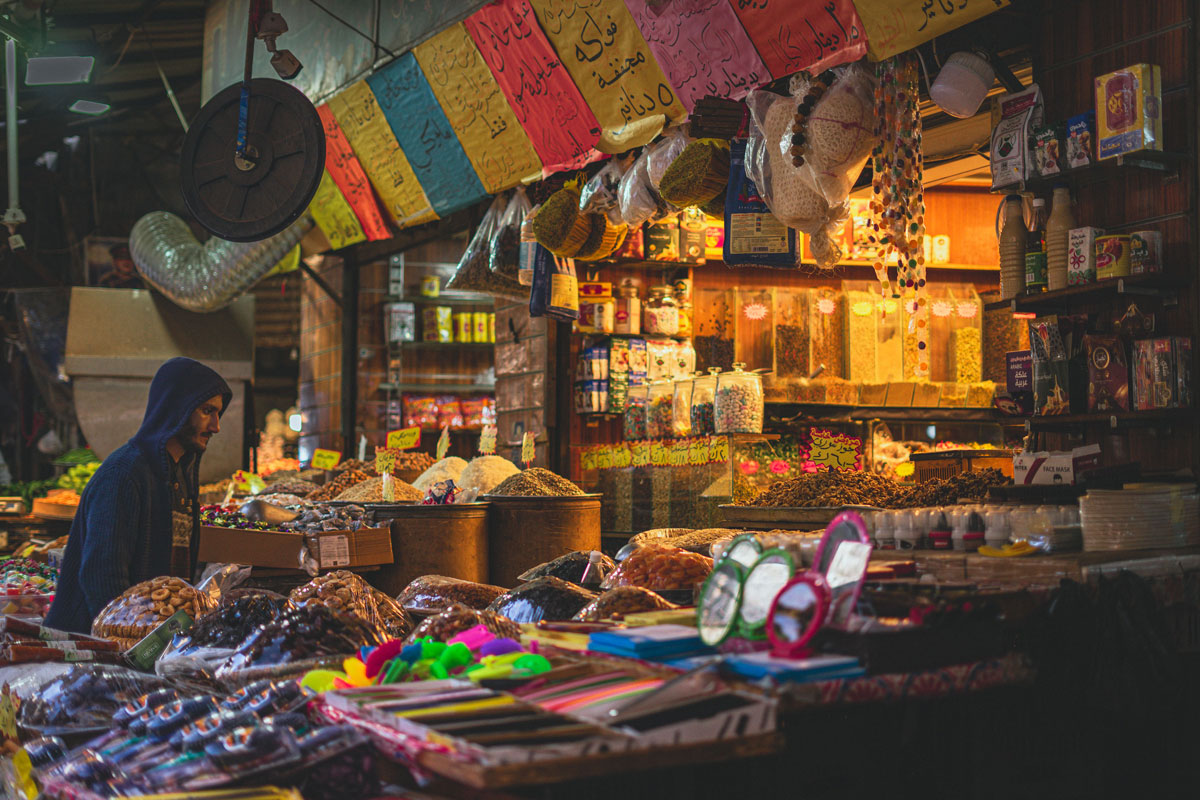
Explore the best souqs in Amman, from Al-Balad and the Gold Souq to Souq Jara, with shopping tips, souvenirs, timing, and nearby sights.
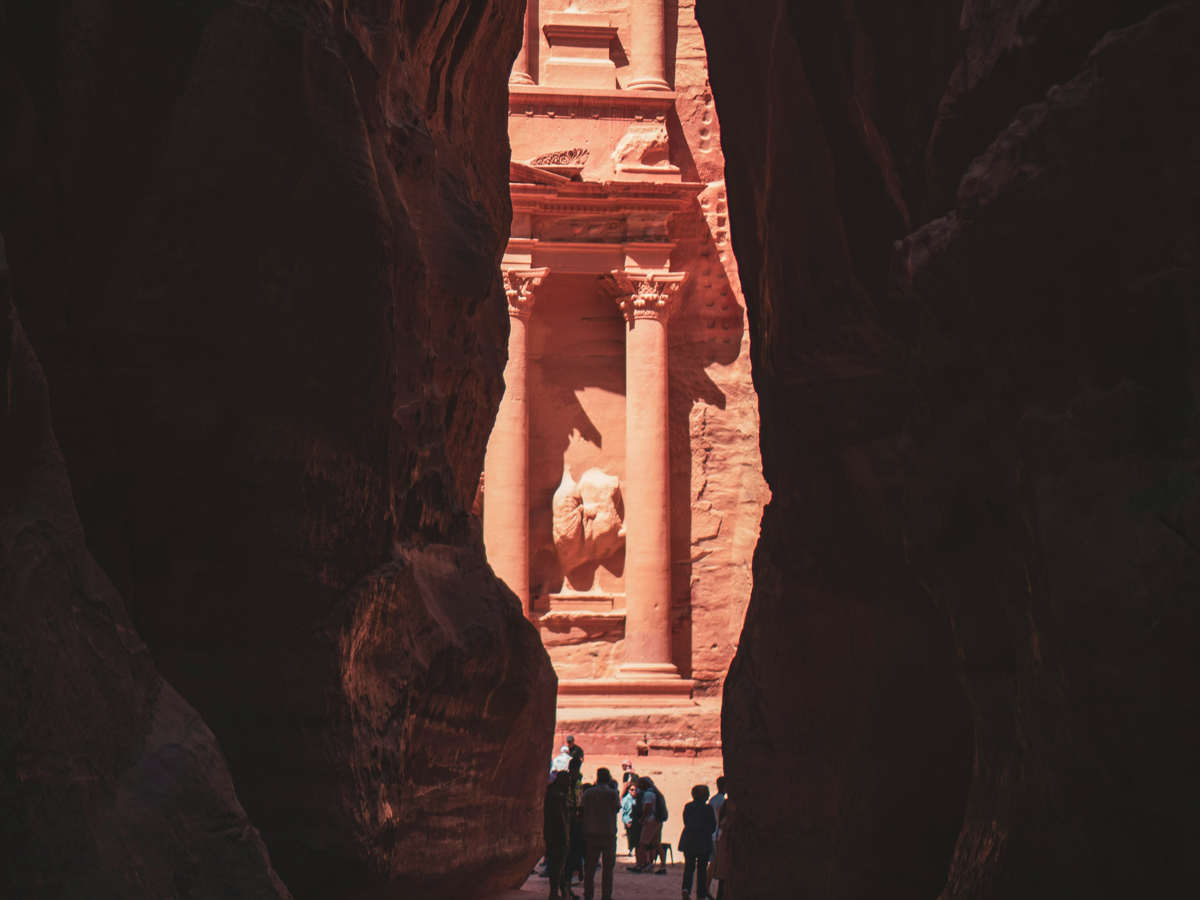
Explore Siq Petra, its Nabataean water system, ancient carvings, Treasury walk, history, opening hours, tickets, photography tips, and visitor advice.
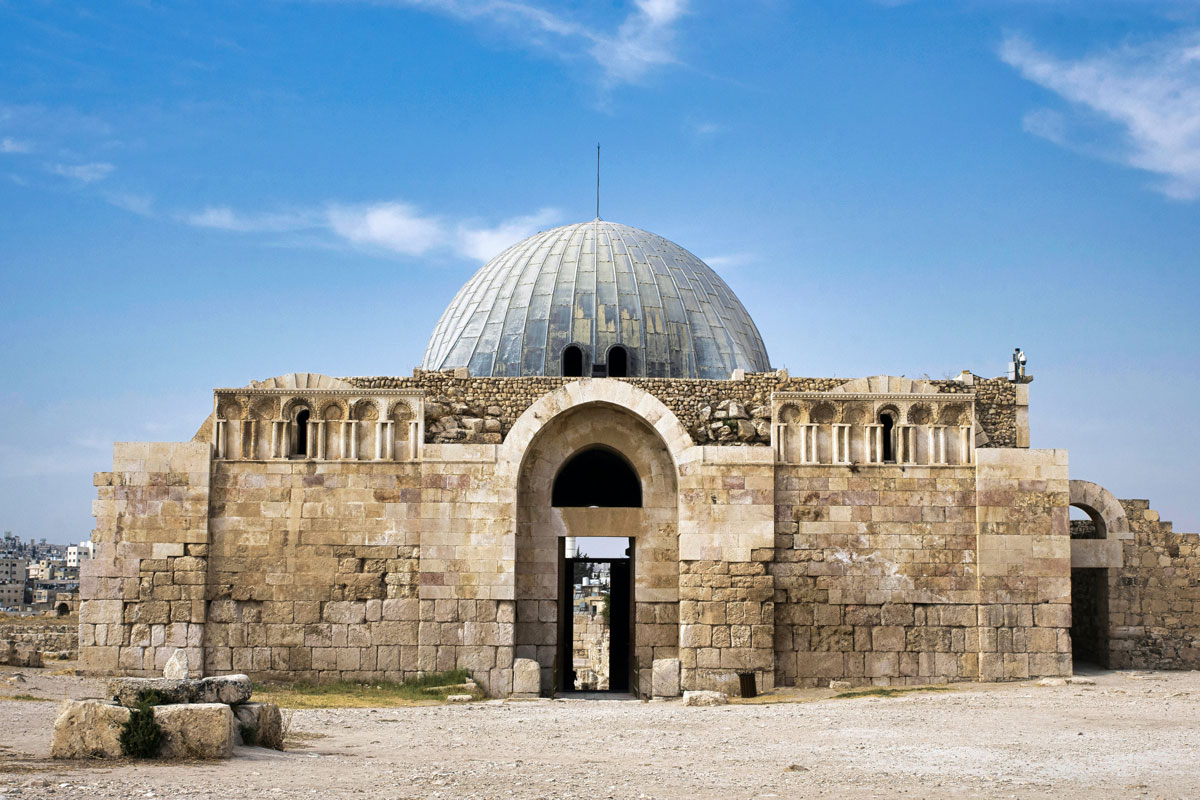
Explore Amman Citadel with practical tips on history, top sights, tickets, opening hours, Jordan Pass access, timing, transport, and nearby attractions.
Explore the Jordan Archaeological Museum in Amman, including top artifacts, tickets, Jordan Pass, opening hours, Citadel tips, and visitor advice.
Plan your visit to the Baptism Site in Jordan with its biblical history, archaeology, tickets, opening hours, Jordan Pass details, and nearby stops.
Plan your Dead Sea Jordan visit with tips on floating, beaches, resorts, transport, best times, safety, nearby attractions, and how long to stay.
Explore Downtown Amman with tips on the Roman Theatre, souks, local food, walking routes, the Citadel, safety, transport, and the best time to visit.
Plan your visit to Hadrian’s Arch Jerash with its history, architecture, tickets, opening hours, Jordan Pass details, nearby sites, and travel tips.
Plan your first visit to Jerash Jordan with the best ruins to see, walking route, tickets, Jordan Pass details, opening hours, timing, and travel tips.
Explore the Jordan River's biblical history, where Jesus was baptized, how to visit from Amman, and the best nearby places to include on your Jordan trip.
We go beyond just booking trips—we create unforgettable travel experiences that match your dreams!


One of the smoothest tours we have ever booked. We booked the "Petra Day Tour from Amman in Jordan" package and were impressed by how professionally everything was arranged. The itinerary gave us enough time to enjoy Petra, Amman, and Jordan without feeling rushed, and all transfers and day tours ran on time. The communication before arrival was clear and helpful, which made planning much easier. What we appreciated most was the balance between guided sightseeing and free time, so the whole trip felt comfortable and enjoyable. If you are looking for a reliable way to explore Jordan, this is a great option. It was the perfect mix of sightseeing, comfort, and great logistics.
One of the smoothest tours we have ever booked. We booked the "6 Days Classic Vietnam Tour Package" package and were impressed by how professionally everything was arranged. The itinerary gave us enough time to enjoy Vietnam without feeling rushed, and all transfers and day tours ran on time. The communication before arrival was clear and helpful, which made planning much easier. What we appreciated most was the balance between guided sightseeing and free time, so the whole trip felt comfortable and enjoyable. If you are looking for a reliable way to explore Vietnam, this is a great option. It was the perfect mix of sightseeing, comfort, and great logistics.
A beautifully organized journey from start to finish. We booked the "8 Days Hoi An Beach Escape and Culture Tour" package and were impressed by how professionally everything was arranged. The itinerary gave us enough time to enjoy Hoi An without feeling rushed, and all transfers and day tours ran on time. The communication before arrival was clear and helpful, which made planning much easier. What we appreciated most was the balance between guided sightseeing and free time, so the whole trip felt comfortable and enjoyable. If you are looking for a reliable way to explore Vietnam, this is a great option. The itinerary was well balanced and never felt rushed.
We loved how easy and enjoyable this entire experience was. We booked the "5 Day Tour of Istanbul and Cappadocia Highlights" package and were impressed by how professionally everything was arranged. The itinerary gave us enough time to enjoy Istanbul and Cappadocia without feeling rushed, and all transfers and day tours ran on time. The communication before arrival was clear and helpful, which made planning much easier. What we appreciated most was the balance between guided sightseeing and free time, so the whole trip felt comfortable and enjoyable. If you are looking for a reliable way to explore Turkey, this is a great option. We came home with amazing memories and would book again.
Everything about this package felt thoughtfully planned. We booked the "Best Day Tour Madaba, Nebo, Baptism Site & Dead Sea" package and were impressed by how professionally everything was arranged. The itinerary gave us enough time to enjoy Madaba, Mount Nebo, and the Dead Sea without feeling rushed, and all transfers and day tours ran on time. The communication before arrival was clear and helpful, which made planning much easier. What we appreciated most was the balance between guided sightseeing and free time, so the whole trip felt comfortable and enjoyable. If you are looking for a reliable way to explore Jordan, this is a great option. The guides, transfers, and pacing all worked together perfectly.











Comments (02)
Mr. Bowmik Haldar,
05 June, 2024Outstanding News & Insight! Thank you so much for sharing like this article
Jacoline Juie,
05 June, 2023However, here are some well-regarded car dealerships known for their customer service, inventory, and overall reputation. It's always a good idea to research and read reviews specific...
Leave Your Comment: