 Visit Turkey
 Visit Vietnam
 Visit Cambodia
 Visit Dubai
 Visit Jordan


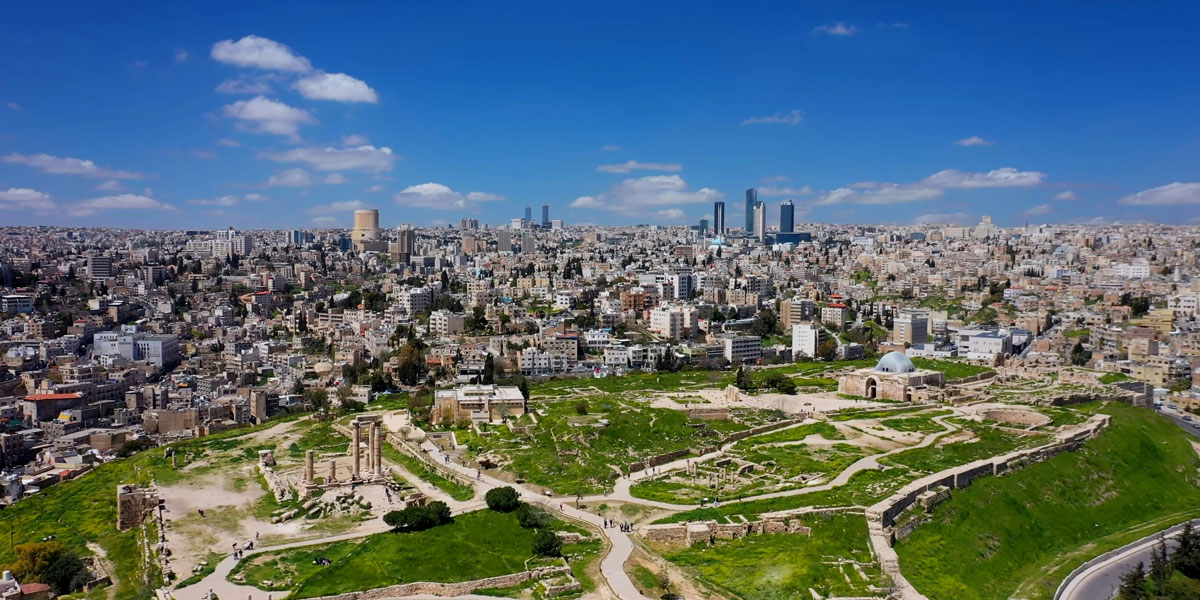
Amman Guide 2026 - Things to Do and Visitor Tips
Plan your trip with this Amman travel guide covering top sights, food, neighborhoods, transport, day trips, where to stay, and practical visitor tips.



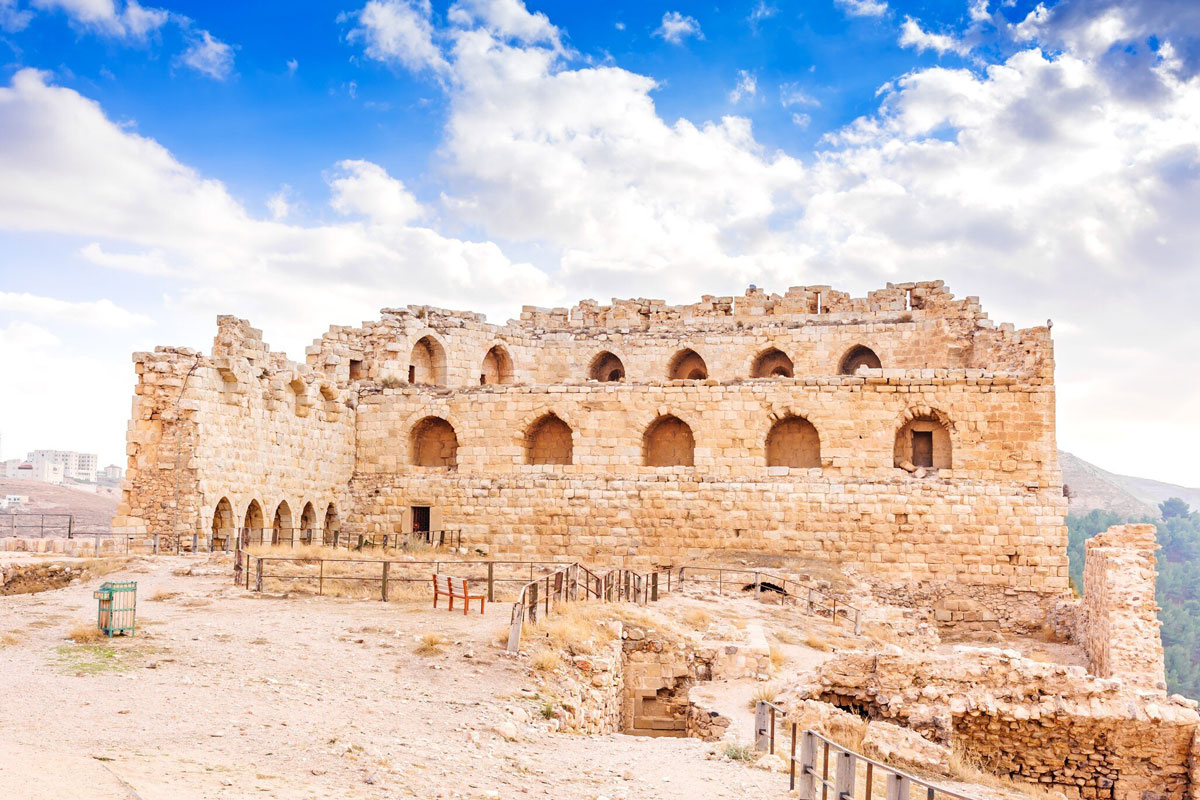
Kerak Castle stands above the historic town of Al-Karak in southern Jordan, where massive stone walls, vaulted corridors, and underground chambers reveal centuries of military history. Built as a Crusader fortress in the 12th century, it later became an important stronghold under the Ayyubid and Mamluk rulers. Its position along the King's Highway made it valuable to anyone seeking control of the region's trade and travel routes.
Today, Kerak Castle offers more than a collection of medieval ruins. Visitors can explore defensive fortifications, walk through historic galleries, discover traces of different civilizations, and enjoy sweeping views across the surrounding valleys. This guide covers the castle's history, main attractions, entrance fees, opening hours, transportation options, and practical advice for planning a visit.
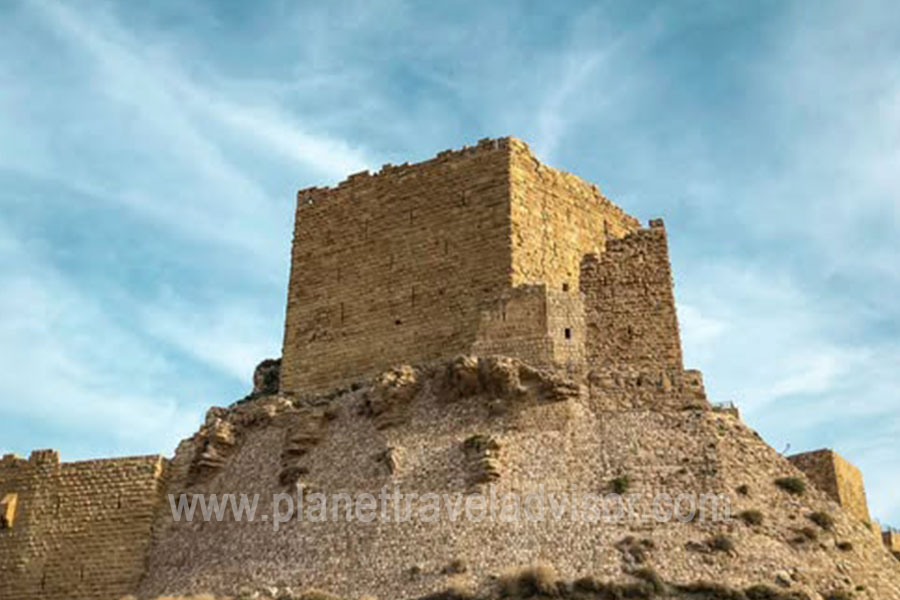
Kerak Castle, also spelled Karak Castle or Al-Karak Castle, is one of Jordan's most prominent medieval fortresses. Located approximately 900 meters above sea level, the castle occupies a commanding ridge overlooking the surrounding countryside. Its elevated position and substantial defensive structures made it difficult for attacking armies to approach.
The fortress became particularly important during the Crusades, when it served as a military and administrative center for the Crusader Lordship of Oultrejordain. Its location enabled its rulers to monitor movement along vital routes connecting Syria, Egypt, and the Arabian Peninsula.
Unlike castles designed primarily as royal residences, Kerak was built to withstand attacks and prolonged sieges. Thick limestone walls, defensive towers, rock-cut ditches, and extensive underground chambers helped protect the fortress and its occupants. These features remain among its most interesting attractions.
Kerak is also famous for its connection to Saladin, the Muslim military leader who challenged Crusader control of the region during the late 12th century. The fortress resisted repeated attacks before eventually surrendering to Ayyubid forces in 1188.
The history of Kerak Castle begins long before the Crusaders arrived. The surrounding region was associated with ancient Moab and later experienced Nabataean, Roman, Byzantine, and Islamic influence. However, the fortress visitors recognize today was primarily developed during the medieval period.
Construction began in 1142 under Pagan the Butler, a powerful Crusader noble who governed Oultrejordain. He established Kerak as a principal stronghold, replacing Shobak Castle as the administrative center of the lordship.
Its strategic location allowed the Crusaders to defend their territory while exercising influence over nearby trade routes. Subsequent rulers strengthened its walls, expanded its defensive structures, and developed additional chambers.
One of the castle's most controversial rulers was Reynald of Châtillon, who gained control in 1176. His attacks on Muslim trading caravans and threats to pilgrimage routes intensified tensions with Saladin.
In 1183, Saladin besieged Kerak while a wedding was taking place inside the fortress. Medieval accounts describe negotiations concerning the safety of the wedding party, although some details of the story come from later narratives. The siege ended when a Crusader relief army approached.
Saladin attacked again in 1184, but Kerak remained under Crusader control. The political situation changed dramatically after Saladin defeated the Crusader army at the Battle of Hattin in 1187. With little prospect of outside assistance, Kerak eventually surrendered to Ayyubid forces in 1188.
Under the Ayyubids and later the Mamluks, the fortress continued to serve administrative and military purposes. Its defenses were repaired, additional structures were constructed, and several sections were modified to accommodate new rulers.
These successive transformations explain why Kerak Castle contains a mixture of architectural traditions rather than belonging exclusively to the Crusader period.
Kerak Castle is best explored slowly enough to appreciate how its different areas once worked together. Some sections are exposed to the open air, while others lie beneath heavy stone vaults. The contrast between them helps visitors understand how the fortress provided both protection and functional living spaces.
The castle's walls are among the first features visitors notice. Built along the edge of a high ridge, they take advantage of the surrounding terrain to create a formidable defensive position.
Large towers, reinforced masonry, and deep defensive ditches helped make direct attacks difficult. From the accessible viewpoints, visitors can observe the surrounding valleys and appreciate why this location was selected for a major military fortress.
The western fortifications are especially notable for their commanding outlook. On clear days, the distant landscape extends toward the Dead Sea region. However, visitors should remain within designated accessible areas rather than approaching exposed edges or unstable stonework.
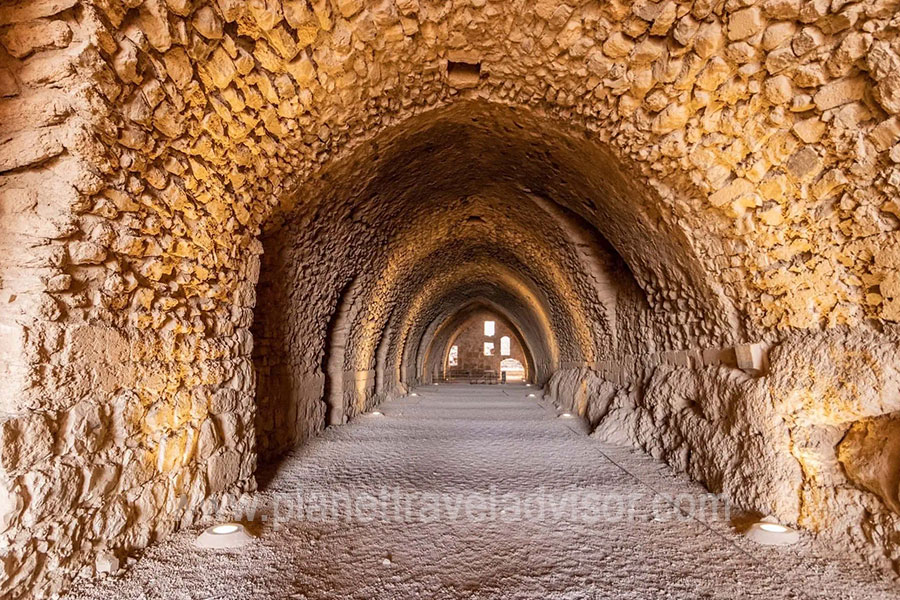
The underground galleries are among Kerak Castle's most memorable features. Long passages lead through vaulted stone chambers that historically served different purposes, including storage, shelter, and accommodation.
Some corridors retain impressive arched ceilings, demonstrating the construction techniques used to support heavy masonry above them. Other areas are considerably darker, making it easier to imagine the challenges of moving through a medieval fortress during a siege.
The Jordan Tourism Board specifically highlights the well-preserved underground halls and recommends asking at the ticket desk about access. Visitors should check which passages are open, since restoration work and safety restrictions may affect entry.
A small flashlight can be useful in dim areas, although visitors should never enter passages marked as closed.
The surviving Crusader-era remains help explain how Kerak operated as more than a military defensive position. The fortress supported soldiers, commanders, religious activities, food preparation, and storage.
Ruins associated with the Crusader church provide evidence of religious life within the castle. Nearby chambers and galleries illustrate the practical requirements of maintaining a fortified settlement, especially during extended periods of conflict.
The vaulted Crusader galleries are particularly impressive. Their architecture combines structural strength with functional design, providing protected spaces inside the thick walls.
Rather than viewing these rooms as isolated ruins, visitors can consider how they formed part of an interconnected defensive complex.
After the Crusader period, Kerak remained an important regional center. Ayyubid and Mamluk rulers repaired existing buildings and developed new structures, including additions associated with the Mamluk palace.
The Mamluk Sultan Baybars strengthened parts of the fortress during the 13th century. Architectural remains in the southern section show how the castle continued to evolve under Islamic rule.
The Karak Archaeological Museum, located within the historic castle complex, provides additional context. According to the Jordan Tourism Board, its collections include materials associated with several periods of regional history, from prehistoric occupation through later Islamic civilizations.
Exhibits have included pottery, inscriptions, glassware, and other archaeological finds from Kerak and nearby areas. Visitors interested in the region's longer history should check whether the museum galleries are accessible during their visit.
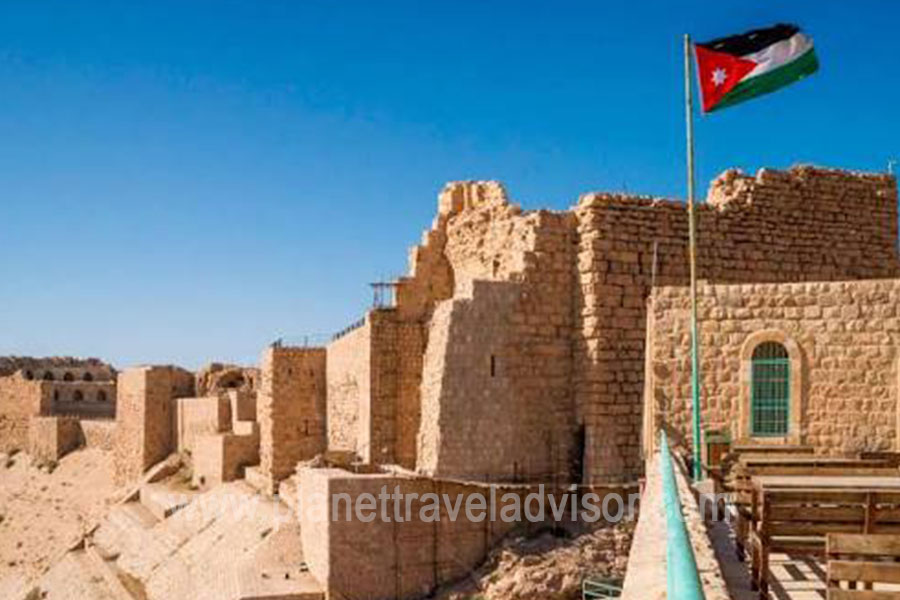
Kerak Castle is relatively inexpensive to visit compared with Jordan's larger archaeological attractions.
According to Jordan's Ministry of Tourism and Antiquities, the published entrance prices are:
| Visitor Category | Entrance Fee |
|---|---|
| International visitors | 2 JOD |
| Jordanian visitors | 0.25 JOD |
| Eligible Jordan Pass holders | Included |
The ministry states that the castle entrance ticket includes museum admission. These are published standard rates, and visitors should verify current arrangements before traveling.
Is Kerak Castle included in the Jordan Pass?
Yes. Kerak Castle appears on the official Jordan Pass list of included attractions. Travelers with a valid pass can generally enter under its admission benefits, subject to the pass conditions.
A local guide, private transportation, or other independently arranged services may involve additional costs.
Kerak Castle has seasonal operating hours, so the time available for exploration depends partly on when you travel.
The official Jordan Pass opening-hours schedule lists:
| Visiting Period | Published Hours |
|---|---|
| Winter | 8:00 AM–4:00 PM |
| Summer | 8:00 AM–6:30 PM |
| April and May | 8:00 AM–5:30 PM |
| Ramadan | 9:00 AM–5:00 PM |
Seasonal categories may overlap, and visitors should confirm the applicable hours before traveling.
Spring and autumn are generally comfortable times to explore the castle, especially for travelers planning to spend time outdoors. The weather is usually more suitable for walking through exposed courtyards and along the fortifications than during the hottest summer afternoons.
Summer visits are still possible, but arriving earlier in the day can make walking more comfortable. Although the stone chambers provide shade, the exposed sections can become hot.
Winter often brings cooler temperatures, occasional rain, and stronger winds. Visitors should carry an extra layer and take care on wet stone surfaces.
For photography, morning and late-afternoon light can add depth to the castle walls and surrounding landscape. However, visitors should prioritize the official closing time rather than arriving too late to explore the interior.
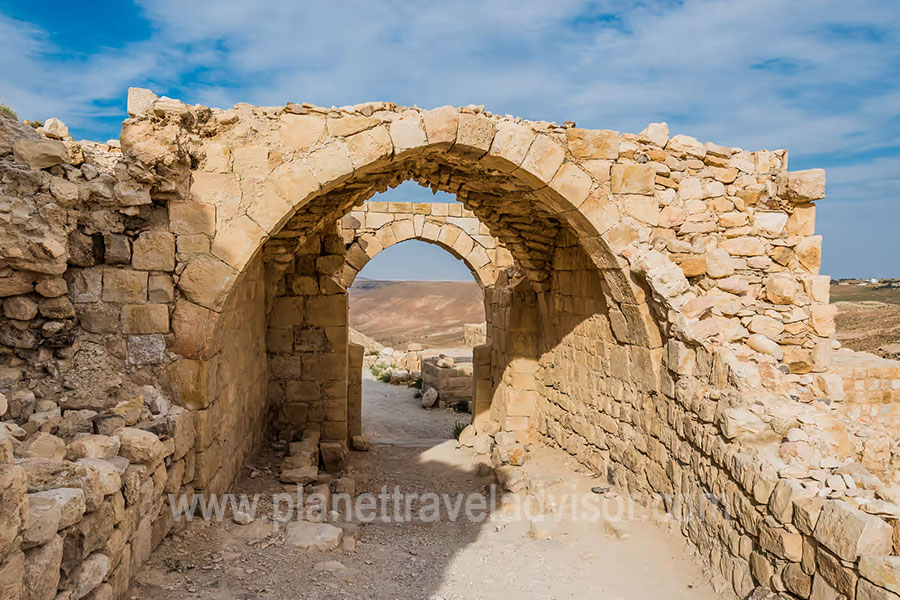
Kerak Castle is located in Al-Karak, south of Amman, along the historic King's Highway. Its position makes it convenient for travelers planning a road trip through central and southern Jordan, particularly those continuing toward Petra.
Getting from Amman to Kerak Castle
Traveling by private car or hired driver is generally the most straightforward option. The journey typically takes around two to three hours, depending on the route, traffic, and stops.
The Desert Highway can provide a relatively direct approach, while the King's Highway offers a more scenic journey through historic towns and mountainous landscapes.
Renting a car offers flexibility, especially if you intend to explore nearby attractions. However, drivers should prepare for winding roads, changing elevations, and traffic within Al-Karak town.
Public transportation is possible through regional bus or minibus connections, but services may be less convenient for travelers with limited time. You may also need a local taxi to reach the castle from your arrival point.
Visiting Kerak Castle on the Way to Petra
Kerak is particularly well suited to travelers journeying south from Amman or Madaba toward Petra. A stop at the fortress adds historical variety to a route that already includes impressive scenery.
A practical itinerary might begin in Amman, continue through Madaba and the King's Highway, stop at Kerak Castle, and finish in Petra or nearby Wadi Musa. However, combining several attractions on the same day requires an early departure and realistic driving estimates.
For travelers who prefer to organize their transportation, historical attractions, and accommodation together, exploring Jordan tours can help connect Kerak with other destinations without arranging each transfer separately.
Most visitors should allow approximately 90 minutes to two hours to experience Kerak Castle without rushing. However, the ideal duration depends on your interest in medieval history and how thoroughly you want to explore its chambers.
| Time Available | Recommended Experience |
|---|---|
| 60 minutes | Explore the main fortifications, accessible galleries, and viewpoints. |
| 90 minutes | Add the underground passageways and important architectural remains. |
| 2 hours or more | Explore at a relaxed pace, study historical details, and visit accessible museum displays. |
These are suggested planning durations rather than official tour lengths.
If you have only one hour, begin with the major defensive structures and most accessible underground galleries. Travelers with more time can examine how different architectural sections reflect the castle's Crusader, Ayyubid, and Mamluk history.
Remember that navigating uneven surfaces, stairs, and dim corridors may take longer than expected. Allow additional time if traveling with children or visitors who prefer a slower pace.
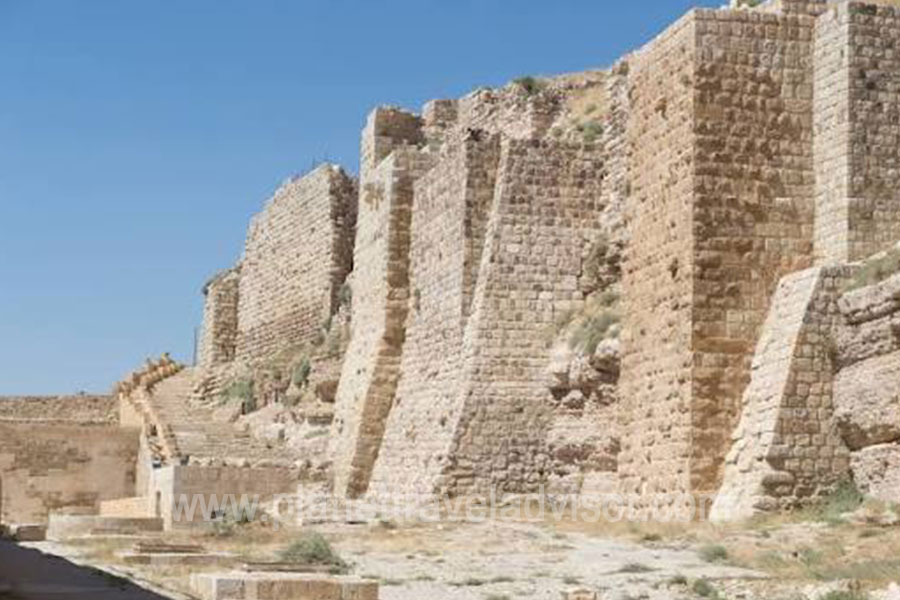
Kerak Castle is a historic military structure rather than a modern attraction designed around smooth walkways and uniform visitor facilities. A little preparation can make the experience more enjoyable.
Photography is one of the pleasures of visiting Kerak. The combination of stone galleries, defensive walls, and surrounding valleys creates opportunities for both architectural and landscape images. Take photographs from designated safe viewpoints and follow any restrictions inside museum spaces.
A visit to Kerak Castle can form part of a wider exploration of southern Jordan. Several nearby destinations offer additional history, scenery, and opportunities to experience local culture.
Al-Karak Town
The historic town surrounding the fortress provides a contrast to the castle's military architecture. Visitors can explore local streets, observe everyday life, and stop at restaurants serving traditional Jordanian food. The castle plaza also features restored Ottoman-era buildings and visitor facilities.
Wadi Mujib and the King's Highway
Wadi Mujib is known for its dramatic canyon landscapes, while the King's Highway is one of Jordan's most historically important travel routes. Together, they make the region appealing to travelers interested in scenic driving and natural landscapes.
Those considering canyon activities should check seasonal availability and the requirements for specific trails rather than assuming all routes are accessible throughout the year.
Shobak Castle
Shobak Castle, also called Montreal Castle, is another important Crusader fortress farther south along the route toward Petra. It occupies an impressive hilltop position and contains remains of medieval defensive architecture.
Travelers with a particular interest in Crusader history may find visiting both Kerak and Shobak especially rewarding. Comparing the two helps reveal how fortification designs responded to the different landscapes and strategic needs of the period.
Combining these destinations with Petra, Madaba, and other attractions is easier when travel times and overnight stops are planned in advance.
Kerak Castle is one of Jordan's most fascinating places for understanding the military and political history of the Crusader period. Its imposing walls, underground galleries, and later Islamic architectural additions reveal how the fortress evolved under successive rulers.
A visit is most rewarding when travelers allow enough time to explore beyond the exterior walls and appreciate the history behind the structures. For those traveling along the King's Highway toward Petra, Kerak offers an opportunity to combine medieval history with Jordan's distinctive mountain landscapes.
Whether you spend an hour exploring the highlights or dedicate longer to its history, the fortress provides a valuable addition to a well-planned Jordan itinerary.
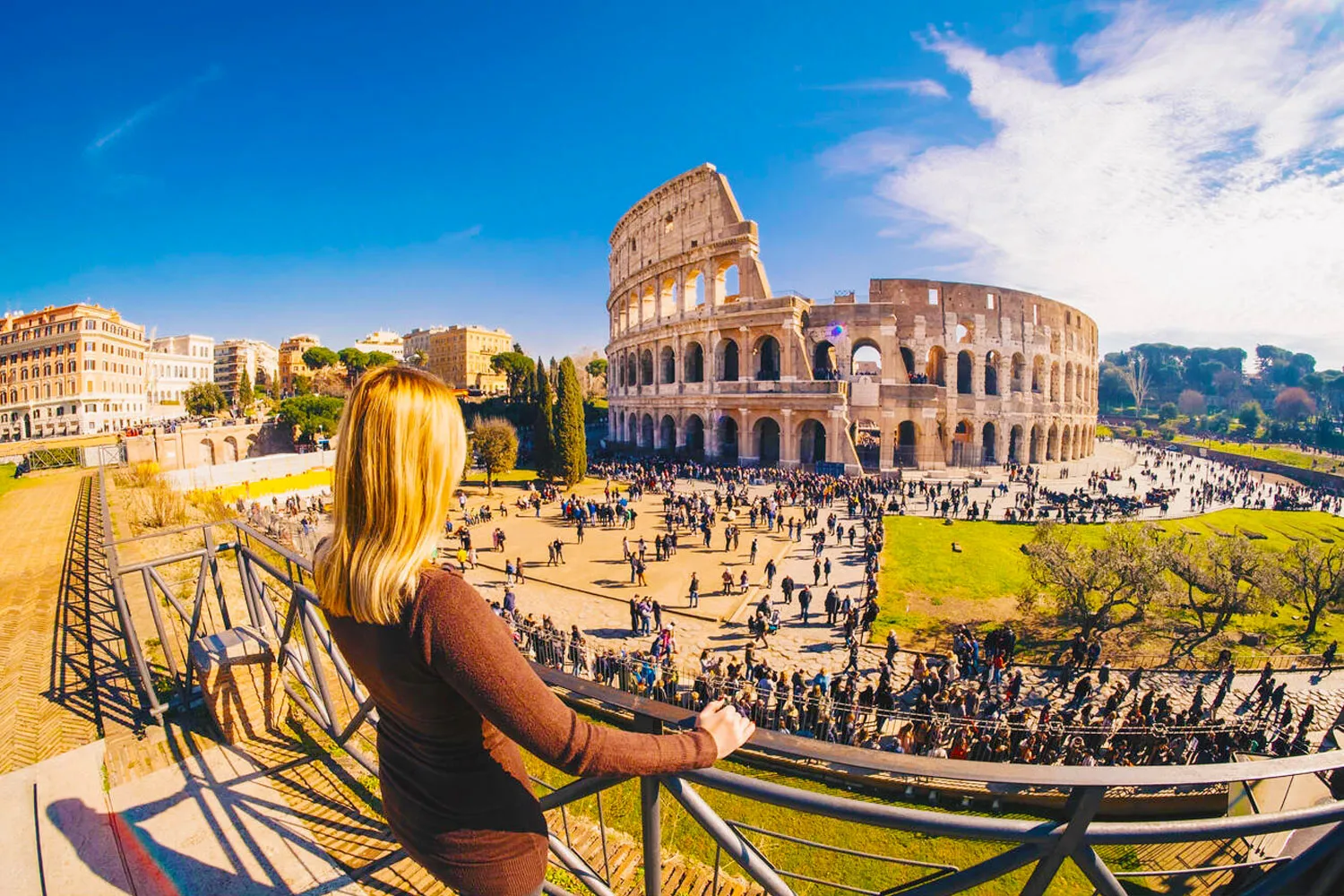


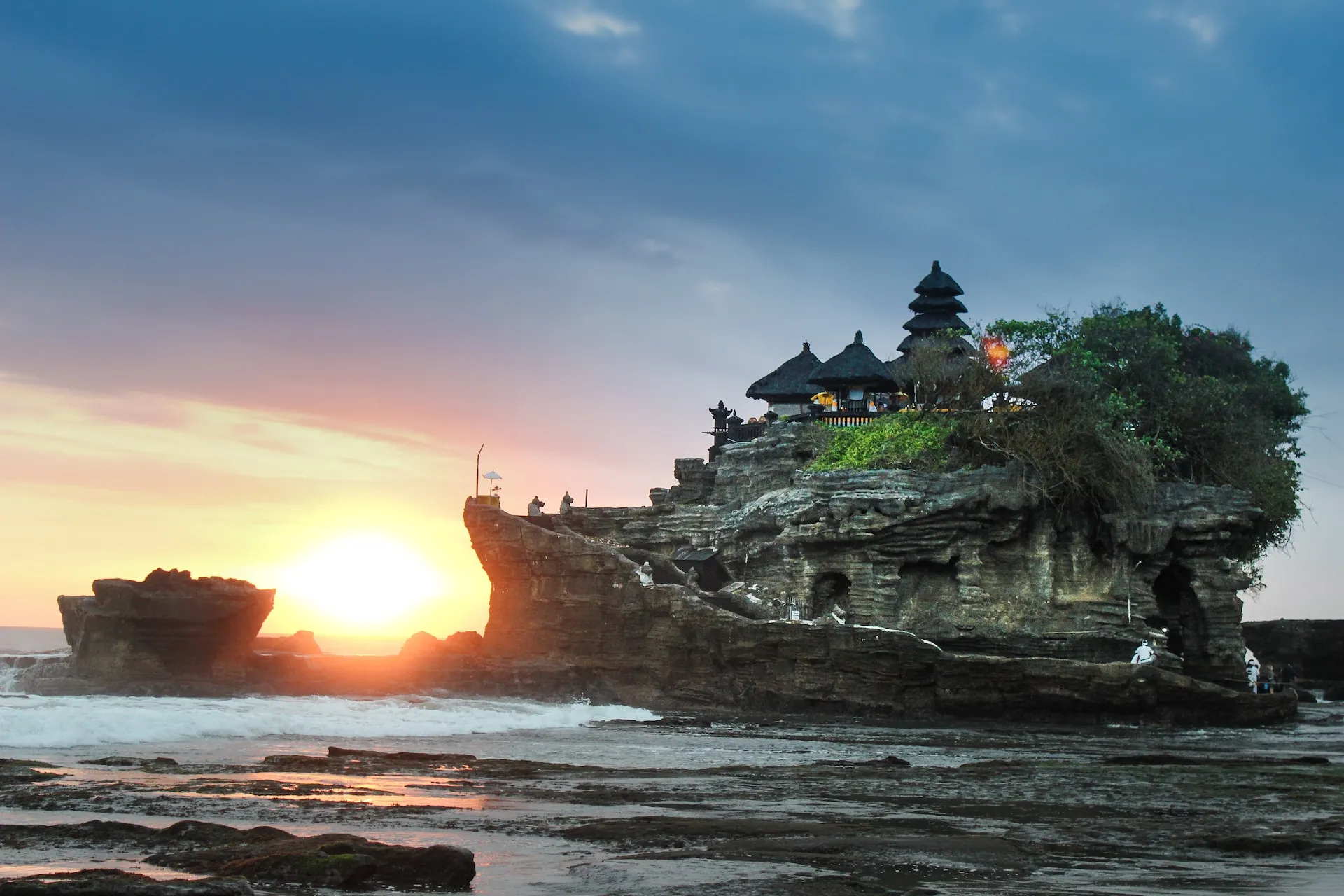
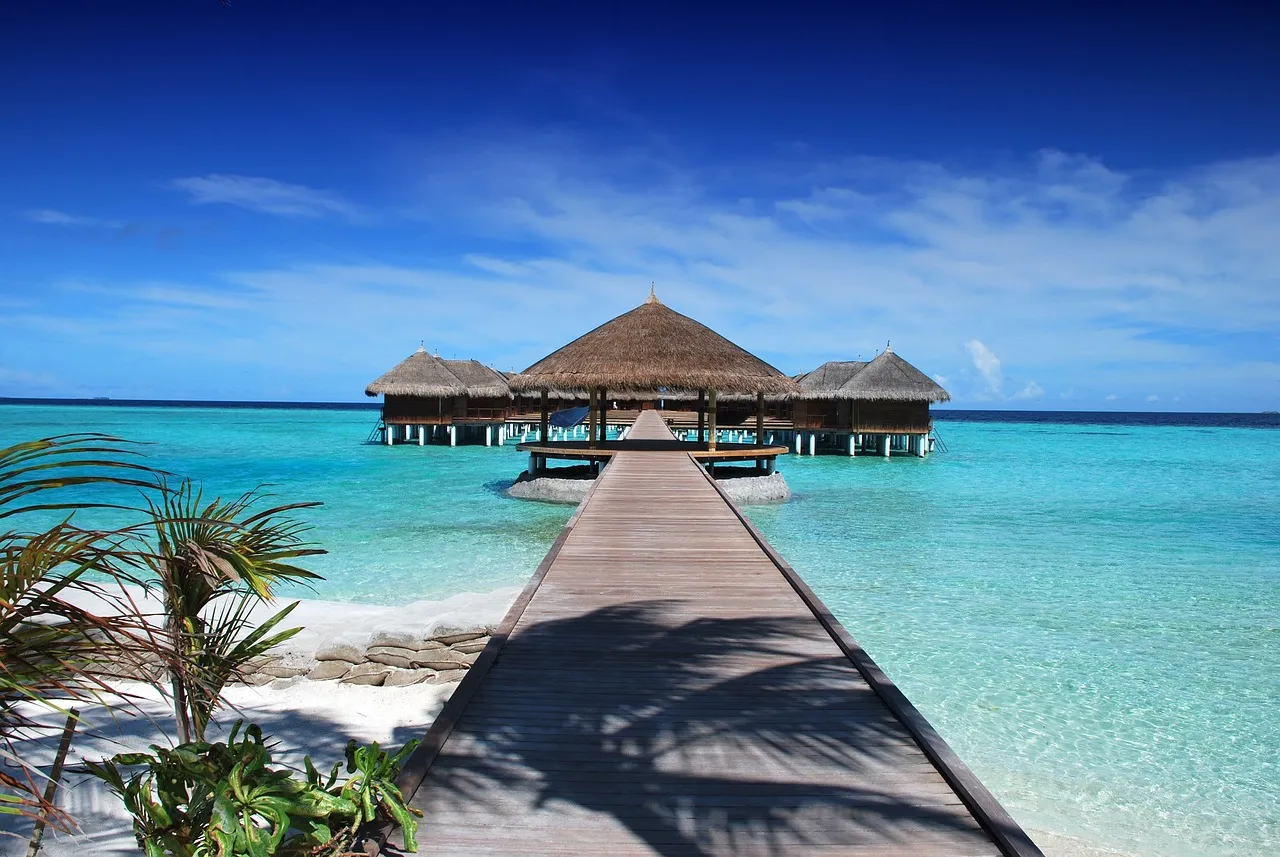
A curated list of the most popular travel packages based on different destinations.
Plan your trip with this Amman travel guide covering top sights, food, neighborhoods, transport, day trips, where to stay, and practical visitor tips.
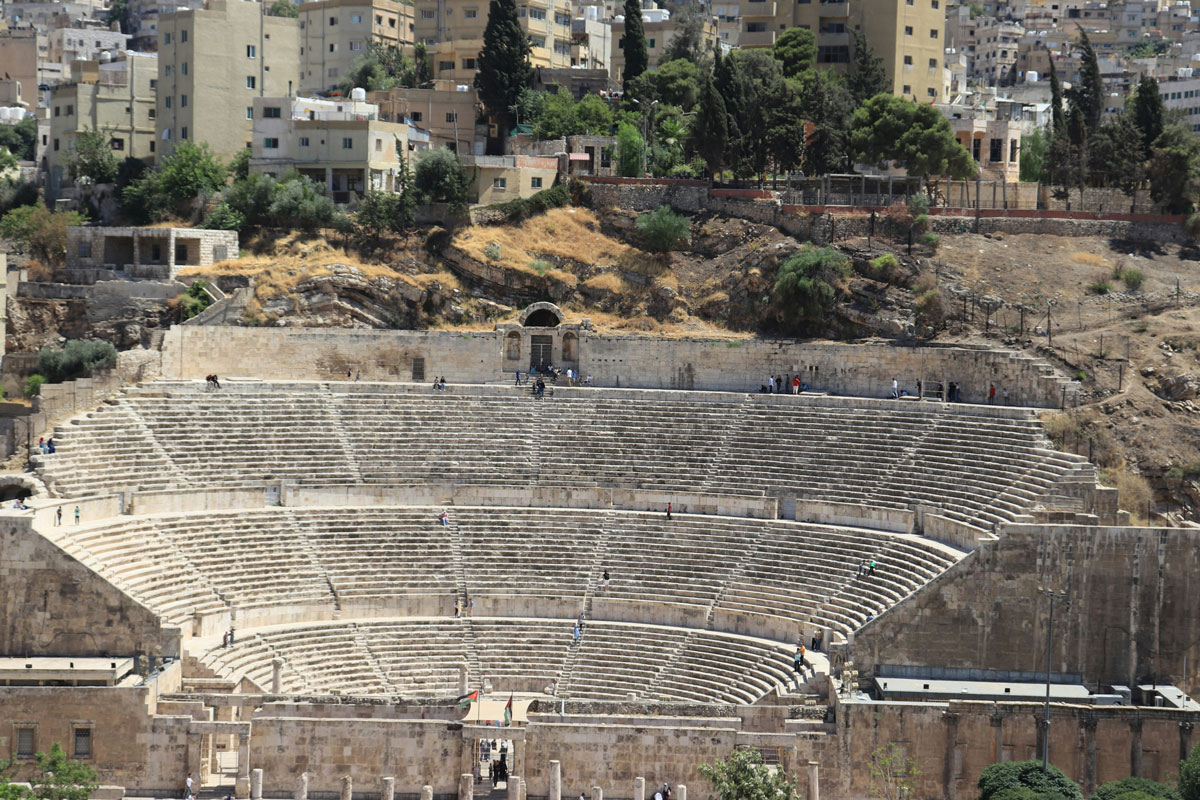
Plan your Amman Roman Theatre visit with current ticket prices, opening hours, Jordan Pass details, history, nearby sights, and practical travel tips.
Explore the best souqs in Amman, from Al-Balad and the Gold Souq to Souq Jara, with shopping tips, souvenirs, timing, and nearby sights.
Explore Siq Petra, its Nabataean water system, ancient carvings, Treasury walk, history, opening hours, tickets, photography tips, and visitor advice.
Explore Amman Citadel with practical tips on history, top sights, tickets, opening hours, Jordan Pass access, timing, transport, and nearby attractions.
Explore the Jordan Archaeological Museum in Amman, including top artifacts, tickets, Jordan Pass, opening hours, Citadel tips, and visitor advice.
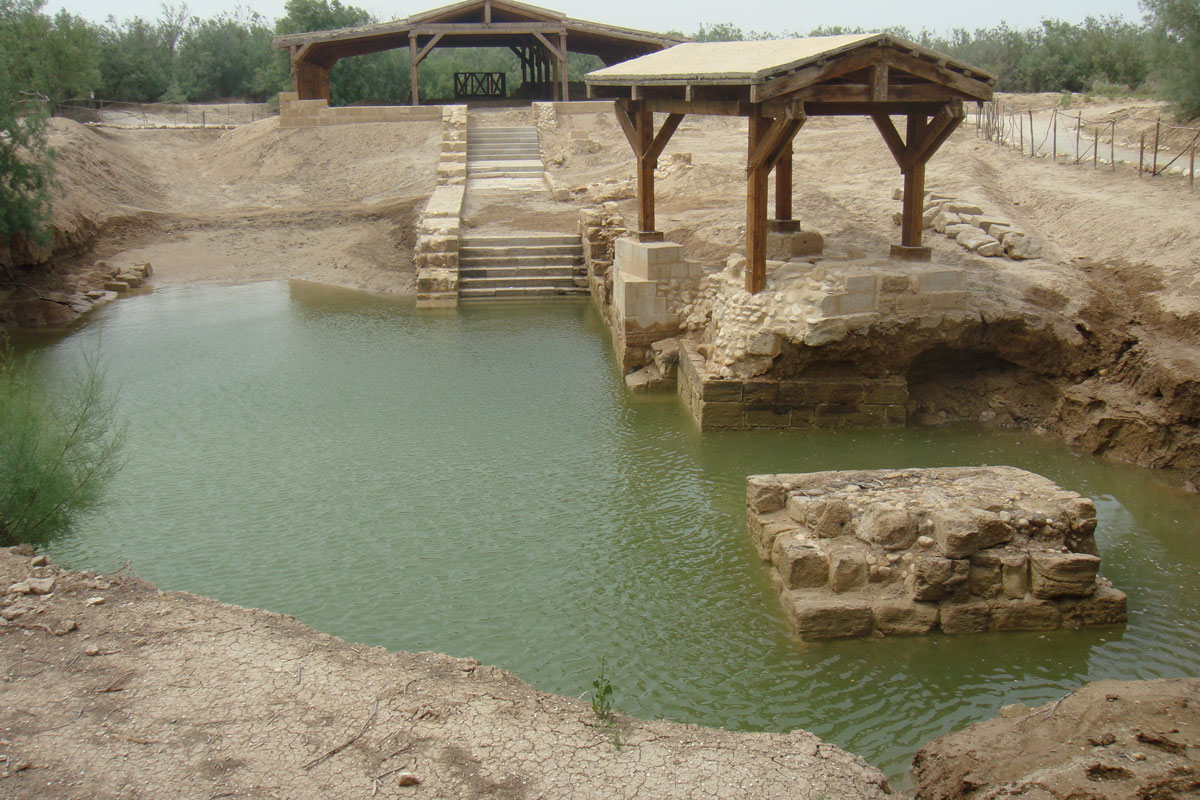
Plan your visit to the Baptism Site in Jordan with its biblical history, archaeology, tickets, opening hours, Jordan Pass details, and nearby stops.
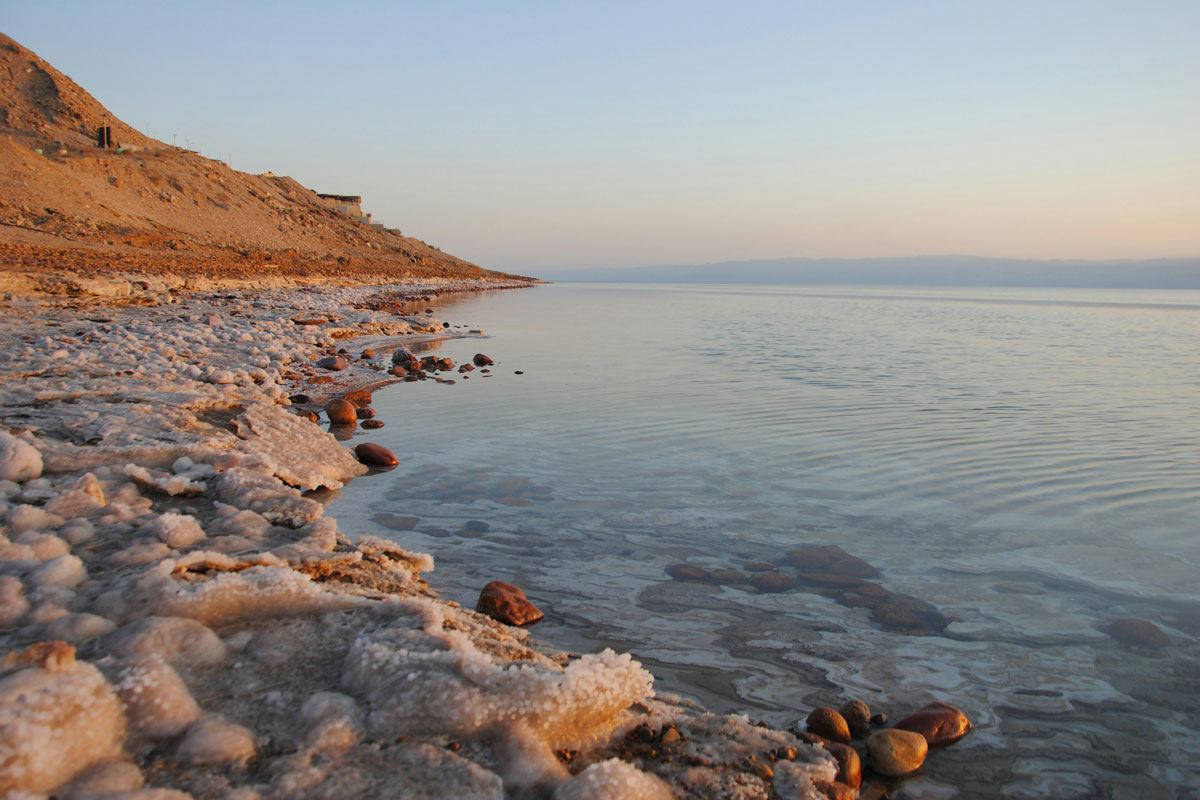
Plan your Dead Sea Jordan visit with tips on floating, beaches, resorts, transport, best times, safety, nearby attractions, and how long to stay.
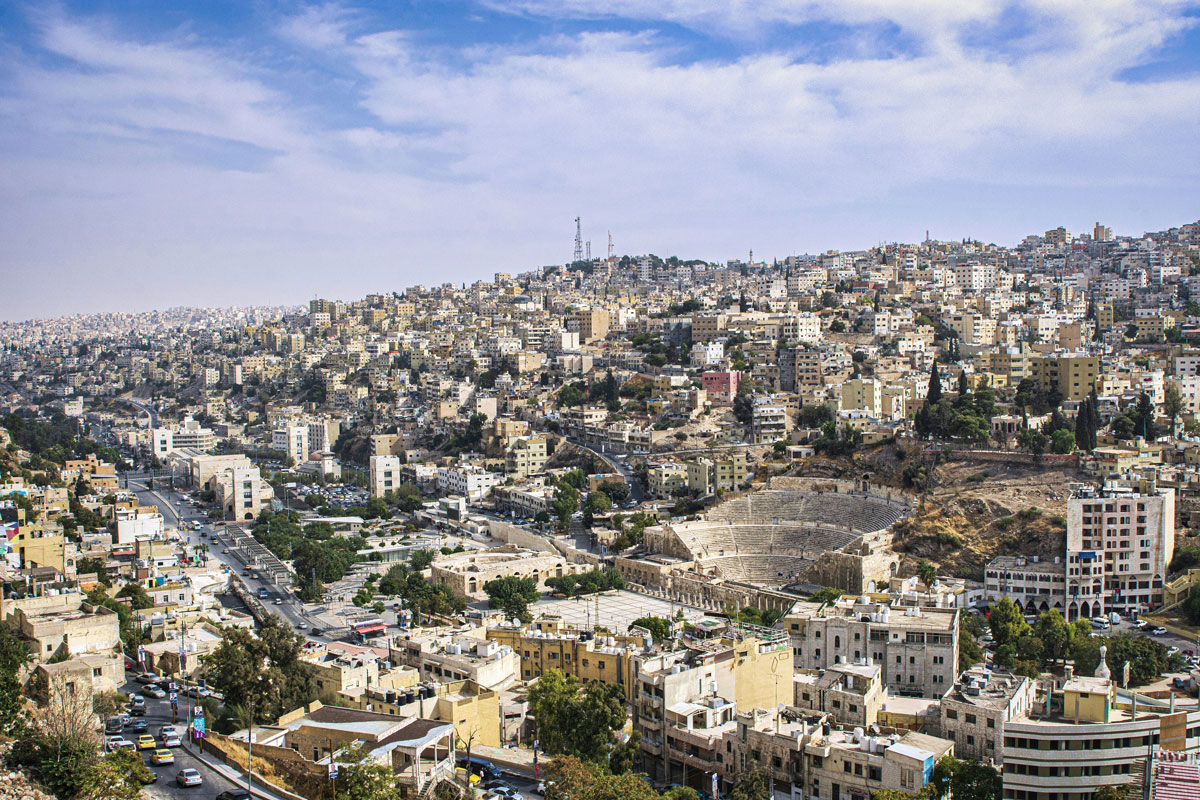
Explore Downtown Amman with tips on the Roman Theatre, souks, local food, walking routes, the Citadel, safety, transport, and the best time to visit.
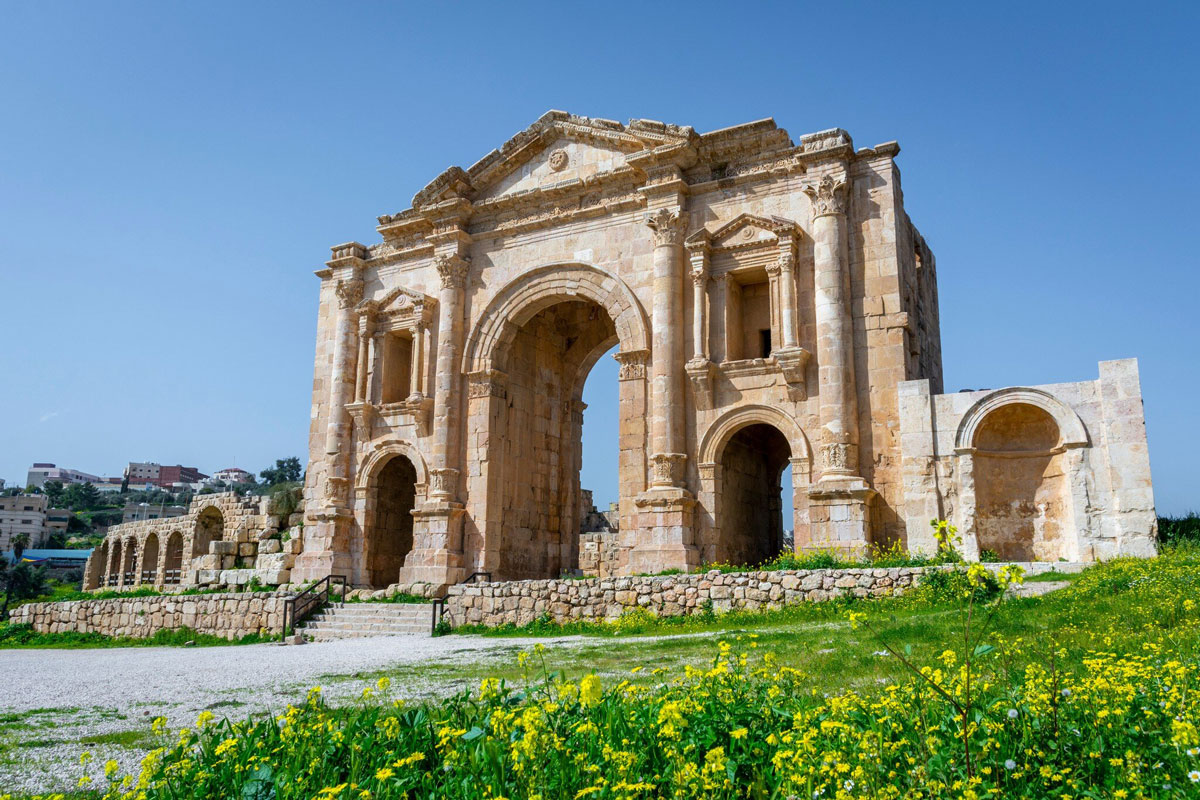
Plan your visit to Hadrian’s Arch Jerash with its history, architecture, tickets, opening hours, Jordan Pass details, nearby sites, and travel tips.
Plan your first visit to Jerash Jordan with the best ruins to see, walking route, tickets, Jordan Pass details, opening hours, timing, and travel tips.
Explore the best Jordan Valley attractions and things to do, from ancient Pella and the Jordan River to the Dead Sea, with practical tips for planning your visit.
We go beyond just booking trips—we create unforgettable travel experiences that match your dreams!



Everything about this package felt thoughtfully planned. We booked the "4 Days Gallipoli, Troy, Pergamum, Ephesus & Pamukkale Tour" package and were impressed by how professionally everything was arranged. The itinerary gave us enough time to enjoy Ephesus, Pamukkale, Gallipoli, Troy, and Pergamum without feeling rushed, and all transfers and day tours ran on time. The communication before arrival was clear and helpful, which made planning much easier. What we appreciated most was the balance between guided sightseeing and free time, so the whole trip felt comfortable and enjoyable. If you are looking for a reliable way to explore Turkey, this is a great option. The guides, transfers, and pacing all worked together perfectly.
A beautifully organized journey from start to finish. We booked the "Explore Turkey in 9 Days from Ephesus to Cappadocia" package and were impressed by how professionally everything was arranged. The itinerary gave us enough time to enjoy Cappadocia and Ephesus without feeling rushed, and all transfers and day tours ran on time. The communication before arrival was clear and helpful, which made planning much easier. What we appreciated most was the balance between guided sightseeing and free time, so the whole trip felt comfortable and enjoyable. If you are looking for a reliable way to explore Turkey, this is a great option. The itinerary was well balanced and never felt rushed.
A beautifully organized journey from start to finish. We booked the "3 Days Gallipoli, Troy, Pergamum & Ephesus Tour Package" package and were impressed by how professionally everything was arranged. The itinerary gave us enough time to enjoy Ephesus, Gallipoli, Troy, and Pergamum without feeling rushed, and all transfers and day tours ran on time. The communication before arrival was clear and helpful, which made planning much easier. What we appreciated most was the balance between guided sightseeing and free time, so the whole trip felt comfortable and enjoyable. If you are looking for a reliable way to explore Turkey, this is a great option. The itinerary was well balanced and never felt rushed.
A beautifully organized journey from start to finish. We booked the "8 Days Hoi An Beach Escape and Culture Tour" package and were impressed by how professionally everything was arranged. The itinerary gave us enough time to enjoy Hoi An without feeling rushed, and all transfers and day tours ran on time. The communication before arrival was clear and helpful, which made planning much easier. What we appreciated most was the balance between guided sightseeing and free time, so the whole trip felt comfortable and enjoyable. If you are looking for a reliable way to explore Vietnam, this is a great option. The itinerary was well balanced and never felt rushed.
We loved how easy and enjoyable this entire experience was. We booked the "7 Days Istanbul Cappadocia Pamukkale Ephesus Tour" package and were impressed by how professionally everything was arranged. The itinerary gave us enough time to enjoy Istanbul, Cappadocia, Ephesus, and Pamukkale without feeling rushed, and all transfers and day tours ran on time. The communication before arrival was clear and helpful, which made planning much easier. What we appreciated most was the balance between guided sightseeing and free time, so the whole trip felt comfortable and enjoyable. If you are looking for a reliable way to explore Turkey, this is a great option. We came home with amazing memories and would book again.











Comments (02)
Mr. Bowmik Haldar,
05 June, 2024Outstanding News & Insight! Thank you so much for sharing like this article
Jacoline Juie,
05 June, 2023However, here are some well-regarded car dealerships known for their customer service, inventory, and overall reputation. It's always a good idea to research and read reviews specific...
Leave Your Comment: