 Visit Turkey
 Visit Vietnam
 Visit Cambodia
 Visit Dubai
 Visit Jordan


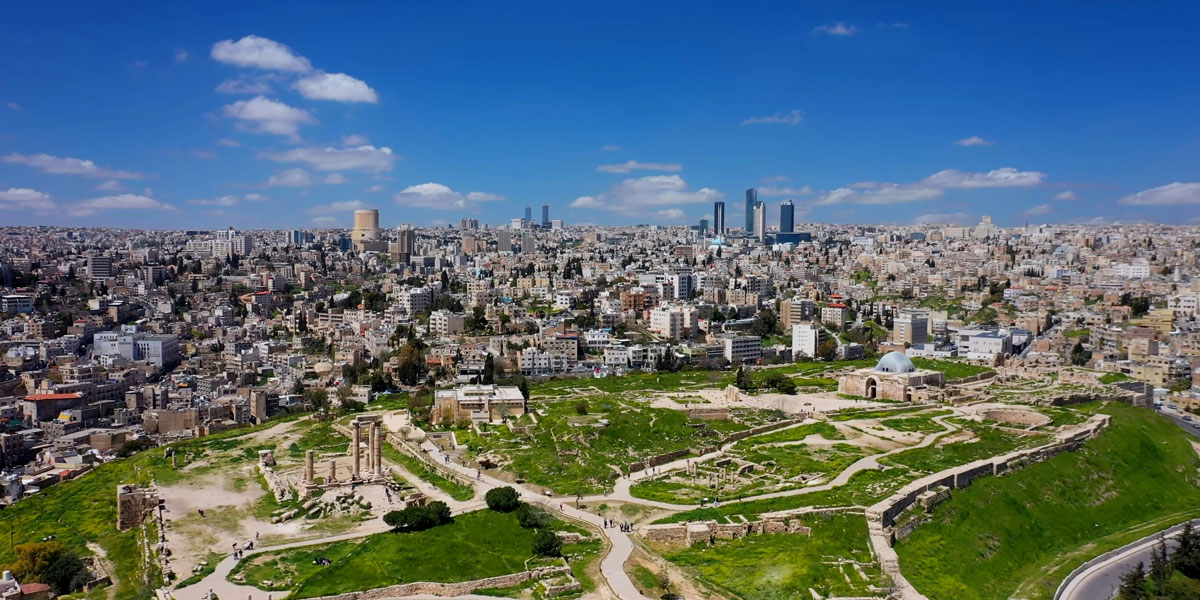
Amman Guide 2026 - Things to Do and Visitor Tips
Plan your trip with this Amman travel guide covering top sights, food, neighborhoods, transport, day trips, where to stay, and practical visitor tips.



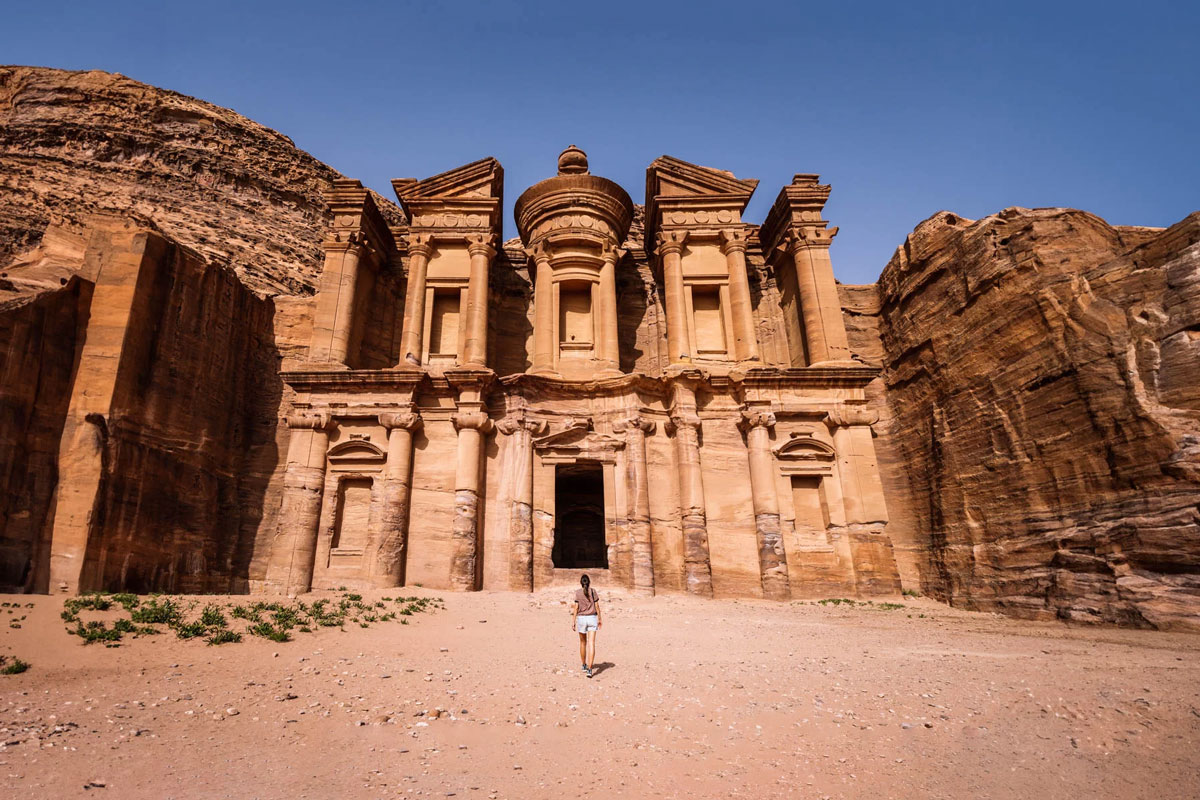
The Petra Monastery is one of the most impressive monuments in Jordan's ancient city of Petra, but reaching it requires more effort than visiting the famous Treasury. Known locally as Ad Deir or Ad-Dayr, this enormous rock-cut structure stands high among sandstone mountains, reached by a historic staircase or an alternative trail from Little Petra.
For travelers willing to make the climb, the experience combines Nabataean architecture, mountain scenery, and a quieter side of Petra. This guide explains the Monastery's history, how to reach it, what to expect from the hike, when to visit, and how to plan your time safely.
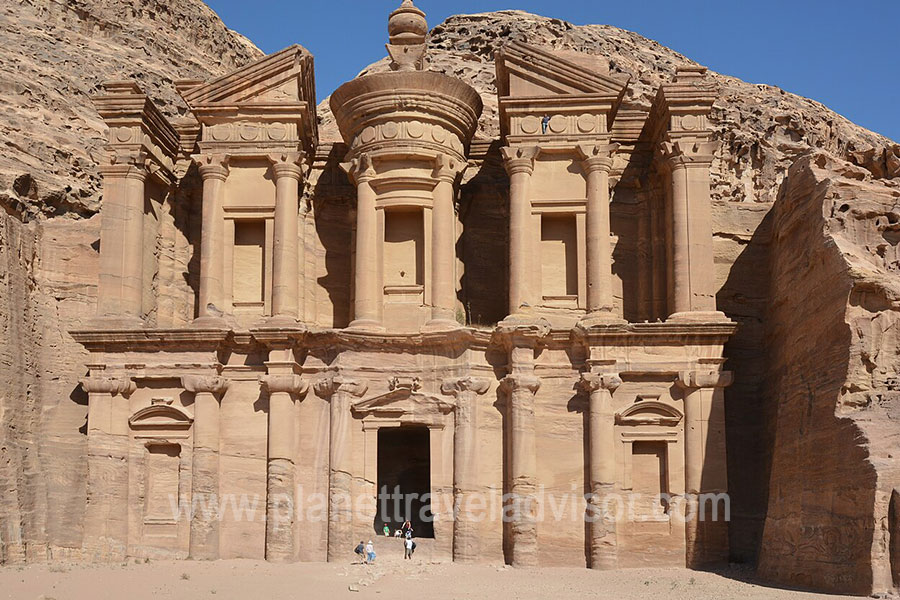
The Petra Monastery, known in Arabic as Ad Deir, is among the largest rock-cut monuments in Petra. Its sandstone facade measures approximately 48 meters high and 47 meters wide, making it even taller than the celebrated Treasury.
Despite its name, the monument was not originally built as a Christian monastery.
The structure likely dates to the early second century AD, during the reign of Nabataean King Rabbel II. An inscription discovered nearby suggests that the monument may have honored the deified King Obodas I, although its exact original purpose remains a subject of archaeological interpretation.
The building probably served a religious or ceremonial function. Its interior contains two side benches and an altar against the rear wall, suggesting that it may have been used for gatherings and rituals associated with Nabataean religious groups.
Its later history explains its present name. During the Christian period, the interior was reused as a chapel, and crosses were carved into the rear wall. The Arabic word dayr means monastery.
Architecturally, the facade shares similarities with Petra's Treasury, particularly its columns, triangular pediments, and prominent central circular structure. However, the Monastery has fewer elaborate sculptural decorations, giving it a simpler but remarkably imposing appearance.
The wide courtyard in front of the building was once bordered by a colonnaded portico. Archaeological investigations have also revealed sophisticated water-management features around the complex, demonstrating how the Nabataeans adapted their monumental architecture to Petra's mountainous desert environment.
Today, the Monastery forms part of the wider Petra Archaeological Park, a UNESCO World Heritage Site recognized for its remarkable combination of Nabataean engineering, rock-cut architecture, and historical significance.
There are two principal ways to reach Petra Monastery: the traditional route through Petra's archaeological center and the alternative backdoor trail from the Little Petra area.
The best choice depends on how much time you have, your hiking ability, and whether you want to explore Petra's main attractions along the way.
The traditional route begins at the Petra Visitor Center in Wadi Musa.
After entering the archaeological park, visitors follow the main walking trail through Bab Al Siq and the narrow Siq gorge before arriving at the Treasury. The path then continues past the Street of Facades, Theatre, and Colonnaded Street toward the Qasr al-Bint temple complex.
According to the official trail information, the journey from the Visitor Center to Qasr al-Bint is approximately 3.9 kilometers one way.
Near Qasr al-Bint, the route turns toward the Monastery staircase, beginning the more demanding part of the journey.
The Al Dayr Trail continues for approximately 1.6–2 kilometers, ascending around 800 ancient stone steps between sandstone cliffs.
Along the way, travelers pass archaeological features such as the Lion Triclinium, rock-cut niches, and traces of Nabataean religious activity.
The Petra tourism authority estimates approximately 1 hour and 30–45 minutes for the ascent, although actual walking time varies with fitness, weather, and rest stops.
From the Visitor Center, the full walking distance to the Monastery is roughly 5.5–6 kilometers one way. A return visit on the same route therefore involves approximately 11–12 kilometers of walking, excluding additional sightseeing.
Allow around 5–7 hours for the complete round trip, potentially longer if you spend substantial time exploring other monuments.
This route is particularly suitable for first-time visitors who want to experience Petra's principal archaeological landmarks before reaching the Monastery.
The alternative route approaches the Monastery from the north, beginning around Siq al-Barid, commonly called Little Petra, in the Al-Bayda area.
The official Petra Back Trail is approximately 7 kilometers long and takes an estimated 3 hours and 15–30 minutes of continuous hiking.
Unlike the main staircase route, the back trail crosses open mountain landscapes, rocky passages, and sections overlooking Wadi Araba. It includes both ascents and descents, so it should not be mistaken for an effortless alternative.
Travelers may encounter agricultural areas, ancient settlement remains, and expansive desert scenery before approaching the Monastery from behind the mountain.
A tourist shuttle and 4×4 transfer service also operates from the Visitor Center via the Nabataean Cultural Village toward the Monastery trail. The currently advertised 4×4 fare is 5 Jordanian dinars per person, one way. However, the driving route and final walking requirements should be confirmed locally because transport does not necessarily eliminate the need to walk over uneven terrain.
For independent hikers, arranging the route, entrance validation, and onward transportation beforehand is important. The full back trail is better suited to travelers comfortable navigating mountain paths, ideally with a knowledgeable local guide.
Travelers planning Petra alongside Wadi Rum, Amman, or the Dead Sea can also book a trip to Jordan that incorporate the archaeological site into a wider itinerary.
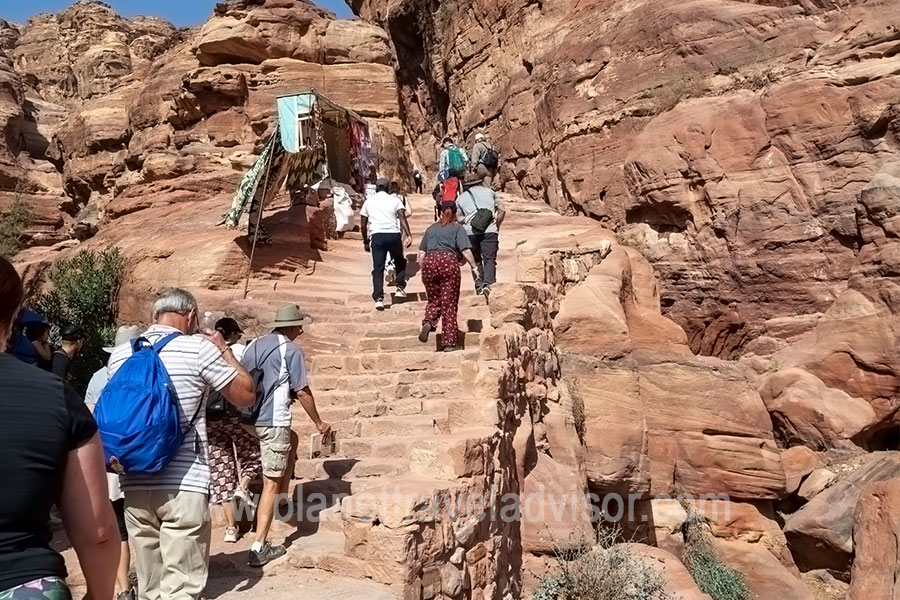
The Petra Monastery hike is generally considered moderately demanding, largely because of the approximately 800 steps leading from Qasr al-Bint toward the monument.
The staircase is ancient and irregular. Some steps are shallow, while others are noticeably higher, requiring visitors to maintain balance on worn or uneven sandstone surfaces.
The ascent is not usually a technical climb, but it can become exhausting after walking several kilometers through Petra's archaeological site.
The route alternates between exposed stretches and sections offering shade beside sandstone cliffs. During hotter months, heat and direct sunlight can make the climb more challenging.
Although descending requires less climbing effort, the uneven steps can place additional strain on knees and ankles.
For reasonably active travelers, the hike is achievable with adequate time and frequent breaks. However, visitors with significant mobility restrictions, balance difficulties, or medical concerns should carefully consider whether the ascent is appropriate.
Families with children may complete the hike, particularly when children are accustomed to longer walks. Parents should allow additional time and supervise children carefully near exposed sections.
Older travelers should assess the route according to their actual walking ability rather than age alone.
Essential hiking preparations include:
Comfortable walking shoes with reliable grip.
Sufficient drinking water for the complete route.
A sun hat, sunscreen, and lightweight clothing.
Small snacks to maintain energy.
A fully charged phone and an offline trail map.
Extra time for rest stops and the return journey.
Refreshment stands may be available along popular routes, but supplies and operating hours should not be assumed.
Visitors should also avoid climbing on archaeological structures, respect marked paths, and never attempt shortcuts across unstable cliff edges.
The most useful approach is to treat the hike as part of the Petra experience rather than simply a staircase to finish as quickly as possible.
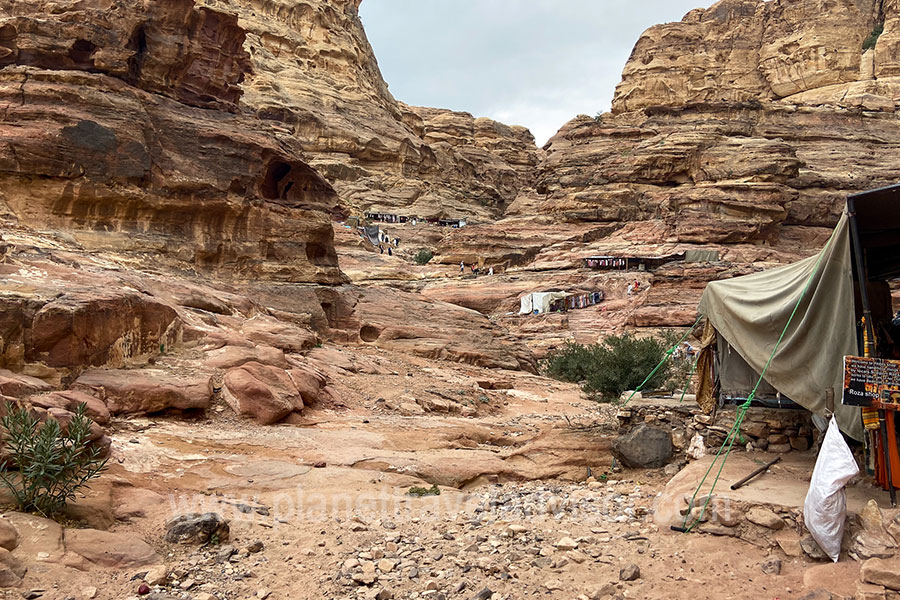
Spring and autumn generally offer the most comfortable conditions for hiking to Petra Monastery, particularly compared with the intense heat that can occur during summer.
March to May and September to November are often favorable for outdoor sightseeing, although daytime temperatures can still be warm and conditions change between months.
Summer visits require greater attention to hydration, sun exposure, and the timing of the climb. During winter, cooler temperatures can make walking more pleasant, but rain, slippery surfaces, and occasional flash-flood risks require caution.
For travelers entering through Petra's main gate, an early morning start is usually the best strategy. It provides more time to see the Treasury and central archaeological area before beginning the ascent.
The Monastery's sandstone facade is particularly attractive in the afternoon, when sunlight can illuminate its carved architectural features.
However, planning a late-afternoon arrival without considering the return route is unwise.
Official Petra opening hours for the 2026–2027 winter season are:
October 2, 2026 – March 1, 2027: 6:30 AM to 5:00 PM.
The preceding 2026 summer season operated from 6:00 AM to 6:00 PM.
Opening schedules change seasonally and may be affected by weather or operational requirements. Always confirm the latest official Petra opening hours before visiting.
For most first-time visitors, starting early, reaching the Monastery with ample daylight remaining, and allowing sufficient time to descend is more practical than trying to photograph the monument close to sunset.
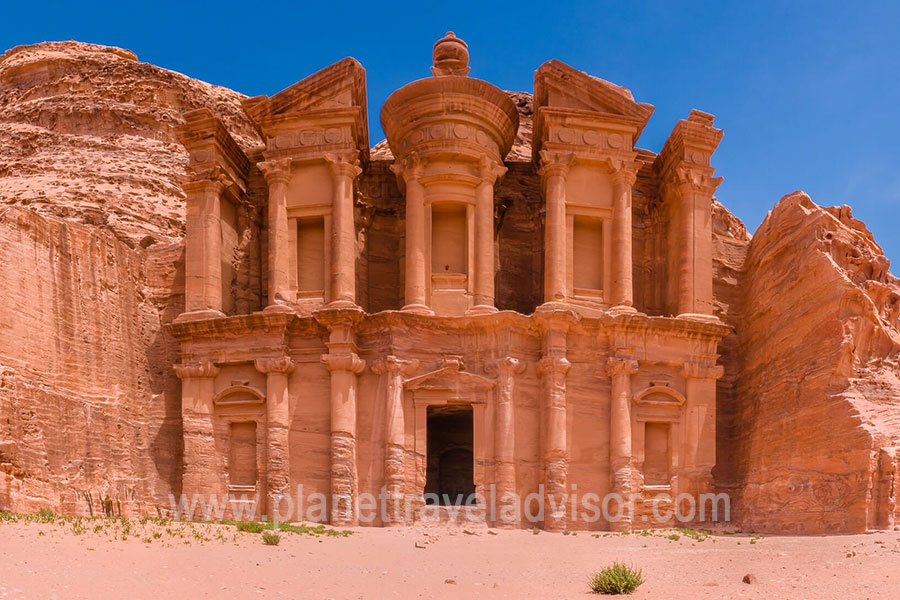
The broad courtyard directly opposite Petra Monastery provides the most straightforward view of its monumental sandstone facade.
Standing farther back allows photographers to capture the complete building while preserving the surrounding cliff face in the composition. Including a few visitors in the foreground can also help communicate the monument's enormous scale.
For a different perspective, several elevated viewpoints can be reached from the surrounding area.
The official Ad Dayr Viewpoint, located beyond the Monastery, looks west toward Wadi Araba and offers extensive views across rugged mountain formations and desert valleys.
Another viewpoint, Al-Barra, provides perspectives of the Monastery within its rocky surroundings and wider views toward the eastern mountains.
Photography opportunities vary with the position of the sun, atmospheric conditions, and the particular viewpoint.
Afternoon light can emphasize the warm colors of the facade, while clear morning conditions may be suitable for photographing distant landscapes.
Visitors should remain on established trails when exploring viewpoints. Some elevated locations include steep drops, loose stones, or exposed rocky edges.
A panoramic photograph is never worth attempting an unsafe climb, particularly when strong wind or wet conditions affect the trail.
There is no separate standard entrance ticket specifically for Petra Monastery. Access is included within the regular daytime admission to Petra Archaeological Park.
As listed by the official Petra tourism authority in October 2026, the principal ticket prices for visitors staying in Jordan are:
| Ticket Type | Price |
|---|---|
| One-day Petra ticket | 50 JOD |
| Two-day Petra ticket | 55 JOD |
| Three-day Petra ticket | 60 JOD |
| One-day ticket for visitors not staying overnight in Jordan | 90 JOD |
Different admission categories apply to Jordanian nationals, residents, and certain other travelers. Children under 12 currently receive complimentary daytime admission.
The Jordan Pass is another option for eligible international visitors.
Its published packages include the Jordan Wanderer at 70 JOD for one day at Petra, the Explorer at 75 JOD for two consecutive days, and the Expert at 80 JOD for three consecutive days.
The pass also covers a selection of other Jordanian attractions and may waive tourist visa fees for eligible visitors who purchase it before arrival and meet the minimum-stay requirement.
Guided tours, optional transport services, and Petra by Night are not automatically included in standard daytime admission.
Officially advertised optional services include club-car transportation on designated sections and licensed guiding services. These do not guarantee vehicle access to the Monastery itself.
A few additional considerations can make the experience easier.
Bring your passport or required identification for ticket validation. If entering through the back trail, confirm the correct ticket-checking procedure with the Visitor Center before departing.
Carry water, use the available rest facilities along the main route, and do not depend on reliable mobile coverage throughout the mountainous sections.
Travelers with limited time should also decide in advance whether they intend to visit the Monastery or concentrate on Petra's central monuments.
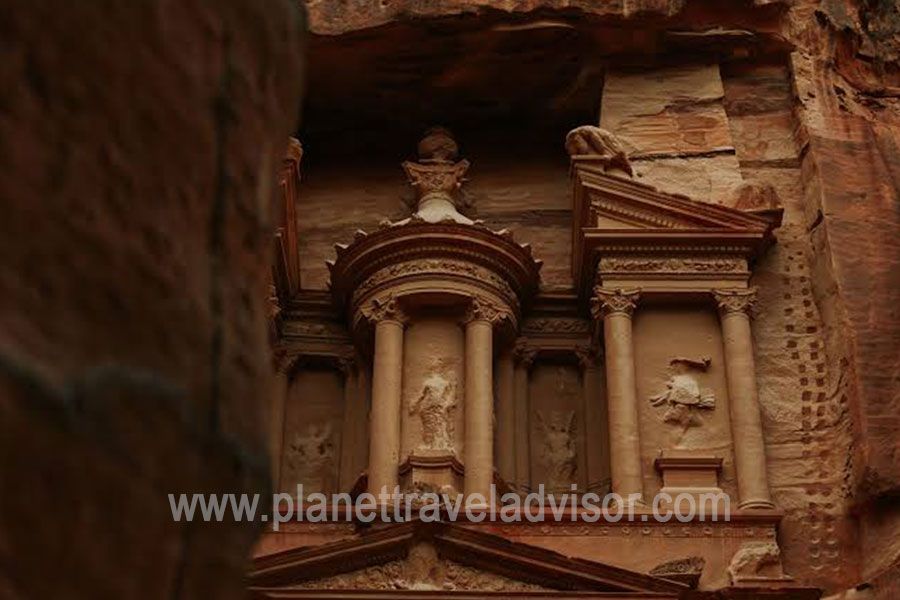
Petra Monastery and the Treasury are two of Petra's most recognizable rock-cut monuments, but they offer noticeably different visitor experiences.
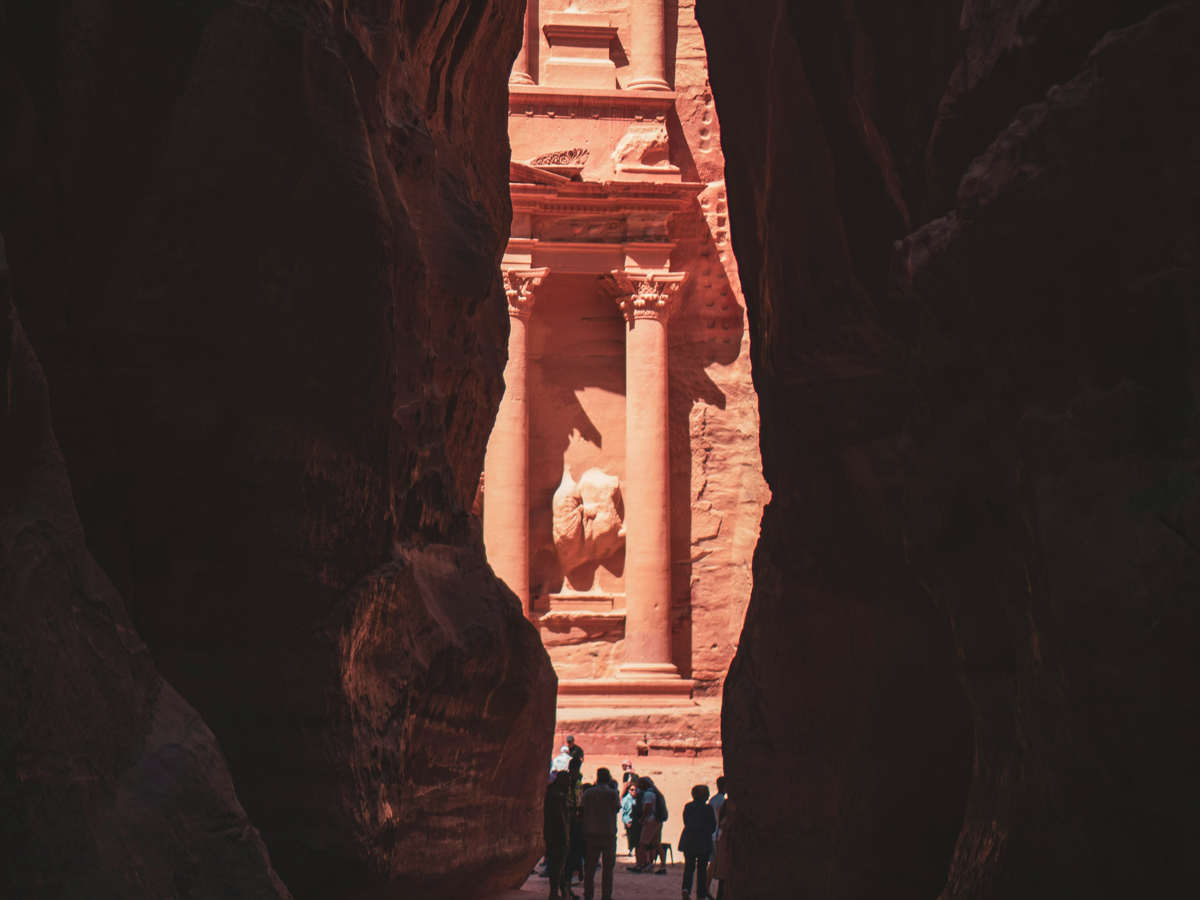
The Treasury, known as Al Khazneh, stands near the end of the Siq and is usually the first major monument encountered by travelers entering Petra.
Its facade rises approximately 39.5 meters and features elaborate sculptural decorations influenced by classical architectural traditions. Archaeologists generally associate it with a funerary purpose, potentially dating to the reign of King Aretas IV.
The Monastery is larger, measuring approximately 48 meters in height. Its architectural decoration is simpler, and its original function appears to have involved religious or ceremonial gatherings.
The practical difference is accessibility.
Reaching the Treasury requires walking along Petra's main entrance route, while reaching the Monastery from the archaeological center involves an additional climb of approximately 800 steps.
The Treasury is therefore easier to include on a short visit, while the Monastery rewards travelers prepared for a longer and more physically demanding day.
If you have only a few hours in Petra, prioritize the Treasury, Siq, and nearby historical monuments.
If you have a full day and sufficient hiking ability, visiting both landmarks provides a much broader understanding of Petra's architectural achievements and surrounding landscape.
Petra Monastery is more than a spectacular sandstone facade. Its Nabataean history, religious associations, monumental architecture, and dramatic mountain setting make it one of the most rewarding sites within Petra Archaeological Park.
For most first-time visitors, the traditional route through the Siq and Treasury provides the most complete introduction to Petra before the Monastery ascent. Travelers looking for a different hiking experience may prefer the back trail from Little Petra.
Whichever route you choose, allow enough time, prepare for the terrain, and plan around daylight and seasonal opening hours.
If Petra is part of a longer journey, explore Jordan tours to connect the ancient city with other destinations across the country.
A curated list of the most popular travel packages based on different destinations.
Plan your trip with this Amman travel guide covering top sights, food, neighborhoods, transport, day trips, where to stay, and practical visitor tips.
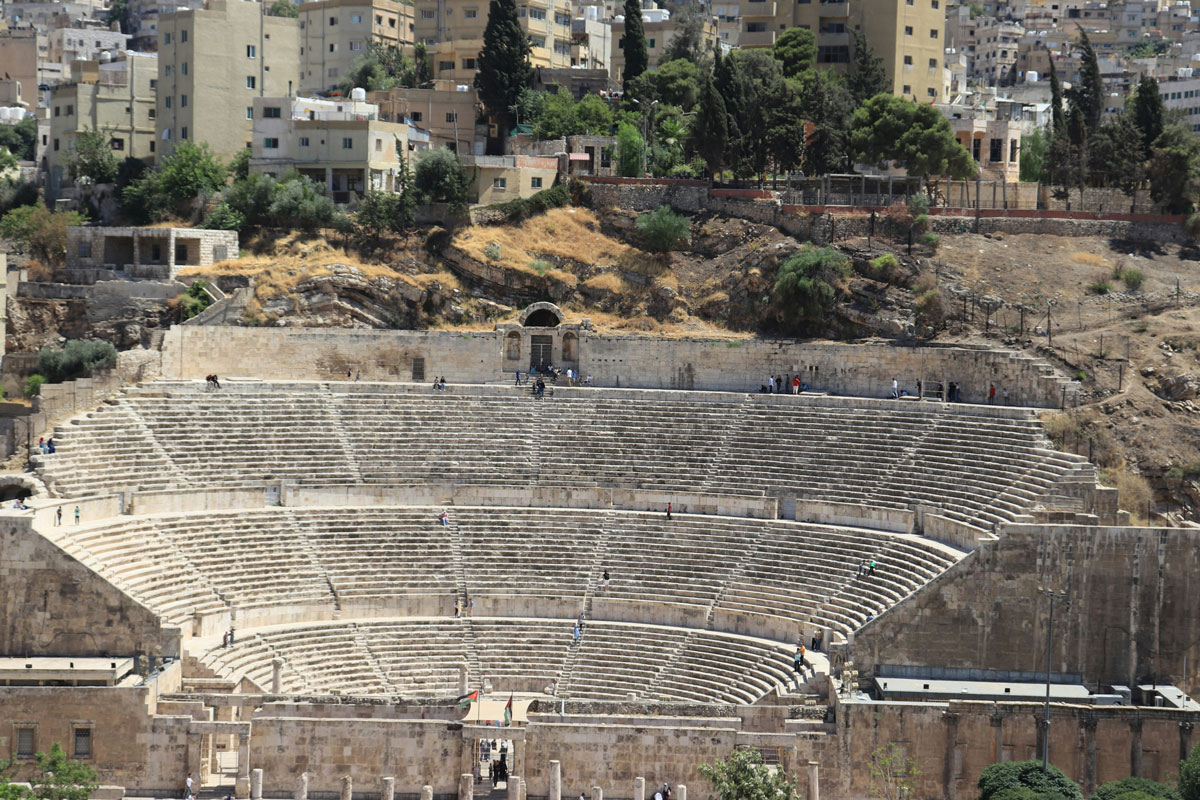
Plan your Amman Roman Theatre visit with current ticket prices, opening hours, Jordan Pass details, history, nearby sights, and practical travel tips.
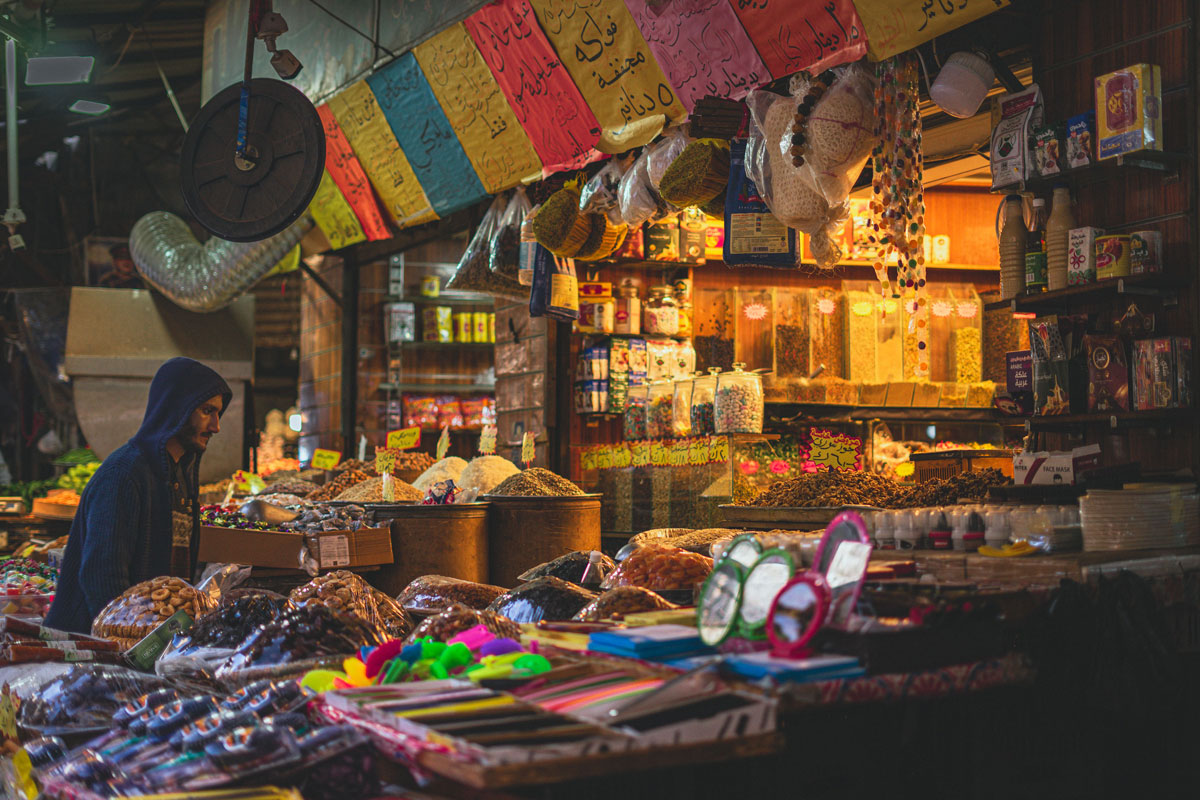
Explore the best souqs in Amman, from Al-Balad and the Gold Souq to Souq Jara, with shopping tips, souvenirs, timing, and nearby sights.
Explore Siq Petra, its Nabataean water system, ancient carvings, Treasury walk, history, opening hours, tickets, photography tips, and visitor advice.
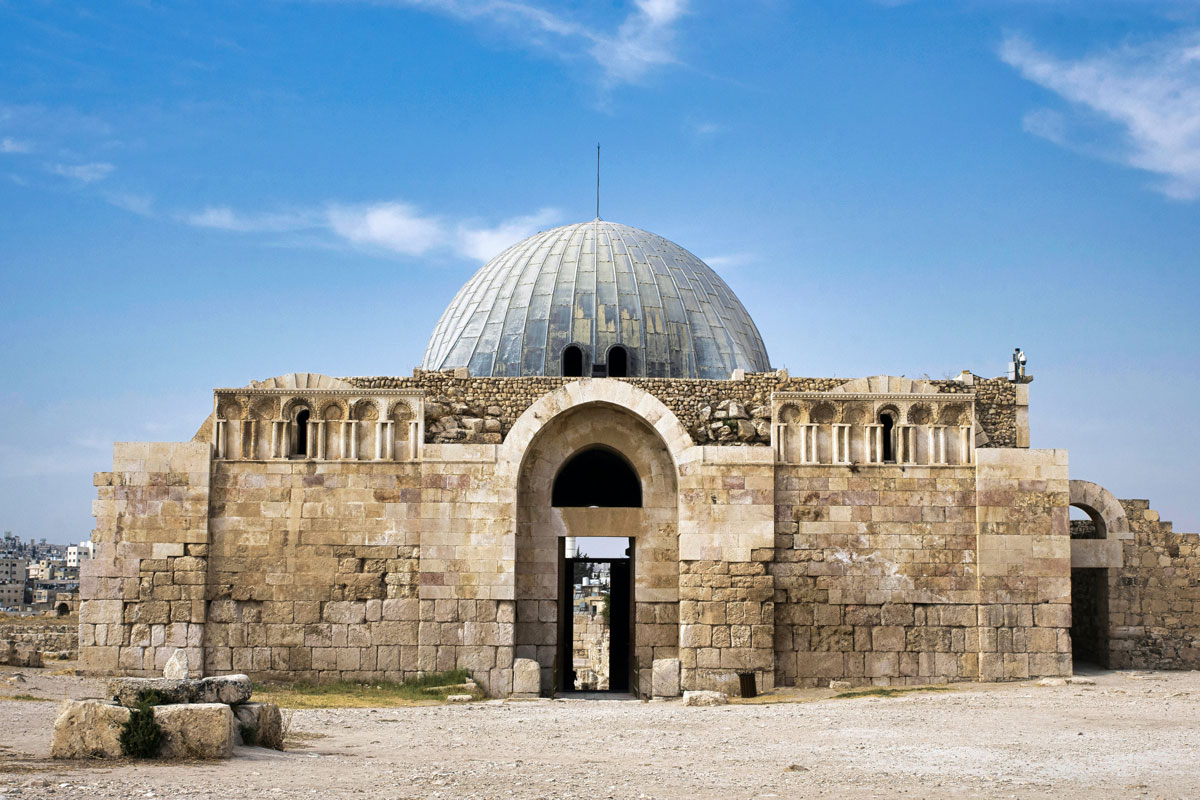
Explore Amman Citadel with practical tips on history, top sights, tickets, opening hours, Jordan Pass access, timing, transport, and nearby attractions.
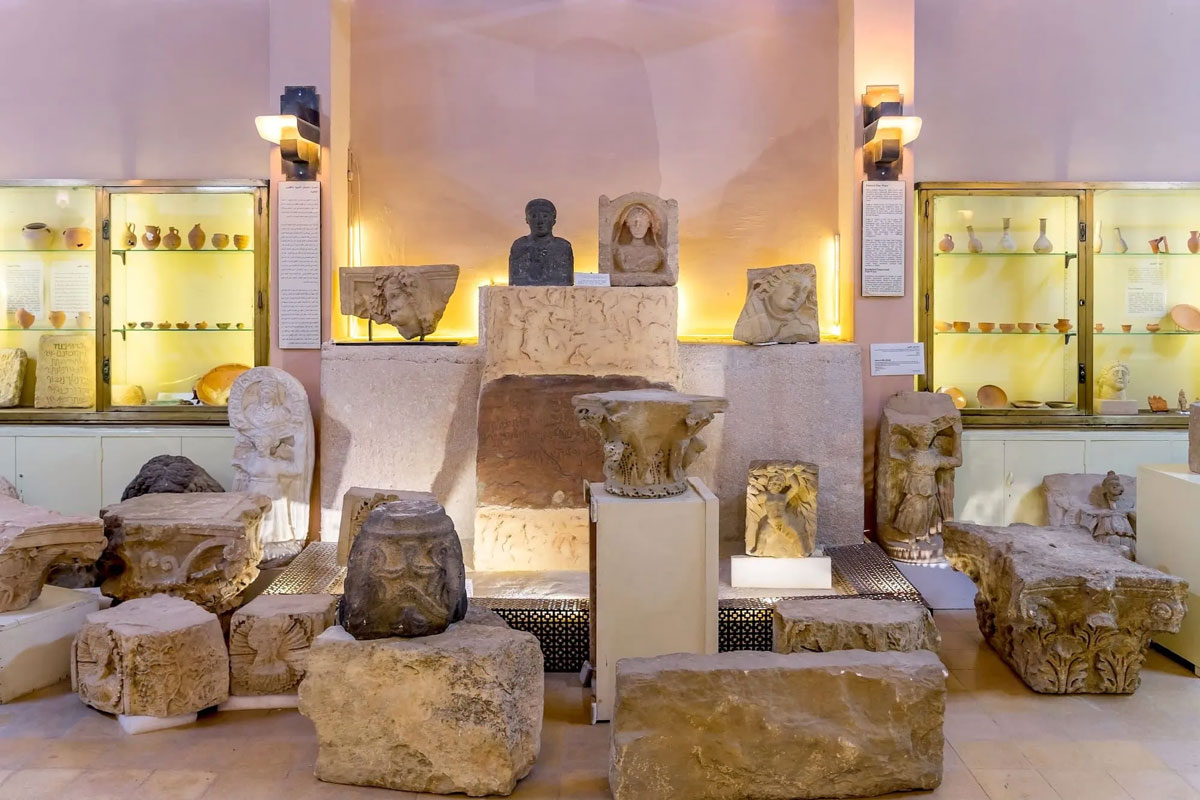
Explore the Jordan Archaeological Museum in Amman, including top artifacts, tickets, Jordan Pass, opening hours, Citadel tips, and visitor advice.
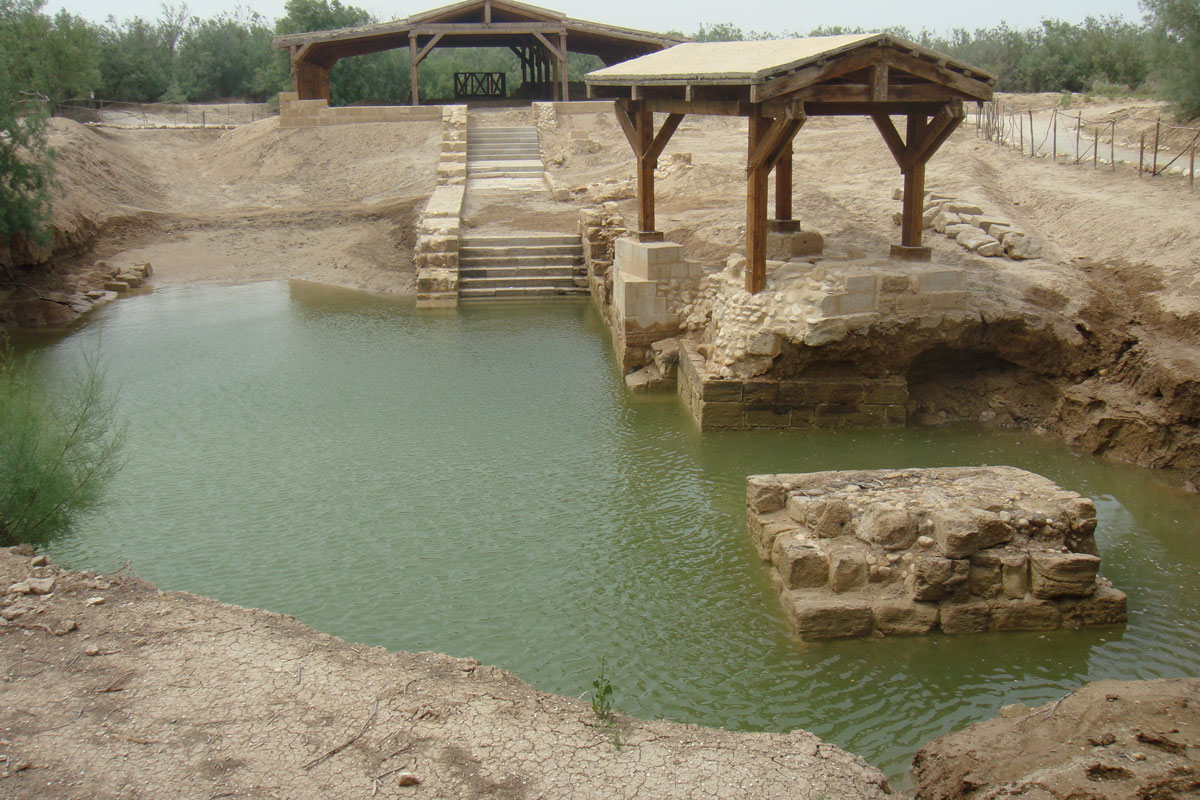
Plan your visit to the Baptism Site in Jordan with its biblical history, archaeology, tickets, opening hours, Jordan Pass details, and nearby stops.
Plan your Dead Sea Jordan visit with tips on floating, beaches, resorts, transport, best times, safety, nearby attractions, and how long to stay.
Explore Downtown Amman with tips on the Roman Theatre, souks, local food, walking routes, the Citadel, safety, transport, and the best time to visit.
Plan your visit to Hadrian’s Arch Jerash with its history, architecture, tickets, opening hours, Jordan Pass details, nearby sites, and travel tips.
Plan your first visit to Jerash Jordan with the best ruins to see, walking route, tickets, Jordan Pass details, opening hours, timing, and travel tips.
Explore the best Jordan Valley attractions and things to do, from ancient Pella and the Jordan River to the Dead Sea, with practical tips for planning your visit.
We go beyond just booking trips—we create unforgettable travel experiences that match your dreams!


Everything about this package felt thoughtfully planned. We booked the "4 Days Gallipoli, Troy, Pergamum, Ephesus & Pamukkale Tour" package and were impressed by how professionally everything was arranged. The itinerary gave us enough time to enjoy Ephesus, Pamukkale, Gallipoli, Troy, and Pergamum without feeling rushed, and all transfers and day tours ran on time. The communication before arrival was clear and helpful, which made planning much easier. What we appreciated most was the balance between guided sightseeing and free time, so the whole trip felt comfortable and enjoyable. If you are looking for a reliable way to explore Turkey, this is a great option. The guides, transfers, and pacing all worked together perfectly.
This trip exceeded all our expectations. We booked the "Discover Turkey in 6 Days from Istanbul to Ephesus" package and were impressed by how professionally everything was arranged. The itinerary gave us enough time to enjoy Istanbul and Ephesus without feeling rushed, and all transfers and day tours ran on time. The communication before arrival was clear and helpful, which made planning much easier. What we appreciated most was the balance between guided sightseeing and free time, so the whole trip felt comfortable and enjoyable. If you are looking for a reliable way to explore Turkey, this is a great option. We would absolutely recommend it to anyone visiting this destination.
One of the smoothest tours we have ever booked. We booked the "9 Days Angkor and Mekong Expeditions Package" package and were impressed by how professionally everything was arranged. The itinerary gave us enough time to enjoy the Mekong and Angkor without feeling rushed, and all transfers and day tours ran on time. The communication before arrival was clear and helpful, which made planning much easier. What we appreciated most was the balance between guided sightseeing and free time, so the whole trip felt comfortable and enjoyable. If you are looking for a reliable way to explore Vietnam, this is a great option. It was the perfect mix of sightseeing, comfort, and great logistics.
A beautifully organized journey from start to finish. We booked the "5 Days Trip through Istanbul, Gallipoli, and Troy" package and were impressed by how professionally everything was arranged. The itinerary gave us enough time to enjoy Istanbul, Gallipoli, and Troy without feeling rushed, and all transfers and day tours ran on time. The communication before arrival was clear and helpful, which made planning much easier. What we appreciated most was the balance between guided sightseeing and free time, so the whole trip felt comfortable and enjoyable. If you are looking for a reliable way to explore Turkey, this is a great option. The itinerary was well balanced and never felt rushed.
Everything about this package felt thoughtfully planned. We booked the "15 Days Cambodia Grand Tour" package and were impressed by how professionally everything was arranged. The itinerary gave us enough time to enjoy Cambodia without feeling rushed, and all transfers and day tours ran on time. The communication before arrival was clear and helpful, which made planning much easier. What we appreciated most was the balance between guided sightseeing and free time, so the whole trip felt comfortable and enjoyable. If you are looking for a reliable way to explore Cambodia, this is a great option. The guides, transfers, and pacing all worked together perfectly.











Comments (02)
Mr. Bowmik Haldar,
05 June, 2024Outstanding News & Insight! Thank you so much for sharing like this article
Jacoline Juie,
05 June, 2023However, here are some well-regarded car dealerships known for their customer service, inventory, and overall reputation. It's always a good idea to research and read reviews specific...
Leave Your Comment: