 Visit Turkey
 Visit Vietnam
 Visit Cambodia
 Visit Dubai
 Visit Jordan


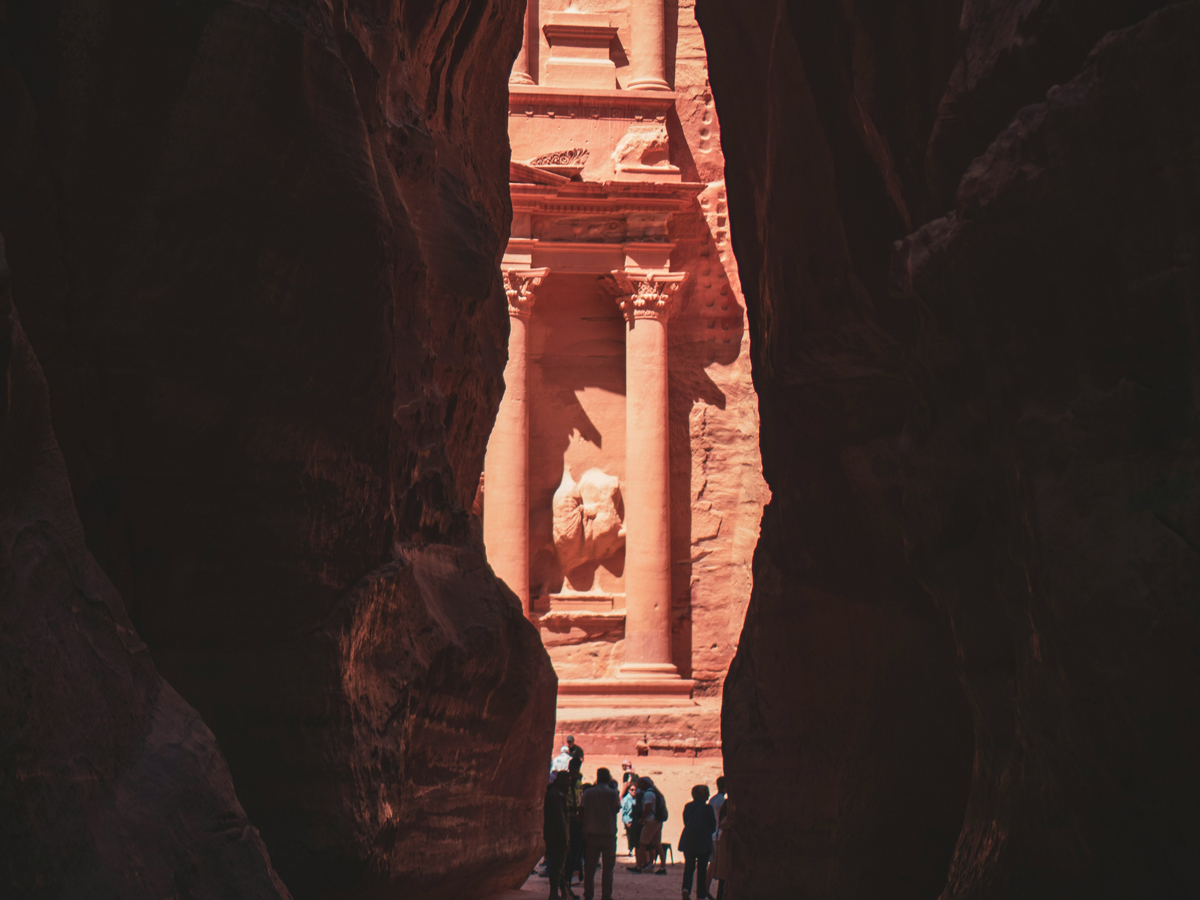
Siq Petra Guide for First-Time Visitors
Explore Siq Petra, its Nabataean water system, ancient carvings, Treasury walk, history, opening hours, tickets, photography tips, and visitor advice.



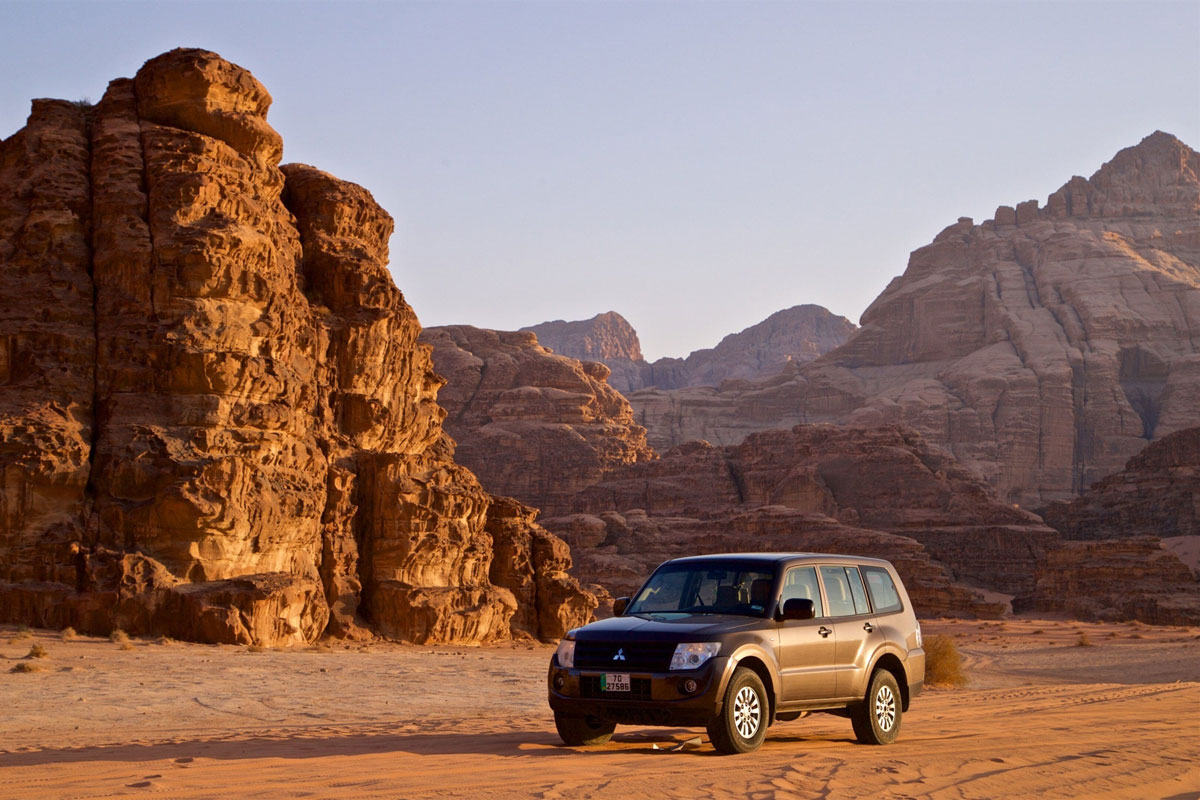
Wadi Rum is one of Jordan's most remarkable desert landscapes, where towering sandstone mountains rise above red sand dunes, narrow canyons reveal ancient inscriptions, and traditional Bedouin camps offer a peaceful escape from city life. Known as the Valley of the Moon, this protected desert has attracted explorers, filmmakers, and travelers interested in experiencing southern Jordan's natural beauty.
The best things to do in Wadi Rum include exploring famous rock formations, taking guided jeep tours, riding camels across the desert, and spending a night beneath the stars. The area is also recognized as a UNESCO World Heritage Site for its exceptional landscapes and archaeological heritage.
This guide covers the top Wadi Rum attractions, jeep tours, desert camping experiences, and accommodation options to help you choose how to spend your time in this extraordinary part of Jordan.
Exploring the desert is the main reason travelers visit Wadi Rum. The landscape changes constantly, with wide sandy valleys giving way to steep rock walls, secluded canyons, and elevated viewpoints. Most activities take place within the protected area, where local Bedouin guides help visitors navigate the terrain.
Camel riding is one of the most traditional ways to experience the desert. Short rides provide an introduction to camel trekking, while longer excursions allow travelers to explore quieter sections of the landscape at a slower pace. Early mornings and late afternoons are generally more comfortable than the midday heat.
Desert hiking offers a closer look at the sandstone formations and narrow passages that vehicles cannot always reach. Some walks involve relatively easy sandy paths, while others require scrambling over rocks or climbing steep slopes. Hiring an experienced local guide is advisable, particularly for longer routes.
For adventurous visitors, rock climbing and guided scrambling provide opportunities to explore Wadi Rum's dramatic mountain formations. Technical climbs should only be attempted with properly qualified guides and appropriate equipment. Travelers without climbing experience can still enjoy shorter walks to accessible viewpoints.
Photography is another rewarding activity. The desert looks different throughout the day as sunlight moves across the rock faces. Early morning light creates long shadows, while sunset brings warmer colors to the sand and mountains. A guided excursion can help photographers reach suitable viewpoints without crossing unfamiliar terrain.
Wadi Rum is also well suited to travelers interested in Bedouin culture. Some tours and camps offer opportunities to share traditional tea, learn about desert customs, or enjoy meals prepared using local cooking methods. These experiences are most meaningful when hosted by local communities and approached with respect for their traditions.
After sunset, the desert becomes a popular place for stargazing. Away from heavily illuminated areas, clear nights can provide excellent views of the stars. The experience depends on cloud cover, moonlight, and nearby artificial lighting, so a remote camp and a moonless night are preferable for observing fainter stars.
If your visit is limited to a few hours, prioritize a guided jeep excursion and one or two short walks. With an overnight stay, you can enjoy the desert at a more relaxed pace and experience its atmosphere after the daytime visitors have departed.
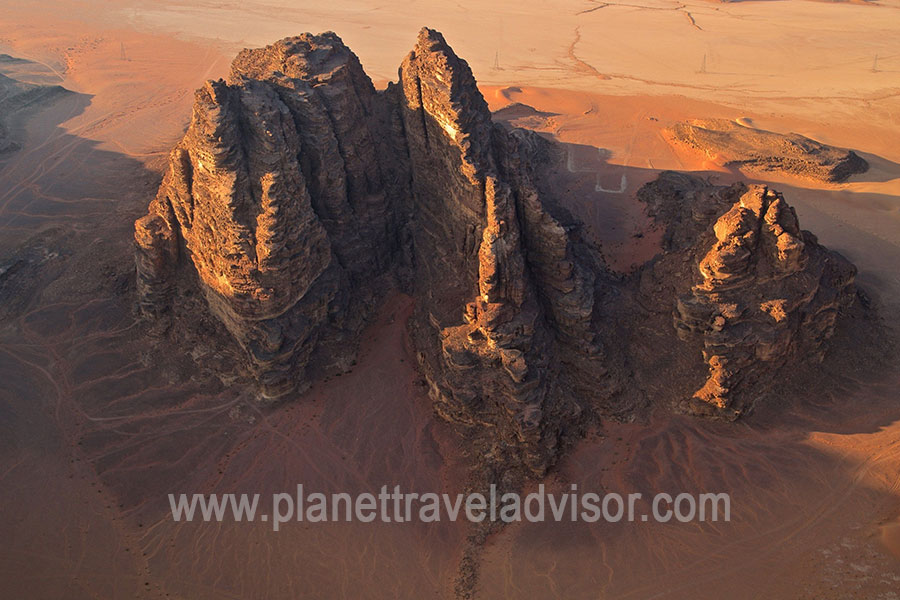
Wadi Rum's attractions are spread across a vast desert landscape rather than concentrated around a single monument. Many of the best-known sites are natural formations, although several also preserve evidence of the people who traveled through or inhabited the region thousands of years ago.
Khazali Canyon is one of the most interesting historical stops. This narrow sandstone passage contains ancient rock carvings and inscriptions, making it particularly appealing to travelers interested in archaeology. Visitors can explore accessible sections on foot, although conditions and safe access may vary.
Lawrence's Spring, also known as Ain Shellaleh, is associated with the story of T. E. Lawrence and the wider history of the region. The surrounding rocks offer elevated views across the desert. Reaching the viewpoint involves climbing uneven ground, so sturdy footwear is useful.
Umm Fruth Rock Bridge is a natural sandstone arch that frequently appears on jeep tour itineraries. Visitors can admire the formation from ground level, while some choose to scramble toward the bridge. The climb involves exposed rock and is unsuitable for anyone uncomfortable with heights or uncertain footing.
Burdah Rock Bridge offers a more challenging experience. Its elevated position makes it a destination for guided scrambling excursions rather than a casual sightseeing stop. Reaching the bridge requires more time, physical effort, and confidence on rocky terrain.
Jebel Umm ad Dami attracts experienced hikers looking for a mountain adventure. Routes toward the summit offer broad views of the surrounding desert and distant mountain ranges. Because it is a substantial excursion away from the usual short sightseeing circuit, visitors should arrange a suitable guide, transportation, and enough time.
The desert's ancient rock inscriptions are also worth seeking out. According to UNESCO, Wadi Rum contains approximately 25,000 petroglyphs and 20,000 inscriptions, documenting human activity and changing cultural traditions across thousands of years. The protected area was added to the UNESCO World Heritage List in 2011.
These archaeological features are fragile. Visitors should avoid touching inscriptions, scratching rock surfaces, or removing stones and artifacts. Staying on established routes and following local guidance helps protect a landscape that is both a natural destination and an important historical record.
Travelers do not need to visit every attraction to appreciate Wadi Rum. A shorter excursion can include Khazali Canyon, Lawrence's Spring, and a rock bridge, while a longer guided trip provides more time for remote locations, hiking, and photography.
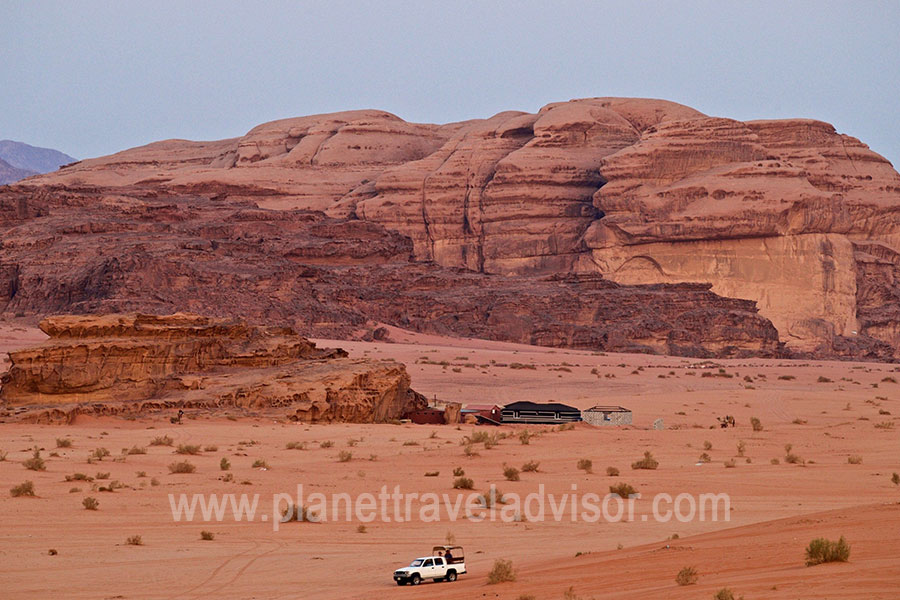
A guided jeep tour is one of the easiest ways to discover Wadi Rum's main attractions without spending hours walking between them. Local Bedouin drivers use four-wheel-drive vehicles to navigate sandy valleys, rocky tracks, and remote areas that are difficult to reach in ordinary cars.
Most jeep tours combine sightseeing with short walks and photography stops. Depending on the route, travelers may visit Khazali Canyon, red sand dunes, natural rock bridges, and scenic viewpoints. Some excursions also include Bedouin tea, lunch, or time to watch the sunset.
Choosing the right tour depends mainly on how much time you have and how deeply you want to explore.
| Tour Type | Best For | Typical Experience |
|---|---|---|
| 2-hour jeep tour | Short visits | A few accessible landmarks and desert viewpoints |
| 4-hour jeep tour | First-time visitors | Main attractions, short walks, and photography |
| 6-hour jeep tour | Travelers wanting more variety | Additional desert stops and a more relaxed pace |
| Full-day jeep tour | Adventure and photography enthusiasts | Extended exploration, with lunch and remote stops on some routes |
A four-hour tour provides a useful balance for many first-time visitors. It allows time to see several well-known attractions without committing an entire day. Travelers who enjoy hiking, photography, or quieter desert landscapes may prefer a longer excursion.
How much do Wadi Rum jeep tours cost?
Prices depend on the operator, duration, number of passengers, and included services. For example, one local operator has advertised a four-hour tour at 40 Jordanian dinars per person for groups of two to four, with a lower per-person rate for larger groups. This is an operator-specific published example, not a standard or guaranteed current fee across Wadi Rum.
Before booking, confirm whether the quoted price includes transportation, a guide, drinking water, meals, and any additional activities. Also check whether the amount is charged per person or per vehicle.
It is worth asking about the type of vehicle and whether passengers travel in an open or covered section. Desert tracks can be bumpy, and travelers with back problems, mobility limitations, or young children may need a more suitable arrangement.
Planning your arrival
Most visitors reach Wadi Rum by road from Petra, Aqaba, or Amman. If you are traveling from Petra, the drive to the Wadi Rum area generally takes about 1.5–2 hours, depending on the exact departure and arrival points.
The Wadi Rum Visitor Center handles protected-area entry arrangements, while many tours and camp transfers begin from Wadi Rum Village or an agreed meeting point. Confirm your operator's pickup location before arriving, as the visitor center and village are not the same place.
The Jordanian Ministry of Tourism lists the regular Wadi Rum entrance fee for foreign visitors as 5 JOD. Admission is included with the eligible Jordan Pass, but guided activities and accommodation must be arranged separately. Check current entry conditions before visiting.
Travelers planning to combine a desert excursion with Petra, Aqaba, and other destinations may find organized Jordan tours useful for coordinating transfers and activities within a broader itinerary.
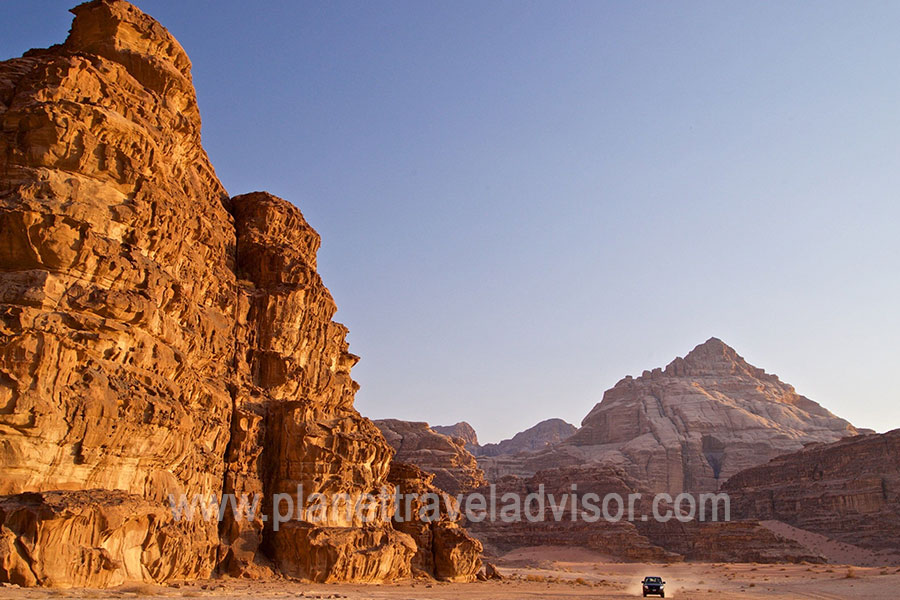
Spending a night in Wadi Rum allows visitors to experience a different side of the desert. Once the afternoon excursions finish, the landscape becomes quieter, the temperature begins to fall, and the mountains gradually disappear into the evening darkness.
For many travelers, overnight camping is as memorable as visiting the main attractions.
Traditional Bedouin-style camps commonly provide tent accommodation, shared dining areas, and opportunities to experience local hospitality. Some are relatively simple, while others include private bathrooms, comfortable beds, electricity, and modern facilities.
Evening meals are an important part of the camping experience. Certain camps serve zarb, a traditional Bedouin meal in which meat and vegetables are cooked in an underground oven. Dinner arrangements vary, so visitors should check whether meals are included in their booking.
After dinner, travelers can spend time outside watching the stars or enjoying the quiet desert surroundings. Wadi Rum is particularly appealing for astronomy enthusiasts because parts of the protected area are far from major urban lighting. Jordan's official tourism website also highlights organized stargazing experiences that can be arranged through local providers.
However, star visibility is not guaranteed. A bright moon, clouds, dust, or lights around the camp can reduce what is visible. Travelers interested primarily in astronomy should consider the lunar calendar when selecting their dates.
What should you expect from desert camping?
Comfort levels vary considerably. Basic camps may use shared bathrooms and simpler sleeping arrangements, while luxury properties can offer private bathrooms and climate-controlled accommodation.
Temperatures are another important consideration. During winter, nights can become very cold, even when daytime sightseeing feels comfortable. Summer brings the opposite challenge, with intense afternoon heat that can make poorly ventilated tents uncomfortable.
Spring and autumn generally offer more comfortable conditions for overnight desert trips, although nights can still be cool.
Pack comfortable clothing, sturdy shoes, sunscreen, a reusable water bottle, and a warm layer. In winter, confirm that your accommodation has suitable heating and bedding.
A flashlight or headlamp is useful when walking between tents after dark. It is also sensible to download important booking details before arriving, as mobile coverage and internet reliability vary across the desert.
Travelers who have enough time should consider staying for at least one night rather than returning immediately after a jeep tour. The opportunity to watch sunset and sunrise adds considerably to the experience.
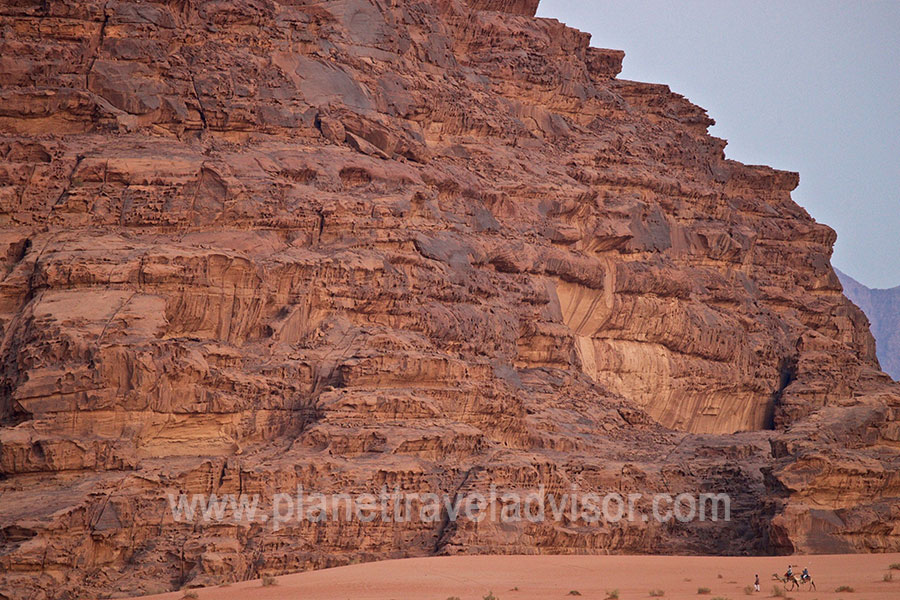
Choosing where to stay in Wadi Rum involves more than comparing accommodation prices. The type of camp, its location, available facilities, and included transfers can all affect your experience.
Accommodation ranges from traditional Bedouin-style tents to luxury desert domes designed for travelers who prefer greater comfort.
Traditional Bedouin camps are a suitable choice for visitors seeking a simpler desert experience. They generally provide sleeping accommodation, meals, and communal spaces where guests can relax after sightseeing. Facilities differ between operators, so it is worth checking whether bathrooms are private or shared.
Luxury desert camps appeal to travelers who want the surrounding scenery without sacrificing familiar hotel comforts. Depending on the property, these camps may offer private bathrooms, heating, air conditioning, and more spacious accommodation.
Bubble tents and panoramic domes are another distinctive option. Their large windows or transparent sections are designed to provide views of the surrounding desert and, in some cases, the night sky. However, travelers should not assume every dome has uninterrupted views or complete privacy. Design and placement vary considerably.
Accommodation in or around Wadi Rum Village may suit travelers who prioritize easier road access or prefer not to sleep deep within the protected desert. The trade-off is that the village setting can feel different from a remote desert camp.
When comparing accommodation, consider the following:
These questions are particularly important because accommodation listings may use the name Wadi Rum even when properties are situated in different parts of the surrounding desert region.
For couples, a comfortable camp with a good sunset viewpoint may be more appealing than a property offering numerous activities. Families may prioritize private bathrooms, suitable bedding, and clear transportation arrangements. Independent travelers on a smaller budget may prefer a simpler camp that combines accommodation with a shared excursion.
How long should you stay?
One night is enough to experience a sunset, a traditional dinner, a night in the desert, and a morning excursion. Two nights provide greater flexibility for hiking, photography, longer jeep tours, and relaxation.
A practical one-night visit could begin with an afternoon arrival and guided desert tour, followed by sunset and dinner at camp. The following morning can be spent watching sunrise, having breakfast, and continuing toward Petra or Aqaba.
Travelers planning a longer Jordan itinerary can explore Jordan tours to see ways of combining Wadi Rum accommodation and desert activities with the country's other major destinations.
Wadi Rum is more than a collection of desert viewpoints. Its dramatic rock formations, ancient inscriptions, guided adventures, and Bedouin camping experiences create a destination that rewards both short visits and longer stays.
For first-time visitors, a guided jeep tour covering the main attractions is an excellent introduction. Adding an overnight stay provides the opportunity to enjoy sunset, traditional food, and the peaceful atmosphere of the desert after dark.
The most important planning decisions are choosing the right tour duration, confirming your camp's location and facilities, and visiting during a season that suits your preferred activities.
If Wadi Rum forms part of a longer journey, consider combining it with Petra and Aqaba through carefully planned Jordan itineraries that connect the country's desert landscapes, historical attractions, and cultural experiences.
A curated list of the most popular travel packages based on different destinations.
Explore Siq Petra, its Nabataean water system, ancient carvings, Treasury walk, history, opening hours, tickets, photography tips, and visitor advice.
Plan your trip with this Amman travel guide covering top sights, food, neighborhoods, transport, day trips, where to stay, and practical visitor tips.
Explore Amman Citadel with practical tips on history, top sights, tickets, opening hours, Jordan Pass access, timing, transport, and nearby attractions.
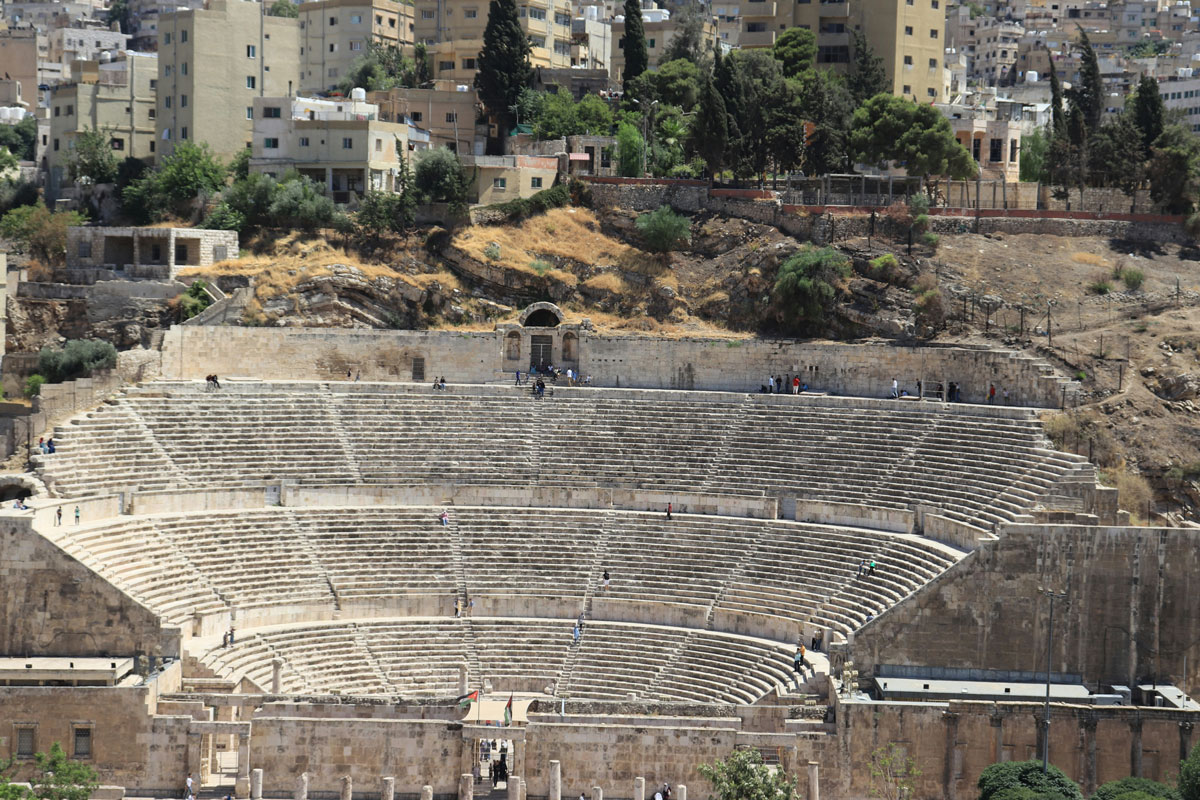
Plan your Amman Roman Theatre visit with current ticket prices, opening hours, Jordan Pass details, history, nearby sights, and practical travel tips.
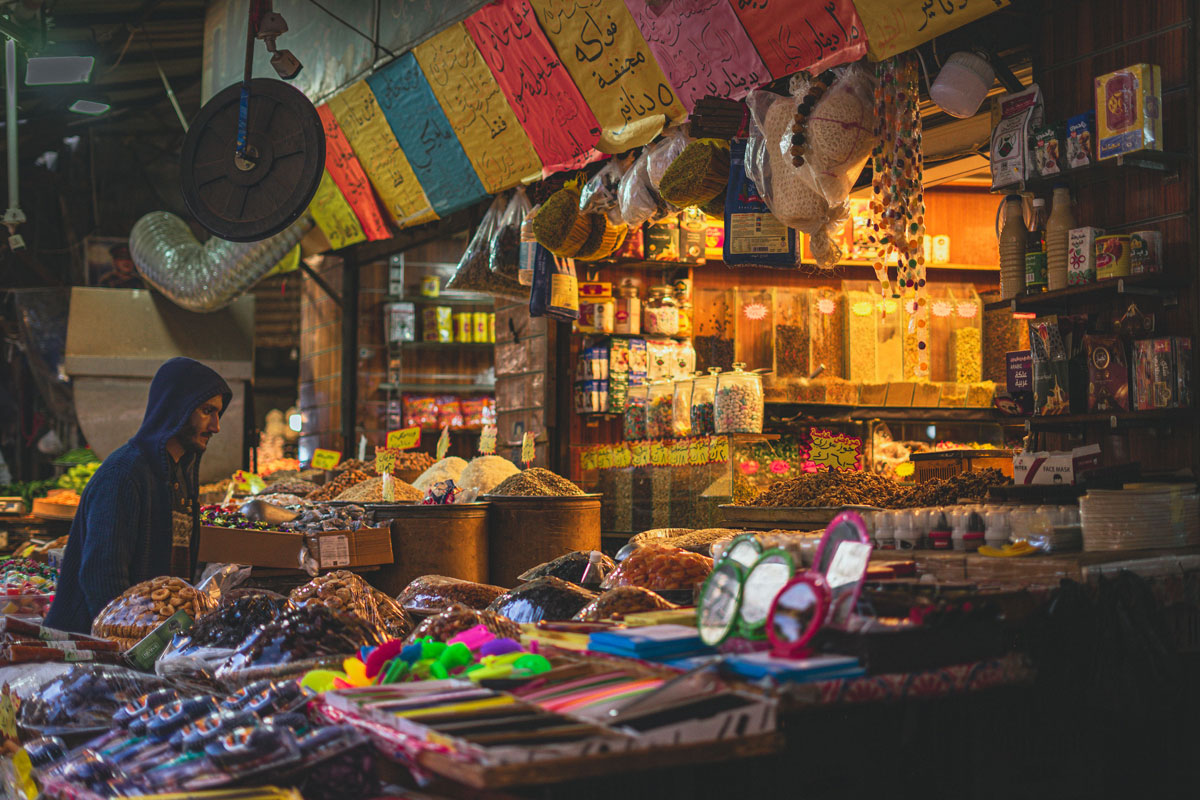
Explore the best souqs in Amman, from Al-Balad and the Gold Souq to Souq Jara, with shopping tips, souvenirs, timing, and nearby sights.
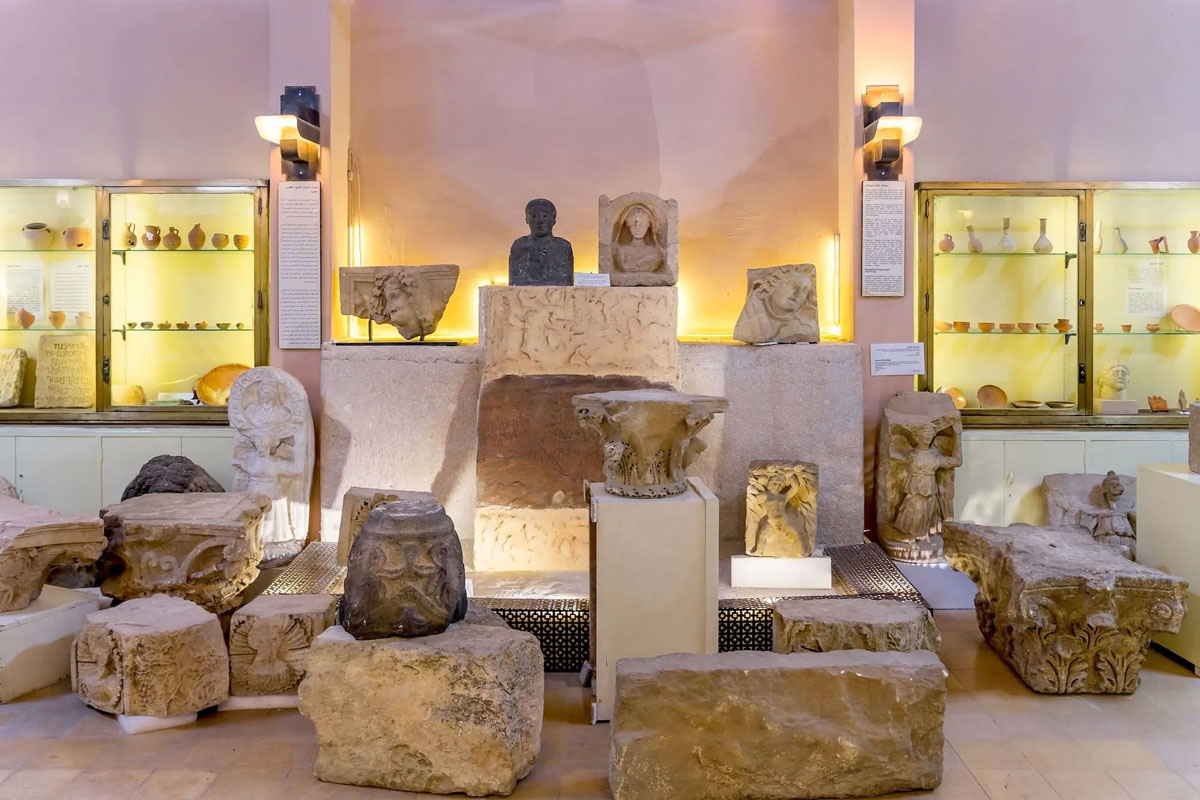
Explore the Jordan Archaeological Museum in Amman, including top artifacts, tickets, Jordan Pass, opening hours, Citadel tips, and visitor advice.
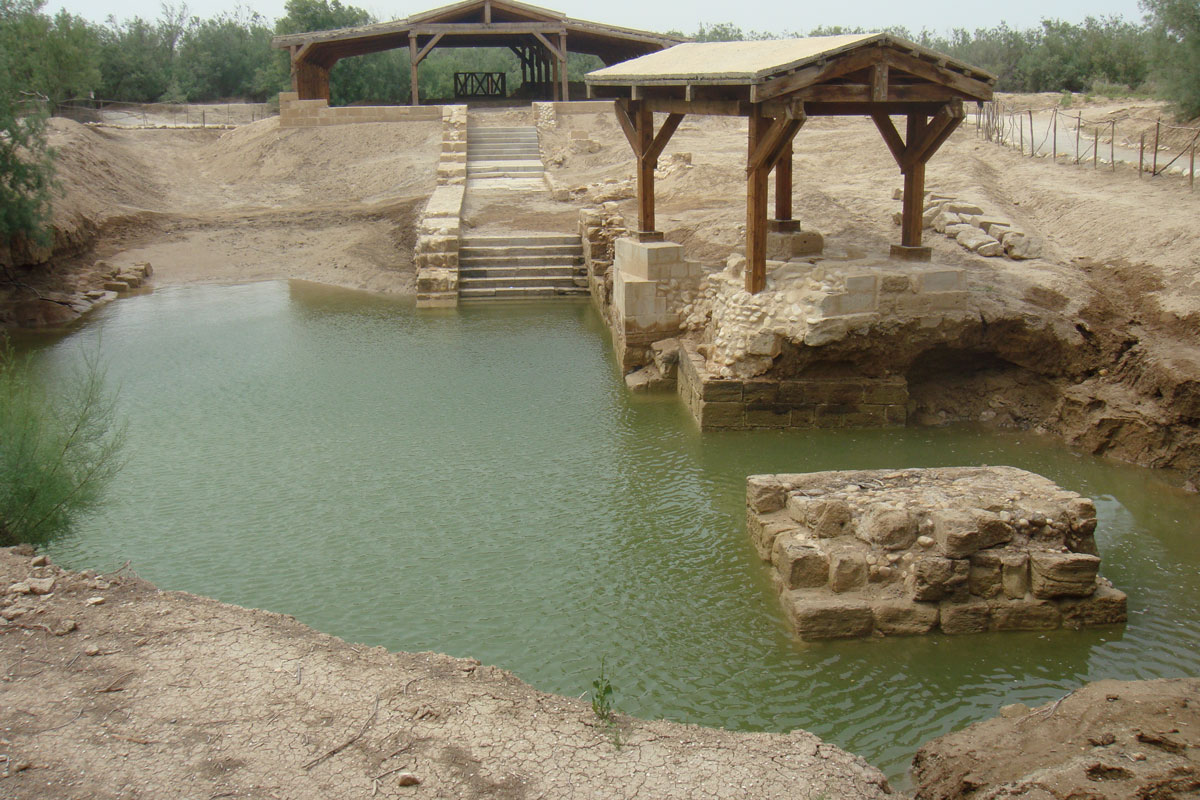
Plan your visit to the Baptism Site in Jordan with its biblical history, archaeology, tickets, opening hours, Jordan Pass details, and nearby stops.
Plan your Dead Sea Jordan visit with tips on floating, beaches, resorts, transport, best times, safety, nearby attractions, and how long to stay.
Explore Downtown Amman with tips on the Roman Theatre, souks, local food, walking routes, the Citadel, safety, transport, and the best time to visit.
Plan your visit to Hadrian’s Arch Jerash with its history, architecture, tickets, opening hours, Jordan Pass details, nearby sites, and travel tips.
Plan your first visit to Jerash Jordan with the best ruins to see, walking route, tickets, Jordan Pass details, opening hours, timing, and travel tips.
Explore the Jordan River's biblical history, where Jesus was baptized, how to visit from Amman, and the best nearby places to include on your Jordan trip.
We go beyond just booking trips—we create unforgettable travel experiences that match your dreams!


We loved how easy and enjoyable this entire experience was. We booked the "15 Days Egypt & Jordan Tour Package" package and were impressed by how professionally everything was arranged. The itinerary gave us enough time to enjoy Egypt and Jordan without feeling rushed, and all transfers and day tours ran on time. The communication before arrival was clear and helpful, which made planning much easier. What we appreciated most was the balance between guided sightseeing and free time, so the whole trip felt comfortable and enjoyable. If you are looking for a reliable way to explore Jordan, this is a great option. We came home with amazing memories and would book again.
One of the smoothest tours we have ever booked. We booked the "14 Days Vietnam to Cambodia Heritage Tour" package and were impressed by how professionally everything was arranged. The itinerary gave us enough time to enjoy Vietnam and Cambodia without feeling rushed, and all transfers and day tours ran on time. The communication before arrival was clear and helpful, which made planning much easier. What we appreciated most was the balance between guided sightseeing and free time, so the whole trip felt comfortable and enjoyable. If you are looking for a reliable way to explore Vietnam, this is a great option. It was the perfect mix of sightseeing, comfort, and great logistics.
A beautifully organized journey from start to finish. We booked the "Explore Turkey in 9 Days from Ephesus to Cappadocia" package and were impressed by how professionally everything was arranged. The itinerary gave us enough time to enjoy Cappadocia and Ephesus without feeling rushed, and all transfers and day tours ran on time. The communication before arrival was clear and helpful, which made planning much easier. What we appreciated most was the balance between guided sightseeing and free time, so the whole trip felt comfortable and enjoyable. If you are looking for a reliable way to explore Turkey, this is a great option. The itinerary was well balanced and never felt rushed.
Everything about this package felt thoughtfully planned. We booked the "Explore Turkey in 7 Days Istanbul to Cappadocia" package and were impressed by how professionally everything was arranged. The itinerary gave us enough time to enjoy Istanbul and Cappadocia without feeling rushed, and all transfers and day tours ran on time. The communication before arrival was clear and helpful, which made planning much easier. What we appreciated most was the balance between guided sightseeing and free time, so the whole trip felt comfortable and enjoyable. If you are looking for a reliable way to explore Turkey, this is a great option. The guides, transfers, and pacing all worked together perfectly.
Everything about this package felt thoughtfully planned. We booked the "15 Days Cambodia Grand Tour" package and were impressed by how professionally everything was arranged. The itinerary gave us enough time to enjoy Cambodia without feeling rushed, and all transfers and day tours ran on time. The communication before arrival was clear and helpful, which made planning much easier. What we appreciated most was the balance between guided sightseeing and free time, so the whole trip felt comfortable and enjoyable. If you are looking for a reliable way to explore Cambodia, this is a great option. The guides, transfers, and pacing all worked together perfectly.











Comments (02)
Mr. Bowmik Haldar,
05 June, 2024Outstanding News & Insight! Thank you so much for sharing like this article
Jacoline Juie,
05 June, 2023However, here are some well-regarded car dealerships known for their customer service, inventory, and overall reputation. It's always a good idea to research and read reviews specific...
Leave Your Comment: