 Visit Turkey
 Visit Vietnam
 Visit Cambodia
 Visit Dubai
 Visit Jordan


Siq Petra Guide for First-Time Visitors
Explore Siq Petra, its Nabataean water system, ancient carvings, Treasury walk, history, opening hours, tickets, photography tips, and visitor advice.



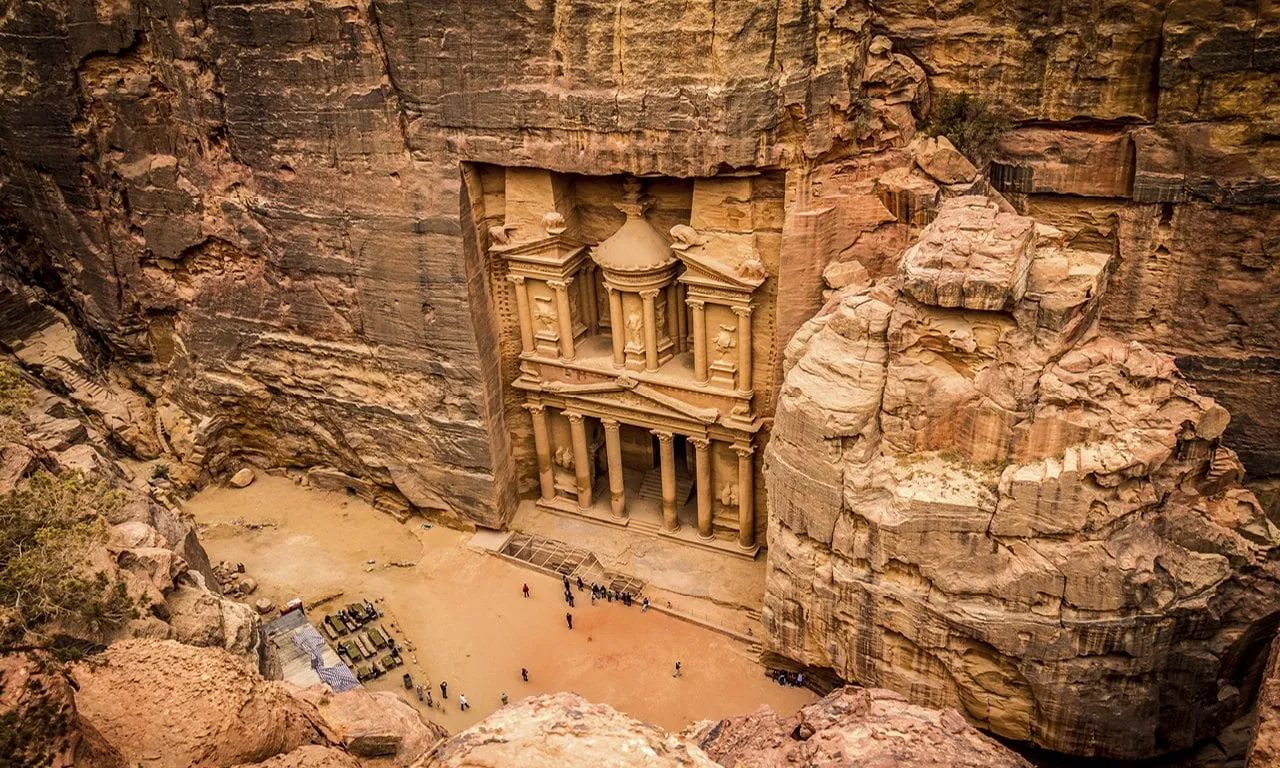
Petra is much larger than its famous Treasury. Beyond the narrow sandstone passage of the Siq lies an ancient city filled with monumental tombs, temples, Roman-era streets, and mountain trails that reveal the remarkable achievements of the Nabataeans.
Located in southern Jordan, Petra was once an important trading center connecting Arabia with the Mediterranean world. Today, its extraordinary rock-cut architecture and archaeological landscape attract travelers interested in history, culture, and outdoor exploration.
This Petra travel guide explains what makes the ancient city significant, which attractions deserve your time, and how to plan a visit around its extensive walking routes. It also covers entrance tickets, the Jordan Pass, transportation, accommodation, and practical advice for exploring Petra comfortably.
Petra developed into the capital of the Nabataean Kingdom, whose people established a prosperous trading network across the Arabian Peninsula and surrounding regions.
By the first centuries BC and AD, the city had become an important stopping point for caravans transporting incense, spices, textiles, and other valuable goods between Arabia, Egypt, Syria, and the Mediterranean.
The Nabataeans used their position along these trade routes to build a thriving commercial center. Their wealth supported the construction of elaborate tombs, religious sanctuaries, public buildings, and residential districts.
One of Petra's greatest achievements was its water-management system. Despite the surrounding arid landscape, the Nabataeans constructed channels, dams, cisterns, and reservoirs to collect and distribute water.
These engineering works helped sustain the city's population and protect parts of the settlement from seasonal flooding.
Petra's architecture also reflected its international connections. The monumental facades combine local Nabataean traditions with Hellenistic artistic influences, particularly visible in the columns, pediments, and decorative sculptures carved into the sandstone.
In AD 106, the Nabataean Kingdom was annexed by the Roman Empire. Petra continued to be occupied, but changing trade patterns and later historical developments gradually reduced its regional importance.
The city remained inhabited through subsequent periods, including the Byzantine era, when churches were constructed among its earlier monuments.
Petra became a UNESCO World Heritage Site in 1985, recognized for its remarkable architecture, archaeological remains, and sophisticated water-engineering systems.
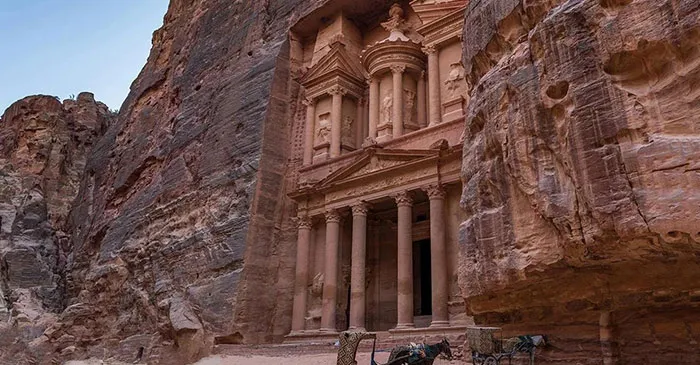
The Treasury may be Petra's most photographed monument, but the archaeological site contains far more than one remarkable facade.
These are the principal attractions worth understanding before planning your route.
1. Walk Through the Siq
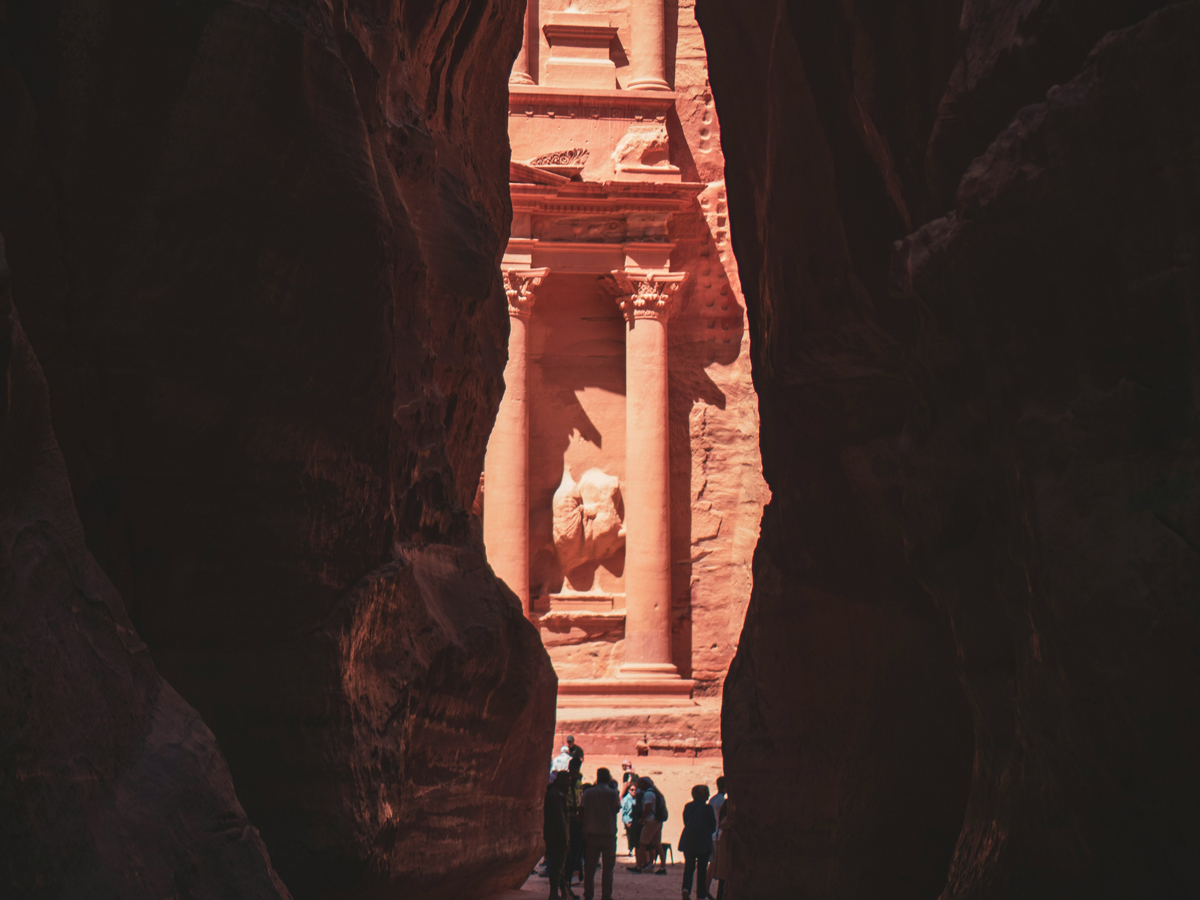
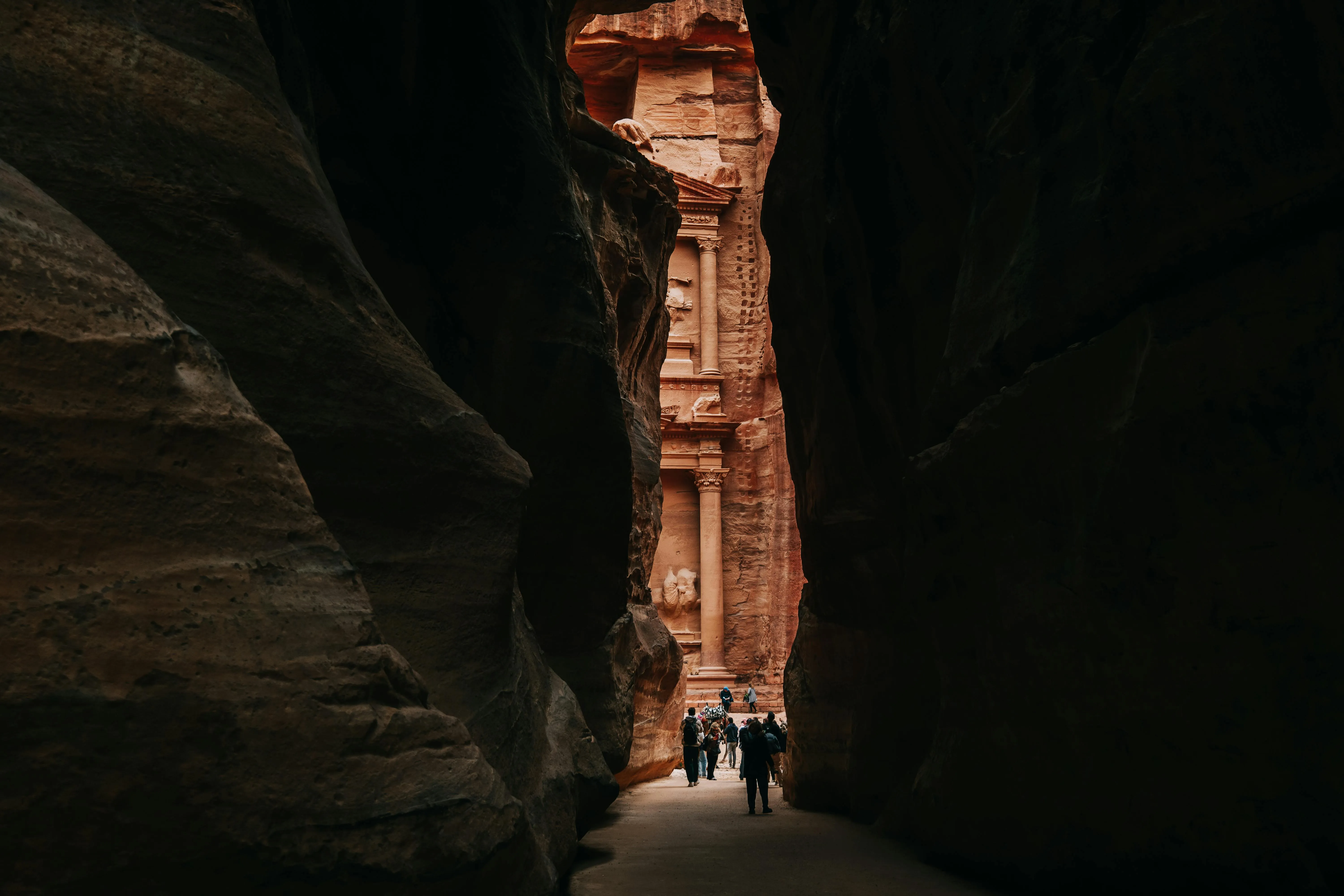
The Siq is the narrow natural gorge that forms Petra's most famous entrance. Extending for more than one kilometer, it winds between towering sandstone walls before opening onto the Treasury.
Along the route, look for ancient water channels, religious niches, and surviving sections of paving. They demonstrate that the Siq was not simply a dramatic entrance but an important part of Petra's infrastructure.
2. See Al-Khazneh, the Treasury
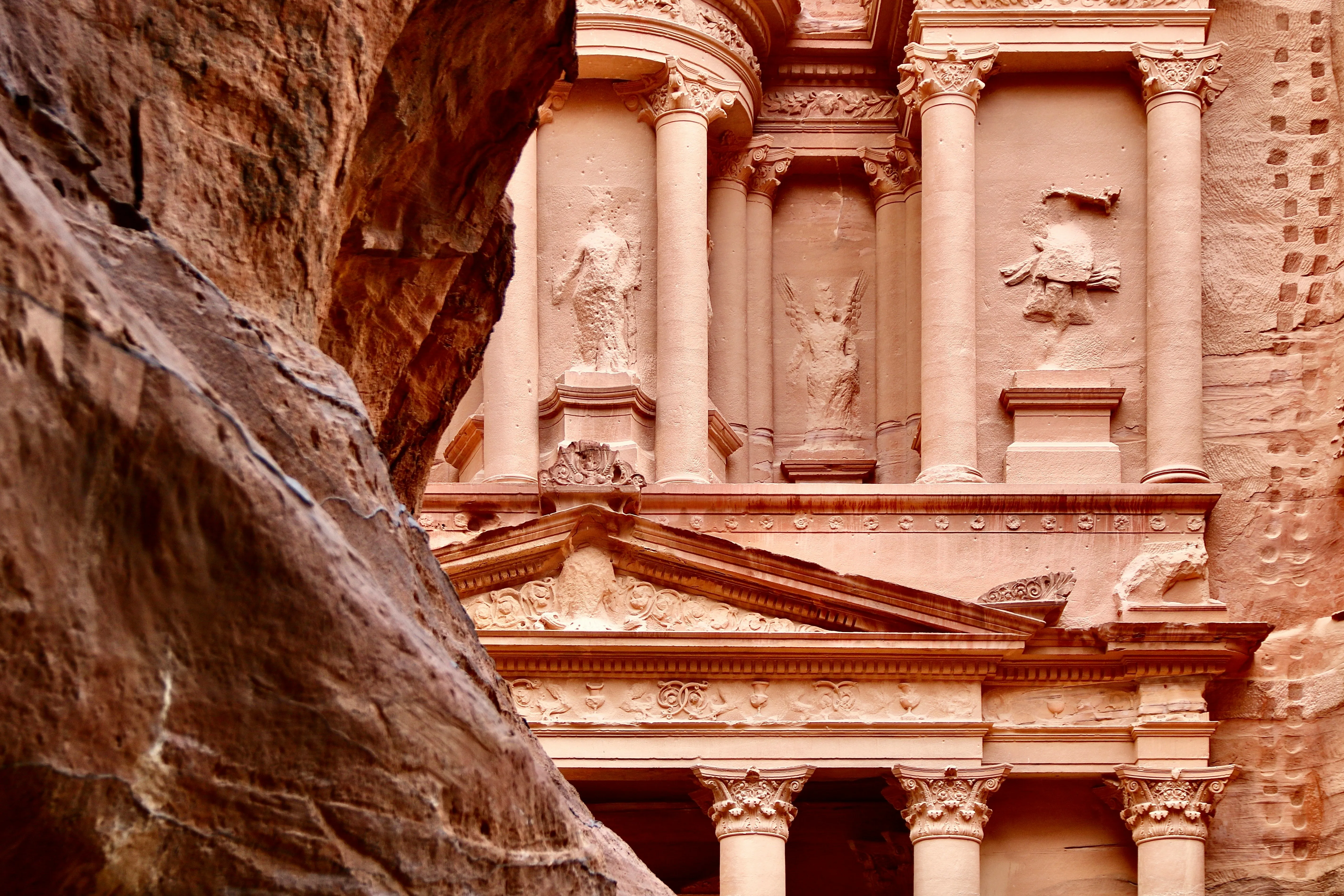
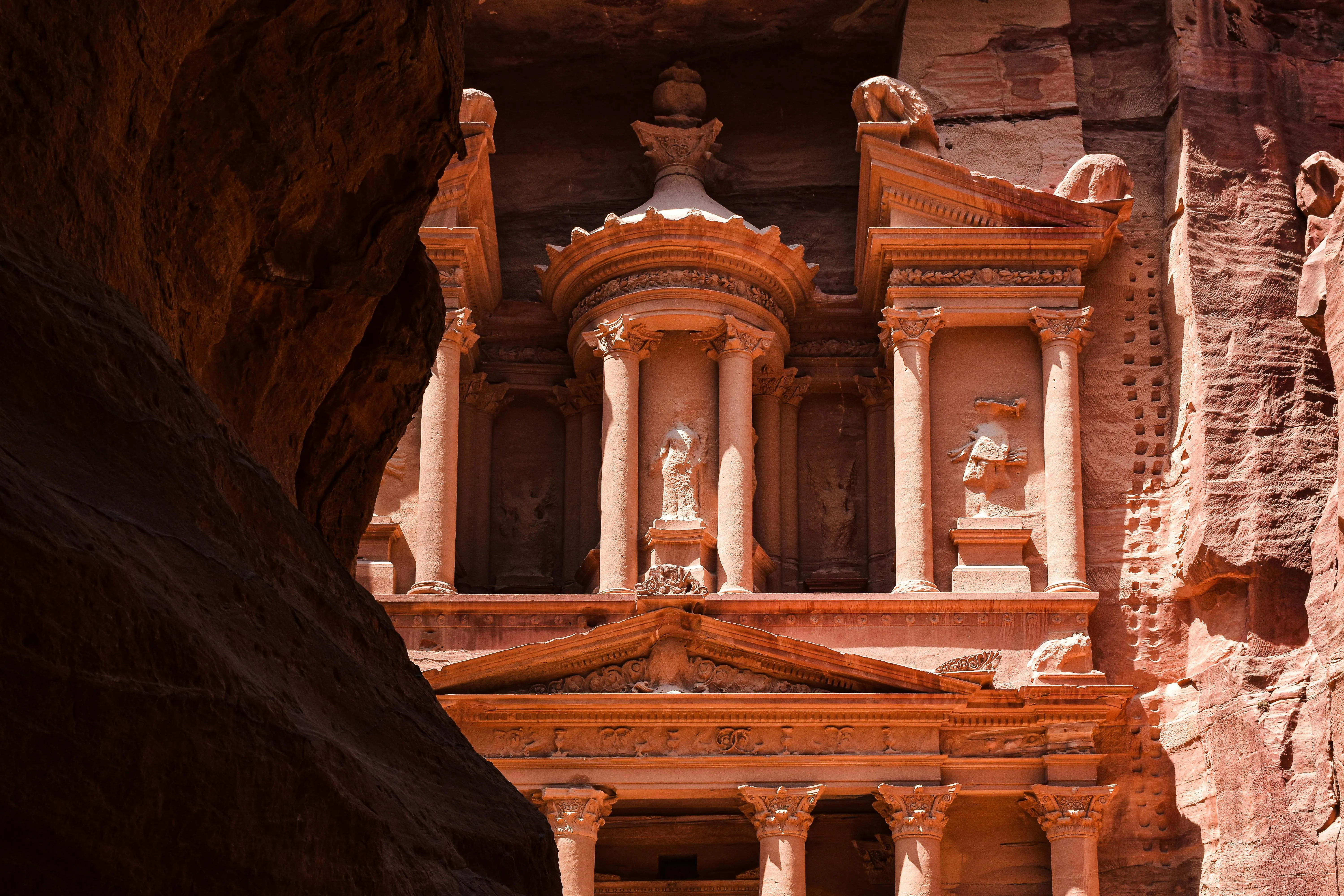
Al-Khazneh is Petra's most recognizable monument, standing approximately 39.5 meters high.
Despite its name, the Treasury was probably a monumental funerary structure rather than a building used to store valuables. Archaeologists generally associate its construction with the Nabataean period around the first century AD, although aspects of its original function remain debated.
Its elaborate facade combines columns, sculptural decoration, and a carefully balanced architectural composition carved directly into the cliff.
3. Explore the Street of Facades and Petra Theatre
Continuing beyond the Treasury, visitors encounter a succession of rock-cut tombs known as the Street of Facades.
Nearby stands the ancient theater, originally carved during the Nabataean period and subsequently modified under Roman rule.
These monuments demonstrate how Petra extended beyond its ceremonial entrance into a functioning urban center.
4. Discover the Royal Tombs
The Royal Tombs occupy a prominent position along the western face of Jabal al-Khubtha.
Their principal monuments include the Urn Tomb, Silk Tomb, Corinthian Tomb, and Palace Tomb.
Each has distinctive architectural features, from the richly colored sandstone of the Silk Tomb to the large, multi-level facade of the Palace Tomb.
Their scale and location suggest they were associated with members of Petra's wealthy or powerful social classes, although the identities of their original occupants are not securely established.
5. Walk Along the Colonnaded Street
The Colonnaded Street provides a different perspective on Petra's history.
Unlike the rock-cut tombs, this area reveals the remains of a more conventional ancient city, including paved streets, columns, temples, and public buildings.
Visitors can also see the Great Temple complex and nearby Qasr al-Bint, an important freestanding religious monument.
6. Hike to Ad-Deir, the Monastery
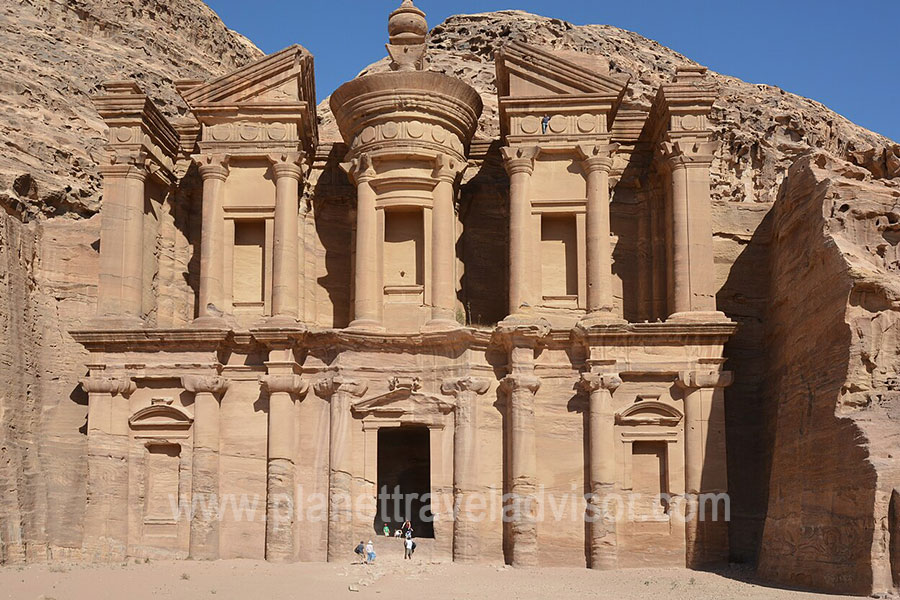
The Monastery is among Petra's largest surviving rock-cut monuments. Located high in the mountains, it features a monumental facade that differs in proportion and decoration from the Treasury.
Reaching it requires a substantial uphill walk, but the destination rewards visitors with remarkable architecture and expansive views of the surrounding landscape.
For travelers interested in seeing Petra beyond its most familiar photographs, the Monastery is a compelling addition to a longer visit.
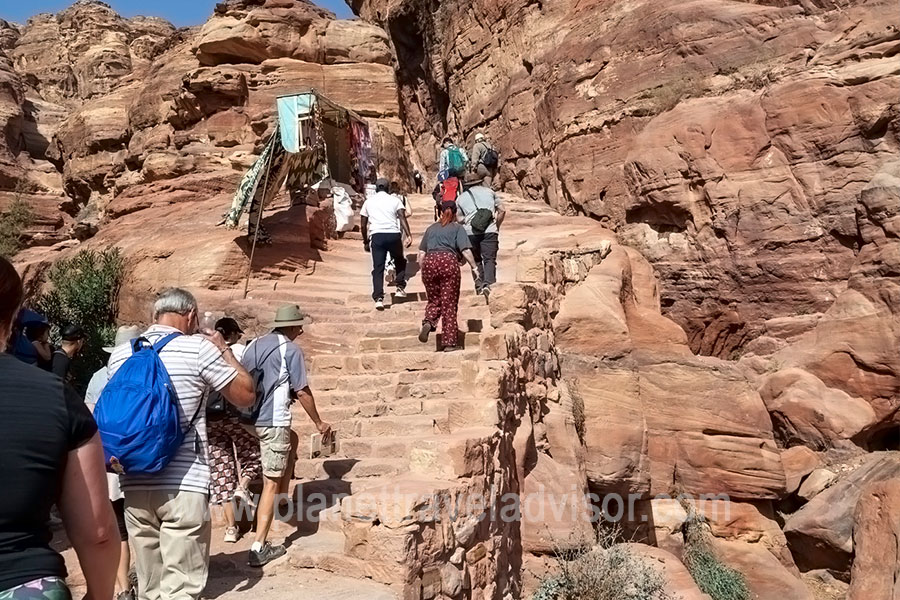
Petra's enormous archaeological landscape makes walking an essential part of the experience.
The official trail network includes relatively straightforward routes through the ancient city and more demanding mountain hikes.
The Main Trail
The Main Trail begins at the Petra Visitor Center, continues through the Siq and Treasury, and ends near Qasr al-Bint.
The Petra Development and Tourism Region Authority lists the route as approximately 3.9 kilometers one way, with an estimated walking duration of 1 hour and 30 minutes to 1 hour and 45 minutes without extended sightseeing stops.
The terrain is generally manageable for visitors accustomed to walking, but the full out-and-back distance approaches 8 kilometers before accounting for detours.
The Monastery Trail
The main route to Ad-Deir begins near Qasr al-Bint and climbs approximately 800 steps through the surrounding mountains.
The official trail listing gives a distance of approximately 2 kilometers, although its descriptive information identifies a roughly 1.6-kilometer ascent.
This is a considerably more demanding experience than the Main Trail, especially in warm weather. Allow enough time for the return descent and the long walk back to the Visitor Center.
Al-Khubtha Trail
The Al-Khubtha route passes the Royal Tombs and ascends toward elevated viewpoints overlooking the Treasury.
It involves steep sections and uneven stone steps, making it better suited to visitors comfortable with sustained uphill walking.
The elevated perspective offers a different appreciation of Petra's architecture and surrounding sandstone landscape.
High Place of Sacrifice
The High Place of Sacrifice is an ancient religious area reached by climbing into the mountains above the main city.
Its surviving ceremonial features include rock-cut platforms and installations associated with Nabataean religious practices.
The route offers views of the wider Petra basin, but the ascent requires more effort than exploring the central archaeological streets.
Which trail should you choose?
First-time visitors with limited time should prioritize the Main Trail. Travelers with good fitness and a full day may add the Monastery, while those staying longer can consider Al-Khubtha or the High Place of Sacrifice.
For longer or less clearly marked trails, check current access requirements and arrange a licensed local guide through the Visitor Center where necessary.
Two days is a good choice for travelers who want to explore Petra without rushing, although one well-planned day is enough to experience several of its most important monuments.
The appropriate duration depends on your physical fitness, interests, and how many additional hiking routes you hope to complete.
One-Day Petra Itinerary
If you have only one day, begin as early as possible and concentrate on the main archaeological route.
A practical sequence is:
Enter through the Visitor Center and walk through the Siq.
Spend time examining the Treasury and its architectural details.
Continue past the Street of Facades and Petra Theatre.
Explore the Royal Tombs if time and energy permit.
Walk along the Colonnaded Street toward Qasr al-Bint.
Return along the main route before the site closes.
Adding the Monastery may be possible for fit travelers starting early, but it substantially increases the walking distance and leaves less time for the central monuments.
Two-Day Petra Itinerary
A two-day visit allows a more balanced experience.
On the first day, concentrate on the Siq, Treasury, Royal Tombs, and ancient city center. This provides time to appreciate the monuments without treating every stop as a brief photography opportunity.
On the second day, prioritize the Monastery hike or another substantial trail, depending on your interests and physical ability.
Travelers particularly interested in archaeology can use the additional time to examine Petra's religious buildings, tombs, and surviving water-engineering features.
If your wider Jordan itinerary includes several destinations, you can compare trips to Jordan that allow enough time in Petra rather than limiting the visit to a brief stop at the Treasury.
Spring and autumn generally provide the most comfortable conditions for exploring Petra, particularly for visitors planning substantial walks.
Spring (March–May)
Spring often brings pleasant daytime temperatures and suitable conditions for sightseeing. It is a good period for exploring the Main Trail and attempting longer hikes.
Weather can still vary, so visitors should check local forecasts before heading into exposed mountain areas.
Summer (June–August)
Summer can be extremely hot, particularly across the open sections of the archaeological site.
Early entry, regular rest breaks, sufficient drinking water, and sun protection become especially important. Long uphill routes may be uncomfortable during the hottest hours.
Autumn (September–November)
Autumn is another favorable period for Petra sightseeing, as temperatures generally become more comfortable after summer.
It is particularly suitable for travelers combining archaeological sightseeing with hiking, although conditions vary throughout the season.
Winter (December–February)
Winter can bring cold mornings, rain, and occasional severe weather. Visitors should prepare for changing temperatures and possible trail restrictions.
Heavy rainfall presents a particular concern because Petra's narrow gorges and surrounding valleys can be vulnerable to flash flooding.
Regardless of the season, entering early is usually beneficial. It provides more time to explore before closing and reduces the need to rush the return journey.
Petra's admission system distinguishes between eligible foreign visitors staying in Jordan and travelers visiting without an overnight stay in the country.
According to the official Petra tourism website, the following entrance prices apply:
| Petra entrance ticket | Price |
|---|---|
| One-day ticket for accommodated visitors | 50 JOD |
| Two-day ticket for accommodated visitors | 55 JOD |
| Three-day ticket for accommodated visitors | 60 JOD |
| One-day ticket for non-accommodated visitors | 90 JOD |
The official website lists additional admission categories for Jordanian citizens, Arab visitors, and eligible residents.
Children under 12 can enter free during normal daytime visiting hours. Two- and three-day tickets must be used on consecutive days.
Visitors should carry their passports because identification may be required when purchasing admission.
Is the Jordan Pass Worth Buying?
The Jordan Pass is an option for eligible international travelers planning to visit several attractions in Jordan.
It currently offers three packages:
| Jordan Pass package | Petra access | Price |
|---|---|---|
| Jordan Wanderer | 1 day | 70 JOD |
| Jordan Explorer | 2 consecutive days | 75 JOD |
| Jordan Expert | 3 consecutive days | 80 JOD |
The pass includes access to more than 40 participating attractions and may waive the standard single-entry tourist visa fee for eligible travelers who purchase it before arrival and stay at least two nights (three days) in Jordan.
However, the Jordan Pass is not itself a visa, and not every nationality or traveler qualifies for the same benefits.
Check eligibility through the official Jordan Pass website before purchasing.
Petra Opening Hours
The official Petra website lists the following seasonal hours for the archaeological site and Visitor Center:
| Season | Dates | Opening hours |
|---|---|---|
| Summer 2026 | March 2–October 1 | 6:00 AM–6:00 PM |
| Winter 2026–2027 | October 2–March 1 | 6:30 AM–5:00 PM |
These schedules may change because of weather, special events, or operational conditions.
Verify the latest information on the official Petra opening-hours page before traveling.
Petra is located beside Wadi Musa in southern Jordan. Most travelers arrive from Amman, Aqaba, or Wadi Rum.
Getting to Petra from Amman
Driving from Amman usually takes approximately three hours using the Desert Highway, depending on traffic and road conditions.
The more scenic King's Highway route takes longer but passes through additional historical and mountainous landscapes.
Getting to Petra from Aqaba
The journey from Aqaba generally takes approximately two hours by road.
Travelers can consider buses, taxis, or private transfers depending on their schedules and luggage requirements.
Getting to Petra from Wadi Rum
Petra and Wadi Rum are commonly combined in Jordan itineraries.
Private transfers and organized transport arrangements are practical options, particularly because transport availability and departure times can vary. Confirm the journey and pickup location before leaving the desert camp area.
Where to Stay Near Petra
Wadi Musa is the principal accommodation base for visiting Petra.
The town offers a variety of hotels, guesthouses, restaurants, and visitor services.
Accommodation close to the Petra Visitor Center is convenient for travelers hoping to enter early, while hotels farther uphill may provide broader mountain views but require additional transportation or walking.
If your priority is exploring the archaeological site over two days, consider staying at least two nights in Wadi Musa to reduce travel pressure.
Petra by Night offers an evening experience centered on the illuminated route through the Siq and the Treasury.
The event was redesigned in May 2025 to combine the traditional candlelit atmosphere with projection mapping and narrated presentations.
Visitors walk through the Siq after dark before gathering near Al-Khazneh, where the evening program takes place.
According to the current dedicated Petra by Night information, the event operates:
Days: Sunday through Thursday
Time: 8:30 PM–approximately 10:30 PM
Admission: 30 JOD per person
Children: Free for those under 10
A separate Petra by Night ticket is required, and visitors must also hold a qualifying daytime Petra ticket or Jordan Pass.
The experience can appeal to travelers interested in photography, evening atmosphere, and a different presentation of Petra's famous monuments.
However, it should be considered an addition to a daytime visit rather than a substitute. The evening event does not provide an opportunity to explore Petra's extensive archaeological attractions.
Petra is a rewarding destination, but its size, terrain, and climate require practical preparation.
The following advice can help make a first visit more comfortable.
Wear supportive footwear. Ancient paving, loose stones, steps, and sandy pathways require shoes with reliable grip.
Carry enough drinking water. Long walks and exposed archaeological areas can increase the risk of dehydration.
Dress for changing conditions. Lightweight clothing and sun protection are useful in warmer months, while winter visitors may need additional layers.
Start early. An early arrival provides more time to explore and reduces the pressure of reaching the exit before closing.
Plan your return walk. Reaching the Treasury or Monastery is only part of the journey. Allow enough energy and time to return safely.
Respect archaeological remains. Avoid climbing on monuments, damaging rock surfaces, or purchasing objects presented as ancient artifacts.
Make responsible animal-welfare choices. Use walking or approved transport options where practical, and avoid supporting activities involving visibly distressed or poorly treated animals.
Follow designated routes. Unmarked paths and elevated viewpoints may involve dangerous terrain. Use licensed local guides where required.
Check weather alerts. Heavy rain can create flash-flood hazards, particularly around narrow gorges and valleys.
Travelers with limited mobility should speak to the Petra Visitor Center before arriving. Some parts of the main route have relatively manageable surfaces, but the overall site includes uneven ground, long distances, and steep climbs.
Officially operated electric club cars may help with selected sections, although they do not provide unrestricted access to every monument.
For assistance, route information, and guide arrangements, the Visitor Center is the most appropriate first contact.
Petra deserves more attention than a quick visit to the Treasury. Its monumental tombs, ancient streets, religious buildings, and sophisticated water systems reveal the achievements of a civilization that transformed a challenging desert landscape into an important trading city.
For a first visit, prioritize the Main Trail and allow enough time to appreciate the monuments beyond Al-Khazneh. Two days will provide greater flexibility for exploring the Monastery or Petra's mountain viewpoints.
If Petra forms part of a wider journey through Jordan, explore available Jordan tours to see how the ancient city can be combined with Wadi Rum, Amman, and other historical destinations.
A curated list of the most popular travel packages based on different destinations.
Explore Siq Petra, its Nabataean water system, ancient carvings, Treasury walk, history, opening hours, tickets, photography tips, and visitor advice.
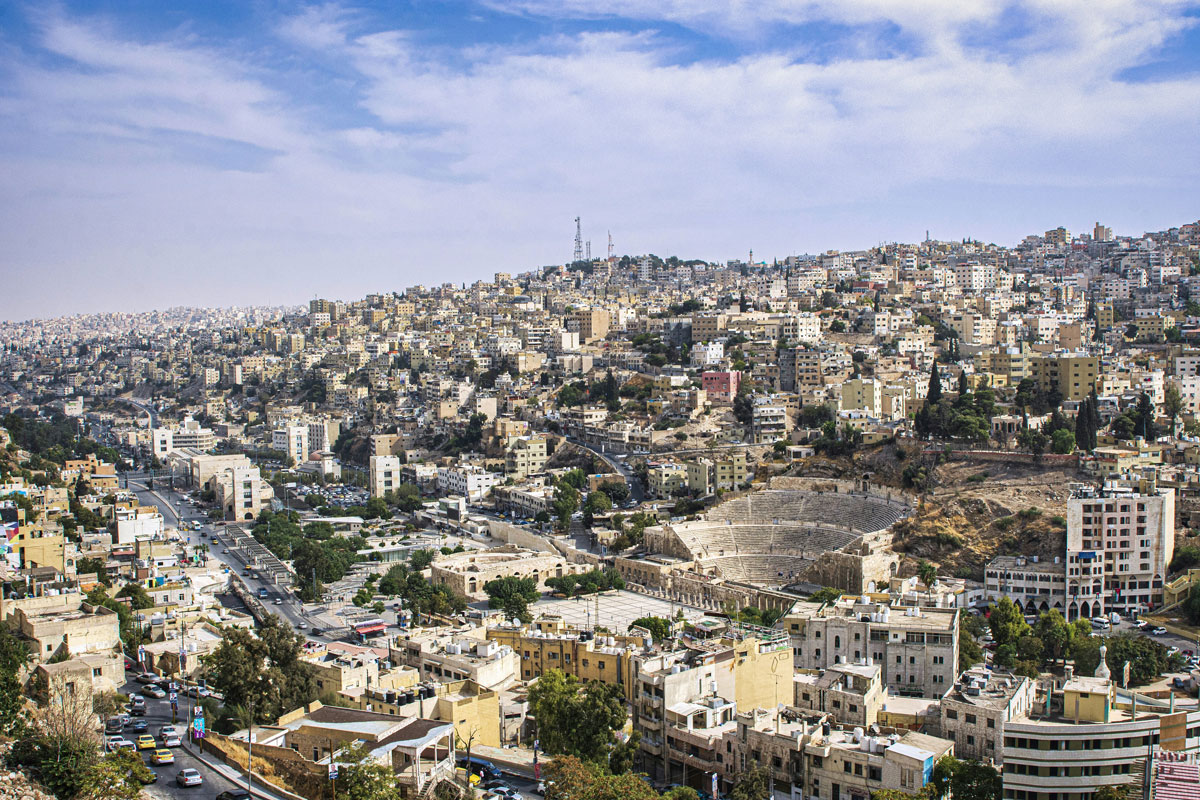
Plan your trip with this Amman travel guide covering top sights, food, neighborhoods, transport, day trips, where to stay, and practical visitor tips.
Explore Amman Citadel with practical tips on history, top sights, tickets, opening hours, Jordan Pass access, timing, transport, and nearby attractions.
Plan your Amman Roman Theatre visit with current ticket prices, opening hours, Jordan Pass details, history, nearby sights, and practical travel tips.
Explore the best souqs in Amman, from Al-Balad and the Gold Souq to Souq Jara, with shopping tips, souvenirs, timing, and nearby sights.
Explore the Jordan Archaeological Museum in Amman, including top artifacts, tickets, Jordan Pass, opening hours, Citadel tips, and visitor advice.
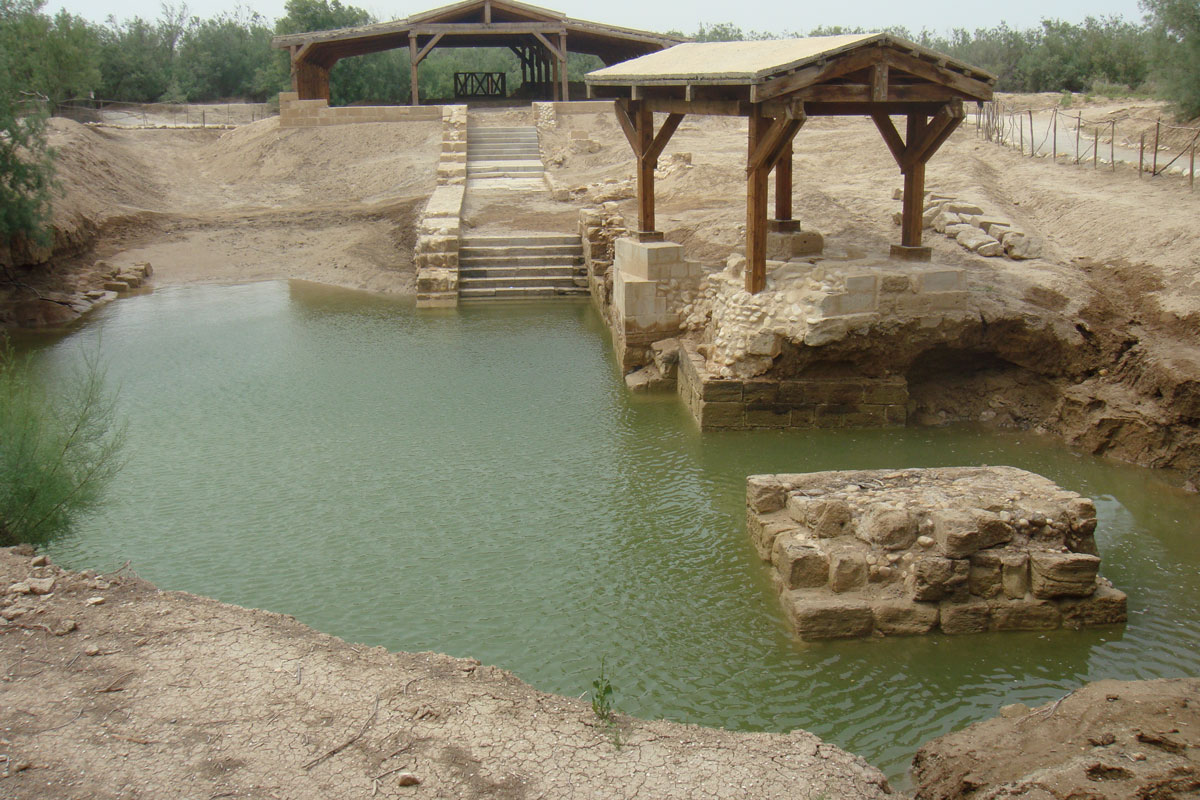
Plan your visit to the Baptism Site in Jordan with its biblical history, archaeology, tickets, opening hours, Jordan Pass details, and nearby stops.
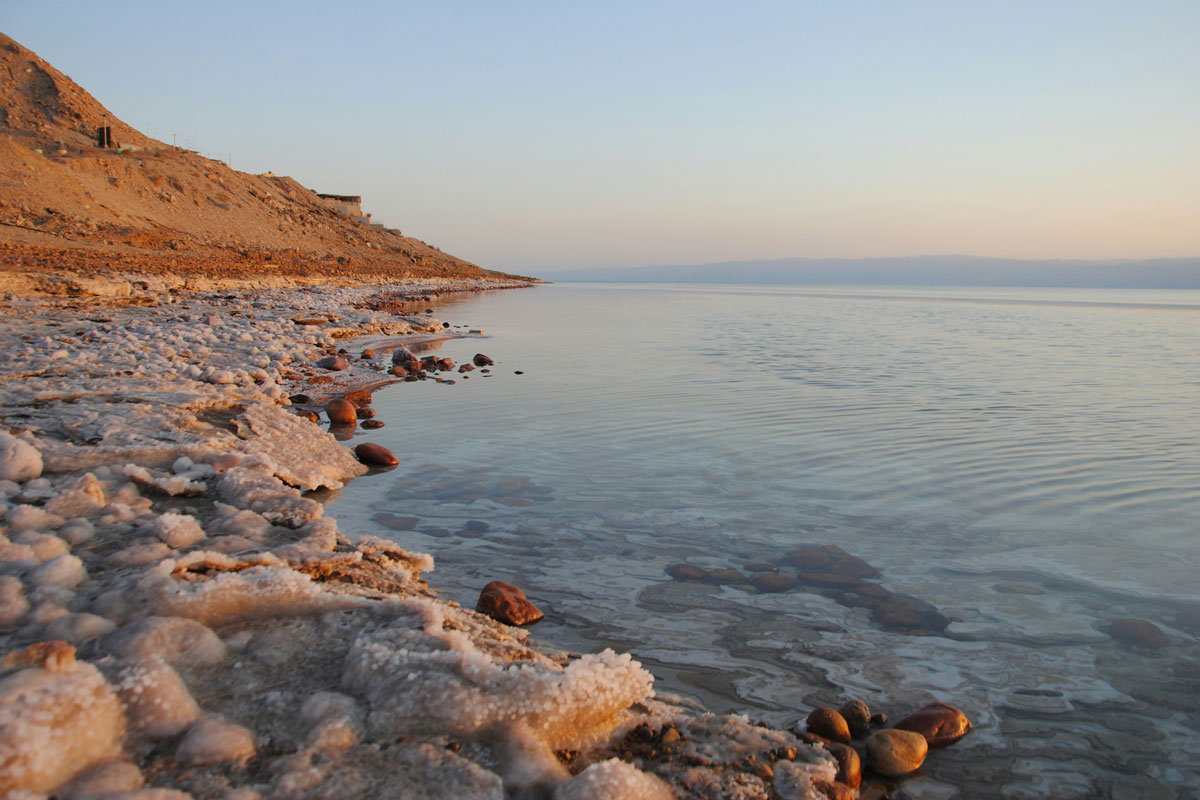
Plan your Dead Sea Jordan visit with tips on floating, beaches, resorts, transport, best times, safety, nearby attractions, and how long to stay.
Explore Downtown Amman with tips on the Roman Theatre, souks, local food, walking routes, the Citadel, safety, transport, and the best time to visit.
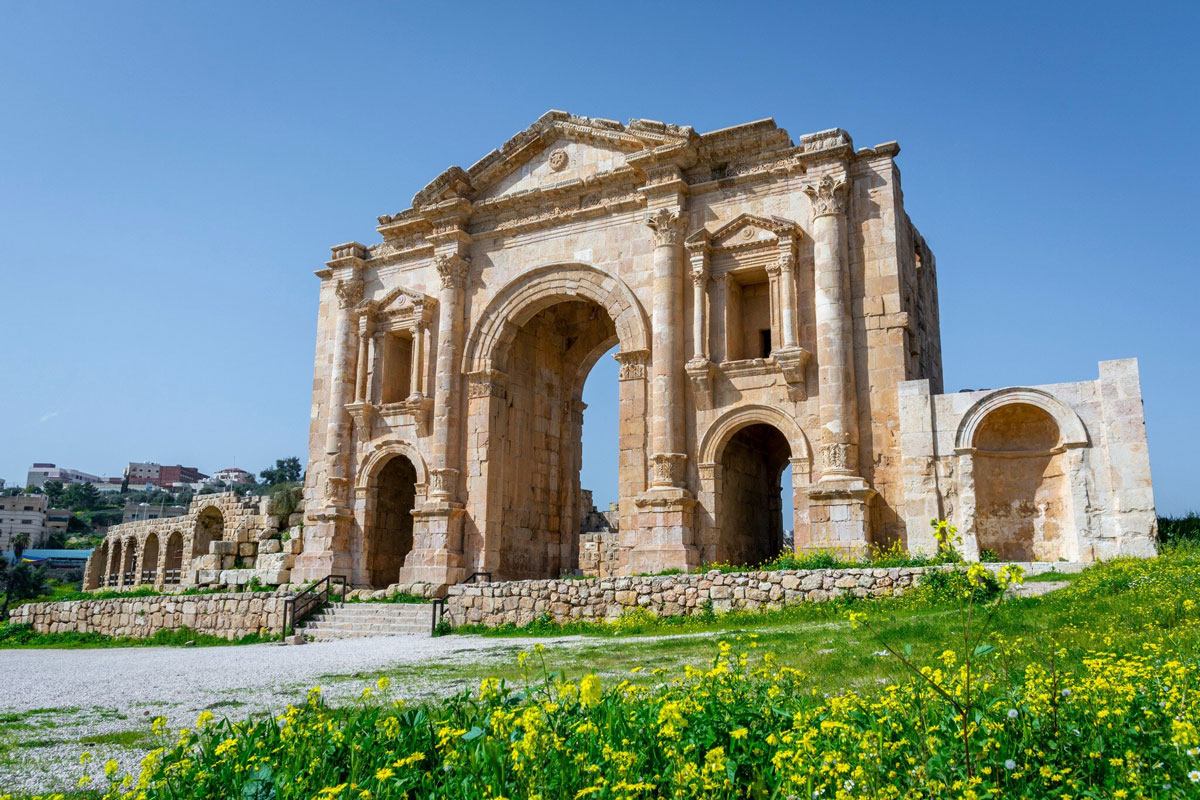
Plan your visit to Hadrian’s Arch Jerash with its history, architecture, tickets, opening hours, Jordan Pass details, nearby sites, and travel tips.
Plan your first visit to Jerash Jordan with the best ruins to see, walking route, tickets, Jordan Pass details, opening hours, timing, and travel tips.
Explore the Jordan River's biblical history, where Jesus was baptized, how to visit from Amman, and the best nearby places to include on your Jordan trip.
We go beyond just booking trips—we create unforgettable travel experiences that match your dreams!


This trip exceeded all our expectations. We booked the "5 Days Discovering Cappadocia Konya Pamukkale Ephesus" package and were impressed by how professionally everything was arranged. The itinerary gave us enough time to enjoy Cappadocia, Ephesus, Pamukkale, and Konya without feeling rushed, and all transfers and day tours ran on time. The communication before arrival was clear and helpful, which made planning much easier. What we appreciated most was the balance between guided sightseeing and free time, so the whole trip felt comfortable and enjoyable. If you are looking for a reliable way to explore Turkey, this is a great option. We would absolutely recommend it to anyone visiting this destination.
A beautifully organized journey from start to finish. We booked the "5 Days Trip through Istanbul, Gallipoli, and Troy" package and were impressed by how professionally everything was arranged. The itinerary gave us enough time to enjoy Istanbul, Gallipoli, and Troy without feeling rushed, and all transfers and day tours ran on time. The communication before arrival was clear and helpful, which made planning much easier. What we appreciated most was the balance between guided sightseeing and free time, so the whole trip felt comfortable and enjoyable. If you are looking for a reliable way to explore Turkey, this is a great option. The itinerary was well balanced and never felt rushed.
A beautifully organized journey from start to finish. We booked the "8 Days Hoi An Beach Escape and Culture Tour" package and were impressed by how professionally everything was arranged. The itinerary gave us enough time to enjoy Hoi An without feeling rushed, and all transfers and day tours ran on time. The communication before arrival was clear and helpful, which made planning much easier. What we appreciated most was the balance between guided sightseeing and free time, so the whole trip felt comfortable and enjoyable. If you are looking for a reliable way to explore Vietnam, this is a great option. The itinerary was well balanced and never felt rushed.
This trip exceeded all our expectations. We booked the "Discover Turkey in 6 Days from Istanbul to Ephesus" package and were impressed by how professionally everything was arranged. The itinerary gave us enough time to enjoy Istanbul and Ephesus without feeling rushed, and all transfers and day tours ran on time. The communication before arrival was clear and helpful, which made planning much easier. What we appreciated most was the balance between guided sightseeing and free time, so the whole trip felt comfortable and enjoyable. If you are looking for a reliable way to explore Turkey, this is a great option. We would absolutely recommend it to anyone visiting this destination.
Everything about this package felt thoughtfully planned. We booked the "15 Days Cambodia Grand Tour" package and were impressed by how professionally everything was arranged. The itinerary gave us enough time to enjoy Cambodia without feeling rushed, and all transfers and day tours ran on time. The communication before arrival was clear and helpful, which made planning much easier. What we appreciated most was the balance between guided sightseeing and free time, so the whole trip felt comfortable and enjoyable. If you are looking for a reliable way to explore Cambodia, this is a great option. The guides, transfers, and pacing all worked together perfectly.











Comments (02)
Mr. Bowmik Haldar,
05 June, 2024Outstanding News & Insight! Thank you so much for sharing like this article
Jacoline Juie,
05 June, 2023However, here are some well-regarded car dealerships known for their customer service, inventory, and overall reputation. It's always a good idea to research and read reviews specific...
Leave Your Comment: