 Visit Turkey
 Visit Vietnam
 Visit Cambodia
 Visit Dubai
 Visit Jordan


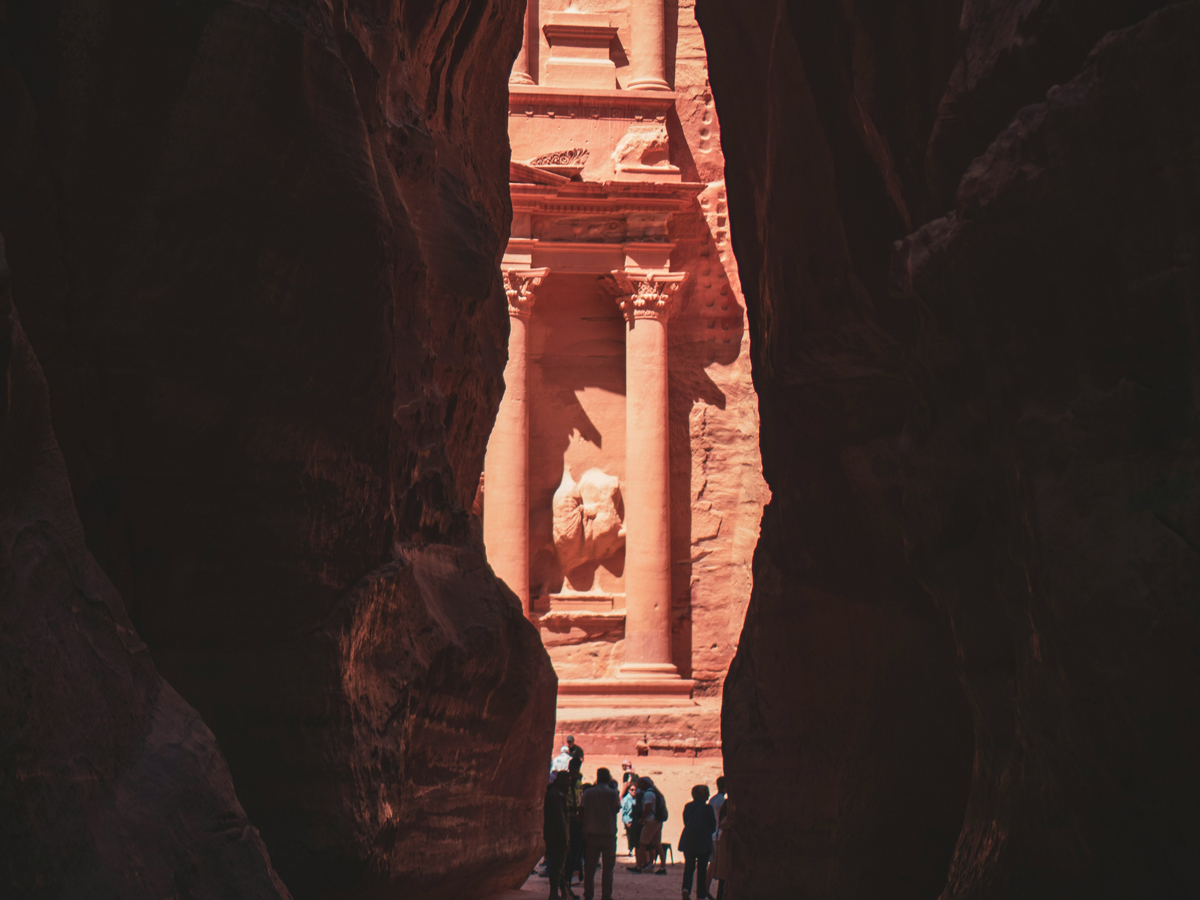
Siq Petra Guide for First-Time Visitors
Explore Siq Petra, its Nabataean water system, ancient carvings, Treasury walk, history, opening hours, tickets, photography tips, and visitor advice.



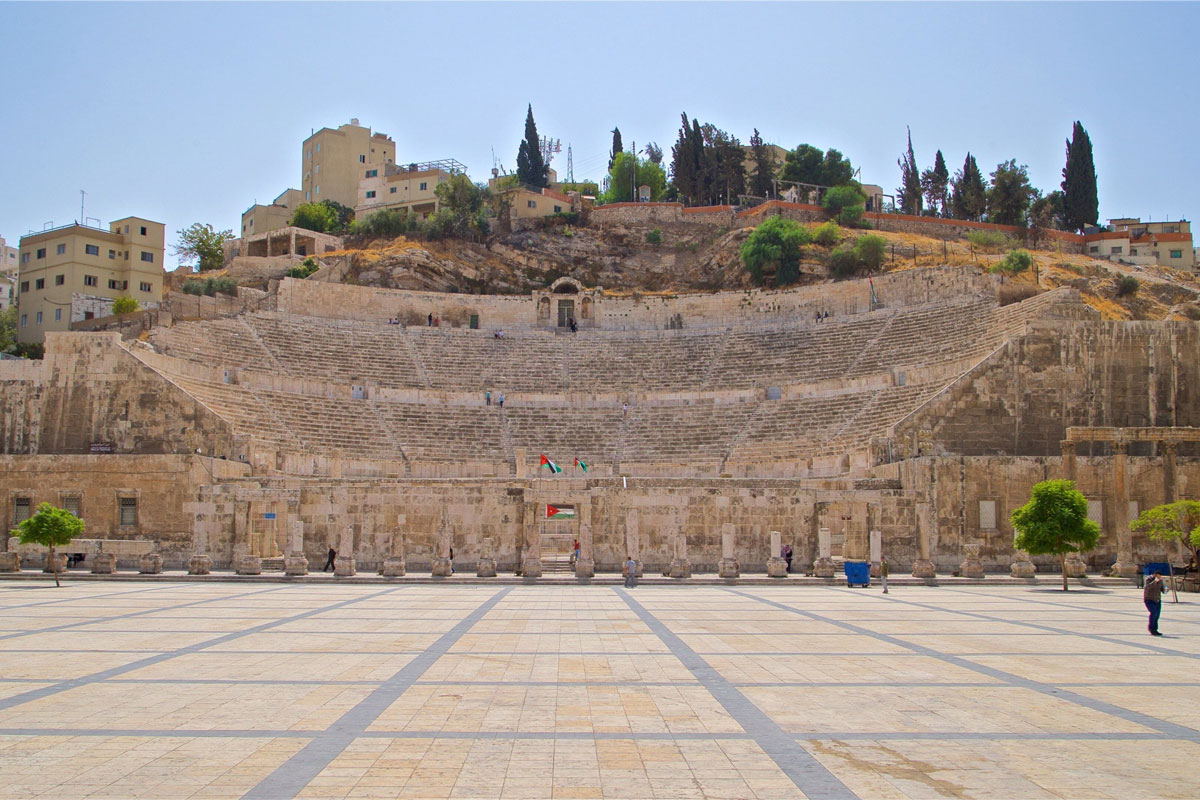
The Umm Qais Roman Theatre is one of the most fascinating surviving monuments of ancient Gadara, a Greco-Roman city in northern Jordan. Built from dark basalt during the Roman period, the theatre once accommodated thousands of spectators and remains an important example of the city's architectural and cultural heritage.
Known as the West Theatre, the monument stands within an archaeological landscape overlooking the Jordan Valley and the Sea of Galilee. Its curved seating, ancient passageways, and connection to the city's history make it an especially interesting stop for travelers exploring northern Jordan. This guide explains the theatre's history and architecture, along with essential information about tickets, visiting hours, transportation, and nearby attractions.
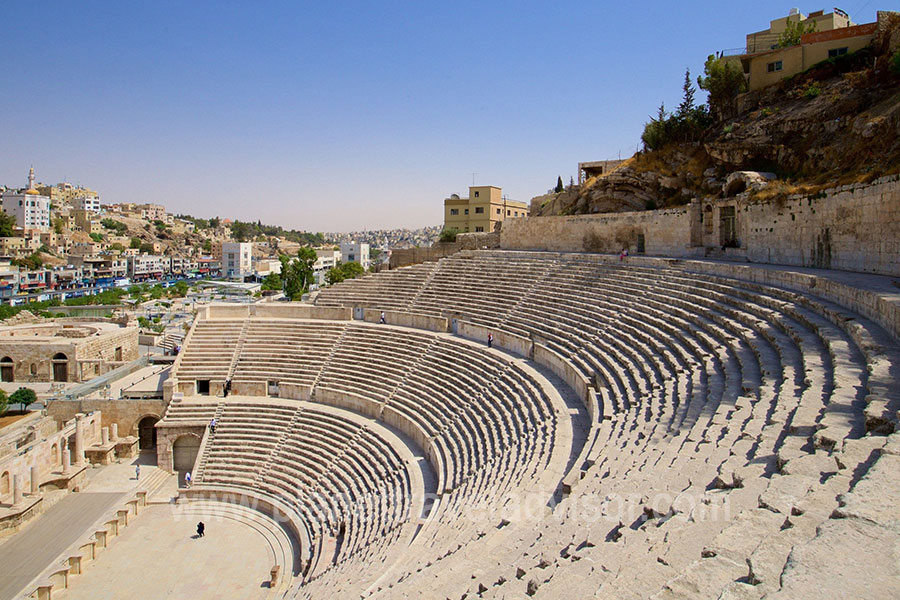
The history of the Umm Qais Roman Theatre begins in ancient Gadara, an important city of the Decapolis, a group of cities in the eastern Mediterranean region known for their Greek and Roman cultural influences. Gadara developed into an intellectual and commercial center, attracting philosophers, poets, and scholars who helped establish its reputation as a center of learning.
The West Theatre was constructed during the second half of the second century CE, when Gadara experienced considerable urban expansion under Roman rule. Its location on the western slope of the city's acropolis placed it close to important streets, public buildings, and terraces that formed part of everyday urban life.
Roman theatres served several purposes beyond entertainment. They provided spaces for dramatic performances, musical presentations, and public gatherings, reflecting the social and cultural traditions of the Roman world. Gadara's theatre was part of this wider tradition, although the specific performances held there are not fully documented.
One of the theatre's most significant archaeological discoveries was a large marble statue of Tyche, the protective goddess of Gadara. Originally positioned in the central area of the front row of seating, the sculpture represented the city's identity and prosperity. The statue is now displayed at the Umm Qais Archaeological Museum.
The monument also reflects the changes that affected Gadara after the Roman period. During the Byzantine era, parts of the surrounding urban landscape were adapted for religious and other uses. A destructive earthquake in 749 CE damaged numerous buildings in Gadara, while stone from ancient structures was reused in later construction, including buildings of the Ottoman village.
Archaeological excavations and conservation projects have gradually revealed more of the ancient city. Work undertaken around the theatre and adjacent Roman Terrace has helped researchers understand how the monument connected with surrounding streets and buildings.
Today, the West Theatre is an important archaeological landmark that helps explain Gadara's development from a prosperous Roman city into the historical landscape visible at Umm Qais.
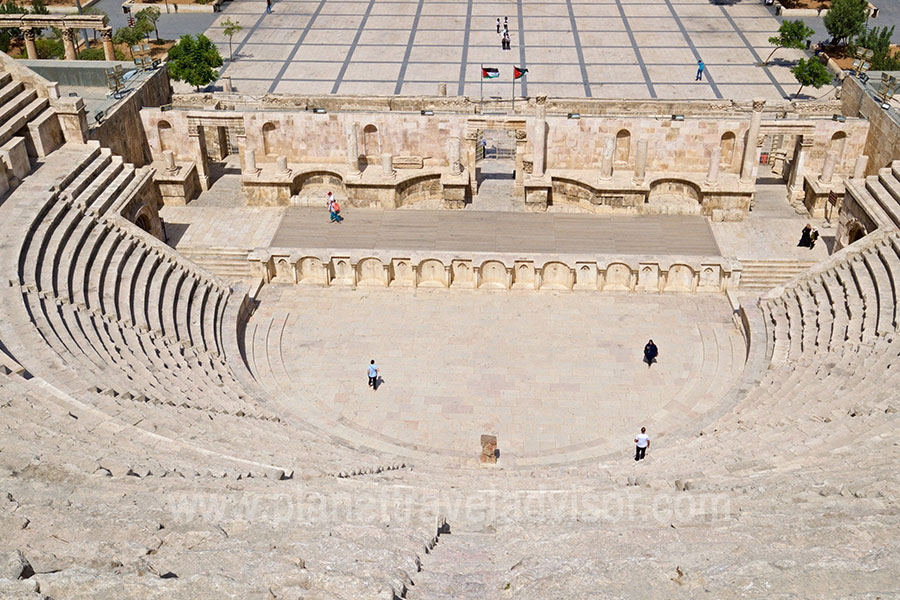
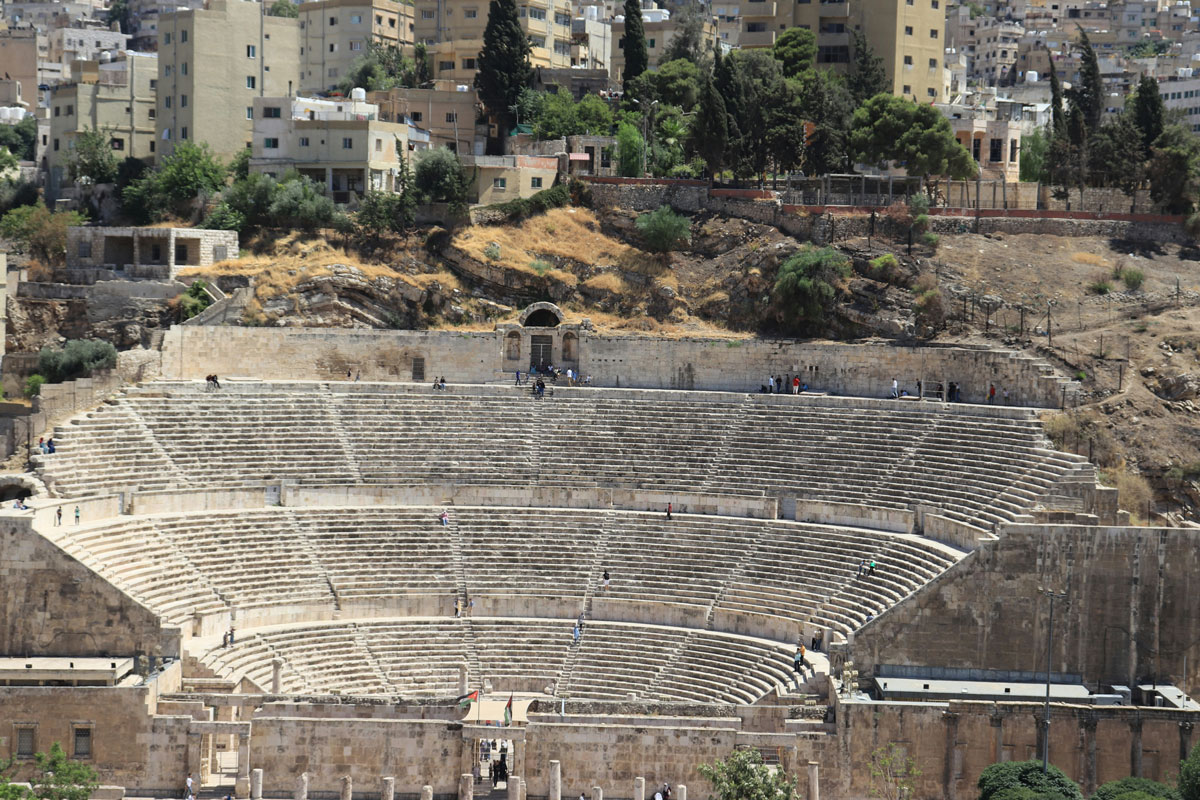
The architecture of the West Theatre is distinguished by its construction from locally available basalt, a dark volcanic stone that gives the monument a very different appearance from the pale limestone theatres found elsewhere in Jordan.
Built into the natural slope of the acropolis, the theatre used the hillside to support its semicircular auditorium. This design reduced the need for large artificial foundations while allowing spectators to look down toward the central performance area.
The seating area, known in Roman architecture as the cavea, was arranged in three tiers and divided into wedge-shaped sections by stairways. These passages helped spectators move between the rows and reach their seats without crossing the entire auditorium.
The theatre originally accommodated approximately 3,000 spectators, making it a substantial public venue for the ancient city.
One of its most interesting architectural features is the vaulted corridor, or crypta, beneath the second seating tier. This passage connected the exterior circulation areas with entrances leading into the auditorium. Four access openings, called vomitoria, allowed spectators to enter and leave the seating sections more efficiently.
The curved auditorium also supported the projection of sound from the performance area. Its design followed established Roman theatre principles that improved visibility and helped audiences hear performances without modern amplification.
Although significant parts of the original structure have disappeared, surviving seating rows, stairways, arches, and supporting walls continue to demonstrate its sophisticated design.
An important distinction is that the West Theatre was not the only Roman theatre at Gadara.
The North Theatre, situated in another part of the ancient city, was larger and is estimated to have accommodated approximately 5,000 spectators. Much of that monument remains buried or has lost its original architectural elements, making the West Theatre the more recognizable surviving example.
Travelers interested in Roman engineering can compare the curved seating of the West Theatre with the city's streets, terraces, and other monumental structures to understand how public architecture formed part of Gadara's wider urban plan.
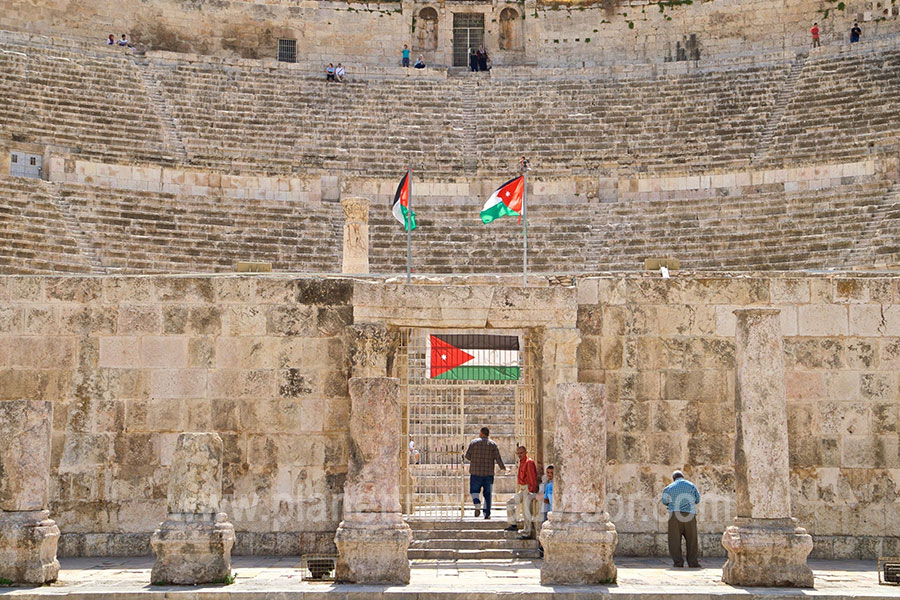
Visitors planning to see the Roman Theatre should know that it forms part of the wider Umm Qais archaeological site rather than operating as a separate attraction with an individual admission ticket.
According to Jordan's official Ministry of Tourism entrance-fee information, the standard admission charges are:
Foreign visitors: 5 Jordanian dinars (JOD).
Jordanian visitors: 0.25 JOD.
Umm Qais Archaeological Museum: Included in the archaeological site's admission fee.
These prices were listed by the official tourism authority when this guide was reviewed in October 2026. Admission fees may change, so checking the latest information before traveling is recommended.
Is Umm Qais included in the Jordan Pass?
Yes. Umm Qays is listed among the archaeological attractions included in the official Jordan Pass. Travelers holding a valid pass can use it for admission according to the pass's applicable conditions.
The Jordan Pass can be particularly useful for visitors planning to explore several archaeological sites during one journey, including Petra, Jerash, and Ajloun Castle. Travelers should check the current pass terms before purchasing.
Umm Qais Opening Hours
Opening hours vary by season, and published sources do not always give identical closing times.
The official Jordan Pass opening-hours schedule lists the following general hours for Umm Qays:
Winter: 8:00 AM–4:00 PM.
Summer: 8:00 AM–6:30 PM.
April and May: 8:00 AM–5:30 PM.
Ramadan: 9:00 AM–5:00 PM.
Umm Qais Heritage publishes slightly different summer hours and separate arrangements for Fridays and official holidays. For that reason, visitors should confirm operating hours directly before departure, especially during Ramadan or public holidays.
Important Visitor Information
Although the West Theatre is a major attraction within the site, access to the structure itself may be restricted for conservation and safety reasons. Heritage conservation organization Turquoise Mountain has documented warning signs advising visitors not to enter the theatre because of structural concerns.
Visitors should respect any barriers, warning signs, and instructions from archaeological-site staff. Viewing the monument from permitted areas can still provide an excellent appreciation of its architecture.
The archaeological site also contains uneven stone surfaces, steps, and exposed areas. Comfortable walking shoes, drinking water, and sun protection are particularly useful during warmer months.
Travelers with limited mobility should inquire about current accessible routes before arriving. Some sections of the archaeological landscape and the museum may be difficult to access.
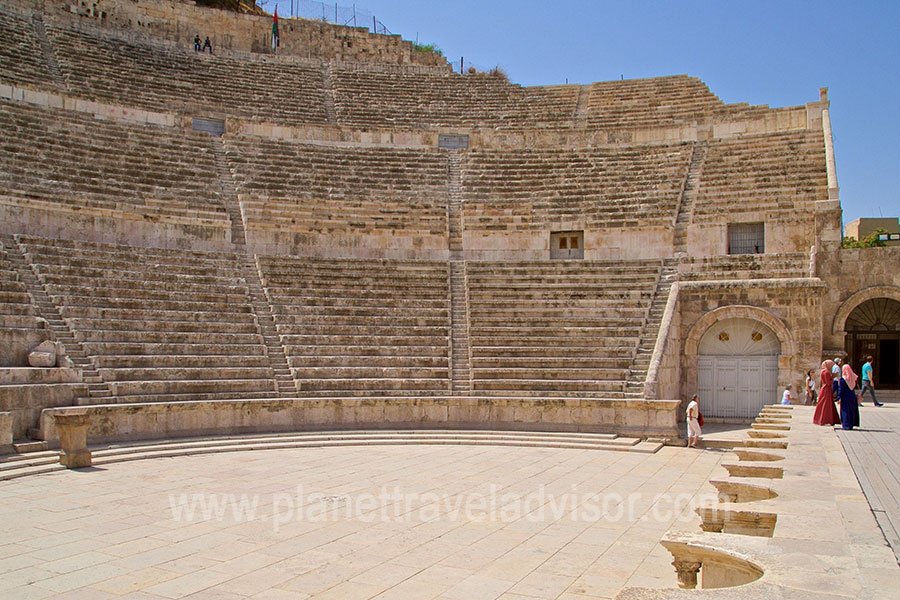
Umm Qais is located in northwestern Jordan, close to the borders with Syria and Israel, approximately 25–30 kilometers from Irbid. The archaeological site occupies an elevated position with views across the surrounding valleys and countryside.
Getting to Umm Qais from Amman
The distance from Amman to Umm Qais is approximately 110 kilometers by road, depending on the starting point and route. Driving generally takes around two hours, although traffic and road conditions can extend the journey.
A private vehicle or organized excursion is usually the most convenient option because it allows travelers to choose their departure time and spend longer exploring the archaeological site.
Public transport is possible but requires more planning. Travelers can reach Irbid from Amman and then arrange a local minibus or taxi to Umm Qais. Local connections and schedules should be confirmed in advance, particularly for the return journey.
Getting to Umm Qais from Irbid
Irbid is the nearest major city and a practical starting point for visiting the theatre. The journey by road generally takes approximately 35–50 minutes, depending on traffic and the route.
Visitors traveling independently can arrange a taxi or use available local transportation. Confirming the return arrangements before leaving Irbid is advisable.
Best Time to Visit Umm Qais
Spring, particularly March through May, is an appealing season for visiting Umm Qais. The surrounding countryside is often greener after the winter rains, while temperatures are generally more comfortable for exploring outdoor ruins.
Autumn, especially September through November, is another good option. Conditions are usually more pleasant for extended walks than during the hottest part of summer.
Summer visits are possible, but exposed archaeological areas can become uncomfortable during the middle of the day. Early morning is generally preferable for walking and sightseeing.
Winter brings cooler temperatures and the possibility of rain, which can make ancient stone pathways slippery.
How Much Time Should You Allow?
Travelers mainly interested in viewing the West Theatre and nearby ruins can allow approximately 45–60 minutes for a focused visit, depending on current access restrictions.
For a more complete experience that includes the museum, Roman streets, Basilica Terrace, and viewpoints, approximately two to three hours is a more comfortable allowance.
Photographers may prefer extra time to explore permitted viewpoints and capture the contrast between the theatre's dark basalt, surrounding ruins, and open countryside.
Late afternoon can provide attractive directional light on the stone architecture, but travelers must ensure they can complete their visit before the site's confirmed closing time.
If you are planning a wider journey through Jordan, exploring available Jordan tours can help you identify possible itinerary combinations. Confirm that Umm Qais is included before choosing a particular tour.
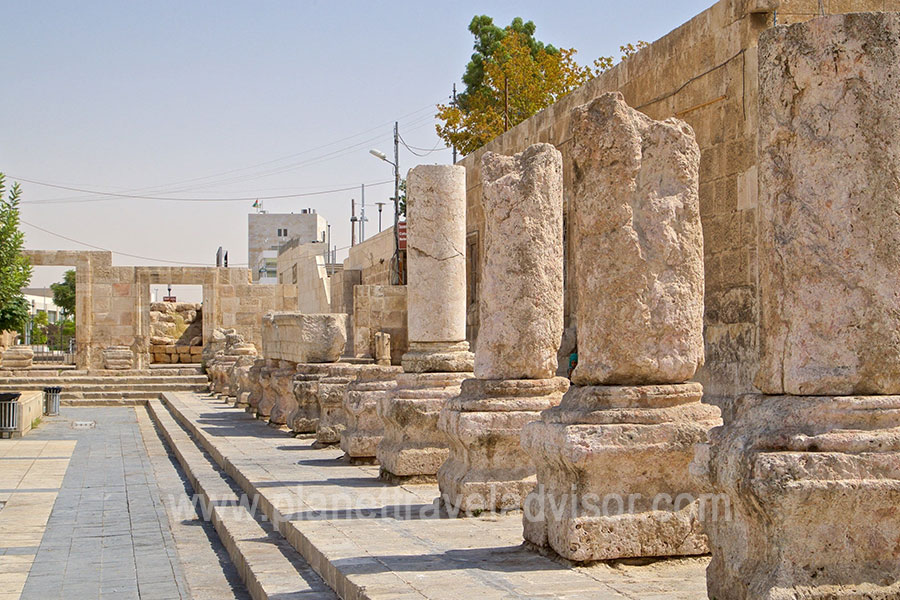
The Roman Theatre is only one part of the ancient city of Gadara. Several other archaeological attractions lie nearby, allowing visitors to understand the city's development across different historical periods.
Basilica Terrace
Located near the West Theatre, the Basilica Terrace contains remains of a Byzantine religious complex, including columns and architectural fragments. Its position within the archaeological site illustrates how sections of Roman Gadara were transformed during the Byzantine period.
Roman Colonnaded Street
The remains of Gadara's ancient streets reveal how the city was organized. Sections of the Decumanus Maximus, one of the principal Roman roads, survive alongside architectural remains associated with shops, public structures, and other urban spaces.
Walking along the permitted sections of the street provides a different perspective on the ancient city beyond its major monuments.
Umm Qais Archaeological Museum
The museum occupies Bayt Al-Rusan, a nineteenth-century Ottoman-period house with a traditional courtyard. Its collection includes sculptures, ceramics, mosaics, architectural fragments, and other objects recovered from the ancient city.
One of the most important exhibits is the seated statue of Tyche discovered in the West Theatre. Seeing the sculpture after learning about the theatre helps connect the surviving ruins with the decorative and religious traditions of ancient Gadara.
North Theatre
The remains of the North Theatre provide an opportunity to compare Gadara's two Roman performance venues. Although much less of its original structure survives visibly, its larger estimated seating capacity demonstrates the importance of public entertainment in the ancient city.
Panoramic Viewpoints
Umm Qais is also known for its elevated setting overlooking the Sea of Galilee, the Yarmouk Valley, and the Golan Heights. On clear days, the surrounding landscape provides a dramatic setting for the archaeological ruins.
These views are particularly rewarding for travelers interested in landscape photography or the geography of northern Jordan.
Visitors with additional time can also explore remains of Roman baths and the historic Ottoman village, which provide further insight into the site's long history of occupation.
The West Theatre of Umm Qais provides an important connection to the cultural and architectural history of ancient Gadara. Its basalt seating, Roman engineering, and archaeological discoveries reveal how public spaces contributed to the identity of this historic city.
For the most rewarding visit, allow enough time to explore the wider archaeological site rather than viewing the theatre alone. Check current opening hours, follow conservation restrictions, and consider combining Umm Qais with other attractions in northern Jordan.
Travelers developing a longer historical itinerary can explore Jordan tour packages for broader travel-planning ideas and choose a route that allows sufficient time to appreciate Gadara's remarkable heritage.


A curated list of the most popular travel packages based on different destinations.
Explore Siq Petra, its Nabataean water system, ancient carvings, Treasury walk, history, opening hours, tickets, photography tips, and visitor advice.
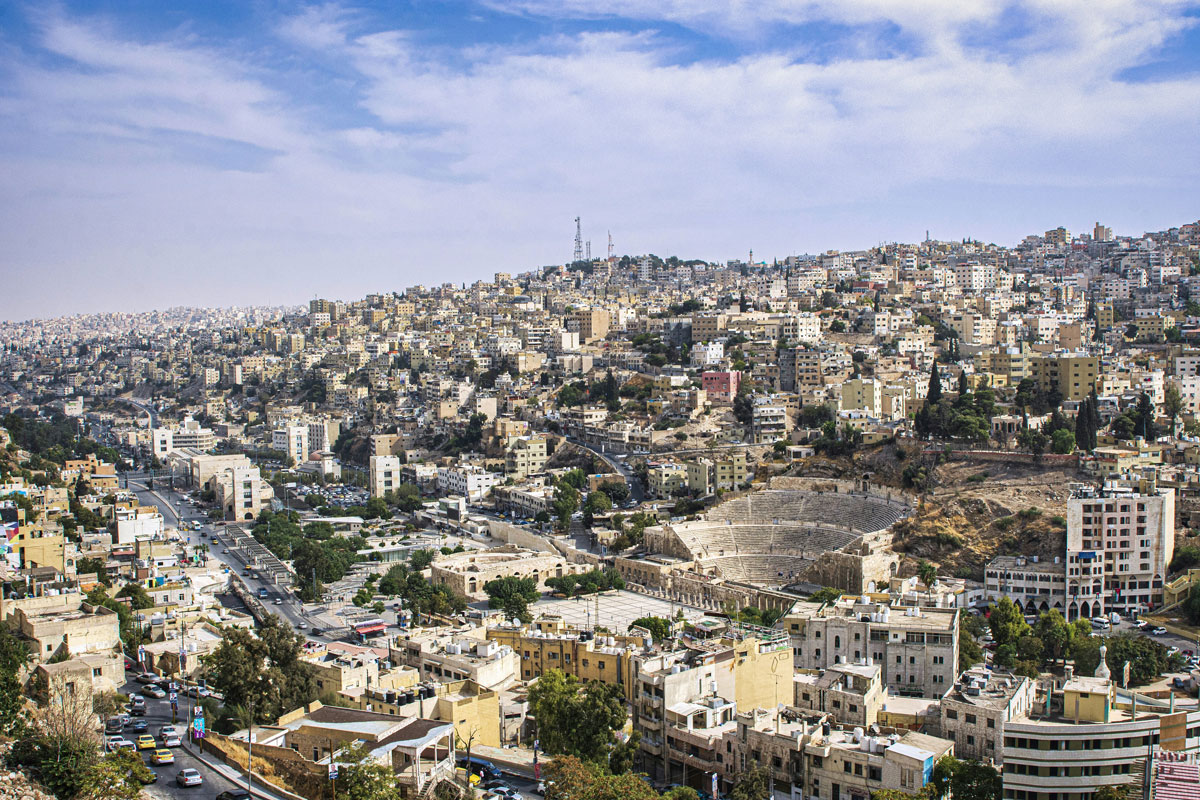
Plan your trip with this Amman travel guide covering top sights, food, neighborhoods, transport, day trips, where to stay, and practical visitor tips.
Explore Amman Citadel with practical tips on history, top sights, tickets, opening hours, Jordan Pass access, timing, transport, and nearby attractions.
Plan your Amman Roman Theatre visit with current ticket prices, opening hours, Jordan Pass details, history, nearby sights, and practical travel tips.
Explore the best souqs in Amman, from Al-Balad and the Gold Souq to Souq Jara, with shopping tips, souvenirs, timing, and nearby sights.
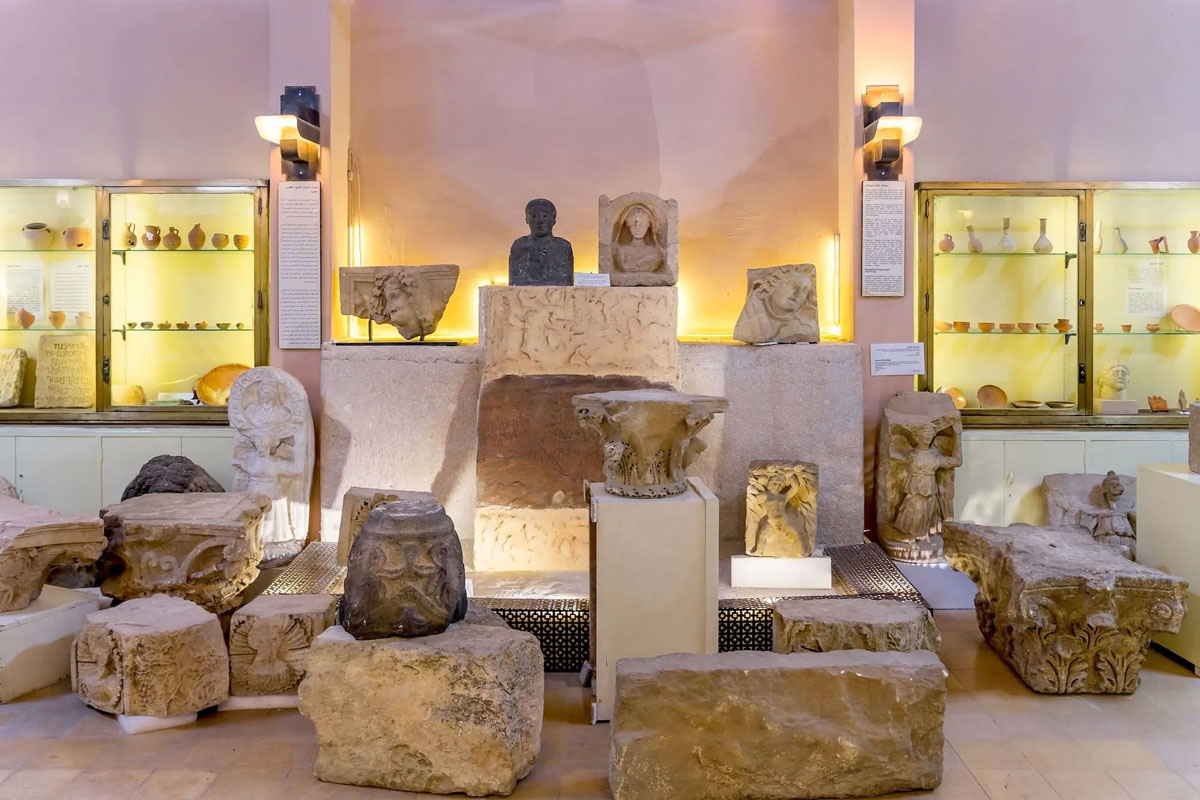
Explore the Jordan Archaeological Museum in Amman, including top artifacts, tickets, Jordan Pass, opening hours, Citadel tips, and visitor advice.
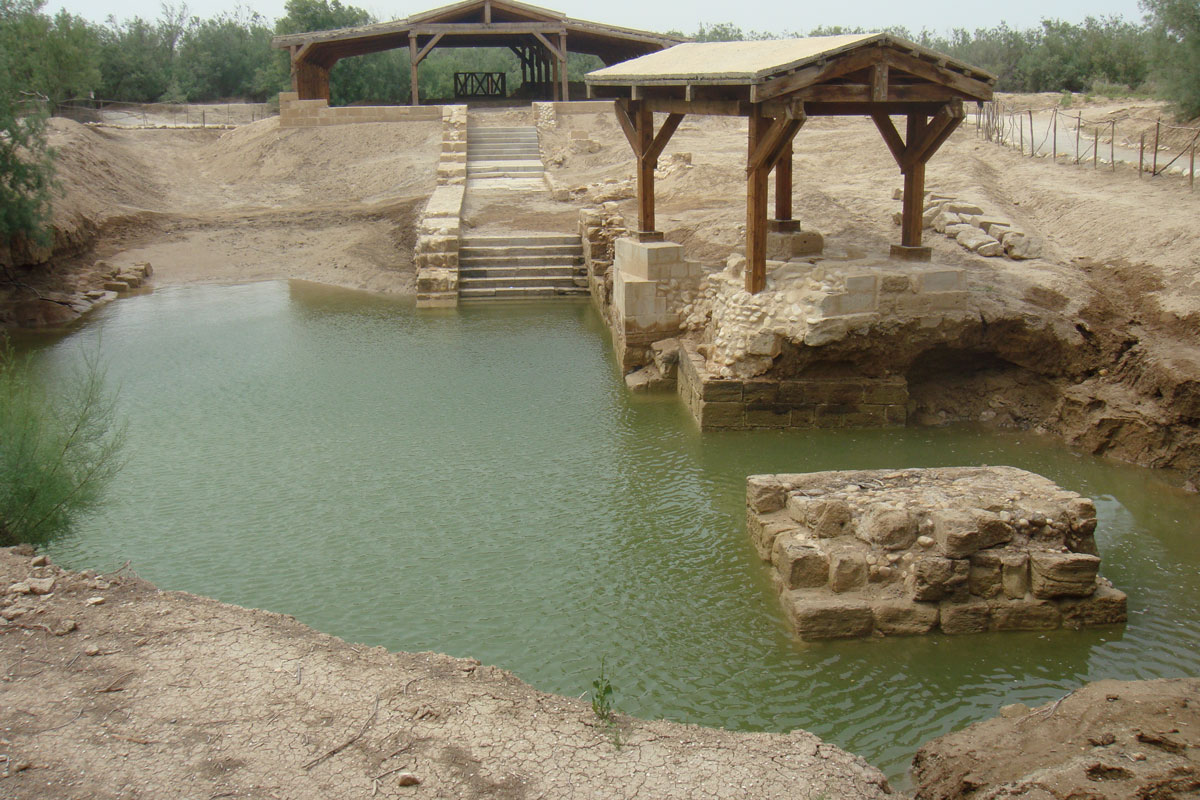
Plan your visit to the Baptism Site in Jordan with its biblical history, archaeology, tickets, opening hours, Jordan Pass details, and nearby stops.
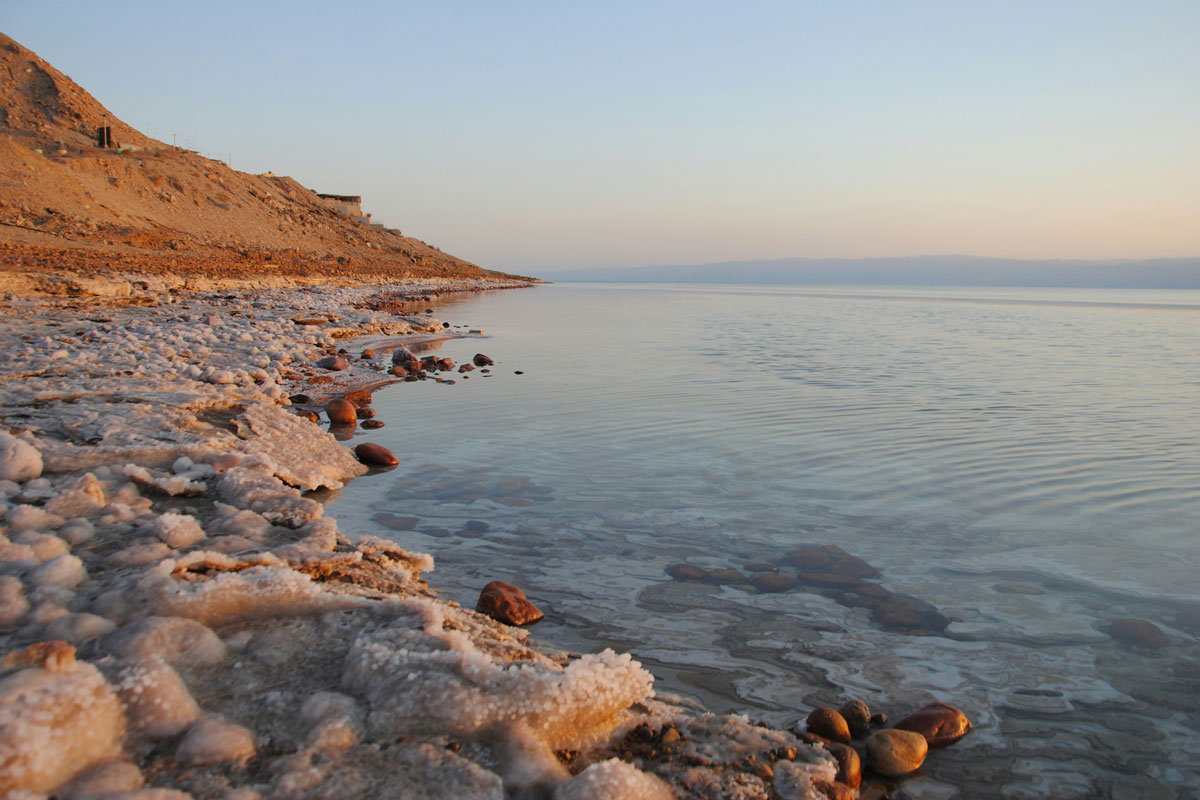
Plan your Dead Sea Jordan visit with tips on floating, beaches, resorts, transport, best times, safety, nearby attractions, and how long to stay.
Explore Downtown Amman with tips on the Roman Theatre, souks, local food, walking routes, the Citadel, safety, transport, and the best time to visit.
Plan your visit to Hadrian’s Arch Jerash with its history, architecture, tickets, opening hours, Jordan Pass details, nearby sites, and travel tips.
Plan your first visit to Jerash Jordan with the best ruins to see, walking route, tickets, Jordan Pass details, opening hours, timing, and travel tips.
Explore the Jordan River's biblical history, where Jesus was baptized, how to visit from Amman, and the best nearby places to include on your Jordan trip.
We go beyond just booking trips—we create unforgettable travel experiences that match your dreams!



A beautifully organized journey from start to finish. We booked the "8 Days Hoi An Beach Escape and Culture Tour" package and were impressed by how professionally everything was arranged. The itinerary gave us enough time to enjoy Hoi An without feeling rushed, and all transfers and day tours ran on time. The communication before arrival was clear and helpful, which made planning much easier. What we appreciated most was the balance between guided sightseeing and free time, so the whole trip felt comfortable and enjoyable. If you are looking for a reliable way to explore Vietnam, this is a great option. The itinerary was well balanced and never felt rushed.
A beautifully organized journey from start to finish. We booked the "5 Day Tour Through Cappadocia Pamukkale and Ephesus" package and were impressed by how professionally everything was arranged. The itinerary gave us enough time to enjoy Cappadocia, Ephesus, and Pamukkale without feeling rushed, and all transfers and day tours ran on time. The communication before arrival was clear and helpful, which made planning much easier. What we appreciated most was the balance between guided sightseeing and free time, so the whole trip felt comfortable and enjoyable. If you are looking for a reliable way to explore Turkey, this is a great option. The itinerary was well balanced and never felt rushed.
Everything about this package felt thoughtfully planned. We booked the "15 Days Cambodia Grand Tour" package and were impressed by how professionally everything was arranged. The itinerary gave us enough time to enjoy Cambodia without feeling rushed, and all transfers and day tours ran on time. The communication before arrival was clear and helpful, which made planning much easier. What we appreciated most was the balance between guided sightseeing and free time, so the whole trip felt comfortable and enjoyable. If you are looking for a reliable way to explore Cambodia, this is a great option. The guides, transfers, and pacing all worked together perfectly.
One of the smoothest tours we have ever booked. We booked the "7 Days Cappadocia, Konya, Antalya, Pamukkale & Ephesus Tour" package and were impressed by how professionally everything was arranged. The itinerary gave us enough time to enjoy Cappadocia, Ephesus, Pamukkale, Antalya, and Konya without feeling rushed, and all transfers and day tours ran on time. The communication before arrival was clear and helpful, which made planning much easier. What we appreciated most was the balance between guided sightseeing and free time, so the whole trip felt comfortable and enjoyable. If you are looking for a reliable way to explore Turkey, this is a great option. It was the perfect mix of sightseeing, comfort, and great logistics.
This trip exceeded all our expectations. We booked the "Discover Vietnam on a 21 Day Journey" package and were impressed by how professionally everything was arranged. The itinerary gave us enough time to enjoy Vietnam without feeling rushed, and all transfers and day tours ran on time. The communication before arrival was clear and helpful, which made planning much easier. What we appreciated most was the balance between guided sightseeing and free time, so the whole trip felt comfortable and enjoyable. If you are looking for a reliable way to explore Vietnam, this is a great option. We would absolutely recommend it to anyone visiting this destination.










Comments (02)
Mr. Bowmik Haldar,
05 June, 2024Outstanding News & Insight! Thank you so much for sharing like this article
Jacoline Juie,
05 June, 2023However, here are some well-regarded car dealerships known for their customer service, inventory, and overall reputation. It's always a good idea to research and read reviews specific...
Leave Your Comment: