 Visit Turkey
 Visit Vietnam
 Visit Cambodia
 Visit Dubai
 Visit Jordan


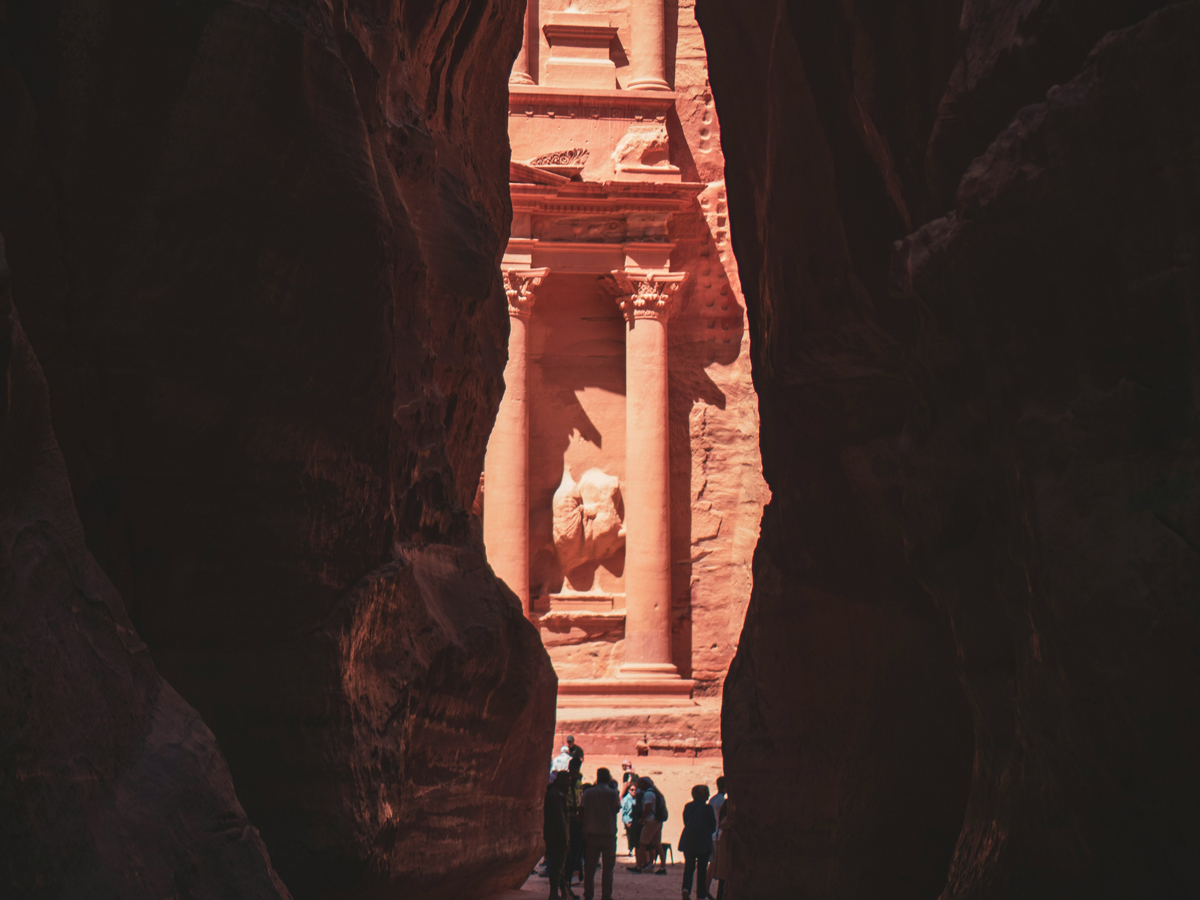
Siq Petra Guide for First-Time Visitors
Explore Siq Petra, its Nabataean water system, ancient carvings, Treasury walk, history, opening hours, tickets, photography tips, and visitor advice.



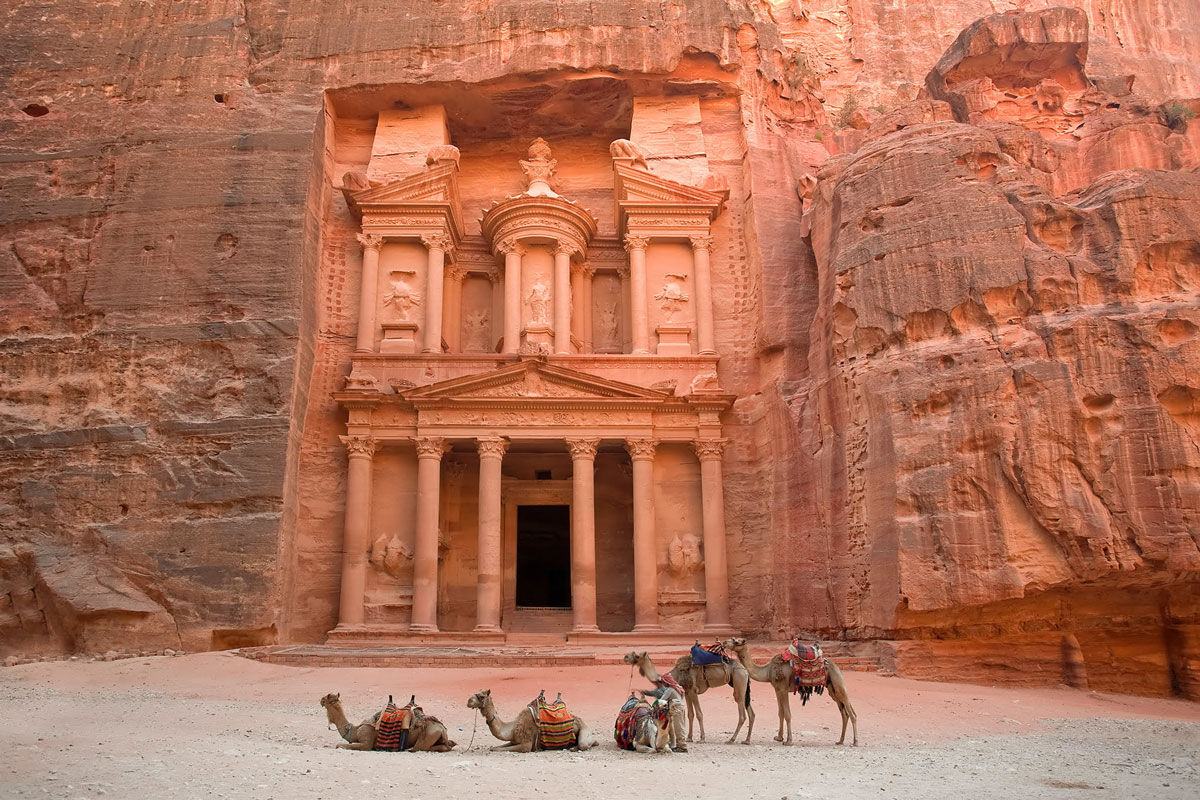
The first glimpse of the Petra Treasury through the narrow Siq is one of Jordan's most memorable sights. After walking between towering sandstone cliffs, visitors suddenly face a monumental façade carved directly into the rock nearly 2,000 years ago. Its columns, sculptures, and remarkable setting reveal the architectural achievements of the ancient Nabataeans.
Yet the Treasury, also known as Al-Khazneh, is more than Petra's most photographed landmark. Behind its elaborate exterior lies a history of royal power, burial traditions, and legends that still raise questions today.
This guide explores Petra Treasury history, its distinctive architecture, the meaning behind its name, and what archaeologists have discovered inside and beneath the monument. It also covers essential information for planning your visit.
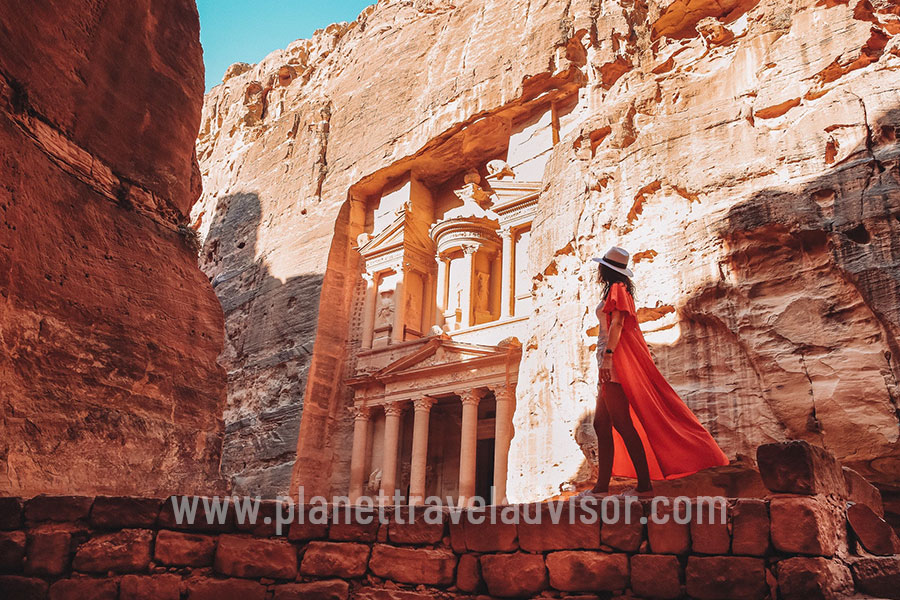
The Treasury in Petra is a monumental rock-cut structure located within the ancient Nabataean city of Petra in southern Jordan. Known locally as Al-Khazneh, it is widely recognized as the city's most famous archaeological monument and one of the finest surviving examples of Nabataean architecture.
Unlike a conventional building assembled from individual stone blocks, the Treasury was carved directly into a massive sandstone cliff. Its façade rises approximately 39.5 meters (130 feet), displaying elaborate architectural details that reflect the craftsmanship and artistic influences of the Nabataean civilization.
The monument stands at the end of the Siq, a narrow natural gorge stretching approximately 1.2 kilometers. Visitors approaching from Petra's main entrance pass ancient rock formations, water channels, and archaeological remains before the gorge opens onto the Treasury.
The location was once part of a thriving ancient city rather than an isolated monument. Petra served as an important commercial center connecting trade routes between Arabia, Egypt, and the Mediterranean region. Its inhabitants developed sophisticated systems for collecting and distributing water, allowing their settlement to flourish in an arid environment.
Although the Treasury often represents Petra in photographs and travel advertising, it is only one part of the archaeological site. Beyond it are the Street of Facades, the Theater, the Royal Tombs, ancient temples, and the famous Monastery.
Travelers who want to experience Petra alongside Wadi Rum, the Dead Sea, and other historical destinations can explore Jordan tours that combine the country's major attractions into a coordinated itinerary.
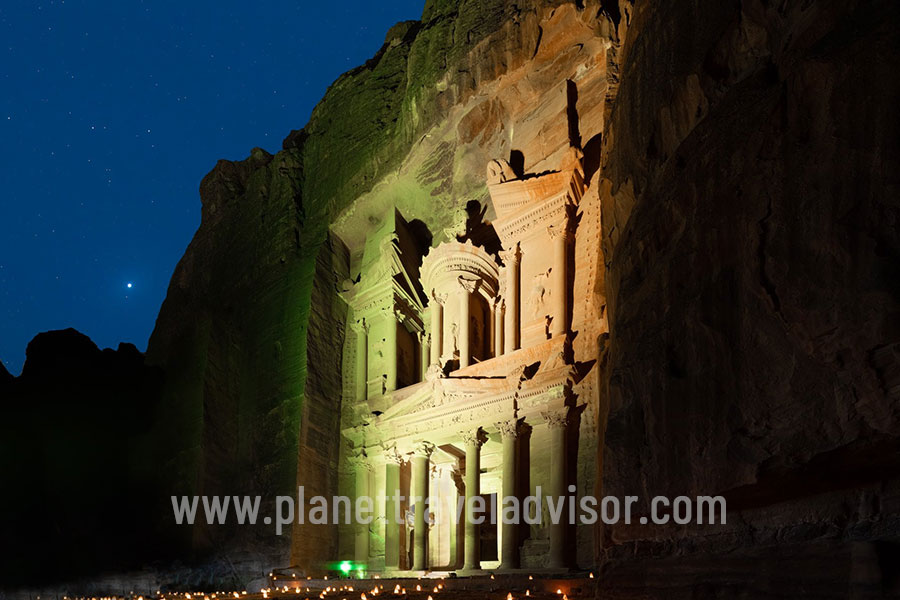
The name Al-Khazneh comes from the Arabic word for "the Treasury," but there is no archaeological evidence that the monument was built to store royal wealth.
Its unusual name originates from a local legend claiming that an Egyptian pharaoh concealed treasure inside the large stone urn crowning the upper section of the façade.
According to the story, the pharaoh placed his valuables inside the urn while traveling through the region. The legend became so widespread that people reportedly fired weapons at the urn in the hope of breaking it open and recovering the treasure.
Small marks associated with these attempts remain visible on the structure. However, the urn is carved from solid stone rather than being a hollow container filled with valuables.
This interpretation differs considerably from the monument's likely original purpose. Archaeological evidence suggests that the Treasury was connected with Nabataean funerary traditions, possibly serving as a royal mausoleum.
The legend remains an important part of the monument's cultural identity. It also explains why a structure associated with burial and religious symbolism became known worldwide by a name suggesting hidden riches.
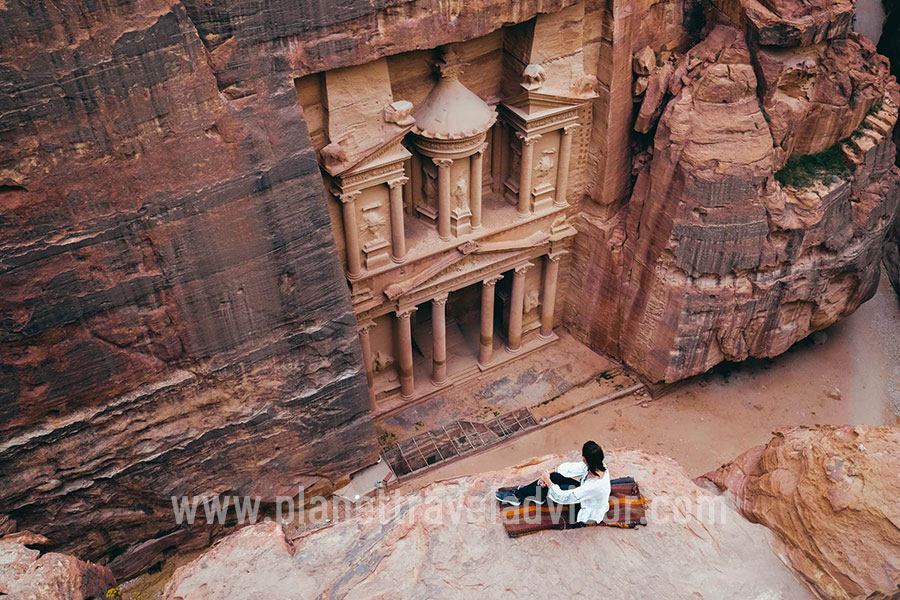
Petra Treasury history is closely connected to the Nabataeans, an ancient Arab civilization that established a prosperous kingdom across parts of modern-day Jordan and surrounding regions.
The Nabataeans developed Petra into an important trading center by controlling routes used to transport incense, spices, and other valuable commodities. Their commercial success helped support ambitious architectural projects, including temples, tombs, public buildings, and monumental rock-cut façades.
Although archaeologists have not established an exact construction date for the Treasury, it is generally associated with the period around the first century BC to the first century AD.
Many scholars connect the monument with King Aretas IV, who ruled the Nabataean Kingdom from 9 BC to AD 40. His reign is often regarded as a prosperous period in Petra's development, and the monument's elaborate design is consistent with the resources available to a powerful royal court.
Was the Treasury built for King Aretas IV?
One influential interpretation identifies the Treasury as a royal mausoleum, potentially associated with Aretas IV. Its size, decoration, and funerary symbolism support the idea that it was constructed for someone of considerable status.
However, the identity of the intended occupant has not been conclusively established. No definitive surviving inscription identifies the individual for whom the monument was created.
Its original function also remains the subject of archaeological discussion. Although the funerary interpretation is widely accepted, researchers continue to investigate the monument's relationship with royal ceremonies, religious practices, and the surrounding burial complex.
Petra eventually came under Roman control in AD 106, when the Nabataean Kingdom was incorporated into the Roman Empire. The city continued to be occupied, but changes in trade routes, economic conditions, and regional political structures gradually altered its importance.
Today, the Treasury survives as evidence of Nabataean wealth, cultural exchange, and engineering skill. Its preservation also helps historians understand how the kingdom combined local traditions with artistic ideas from the wider Mediterranean world.
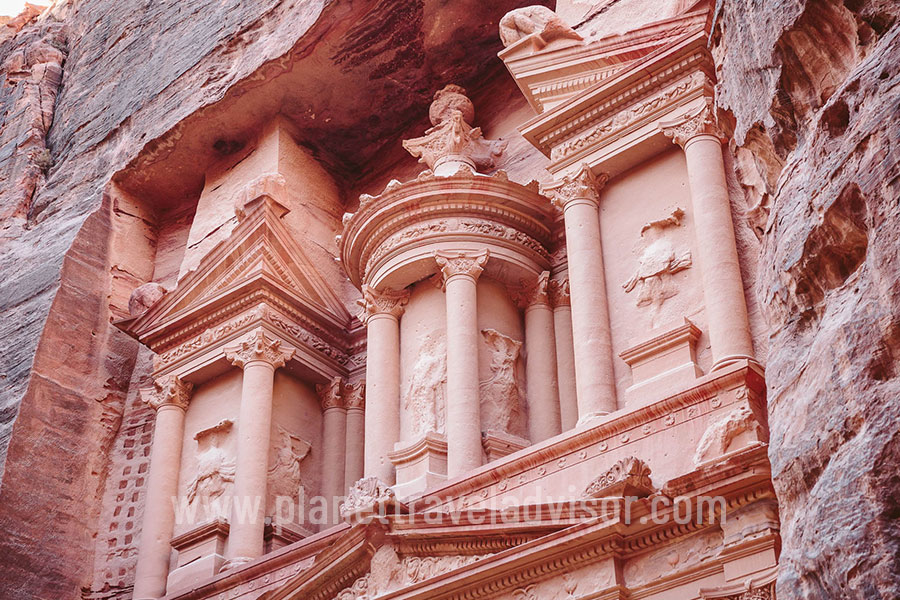
Petra Treasury architecture is distinguished by its remarkable combination of rock-cut engineering, classical design, and religious symbolism.
The monument's façade was sculpted directly from the sandstone cliff, creating an architectural composition that resembles a freestanding classical building. Yet its columns, decorative elements, and surrounding surfaces remain integrated with the natural rock.
The façade is organized into two principal levels, each displaying carefully arranged architectural features.
The lower level contains six columns with Corinthian-style capitals, supporting a decorative structure of horizontal bands and a triangular pediment. These elements reflect architectural traditions associated with the Greek and Roman worlds.
Above them, the upper level features a striking circular structure, often described as a tholos, positioned between two sections with broken pediments. At its summit stands the large urn responsible for the Treasury's modern name.
The arrangement demonstrates the Nabataeans' ability to adapt foreign architectural forms rather than reproduce them without modification.
Religious and funerary symbolism
The sculptures decorating the Treasury provide important clues about the monument's meaning.
Among the surviving decorative elements are figures commonly interpreted as the Egyptian goddess Isis, female warriors known as Amazons, winged creatures, and other mythological representations.
These figures reflect the interaction of several artistic and religious traditions. Egyptian imagery appears alongside classical architectural elements and motifs associated with Nabataean beliefs.
Some scholars interpret these decorations as references to protection, death, and the afterlife, supporting the theory that the Treasury served a funerary purpose.
However, centuries of erosion and damage have affected portions of the carvings. The identities and meanings of certain figures remain open to interpretation.
How was the Treasury carved into the rock?
Creating such an elaborate façade required exceptional planning, precise measurements, and highly skilled stoneworkers.
The Nabataeans had to shape an enormous vertical sandstone surface while maintaining the proportions of columns, decorative details, and chambers within the cliff.
Unlike buildings made from separate blocks, errors in rock-cut construction could not simply be corrected by replacing individual stones.
The surrounding landscape also presented challenges. Petra's sandstone is vulnerable to weathering, while seasonal rainfall can create dangerous flash floods within its narrow gorges.
The Nabataeans developed an extensive system of dams, channels, and water-management structures throughout Petra. These features helped sustain the ancient settlement and manage water moving through its surrounding landscape.
Modern conservation efforts continue to address the deterioration of sandstone monuments caused by natural erosion and visitor pressure.
The Treasury's architecture is therefore significant not only for its appearance but also for what it reveals about Nabataean engineering, artistic knowledge, and cultural connections.
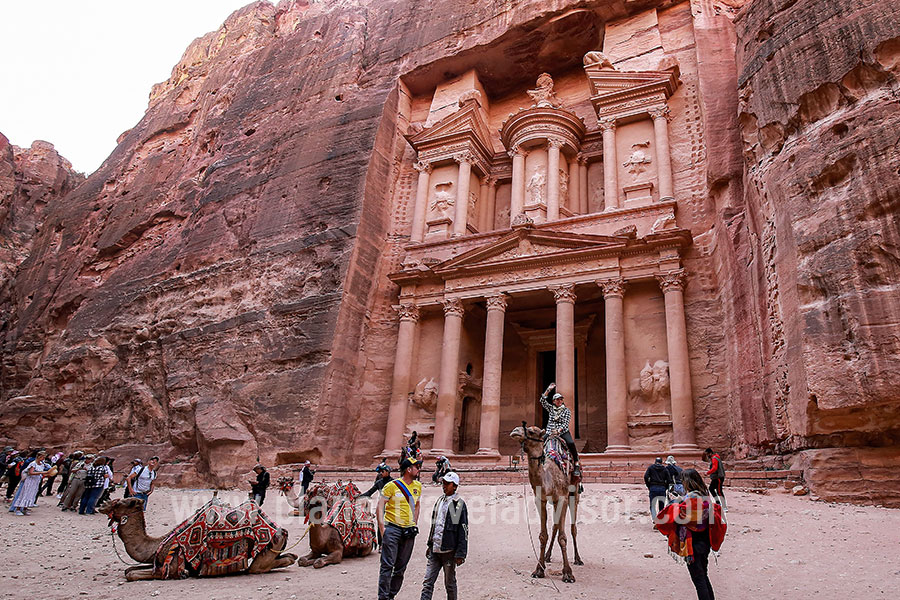
Inside Petra Treasury, visitors will not find the gold-filled rooms or elaborate passageways suggested by popular legends and adventure films.
The interior is considerably simpler than the decorated exterior. It consists of plain rock-cut chambers with relatively little ornamentation, creating a striking contrast with the monumental façade.
These spaces are commonly associated with the Treasury's proposed funerary function. Their restrained design suggests that the exterior was intended to communicate status, religious meaning, and architectural grandeur.
Can tourists enter the Treasury?
Ordinary tourist access to the interior chambers is restricted. Visitors generally experience the monument from the open area in front of the façade rather than entering the ancient rooms.
This restriction helps protect an archaeological structure that has survived for approximately two millennia.
Visitors should respect official barriers and instructions rather than attempting to enter restricted chambers or climb onto the monument.
Archaeological discoveries beneath the Treasury
Excavations have revealed that important archaeological remains lie beneath the area in front of the Treasury.
In 2003, investigations by Jordan's Department of Antiquities uncovered Nabataean burial chambers beneath the monument, strengthening the interpretation that the site had a funerary function.
Further archaeological work brought renewed attention to the area in 2024.
A collaborative research team involving the Jordanian Department of Antiquities, the Petra Development and Tourism Region Authority, the American Center of Research, and the University of St Andrews investigated a buried tomb beneath the Treasury.
The excavation revealed human remains belonging to 12 individuals, together with archaeological objects that could provide further evidence about Nabataean burial practices.
The findings attracted international attention because of the monument's fame and the possibility that its underground spaces could reveal more about the people associated with its construction.
However, the discovery does not conclusively establish the identity of the Treasury's original occupant or resolve every question about its purpose.
Researchers must consider the age of the burials, their relationship to earlier archaeological findings, and the wider history of the site before drawing firm conclusions.
For travelers, these discoveries offer an important reminder: the Treasury is not simply a spectacular façade. It is part of a much larger archaeological landscape that continues to reveal information about the Nabataean civilization.
The Petra Treasury is one of the most impressive surviving achievements of the Nabataean civilization. Its monumental sandstone façade, elaborate sculptures, and mysterious burial chambers reveal a history shaped by wealth, craftsmanship, and religious traditions.
Understanding the difference between the Treasury's popular legends and its archaeological significance makes visiting the monument more rewarding. Allow enough time to appreciate its details, walk through the Siq, and continue beyond the famous façade into the ancient city.
For travelers planning a wider exploration of Jordan, carefully arranged trips in Jordan can connect Petra with other significant destinations while simplifying transportation and itinerary planning.




A curated list of the most popular travel packages based on different destinations.
Explore Siq Petra, its Nabataean water system, ancient carvings, Treasury walk, history, opening hours, tickets, photography tips, and visitor advice.
Plan your trip with this Amman travel guide covering top sights, food, neighborhoods, transport, day trips, where to stay, and practical visitor tips.
Explore Amman Citadel with practical tips on history, top sights, tickets, opening hours, Jordan Pass access, timing, transport, and nearby attractions.
Plan your Amman Roman Theatre visit with current ticket prices, opening hours, Jordan Pass details, history, nearby sights, and practical travel tips.
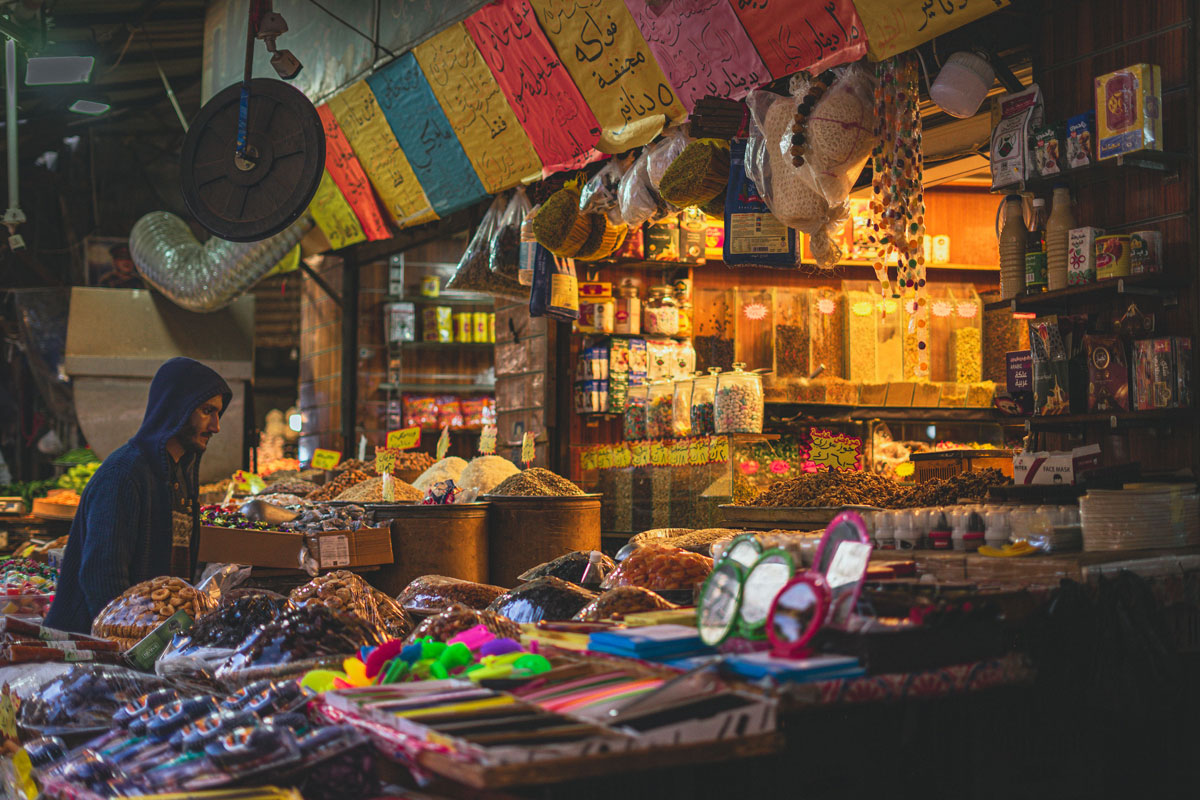
Explore the best souqs in Amman, from Al-Balad and the Gold Souq to Souq Jara, with shopping tips, souvenirs, timing, and nearby sights.
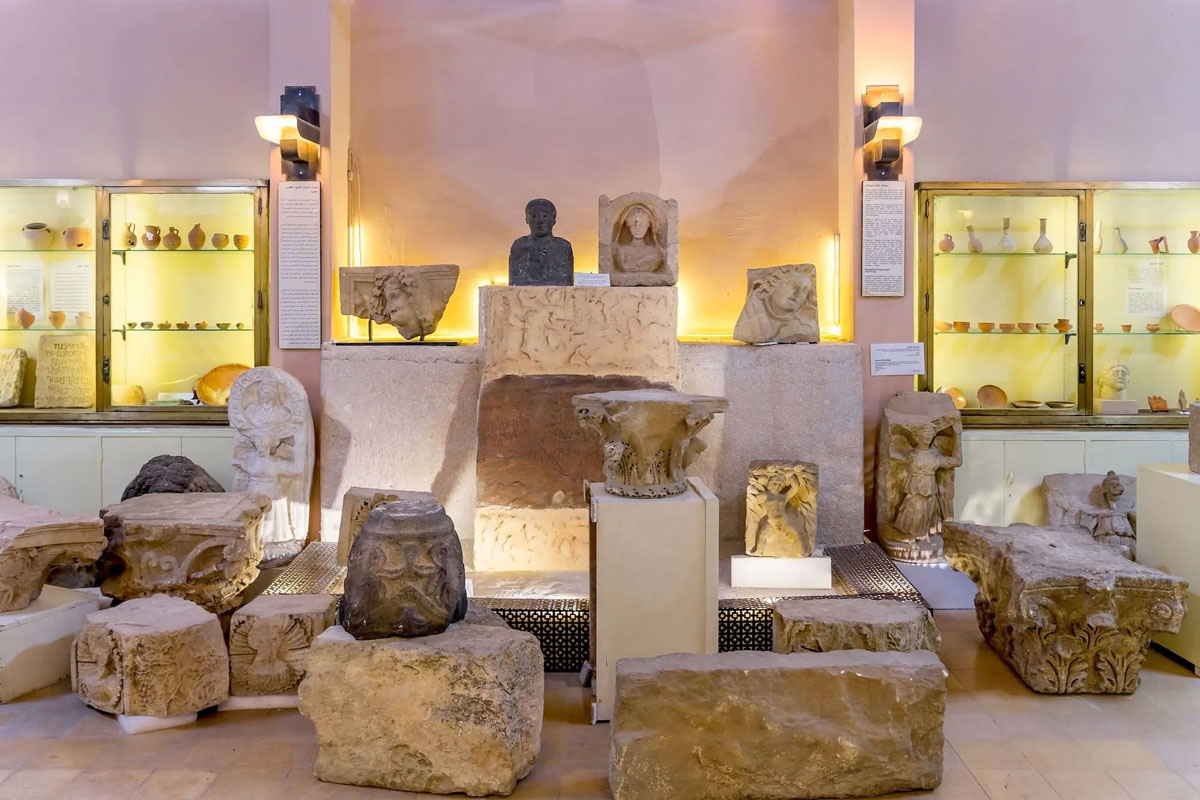
Explore the Jordan Archaeological Museum in Amman, including top artifacts, tickets, Jordan Pass, opening hours, Citadel tips, and visitor advice.
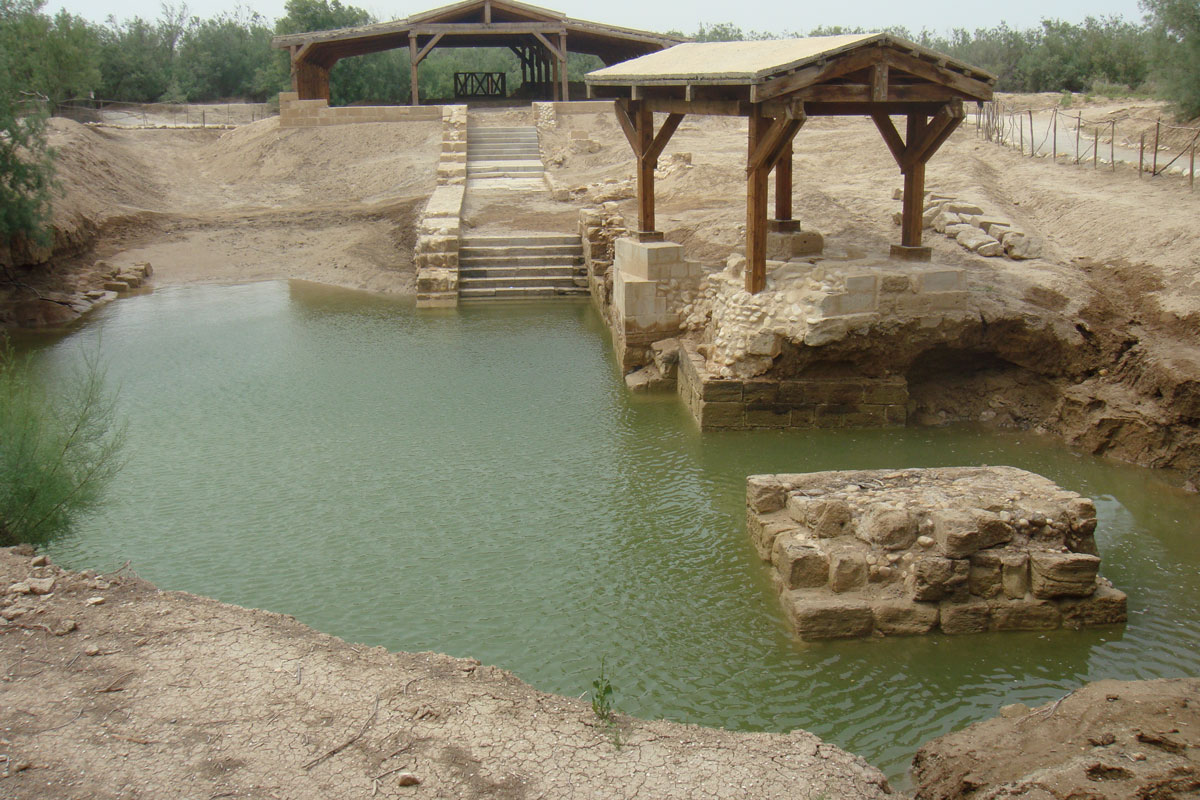
Plan your visit to the Baptism Site in Jordan with its biblical history, archaeology, tickets, opening hours, Jordan Pass details, and nearby stops.
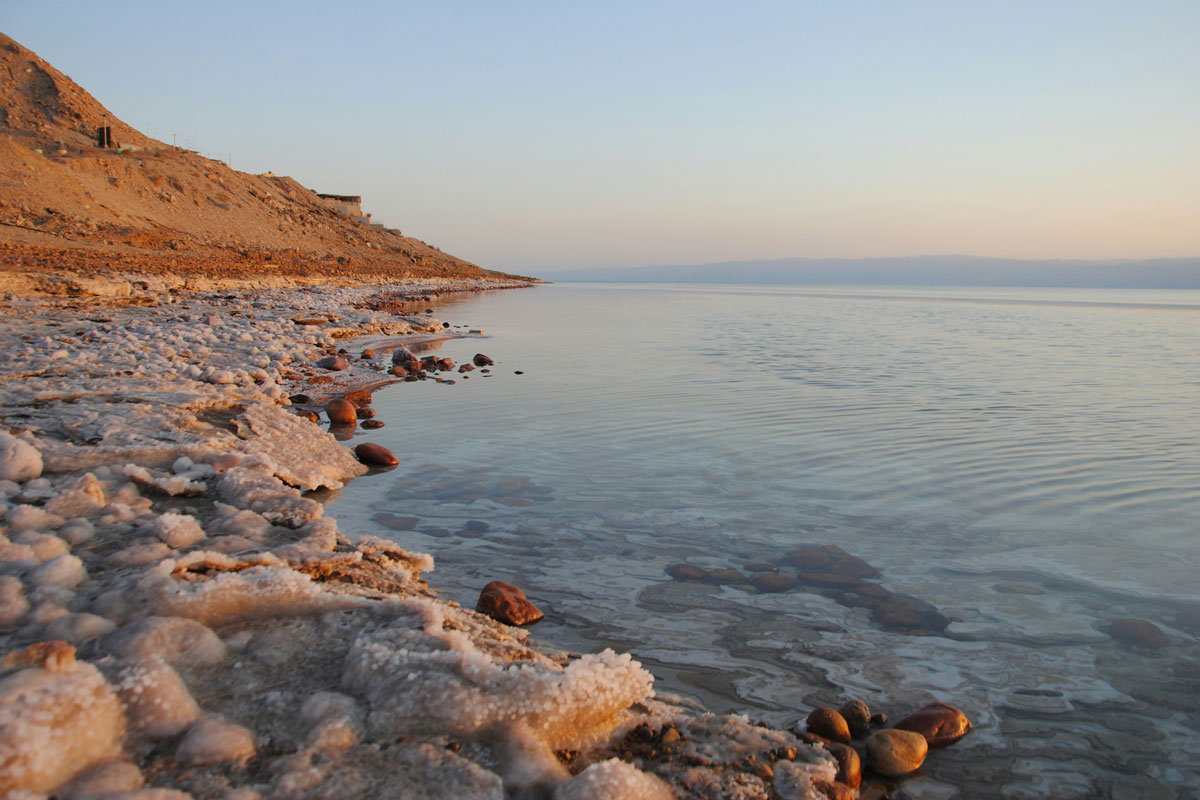
Plan your Dead Sea Jordan visit with tips on floating, beaches, resorts, transport, best times, safety, nearby attractions, and how long to stay.
Explore Downtown Amman with tips on the Roman Theatre, souks, local food, walking routes, the Citadel, safety, transport, and the best time to visit.
Plan your visit to Hadrian’s Arch Jerash with its history, architecture, tickets, opening hours, Jordan Pass details, nearby sites, and travel tips.
Plan your first visit to Jerash Jordan with the best ruins to see, walking route, tickets, Jordan Pass details, opening hours, timing, and travel tips.
Explore the Jordan River's biblical history, where Jesus was baptized, how to visit from Amman, and the best nearby places to include on your Jordan trip.
We go beyond just booking trips—we create unforgettable travel experiences that match your dreams!



One of the smoothest tours we have ever booked. We booked the "9 Days Angkor and Mekong Expeditions Package" package and were impressed by how professionally everything was arranged. The itinerary gave us enough time to enjoy the Mekong and Angkor without feeling rushed, and all transfers and day tours ran on time. The communication before arrival was clear and helpful, which made planning much easier. What we appreciated most was the balance between guided sightseeing and free time, so the whole trip felt comfortable and enjoyable. If you are looking for a reliable way to explore Vietnam, this is a great option. It was the perfect mix of sightseeing, comfort, and great logistics.
A beautifully organized journey from start to finish. We booked the "8 Days Hoi An Beach Escape and Culture Tour" package and were impressed by how professionally everything was arranged. The itinerary gave us enough time to enjoy Hoi An without feeling rushed, and all transfers and day tours ran on time. The communication before arrival was clear and helpful, which made planning much easier. What we appreciated most was the balance between guided sightseeing and free time, so the whole trip felt comfortable and enjoyable. If you are looking for a reliable way to explore Vietnam, this is a great option. The itinerary was well balanced and never felt rushed.
We loved how easy and enjoyable this entire experience was. We booked the "14 Days Hanoi Hue Hoi An Mekong Saigon Tour" package and were impressed by how professionally everything was arranged. The itinerary gave us enough time to enjoy Hanoi, Saigon, Hoi An, the Mekong, and Hue without feeling rushed, and all transfers and day tours ran on time. The communication before arrival was clear and helpful, which made planning much easier. What we appreciated most was the balance between guided sightseeing and free time, so the whole trip felt comfortable and enjoyable. If you are looking for a reliable way to explore Vietnam, this is a great option. We came home with amazing memories and would book again.
We loved how easy and enjoyable this entire experience was. We booked the "8 Days Gallipoli, Pergamum, Pamukkale, Ephesus & Cappadocia Tour" package and were impressed by how professionally everything was arranged. The itinerary gave us enough time to enjoy Cappadocia, Ephesus, Pamukkale, Gallipoli, and Pergamum without feeling rushed, and all transfers and day tours ran on time. The communication before arrival was clear and helpful, which made planning much easier. What we appreciated most was the balance between guided sightseeing and free time, so the whole trip felt comfortable and enjoyable. If you are looking for a reliable way to explore Turkey, this is a great option. We came home with amazing memories and would book again.
We loved how easy and enjoyable this entire experience was. We booked the "15 Days Egypt & Jordan Tour Package" package and were impressed by how professionally everything was arranged. The itinerary gave us enough time to enjoy Egypt and Jordan without feeling rushed, and all transfers and day tours ran on time. The communication before arrival was clear and helpful, which made planning much easier. What we appreciated most was the balance between guided sightseeing and free time, so the whole trip felt comfortable and enjoyable. If you are looking for a reliable way to explore Jordan, this is a great option. We came home with amazing memories and would book again.











Comments (02)
Mr. Bowmik Haldar,
05 June, 2024Outstanding News & Insight! Thank you so much for sharing like this article
Jacoline Juie,
05 June, 2023However, here are some well-regarded car dealerships known for their customer service, inventory, and overall reputation. It's always a good idea to research and read reviews specific...
Leave Your Comment: